
International
Bolsonaro finds strong support in Rio’s ‘Brazilian Miami’
AFP | Eugenia Logiuratto
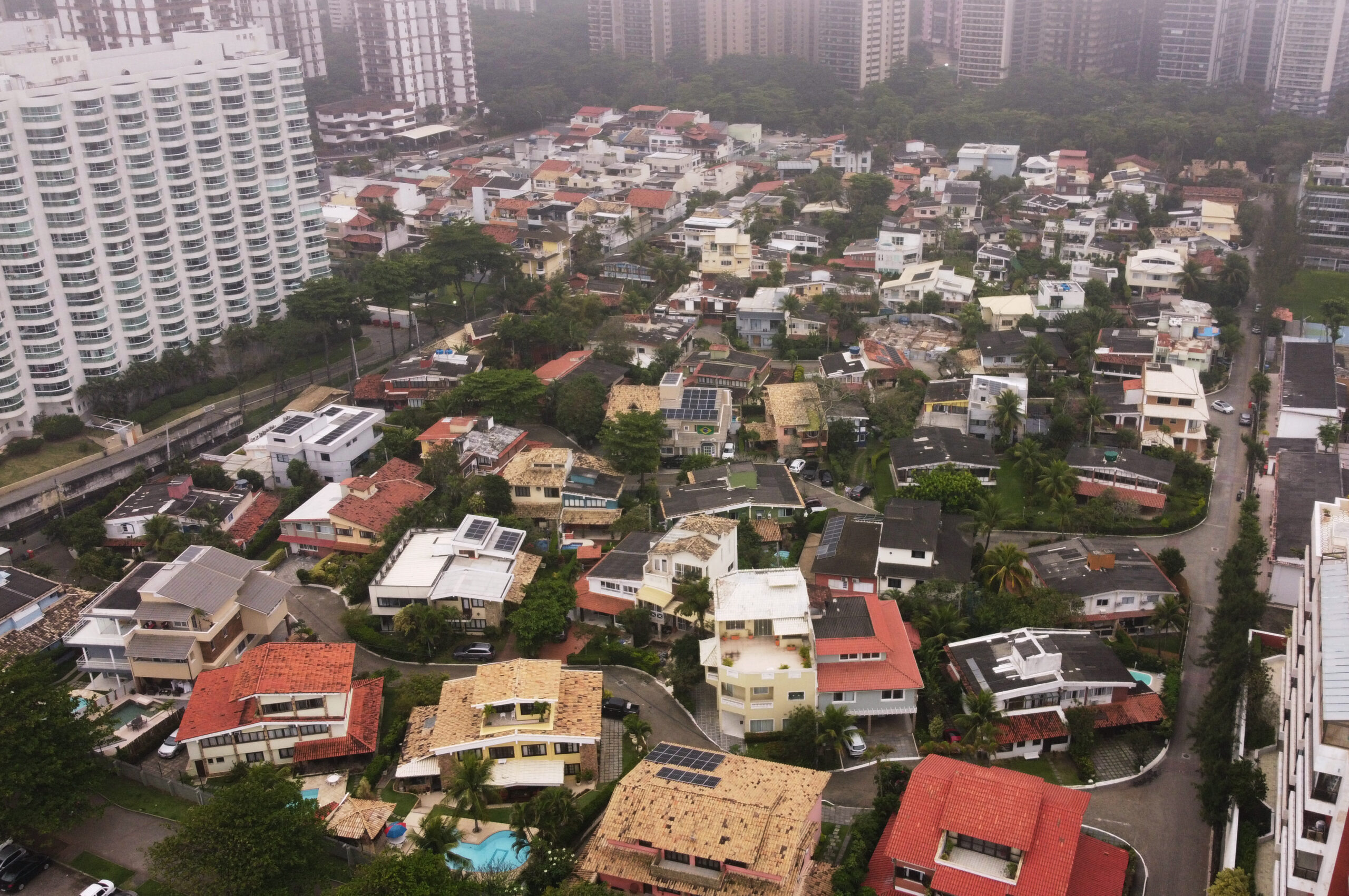
Posh-looking drivers in expensive cars are honking their horns on a beachfront avenue in Rio de Janeiro, blaring their approval at a vendor selling green-and-yellow Brazilian flags outside President Jair Bolsonaro’s former home.
Welcome to Barra da Tijuca, the neighborhood known as the “Brazilian Miami,” a bastion of support for the far-right incumbent as he fights to win reelection in his October 30 runoff battle against leftist ex-president Luiz Inacio Lula da Silva (2003-2010).
Known for its upscale shopping malls, gated communities and luxury condos with sweeping views of the emerald coastline, Barra voted heavily for Bolsonaro in the first-round election on October 2, when Lula took 48 percent of the vote nationwide, to 43 percent for the incumbent.
In Barra, Bolsonaro won 50 percent of the vote, to 37 percent for Lula — a preference visible in the abundance of Brazilian flags fluttering from the west-side neighborhood’s balconies, a symbol adopted by the president’s supporters.











“People here in Barra are very in sync with Bolsonaro ideologically. The majority of people support him, because there are a lot of businesspeople,” says resident Felipe Fontenelle, a 58-year-old entrepreneur who owns a communications security firm and stakes in two restaurants.
Lula, he warns, represents “communism.”
Developed in 1969 by renowned modernist urban planner Lucio Costa, Barra underwent a demographic boom in the 1980s, becoming a magnet for celebrities, politicians and the upwardly mobile as they sought a haven from the city’s violence.
Now home to some 135,000 people, its elite status was cemented when it was chosen as the site for the Olympic village for the 2016 Rio Games.
“It’s a neighborhood for the nouveau riche, especially people who believe in the idea of the self-made man: that they worked hard and succeeded,” says sociologist Paulo Gracino Junior of Candido Mendes University, calling it an enclave of executives, professionals and military top brass.
He points out it is also home to ex-cop Ronnie Lessa, a convicted arms trafficker who is the chief suspect in the 2018 killing of black LGBT activist and Rio city councillor Marielle Franco.
Lessa and Bolsonaro lived on the same street.
Bolsonaro’s hood
Bolsonaro, then a congressman representing Rio, moved to Barra with his family in the 2000s.
They still own the house they bought in Vivendas da Barra, a gated community that sits behind a cement wall topped with barbed wire.
The private condo has become a rallying point for Bolsonaro backers.
Visiting Rio from the southern state of Santa Catarina, retired lawyer Mirian Rebelo and her son Rodrigo, a dentist, stopped there to take selfies, both sporting Tommy Hilfiger T-shirts and sunglasses.
“I love the president’s focus on the family. And he doesn’t mince words. He speaks his mind,” says Mirian, 65.
“Every country deserves a Bolsonaro,” says Rodrigo, 41, praising the president’s “crackdown on corruption and the ideology of evil.”
Cacalo Matarazzo, a lawyer and jiu-jitsu teacher who lives next door to Bolsonaro’s condo complex, says he counts the president as a friend.
“Everyone here knows him well. He even invited me over for coffee before his inauguration” in 2019, says the stern, square-jawed 73-year-old, after proudly showing a series of photographs of himself with Bolsonaro on his cell phone.
“But it’s not just about Bolsonaro, it’s about a guy who’s fighting to build a better Brazil.”
Matarazzo is no fan of Lula, who makes a cameo among the Bolsonaro merch on sale out front.
There, the veteran leftist, who was jailed in 2018 on controversial, since-overturned corruption charges, appears in effigy as an inflatable doll in a prison uniform.
-
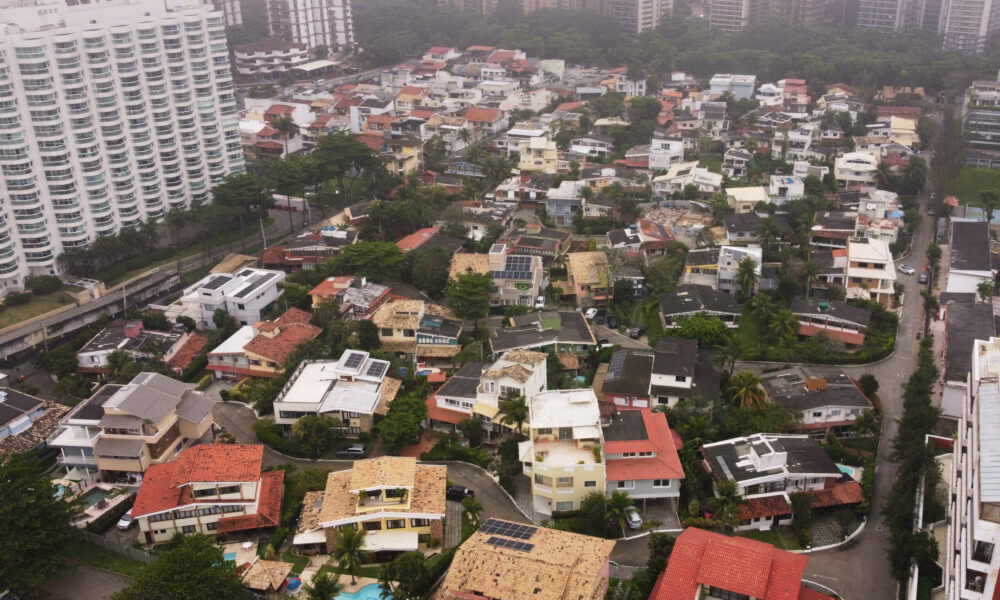
Aerial view of the Barra da Tijuca neighbourhood in Rio de Janeiro, Brazil, on October 10, 2022. - Posh-looking drivers in expensive cars are honking their horns on a beachfront avenue in Rio de Janeiro, blaring their approval at a vendor selling green-and-yellow Brazilian flags outside President Jair Bolsonaro's former home. Welcome to Barra da Tijuca, the neighborhood known as the "Brazilian Miami," a bastion of support for the far-right incumbent as he fights to win re-election in his October 30 runoff battle against leftist ex-president Luiz Inacio Lula da Silva (2003-2010). (Photo by CARLOS FABAL / AFP)











International
Nicolás Maduro’s Son Calls U.S. Trial Against His Father and Cilia Flores “Unjust”
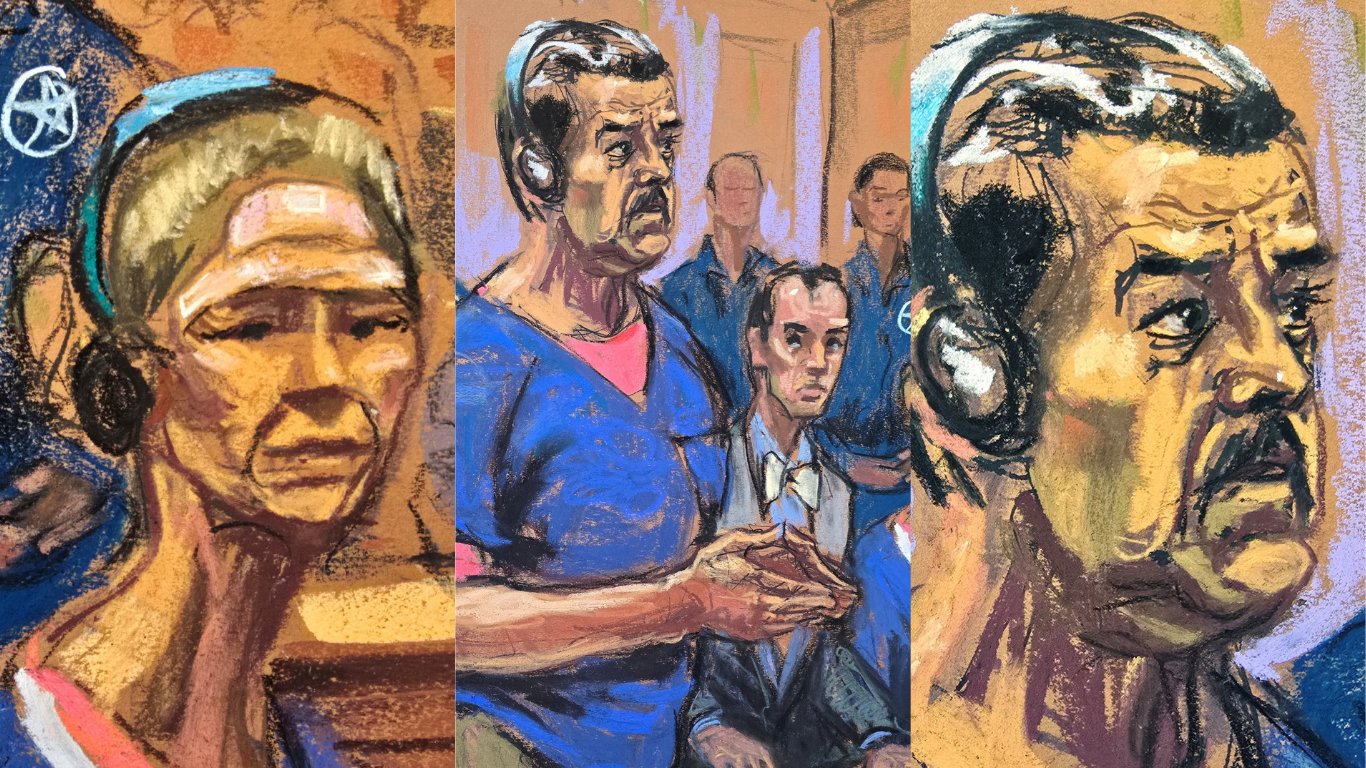
Venezuelan lawmaker Nicolás Maduro Guerra on Wednesday described as “unjust” the legal proceedings in the United States against his father, ousted Venezuelan President Nicolás Maduro, and his wife, Cilia Flores, following their capture in Caracas on January 3 by U.S. forces.
“Faced with the unjust trial taking place today, the people raised their voices with a single demand: We demand the immediate release of President Nicolás Maduro and the First Lady,” Maduro Guerra wrote on his Instagram account.
The lawmaker attended a rally in Caracas where supporters of the ruling United Socialist Party of Venezuela (PSUV)gathered to show support for the former president, who faces charges in the United States including conspiracy to commit narco-terrorism and cocaine importation. Flores is accused of crimes related to drug trafficking and weapons possession.
The event was also attended by PSUV Vice President for Mobilizations and Events Nahum Fernández and Caracas Mayor Carmen Meléndez, according to photos shared by Maduro’s son.
The third hearing in the case against Maduro and Flores concluded Wednesday at a federal court in New York after lasting only about 18 minutes. During the hearing, the judge preliminarily set June 2027 as the expected start date for the trial.
One of the main arguments from the defense will focus on immunity. Maduro’s lead attorney, Barry Pollack, who has also represented WikiLeaks founder Julian Assange, said the defense plans to request immunity for both defendants, arguing that Maduro was serving as head of state and Flores as first lady at the time of their detention.
Both Maduro and Flores pleaded not guilty during their first court appearance in New York on January 5.
Meanwhile, Venezuela’s interim president Delcy Rodríguez, who assumed power after Maduro’s capture, has not yet commented on Wednesday’s hearing in the United States.
International
Mexico Files 20 Complaints in U.S. Over Deaths of 17 Citizens During ICE Operations
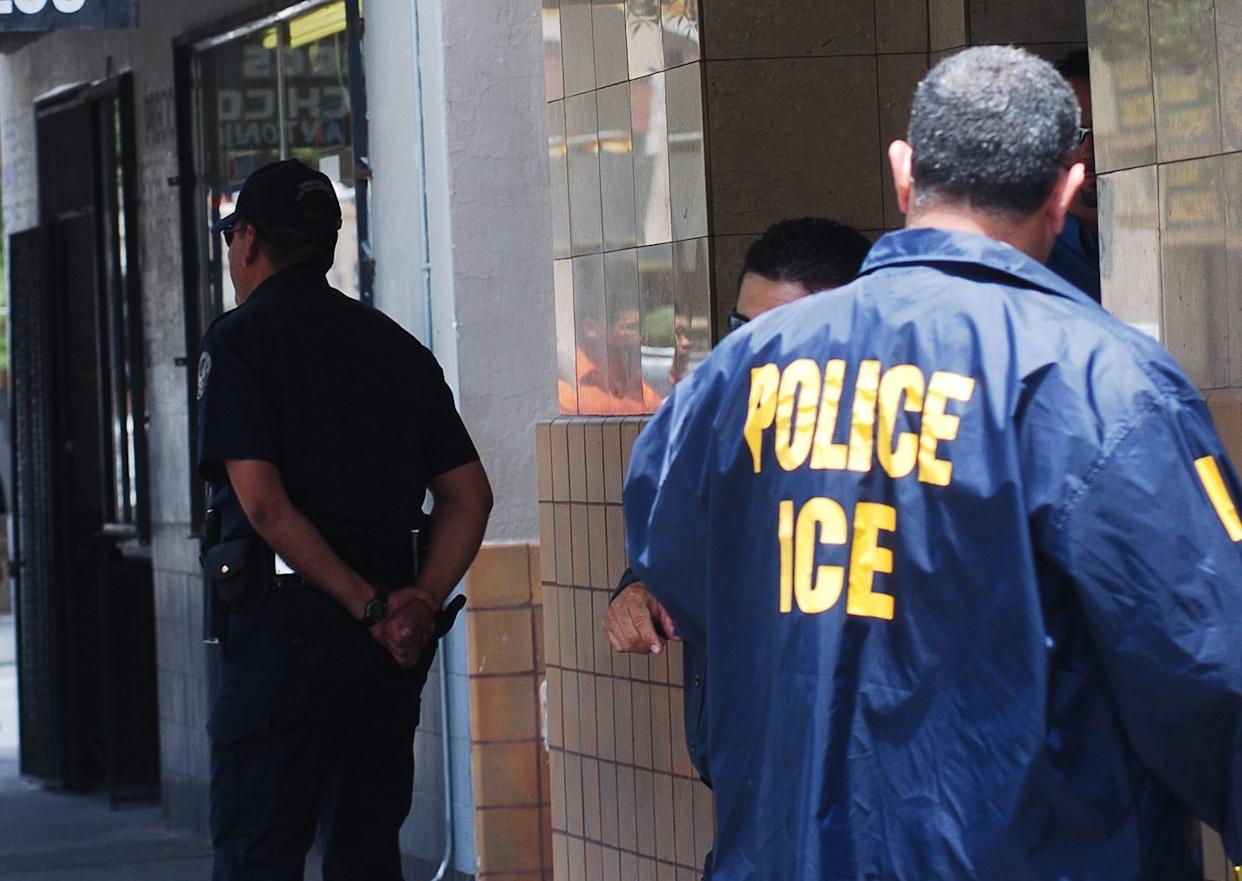
The Mexican government announced that it has filed 20 legal complaints across different jurisdictions in the United States seeking investigations into the deaths of 17 Mexican citizens who died since May 2025 during immigration enforcement operations or while in the custody of the U.S. Immigration and Customs Enforcement (ICE).
Mexico’s Secretariat of Foreign Affairs (SRE) reported that the complaints were submitted on July 13 by Mexico’s ambassador to the United States, Roberto Lazzeri. Of the total, eight cases were filed with state prosecutors’ offices and 12 with county prosecutors’ offices in Arizona, California, Florida, Georgia, Illinois, Louisiana, Missouri, and Texas.
According to the Mexican government, the legal actions seek to clarify the circumstances surrounding each death and determine whether any immigration authorities may bear responsibility.
During meetings with representatives from the Department of Homeland Security (DHS) and ICE, Ambassador Lazzeri expressed Mexico’s concerns over conditions in immigration detention centers, including privately operated facilities, and requested thorough investigations into every case.
In addition to the complaints filed in the United States, Mexico’s Foreign Affairs Ministry sent a communication to United Nations High Commissioner for Human Rights Volker Türk, informing him of the deaths and requesting that the UN gather information, assess the situation under international human rights standards, and issue recommendations to prevent similar incidents.
The SRE also stated that Mexico’s consular network continues to provide support to the families of the deceased citizens, including legal assistance, help with repatriation of remains, and other procedures requested by relatives.
The announcement comes after the death of Lorenzo Salgado Araújo, a Mexican citizen who died after being shot by ICE agents during an immigration operation in Texas. The case has gained additional attention after a federal judge in Houston ordered a halt to the deportation of José Trinidad Rojas Pliego, considered a key witness in the incident.
Mexican authorities reiterated that they will continue using all available legal and diplomatic mechanisms to monitor the investigations and defend the rights of Mexican citizens in U.S. territory.
International
India Approves New Dengue Vaccine as Global Cases Continue to Rise
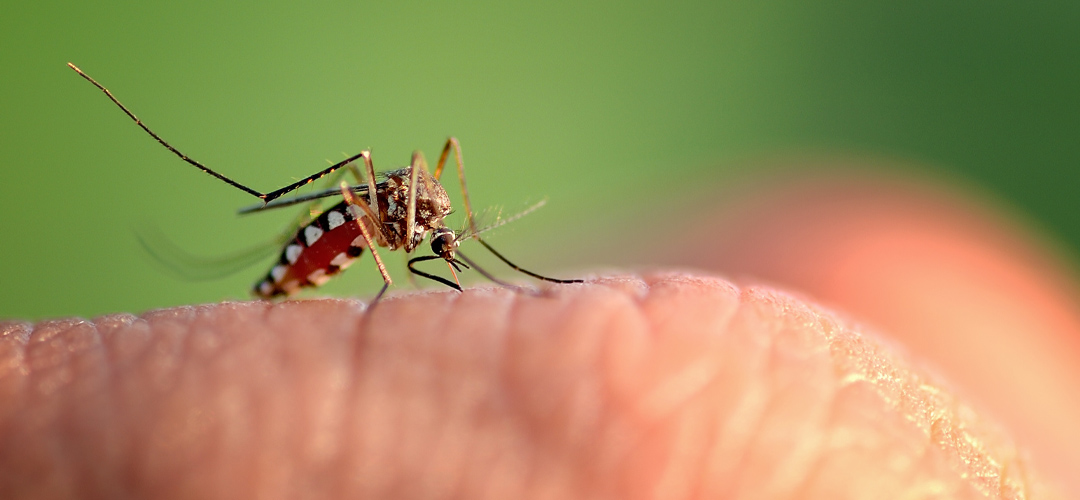
India has approved a new dengue vaccine as health authorities seek to strengthen prevention efforts against a mosquito-borne viral disease that affects millions of people worldwide every year.
According to the World Health Organization (WHO), half of the global population is currently at risk of contracting dengue, which causes between 100 million and 400 million infections annually.
Since 2021, India has recorded more than one million dengue cases, including at least 1,500 deaths.
The virus can cause high fever, severe headaches, muscle pain, nausea, skin rashes and, in rare cases, internal bleeding and death.
The vaccine, authorized by India’s Central Drugs Standard Control Organization (CDSCO), was developed by Japanese pharmaceutical company Takeda. The Indian Health Ministry said the vaccine is recommended in two doses for people between 4 and 60 years old.
The treatment has already been approved by health authorities in around 40 countries worldwide.
Meanwhile, Indian pharmaceutical company Panacea Biotec has begun the final phase of clinical trials for a single-dose dengue vaccine, aiming to provide another prevention option against the disease.
Brazil recently announced the suspension of the use of another single-dose dengue vaccine developed in the country after two suspected deaths were reported.

Nicolás Maduro’s Son Calls U.S. Trial Against His Father and Cilia Flores “Unjust”

Mexico Files 20 Complaints in U.S. Over Deaths of 17 Citizens During ICE Operations

India Approves New Dengue Vaccine as Global Cases Continue to Rise
Tec de Monterrey honors one of its students for his contribution to nanotechnology in medicine

Defense Minister commends salvadoran soldier for Central American Cross Country victory

Extension of the state of emergency approved in southern Chile
-

 International2 days ago
Controversial Pesticide Law Passes in France, Sparking Ecological Concerns and Ministerial Fallout
-
 International4 days ago
Ten Bodies Found in Mexico’s Zacatecas State Amid Security Operation
-

 International3 days ago
Iran Says It Is in “Full-Scale War” as U.S. Launches Ninth Consecutive Night of Airstrikes
-

 International3 days ago
French Parliament Moves to Approve Social Media Age Limit for Minors
-
 International2 days ago
U.S. Sends First Humanitarian Aid Flight to Cuba Amid Ongoing Tensions Between Both Governments
-
 Sports2 days ago
MLS Awaits Blockbuster Debuts as Griezmann and Lewandowski Join the Spotlight
-
 International3 days ago
WHO to Hold New Round of Talks After Slow Progress on Pandemic Accord
-
 International2 days ago
India Approves New Dengue Vaccine as Global Cases Continue to Rise
-
 International12 hours ago
Nicolás Maduro’s Son Calls U.S. Trial Against His Father and Cilia Flores “Unjust”
-
 International12 hours ago
Mexico Files 20 Complaints in U.S. Over Deaths of 17 Citizens During ICE Operations