
International
Fledgling union efforts at Amazon, Starbucks dig in for long fight
AFP | Juliette Michel
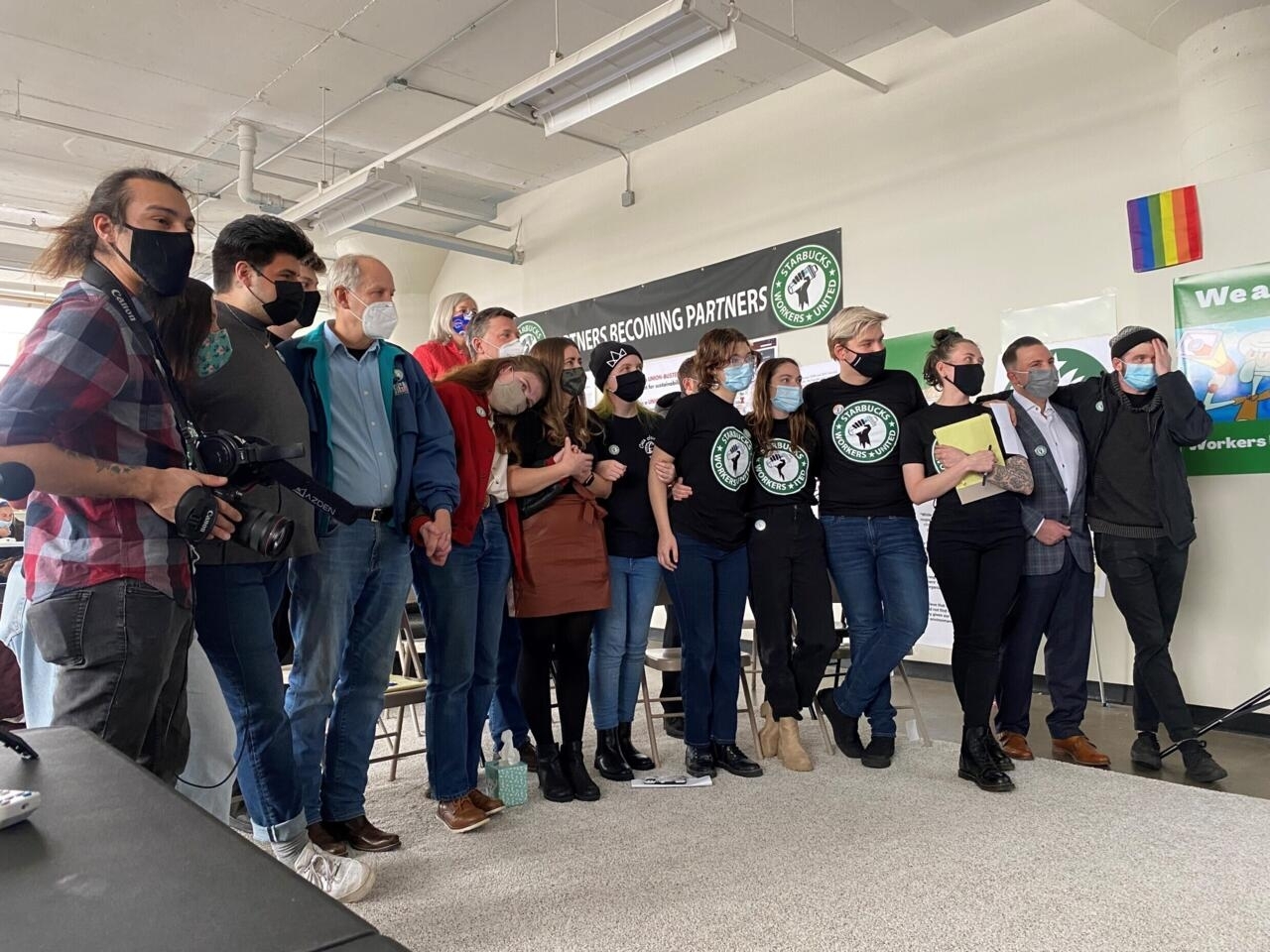
Recent unionization drives at Starbucks and Amazon have lifted morale in the US labor movement, but organizers have yet to transform election victories into material change.
Moreover, some union backers such as Will Westlake have paid a price for their activism.
Formerly a Starbucks barista in Buffalo, New York, where the initial union votes took place in December 2021, Westlake was fired earlier this month — ostensibly for not removing a suicide prevention badge from his apron, which he has viewed as an expression of his solidarity with the movement.
But Westlake thinks his firing was payback for his union activism.











“I was number 123” on the list of Starbucks employees to lose their jobs as the campaign has spread to some 250 cafes nationwide, said Westlake.
Starbucks declined to comment on allegations from Starbucks Workers United that the company fired workers for union activism.
But such reprisals at US companies are “pretty routine in this country,” said Ruth Milkman, a sociologist at CUNY in New York.
Young activists
Milkman counts herself among the experts in labor relations who have been surprised at the spread of the union drives to a growing slate of corporations, including Apple, REI, Chipotle and Trader Joe’s — companies that union organizers have not in the past viewed as fertile to their efforts.
“This was kind of a different moment,” said Milkman of a period defined by a labor shortage, the pandemic and “a young labor force frustrated by their limited labor market options.”
US officials have seen a 53 percent jump in the number of union elections over the last year, according to the National Labor Relations Board.
But that increase takes place against the backdrop of a longtime decline in organized labor since the 1980s, with fewer than 10 percent of private-sector employees now unionized.
While union backers have won some high-profile election victories over the last year, in many cases, the successful votes have taken place at small establishments, such as an individual Starbucks cafe.
What’s more, “winning the election is actually the easy part,” said Cedric de Leon, a sociologist at the University of Massachusetts at Amherst.
“The hard part is to negotiate the contract,” he said. “And there is nothing the government can really do to force the employers to negotiate in good faith.”
While two Starbucks cafes in Buffalo voted to unionize last December, the first meeting with management on the contract will take place only this month.
The outlook is even murkier at the Staten Island, New York warehouse that in April became the first Amazon site in the United States to unionize.
But Amazon is contesting the vote, alleging improprieties.
Commenting on a union election now taking place at an upstate New York warehouse, an Amazon spokesman said this week that the company will continue to fight the Staten Island election outcome because “we don’t believe it represents what the majority of our team wants.”
Culture of intimidation
Under the Biden administration, the NLRB has for its part cracked down on some anti-union conduct by big corporations, as with a complaint earlier this month against Apple after the company prevented the distribution of union fliers in a break room.
In August, a US judge ordered Starbucks to reinstate seven employees that the NLRB found were unlawfully fired by the coffee giant.
Such moves by companies represent an effort to instill in workers “a culture of fear and intimidation,” said de Leon, noting that support from President Joe Biden and other political leaders will not be enough to make real change.
But “250 Starbucks going out on a nationwide strike, that could be decisive,” he said.
The recent wave of union campaigns has come amid a tight labor market in a period of elevated consumer demand. A recession would alter some of those dynamics, although de Leon notes that previous economically weak periods such as the 1930s and 1970s have boosted unions.
Westlake said he is determined to hold companies like Starbucks to account.
“They are hoping that the public won’t care enough and that in two or three years, they will be able to fire all the union leaders and crush the union,” said Westlake, who has filed a complaint with the NLRB over his dismissal.











International
Nicolás Maduro’s Son Calls U.S. Trial Against His Father and Cilia Flores “Unjust”
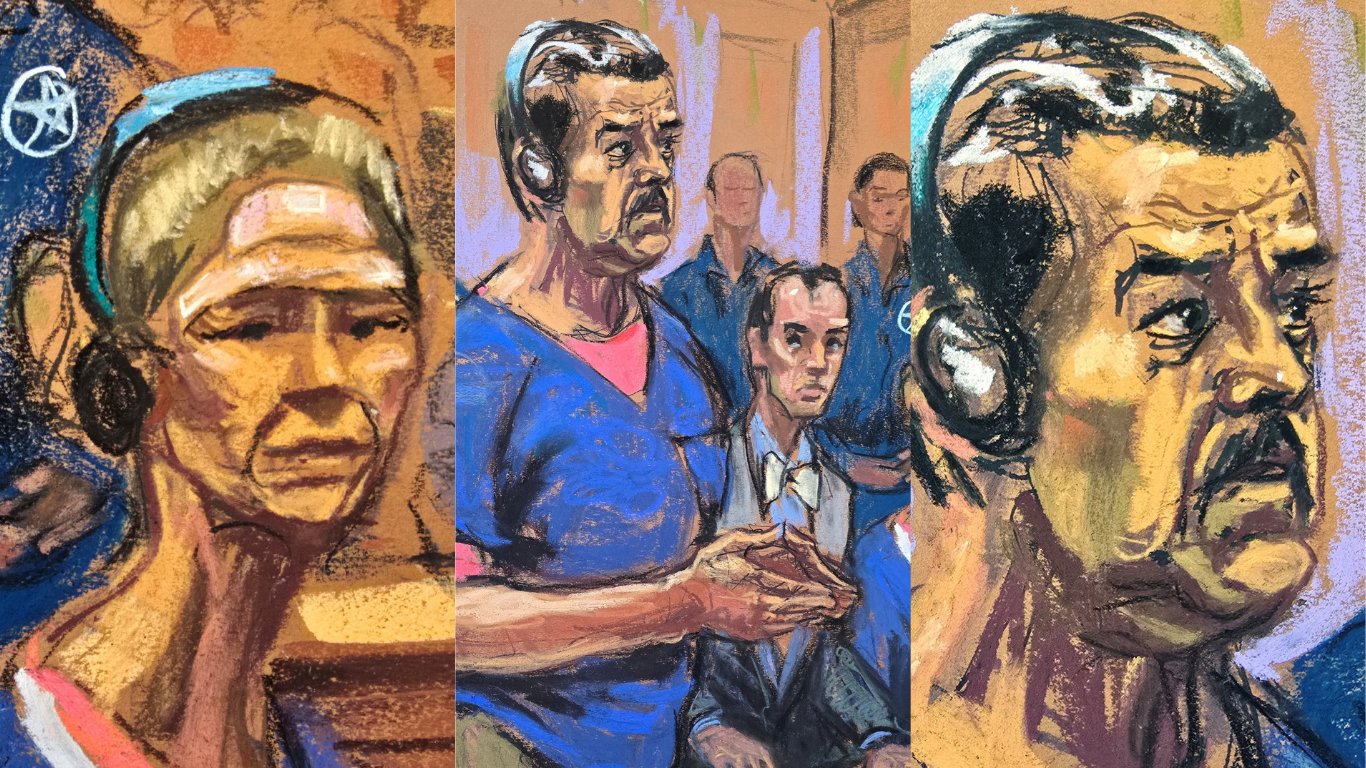
Venezuelan lawmaker Nicolás Maduro Guerra on Wednesday described as “unjust” the legal proceedings in the United States against his father, ousted Venezuelan President Nicolás Maduro, and his wife, Cilia Flores, following their capture in Caracas on January 3 by U.S. forces.
“Faced with the unjust trial taking place today, the people raised their voices with a single demand: We demand the immediate release of President Nicolás Maduro and the First Lady,” Maduro Guerra wrote on his Instagram account.
The lawmaker attended a rally in Caracas where supporters of the ruling United Socialist Party of Venezuela (PSUV)gathered to show support for the former president, who faces charges in the United States including conspiracy to commit narco-terrorism and cocaine importation. Flores is accused of crimes related to drug trafficking and weapons possession.
The event was also attended by PSUV Vice President for Mobilizations and Events Nahum Fernández and Caracas Mayor Carmen Meléndez, according to photos shared by Maduro’s son.
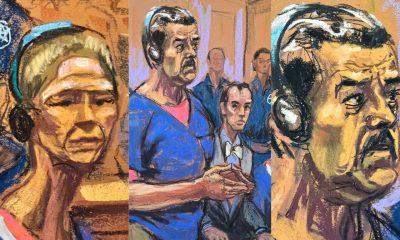
The third hearing in the case against Maduro and Flores concluded Wednesday at a federal court in New York after lasting only about 18 minutes. During the hearing, the judge preliminarily set June 2027 as the expected start date for the trial.
One of the main arguments from the defense will focus on immunity. Maduro’s lead attorney, Barry Pollack, who has also represented WikiLeaks founder Julian Assange, said the defense plans to request immunity for both defendants, arguing that Maduro was serving as head of state and Flores as first lady at the time of their detention.
Both Maduro and Flores pleaded not guilty during their first court appearance in New York on January 5.
Meanwhile, Venezuela’s interim president Delcy Rodríguez, who assumed power after Maduro’s capture, has not yet commented on Wednesday’s hearing in the United States.
International
Mexico Files 20 Complaints in U.S. Over Deaths of 17 Citizens During ICE Operations
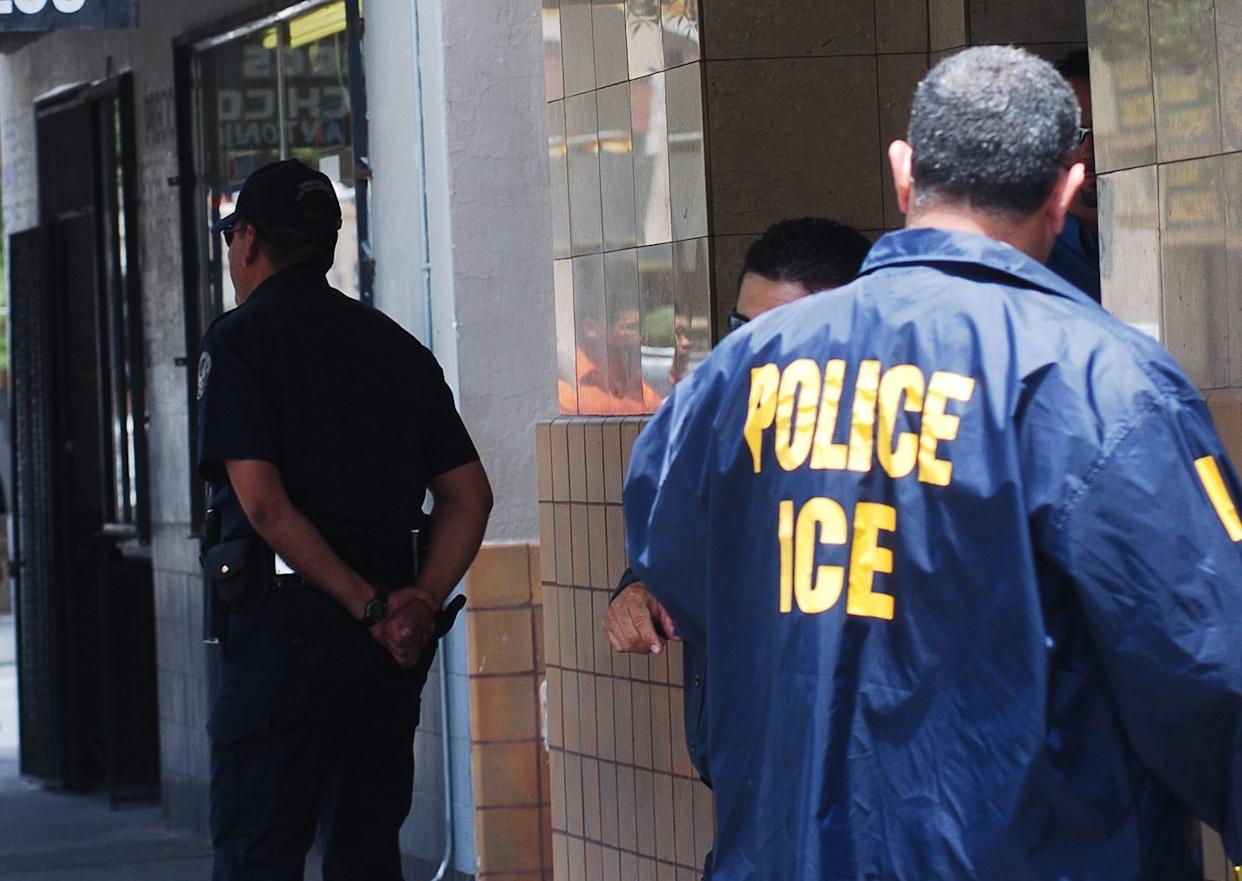
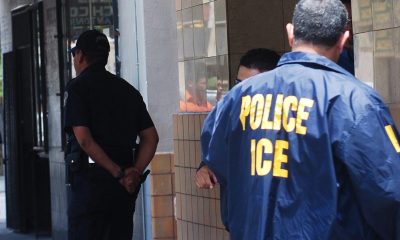
The Mexican government announced that it has filed 20 legal complaints across different jurisdictions in the United States seeking investigations into the deaths of 17 Mexican citizens who died since May 2025 during immigration enforcement operations or while in the custody of the U.S. Immigration and Customs Enforcement (ICE).
Mexico’s Secretariat of Foreign Affairs (SRE) reported that the complaints were submitted on July 13 by Mexico’s ambassador to the United States, Roberto Lazzeri. Of the total, eight cases were filed with state prosecutors’ offices and 12 with county prosecutors’ offices in Arizona, California, Florida, Georgia, Illinois, Louisiana, Missouri, and Texas.
According to the Mexican government, the legal actions seek to clarify the circumstances surrounding each death and determine whether any immigration authorities may bear responsibility.
During meetings with representatives from the Department of Homeland Security (DHS) and ICE, Ambassador Lazzeri expressed Mexico’s concerns over conditions in immigration detention centers, including privately operated facilities, and requested thorough investigations into every case.
In addition to the complaints filed in the United States, Mexico’s Foreign Affairs Ministry sent a communication to United Nations High Commissioner for Human Rights Volker Türk, informing him of the deaths and requesting that the UN gather information, assess the situation under international human rights standards, and issue recommendations to prevent similar incidents.
The SRE also stated that Mexico’s consular network continues to provide support to the families of the deceased citizens, including legal assistance, help with repatriation of remains, and other procedures requested by relatives.
The announcement comes after the death of Lorenzo Salgado Araújo, a Mexican citizen who died after being shot by ICE agents during an immigration operation in Texas. The case has gained additional attention after a federal judge in Houston ordered a halt to the deportation of José Trinidad Rojas Pliego, considered a key witness in the incident.
Mexican authorities reiterated that they will continue using all available legal and diplomatic mechanisms to monitor the investigations and defend the rights of Mexican citizens in U.S. territory.
International
India Approves New Dengue Vaccine as Global Cases Continue to Rise

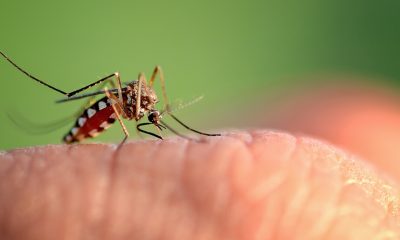
India has approved a new dengue vaccine as health authorities seek to strengthen prevention efforts against a mosquito-borne viral disease that affects millions of people worldwide every year.
According to the World Health Organization (WHO), half of the global population is currently at risk of contracting dengue, which causes between 100 million and 400 million infections annually.
Since 2021, India has recorded more than one million dengue cases, including at least 1,500 deaths.
The virus can cause high fever, severe headaches, muscle pain, nausea, skin rashes and, in rare cases, internal bleeding and death.
The vaccine, authorized by India’s Central Drugs Standard Control Organization (CDSCO), was developed by Japanese pharmaceutical company Takeda. The Indian Health Ministry said the vaccine is recommended in two doses for people between 4 and 60 years old.
The treatment has already been approved by health authorities in around 40 countries worldwide.
Meanwhile, Indian pharmaceutical company Panacea Biotec has begun the final phase of clinical trials for a single-dose dengue vaccine, aiming to provide another prevention option against the disease.
Brazil recently announced the suspension of the use of another single-dose dengue vaccine developed in the country after two suspected deaths were reported.

Nicolás Maduro’s Son Calls U.S. Trial Against His Father and Cilia Flores “Unjust”

Mexico Files 20 Complaints in U.S. Over Deaths of 17 Citizens During ICE Operations

India Approves New Dengue Vaccine as Global Cases Continue to Rise
Tec de Monterrey honors one of its students for his contribution to nanotechnology in medicine

Defense Minister commends salvadoran soldier for Central American Cross Country victory

Extension of the state of emergency approved in southern Chile
-

 International2 days ago
Controversial Pesticide Law Passes in France, Sparking Ecological Concerns and Ministerial Fallout
-
 International4 days ago
Ten Bodies Found in Mexico’s Zacatecas State Amid Security Operation
-

 International3 days ago
Iran Says It Is in “Full-Scale War” as U.S. Launches Ninth Consecutive Night of Airstrikes
-
 International3 days ago
French Parliament Moves to Approve Social Media Age Limit for Minors
-
 International2 days ago
U.S. Sends First Humanitarian Aid Flight to Cuba Amid Ongoing Tensions Between Both Governments
-
 Sports2 days ago
MLS Awaits Blockbuster Debuts as Griezmann and Lewandowski Join the Spotlight
-
 International3 days ago
WHO to Hold New Round of Talks After Slow Progress on Pandemic Accord
-
 International2 days ago
India Approves New Dengue Vaccine as Global Cases Continue to Rise
-
 International13 hours ago
Nicolás Maduro’s Son Calls U.S. Trial Against His Father and Cilia Flores “Unjust”
-
 International13 hours ago
Mexico Files 20 Complaints in U.S. Over Deaths of 17 Citizens During ICE Operations