
Central America
Maribel Gordón, the leftist economist who aspires to the Executive of Panama with a feminist plan
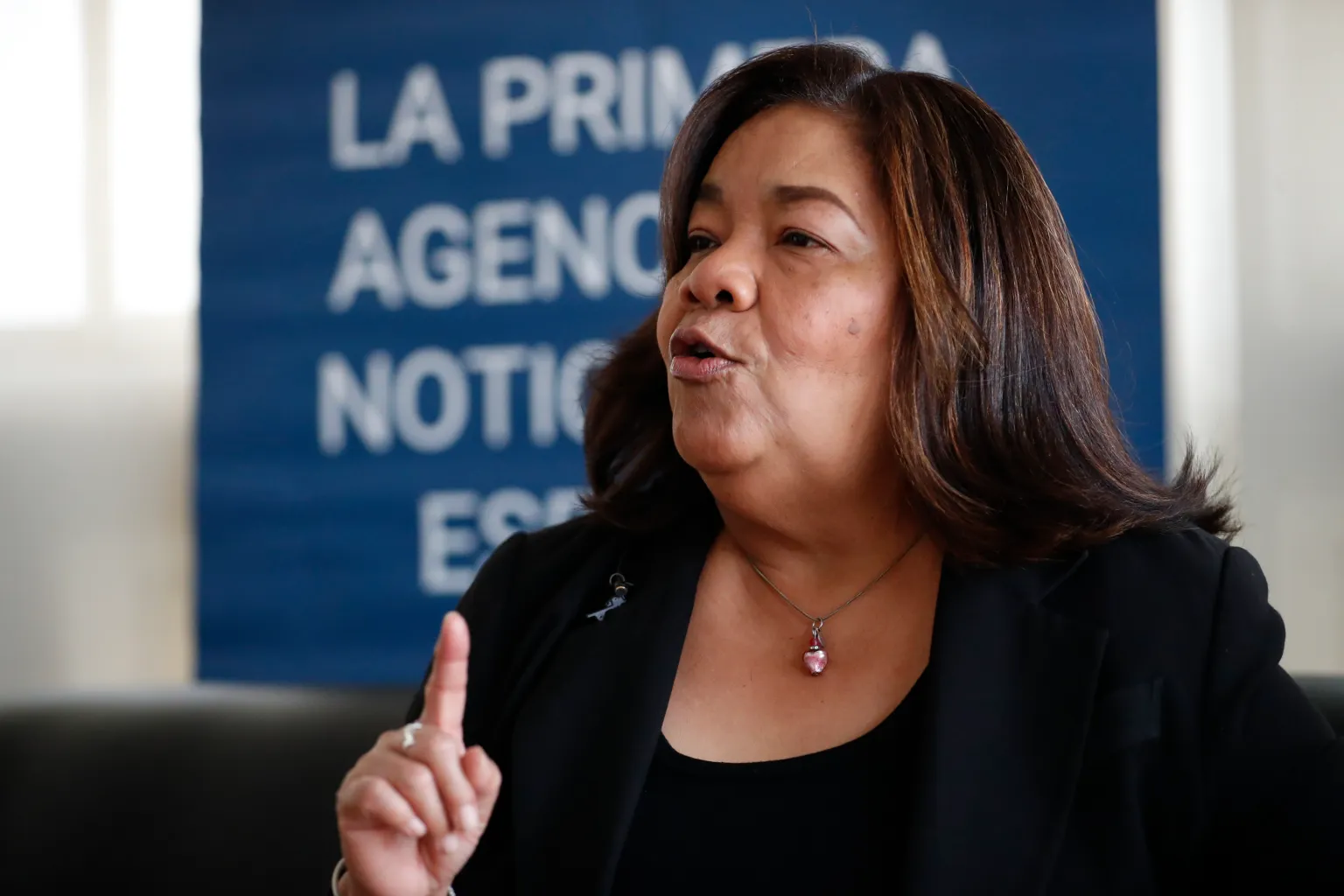
The leftist Maribel Gordón, a professor and economist by profession, aspires to the Presidency of Panama in the elections of next May 5 with a government plan based on social proposals for a “dignified life”, being the only candidate with a plan focused on equality policies.
“That is our approach, which incorporates women in decision-making and my main proposal is a national budget with a gender perspective,” he said in an interview with EFE Gordón, an independent candidate and who is among the last places in all the polls, which he does not recognize and in which he borders on 2% of voting intention.
In the opinion of the candidate, the State approves “dead (and) empty laws” with a gender focus, because they do not have sufficient resources to put them into practice, they only serve to wash the international image, “without any responsibility or will to be executed.”
Gordón, 62 years old and popularly known as ‘La Profe’, is the only candidate with openly socialist ideas and supported by the feminist movement of the Central American country by having a public discourse against sexist violence and equality gaps.
She considered herself part of the feminist revolution from a very early age, when it was still officially chosen who represented the movement. “I joined a group of 14 women who carry out these flags because the gender inequality gaps in Panama are deep.”











He explained that in the country there are “low wages” for women because they are “placed in economic activities where the minimum wage predominates” because “the system does not generate decent employment for women.”
“We are also proposing an institutional policy that guarantees the elimination of violence against women (because) violence begins from the institutional with a State that does not protect and that thinks that if a woman or a teenager is raped is something common or private life,” he said.
The presidential candidate has a long history within the social movements in Panama. He jumped to the public spotlight in the protests against the increase in the price of life in 2021. The prices of gasoline and other commodities skyrocketed due to global inflation.
His interventions – as if he were teaching a university class – during a frustrated dialogue table between the Government and the demonstrations to seek a solution were popularly applauded, thus forging his candidacy with the participation in last year’s anti-mining protests, before which he maintains his resounding “no” to mining in the country.
This is the third time that Gordon tries to reach the spheres of the Executive Power. The previous two times –2014 and 2019 – she was a running mate with the leftist Frente Amplio por la Democracia (FAD). The political arm of the most powerful union in the country and the one that its spectacular failure in the last elections dissolved the party.
Gordón is related to the socio-political movements of the Latin American left. A reflection of this is his Government project baptized as the ‘plan for a dignified life’, which is based on “human well-being”, “real democracy”, the “rescue of identity” and a constitutional reform through the constituent route, one of the two options that the current Magna Carta allows.
“If the left is a failure, why are there economic sanctions against those left-wing countries? (…) (For) the fear of a system that effectively works without blockades (…), at least, on issues of national and social development,” says Gordón.
Thus, he proposes to create in Panama, a country “with its specific characteristics,” a project of “national and social development, that is of the Panamanians and Panamanians for the Panamanians” to which some “examples of other latitudes” can be incorporated.
He also defends that socialism, “that phase of transition between capitalism and communism” that adapts to every historical moment, has tried to “develop” in different ways, so the governments in China, Cuba and Venezuela as well as what “tried to do in Bolivia, Ecuador, Mexico, even today in Colombia and Uruguay” are not alike.
For the elections on May 5, just over 3 million Panamanians are called to the polls.
The main candidates are José Raúl Mulino, the running mate of the disabled former President Ricardo Martinelli, for the Realizing Goals (RM) and Alianza parties. Former President Martín Torrijos (2004-2009), for the Popular Party (PP) and Ricardo Lombana for the Otro Camino Movement.










Central America
Guatemala Declares Highest Alert in Areas Affected by Fuego Volcano Eruption

Guatemalan authorities declared a red alert, the highest level of danger, on Tuesday in areas affected by the eruption of the Fuego Volcano, located about 35 kilometers from the country’s capital.
The most active volcano in Central America entered an eruptive phase on Monday morning, and its activity intensified overnight with lava emissions and large columns of gas and ash.
No fatalities have been reported, but the volcanic activity forced the evacuation of around 500 people as a precautionary measure.
The National Coordination for Disaster Reduction (Conred) declared a state of emergency in the departments of Sacatepéquez, Chimaltenango and Escuintla, the agency announced through its official X account.
The affected regions are home to approximately 1.6 million people. However, ashfall has so far impacted only about five municipalities.
Despite the increase in the alert level, authorities reopened a road leading to the city of Antigua, the country’s main tourist destination, after evaluating safety conditions in the area.
The Fuego Volcano is one of Guatemala’s most active geological formations and has a history of frequent eruptions, requiring continuous monitoring by national emergency agencies.
Central America
U.S. Defense Secretary to Close Multinational Military Exercises in Panama to Protect Canal
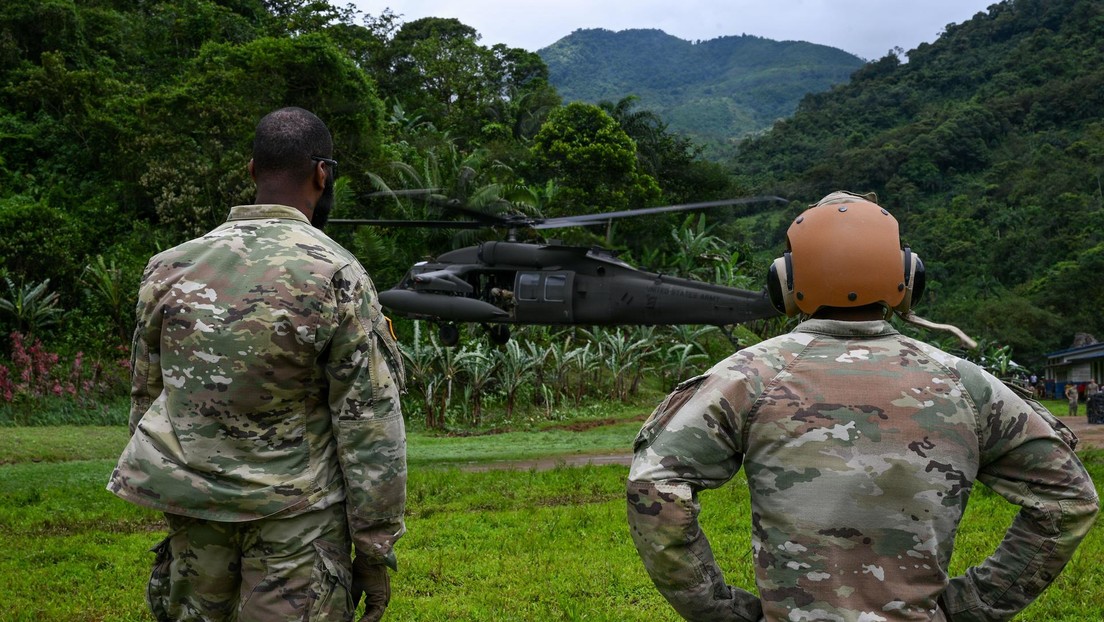
U.S. Secretary of Defense Pete Hegseth will travel to Panama next week to close multinational military exercises involving more than 20 countries aimed at strengthening security measures for the Panama Canal against potential threats, a Panamanian government official announced Monday.
This will mark Hegseth’s second visit to Panama. The U.S. defense chief is expected to arrive on August 13 for the closing ceremony of the military drills, which began this week and have been conducted in the Central American country for more than two decades to support the protection of the interoceanic waterway, according to Panama’s Security Minister Frank Ábrego.
The exercises include participation from the United States, Argentina, Brazil, Chile, Colombia, Mexico, the Netherlands, Peru and the United Kingdom, among other nations.
“The canal is a strategic infrastructure that connects markets and supports global supply chains. Its security and uninterrupted operation are of fundamental importance for Panama, the United States and the international community,” said U.S. Ambassador to Panama Kevin Marino Cabrera.
The drills include maritime training operations, exercises in jungle areas surrounding the canal, as well as virtual simulations focused on cybersecurity and strategic planning.
The Panama Canal, one of the world’s most important trade routes, handles approximately 5% of global maritime commerce, making its security a priority for international trade and logistics networks.
Ábrego emphasized that preparedness and international coordination are essential to maintaining stability.
“The best way to preserve peace and guarantee the continuity of global trade is to be prepared to respond in a coordinated and effective manner to any threat,” the Panamanian official said.
Central America
Prosecutors Accuse Ex-Defense Minister of Undermining Press Freedom in Honduras
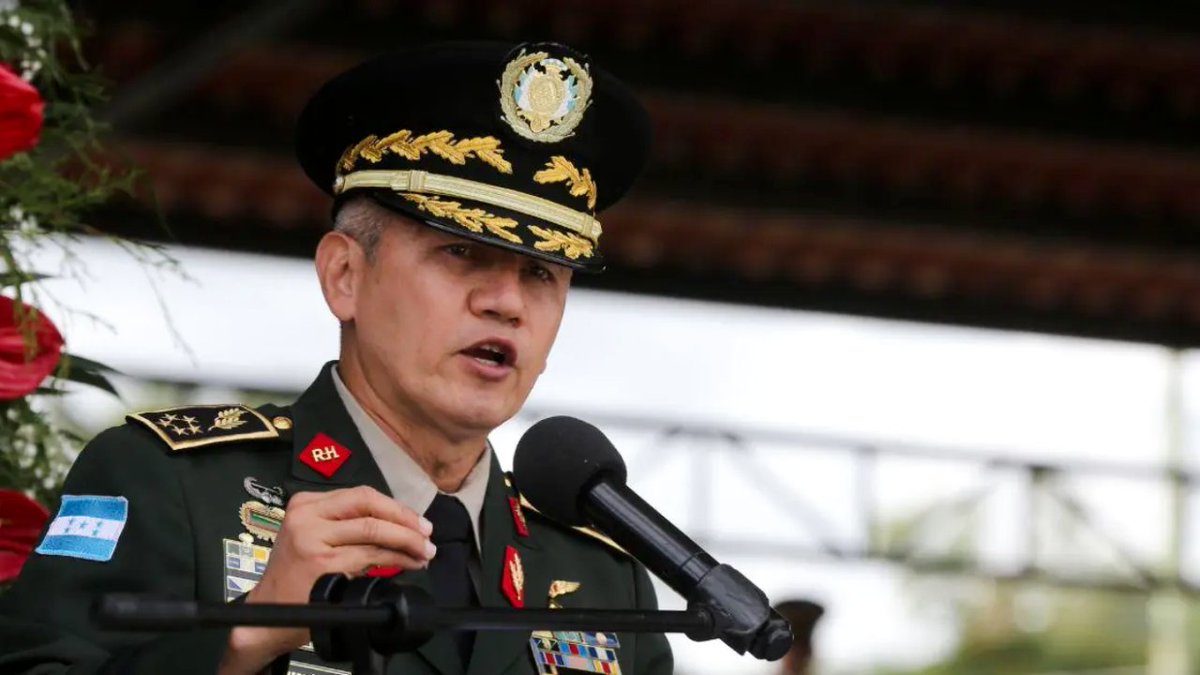
Honduras’ Public Prosecutor’s Office on Wednesday filed criminal charges against retired General Roosevelt Hernández, the country’s former defense minister and former chief of the Joint Chiefs of Staff, over his alleged role in actions that prosecutors say undermined press freedom and freedom of expression.
Prosecutors said the case was brought by the Special Prosecutor’s Office for the Protection of Journalists, Social Communicators, Human Rights Defenders and Justice Officials following an investigation into content published between 2025 and 2026 on a digital media platform operated by the Honduran Armed Forces.
According to the investigation, the publications were reported by journalists and the Honduran Journalists Association (CPH), which described them as part of an alleged campaign to discredit members of the press and media organizations.
The case dates back to May 2025, when the CPH filed complaints with national and international organizations after the Armed Forces referred to three journalists as “hitmen” in an article published by FF.AA. Digital. The association argued that the publication endangered the journalists’ safety and constituted an attack on press freedom.
The journalists identified in the publication as “hitmen of the truth” were Rodrigo Wong Arévalo, director of the television news program Abriendo Brecha; Dagoberto Rodríguez, director of Radio Cadena Voces; and Juan Carlos Sierra, president of the Honduran Journalists Association. The article also included photographs of the three journalists and the CPH’s logo.
The Public Prosecutor’s Office said the case file includes formal complaints, pretrial investigative proceedings, a specialized forensic analysis of audiovisual and digital material, and witness testimony gathered during the investigation to determine whether the publications violated freedom of expression and the exercise of journalism.
Authorities emphasized that freedom of the press and freedom of expression are protected under the Honduran Constitution as well as international treaties ratified by the country.

German Authorities Investigate More Than 100 New Cases Against Convicted Nurse

Venezuela Raises Earthquake Death Toll to 6,301

CEAPI Backs Colombia’s New Government and Calls for Greater Public-Private Cooperation
Tec de Monterrey honors one of its students for his contribution to nanotechnology in medicine

Defense Minister commends salvadoran soldier for Central American Cross Country victory

Extension of the state of emergency approved in southern Chile
-
 International5 days ago
Appeals Court blocks Trump’s White House ballroom project without congressional approval
-
 International4 days ago
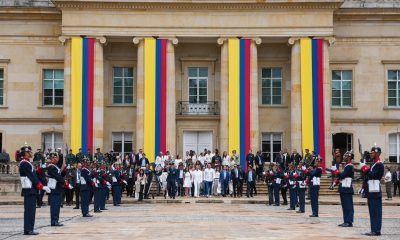
Abelardo de la Espriella sworn in as Colombia’s president for 2026-2030
-
 International5 days ago
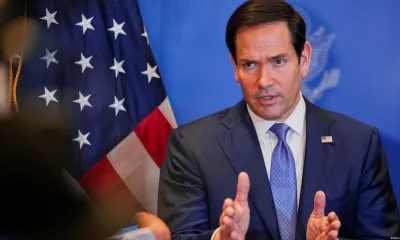
Rubio warns Cuba U.S. pressure campaign will continue through Trump’s term
-
 International4 days ago
US announces $1 billion security assistance package for Colombia under new government
-
 International3 days ago
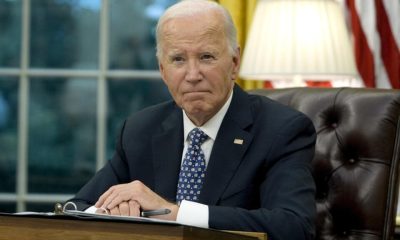
Joe Biden’s Prostate Cancer Has Spread to His Bones, Son Hunter Reveals
-
 International2 days ago
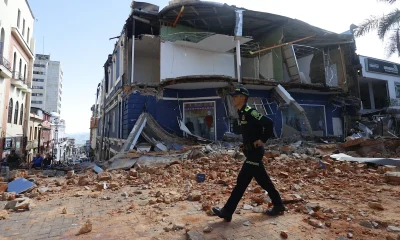
Colombia Earthquake Leaves at Least 22 Dead as Rescue Efforts Continue
-
 International22 hours ago
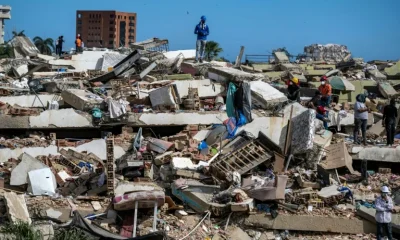
Venezuela Raises Earthquake Death Toll to 6,301
-

 International2 days ago
Record 230 Migrants Cross English Channel to UK in Single Boat
-
 International22 hours ago
CEAPI Backs Colombia’s New Government and Calls for Greater Public-Private Cooperation
-
 International22 hours ago
German Authorities Investigate More Than 100 New Cases Against Convicted Nurse