
International
Murder rate plummets amid ‘gangster peace’ in Medellin
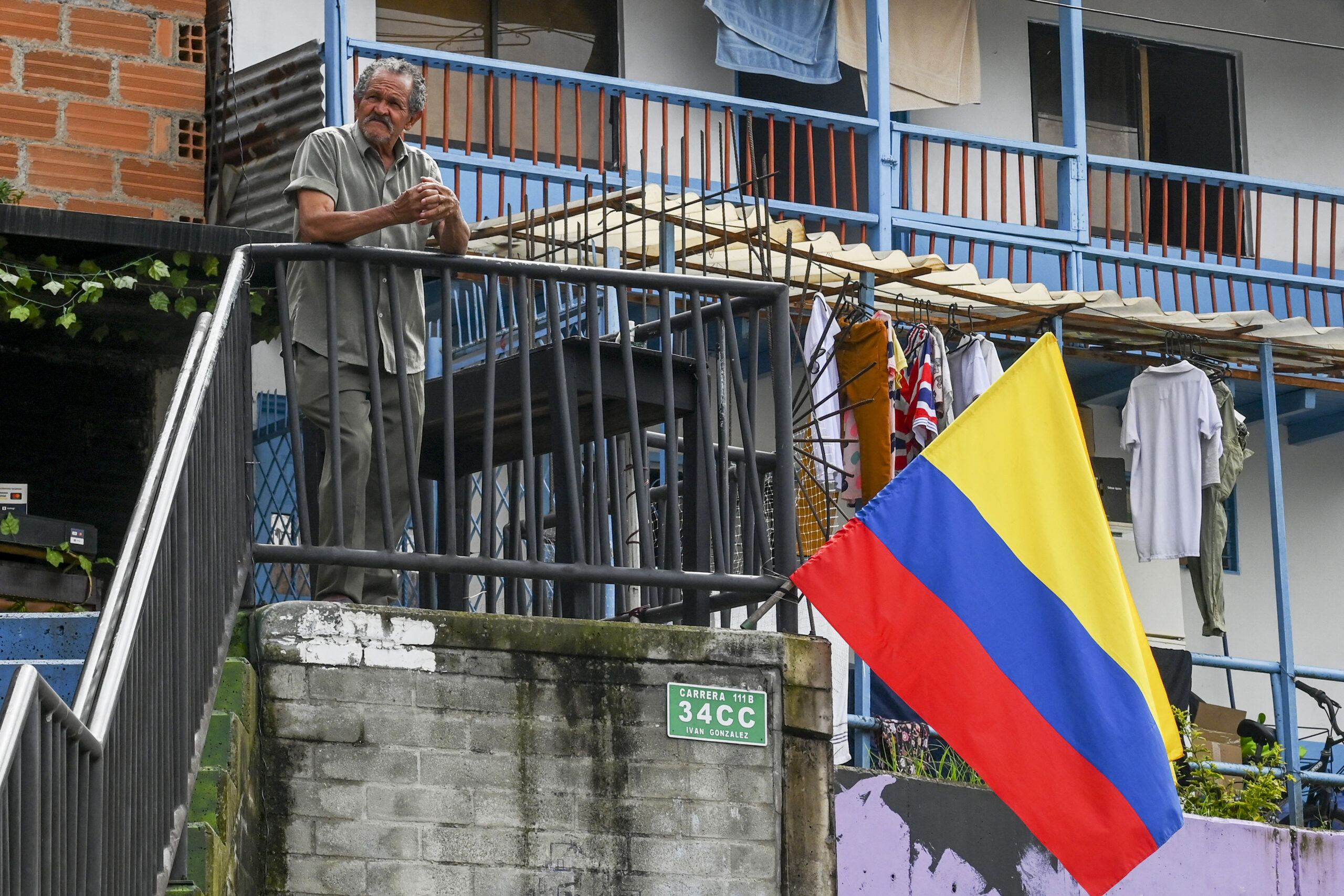
AFP | Hervé Bar
Seven days without a single murder: The month of August marked a security record for Colombia’s second city Medellin, the onetime fiefdom of infamous drug lord Pablo Escobar.
“In Medellin, security is measured in lives” saved, said Mayor Daniel Quintero as he welcomed the breakthrough.
Medellin has seen a vertiginous drop in homicides by 97 percent in the 30 years since Escobar’s death, transforming what used to be one of the most violent cities in the world into a popular tourist destination.
The success is attributed in large part to an unofficial but mutually beneficial understanding between narco gangs, paramilitaries and the security services.











“Peace is good for business,” explained Medellin drug dealer “Joaquin” (not his real name) of the traffickers’ motivation for avoiding violence.
Joaquin is 37 years old — two of those spent behind bars. He wears an oversized baseball cap and sagging jeans.
A Beretta pistol peaks out from under his hoodie.
Joaquin is a “capo,” a junior boss supervising drug trafficking in the streets of “Comuna 6,” a poor neighborhood perched on a mountain slope in Medellin’s northwest.
He belongs to a gang, which he declined to name, that follows the rules imposed by an organized crime “federation” known as the “Oficina de Envigado” or the “Office of Envigado” after the name of a nearby town.
Joaquin claimed the Oficina and its member gangs acted “in solidarity with the community.”
This included meting out “parallel justice” when the system fails them.
“Escobar? He was much too violent. Too many deaths for nothing,” Joaquin told AFP.
‘The population with us’
“Everyone lives in peace on our territory,” said the capo, keen to portray himself as a good Samaritan.
“We do not want to frighten the traders and the people. We need the population with us.”
Thirty years after Escobar was shot dead on a Medellin rooftop while trying to evade capture, the drug trade still dominates many poor neighborhoods of the city of nearly three million people.
A stone’s throw from a football pitch where mothers watch their children play, heavy foot traffic at a small, nondescript house indicates the presence of a drug den.
A black garbage bag covers the window where money trades hands. The purchased merchandise drops down from another floor in a tin can on the end of a string.
A variety of product can be found here: marijuana, cocaine and “tucibi” or “basuco” — two cheap and particularly toxic new drugs akin to unrefined “crack.”
“Everything is organized, it’s like a business. There are those who take care of the sale, the logistics, the soldiers. The bosses pay our salaries, we do the job,” said Joaquin.
He and his colleagues move with incredible ease and assurance through the maze of sloping alleys and small, rickety brick houses. Neighborhood teenagers skulk around, acting as security.
Joaquin and his accomplices pop into one shop after another, shaking hands with acquaintances everywhere while they casually slip a gun into a bag here, deliver a package there.
For the most part, Medellin’s dealers are able to operate in peace due to an understanding among rival gangs as well as with members of the security forces — many of them on the take.
As long as they keep the streets peaceful, the gangs say police turn a blind eye to their lucrative illegal dealings.
Joaquin calls it a “gangster peace.”
“There is nothing better than peace,” added “Javier,” an associate who met up with Joaquin and another colleague in a squatted house.
They pack out their guns on a table between religious trinkets in a filthy, lightless living room where horse posters vie with a crude rendition of the Last Supper on the wall.
“Every group manages its territory as it wishes… The bosses talk among themselves. Everything is arranged calmly,” said Javier.
‘City of bandits’
After Escobar’s demise, the face of organized crime in Medellin changed. Long controlled by a single cartel, the drug trade is now shared between several gangs under the umbrella of the Office.
The gangs had previously collaborated with paramilitary groups and the security forces to help bring an end to Escobar’s Medellin Cartel and oust leftist guerrilla groups that had tried to fill the power void it left.
As things settled down and every group found its place in the new reality, Medellin’s homicide rate dropped from 350 per 100,000 inhabitants in 1992 to 10.2 per 100,000 so far this year — nearly half the national average.
“The armed groups set the peace and war agenda in the city,” said Luis Fernando Quijano, director of the Corporation for Peace and Social Development, an NGO.
Colombia’s new leftist president, Gustavo Petro, has vowed to bring “total peace” to conflict- and crime-ridden Colombia, including by offering an amnesty to gangsters willing to give themselves up and abandon the trade.
“We are willing to listen. We will do what the bosses decide,” Pedro said of the plan.
But for Joaquin, “to think that everyone will give themselves up is a dream.”
“Never forget one thing: Medellin is and will always be the city of bandits,” he insisted.
-
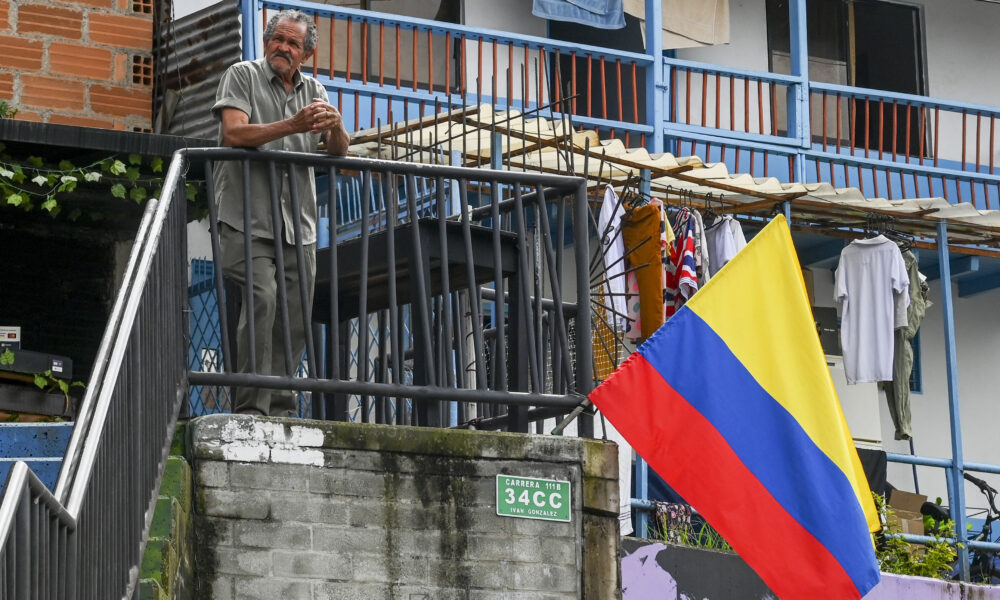
A local man rests on a balcony at the Comuna 13 neighbourhood in Medellin, Colombia, on September 28, 2022. - One word sums up the history of Medellin over the last twenty years: metamorphosis. After the dark decades of 1970-2000, Colombia's second-largest city is now a transformed, peaceful, dynamic, and attractive city. And one neighborhood, more than any other, symbolizes this renaissance: the famous "Comuna 13". (Photo by JOAQUIN SARMIENTO / AFP)











International
Nicolás Maduro’s Son Calls U.S. Trial Against His Father and Cilia Flores “Unjust”
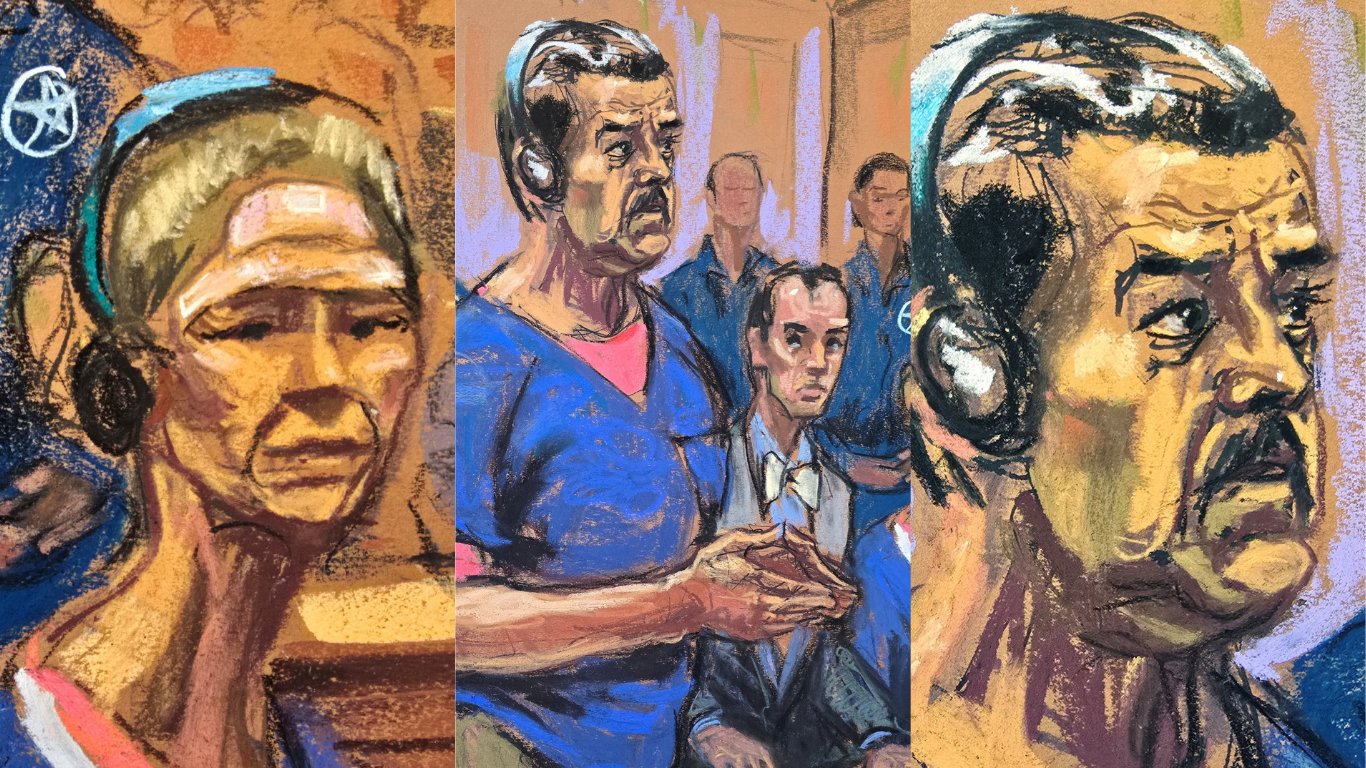
Venezuelan lawmaker Nicolás Maduro Guerra on Wednesday described as “unjust” the legal proceedings in the United States against his father, ousted Venezuelan President Nicolás Maduro, and his wife, Cilia Flores, following their capture in Caracas on January 3 by U.S. forces.
“Faced with the unjust trial taking place today, the people raised their voices with a single demand: We demand the immediate release of President Nicolás Maduro and the First Lady,” Maduro Guerra wrote on his Instagram account.
The lawmaker attended a rally in Caracas where supporters of the ruling United Socialist Party of Venezuela (PSUV)gathered to show support for the former president, who faces charges in the United States including conspiracy to commit narco-terrorism and cocaine importation. Flores is accused of crimes related to drug trafficking and weapons possession.
The event was also attended by PSUV Vice President for Mobilizations and Events Nahum Fernández and Caracas Mayor Carmen Meléndez, according to photos shared by Maduro’s son.
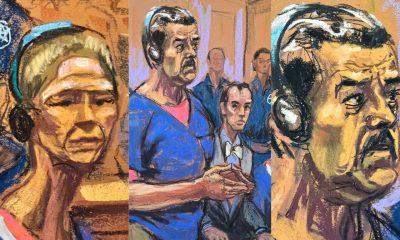
The third hearing in the case against Maduro and Flores concluded Wednesday at a federal court in New York after lasting only about 18 minutes. During the hearing, the judge preliminarily set June 2027 as the expected start date for the trial.
One of the main arguments from the defense will focus on immunity. Maduro’s lead attorney, Barry Pollack, who has also represented WikiLeaks founder Julian Assange, said the defense plans to request immunity for both defendants, arguing that Maduro was serving as head of state and Flores as first lady at the time of their detention.
Both Maduro and Flores pleaded not guilty during their first court appearance in New York on January 5.
Meanwhile, Venezuela’s interim president Delcy Rodríguez, who assumed power after Maduro’s capture, has not yet commented on Wednesday’s hearing in the United States.
International
Mexico Files 20 Complaints in U.S. Over Deaths of 17 Citizens During ICE Operations
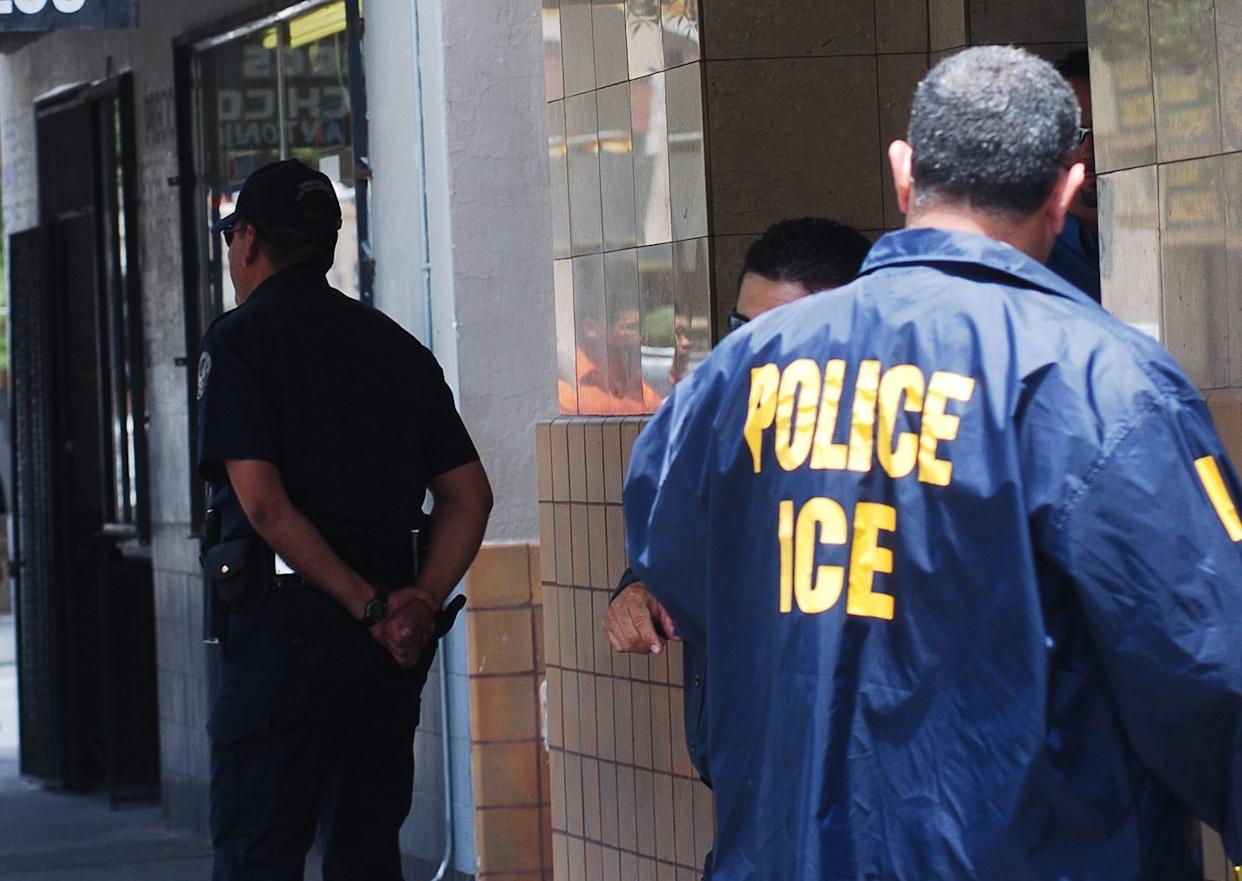
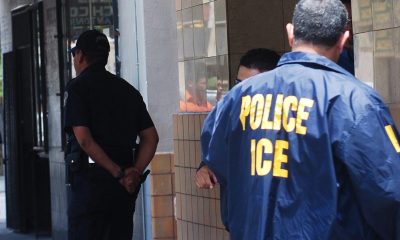
The Mexican government announced that it has filed 20 legal complaints across different jurisdictions in the United States seeking investigations into the deaths of 17 Mexican citizens who died since May 2025 during immigration enforcement operations or while in the custody of the U.S. Immigration and Customs Enforcement (ICE).
Mexico’s Secretariat of Foreign Affairs (SRE) reported that the complaints were submitted on July 13 by Mexico’s ambassador to the United States, Roberto Lazzeri. Of the total, eight cases were filed with state prosecutors’ offices and 12 with county prosecutors’ offices in Arizona, California, Florida, Georgia, Illinois, Louisiana, Missouri, and Texas.
According to the Mexican government, the legal actions seek to clarify the circumstances surrounding each death and determine whether any immigration authorities may bear responsibility.
During meetings with representatives from the Department of Homeland Security (DHS) and ICE, Ambassador Lazzeri expressed Mexico’s concerns over conditions in immigration detention centers, including privately operated facilities, and requested thorough investigations into every case.
In addition to the complaints filed in the United States, Mexico’s Foreign Affairs Ministry sent a communication to United Nations High Commissioner for Human Rights Volker Türk, informing him of the deaths and requesting that the UN gather information, assess the situation under international human rights standards, and issue recommendations to prevent similar incidents.
The SRE also stated that Mexico’s consular network continues to provide support to the families of the deceased citizens, including legal assistance, help with repatriation of remains, and other procedures requested by relatives.
The announcement comes after the death of Lorenzo Salgado Araújo, a Mexican citizen who died after being shot by ICE agents during an immigration operation in Texas. The case has gained additional attention after a federal judge in Houston ordered a halt to the deportation of José Trinidad Rojas Pliego, considered a key witness in the incident.
Mexican authorities reiterated that they will continue using all available legal and diplomatic mechanisms to monitor the investigations and defend the rights of Mexican citizens in U.S. territory.
International
India Approves New Dengue Vaccine as Global Cases Continue to Rise
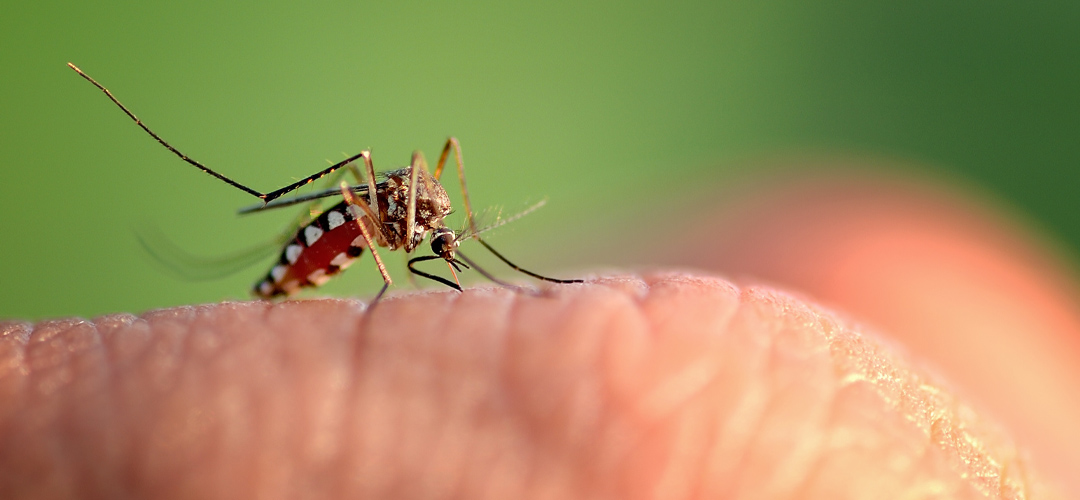
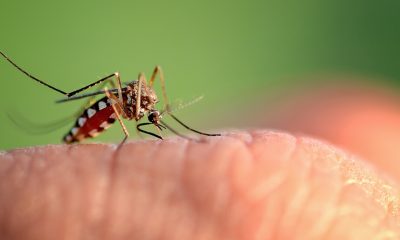
India has approved a new dengue vaccine as health authorities seek to strengthen prevention efforts against a mosquito-borne viral disease that affects millions of people worldwide every year.
According to the World Health Organization (WHO), half of the global population is currently at risk of contracting dengue, which causes between 100 million and 400 million infections annually.
Since 2021, India has recorded more than one million dengue cases, including at least 1,500 deaths.
The virus can cause high fever, severe headaches, muscle pain, nausea, skin rashes and, in rare cases, internal bleeding and death.
The vaccine, authorized by India’s Central Drugs Standard Control Organization (CDSCO), was developed by Japanese pharmaceutical company Takeda. The Indian Health Ministry said the vaccine is recommended in two doses for people between 4 and 60 years old.
The treatment has already been approved by health authorities in around 40 countries worldwide.
Meanwhile, Indian pharmaceutical company Panacea Biotec has begun the final phase of clinical trials for a single-dose dengue vaccine, aiming to provide another prevention option against the disease.
Brazil recently announced the suspension of the use of another single-dose dengue vaccine developed in the country after two suspected deaths were reported.

Nicolás Maduro’s Son Calls U.S. Trial Against His Father and Cilia Flores “Unjust”

Mexico Files 20 Complaints in U.S. Over Deaths of 17 Citizens During ICE Operations

India Approves New Dengue Vaccine as Global Cases Continue to Rise
Tec de Monterrey honors one of its students for his contribution to nanotechnology in medicine

Defense Minister commends salvadoran soldier for Central American Cross Country victory

Extension of the state of emergency approved in southern Chile
-

 International2 days ago
Controversial Pesticide Law Passes in France, Sparking Ecological Concerns and Ministerial Fallout
-
 International4 days ago
Ten Bodies Found in Mexico’s Zacatecas State Amid Security Operation
-

 International3 days ago
Iran Says It Is in “Full-Scale War” as U.S. Launches Ninth Consecutive Night of Airstrikes
-

 International3 days ago
French Parliament Moves to Approve Social Media Age Limit for Minors
-
 International2 days ago
U.S. Sends First Humanitarian Aid Flight to Cuba Amid Ongoing Tensions Between Both Governments
-
 International3 days ago
WHO to Hold New Round of Talks After Slow Progress on Pandemic Accord
-

 Sports2 days ago
MLS Awaits Blockbuster Debuts as Griezmann and Lewandowski Join the Spotlight
-
 International2 days ago
India Approves New Dengue Vaccine as Global Cases Continue to Rise
-
 International11 hours ago
Nicolás Maduro’s Son Calls U.S. Trial Against His Father and Cilia Flores “Unjust”
-
 International11 hours ago
Mexico Files 20 Complaints in U.S. Over Deaths of 17 Citizens During ICE Operations