
International
Spain reduces the escalation of tension with Caracas in the midst of the diplomatic crisis
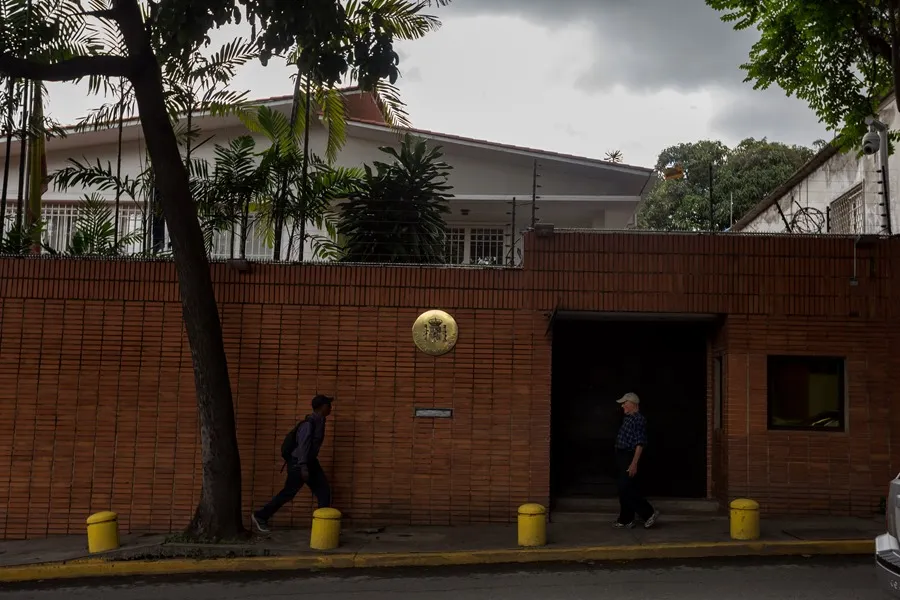
The Spanish Government chose this Friday to lower the escalation of tension between Caracas and Madrid and described as “sovereign” the decision of Venezuelan President Nicolás Maduro to summon the Spanish ambassador to the country and call his representative in the Spanish capital for consultations.
“Convening an ambassador and calling for consultations are sovereign decisions of each State and therefore, there is nothing to comment on,” said the Spanish Minister of Foreign Affairs, José Manuel Albares, in an interview with the public broadcaster Radio Nacional.
Albares thus responded to Maduro’s decision to call his ambassador in Spain, Gladys Gutiérrez, for consultations and summon the Spanish ambassador in Caracas, Ramón Santos, for what he considers “insolent, interent and rude statements” made by the Spanish Minister of Defense, Margarita Robles.
The PP calls for the withdrawal of the Spanish ambassador in Caracas
On Thursday, Robles described the government of Nicolás Maduro as a “dictatorship” and referred to Venezuelans who have left their country as “victims of restriction, violence, lack of democracy and lack of freedom.”
Comments on which the Spanish Government has not spoken out, but which have been applauded by the right because they are “the pure truth,” in the words of the leader of the conservative Popular Party Esteban González Pons, who has come to ask for the withdrawal of the Spanish ambassador in Caracas.









The head of Spanish diplomacy insisted on the will of the Executive to seek “the best possible relations with the brotherly people of Venezuela” and to ensure the interests of the community and national companies in the South American country.
A message of tranquility to which the Minister of Economy, Carlos Cuerpo, joined, who guaranteed that the Spanish Government “will defend its interests in case this were necessary.”
Venezuelan opposition leader Juan Pablo García was also convinced, in statements to EFE, that the crisis will not worsen because “the Maduro regime is not interested in breaking relations with Spain or Spain with Venezuela.”
“The diplomatic crisis is nothing more than a way to divert attention from what is really important, that is, the need for Spain to recognize Edmundo González as elected president,” said García, a member of the leadership of the Vente Venezuela (VV) movement.
Spain and the EU insist on the election minutes
The escalation of tension between Caracas and Madrid comes after the President of the Spanish Government, Pedro Sánchez, received on Thursday the flag bearer of the Venezuelan opposition Edmundo González Urrutia, who has asked for political asylum in Spain.
Sánchez will not recognize, for the moment, González Urrutia as elected president of Venezuela, as requested by the Spanish Congress, which this week approved the proposal at the request of the conservative Popular Party, the far right and nationalist groups.
Aligned with Brussels, Sánchez insists that Maduro must show the minutes of the July 28 elections that, according to the Venezuelan opposition, accredit the defeat of Chavismo.
At a press conference in Madrid, the high representative for EU Foreign Policy, the Spaniard Josep Borrell, recalled that the community bloc cannot recognize Governments or States because it is a power of the Member States, but what it can do is “recognize the democratic legitimacy of those who hold power, territorial control, the army, the police …”.
That control, “in fact, was Maduro’s before the elections and still Maduro’s after the elections. But we do not consider him a person who can claim democratic legitimacy from the power he holds,” he added.
Venezuela warns that it will not allow “interference”
The Foreign Minister of Venezuela, Yván Gil, told the Spanish ambassador in Caracas that the Caribbean country will not allow “any intervention action by the Government of Spain in matters that are the exclusive competence of Venezuelans.”
“The Government of Venezuela will adopt the necessary measures, within the framework of international law and Bolivarian diplomacy of peace to protect its sovereignty,” says the foreign minister’s note shared on Telegram.
For his part, the former president of Bolivia Evo Morales, an ally of the Maduro government, condemned the pronouncement of the Spanish Parliament that “medles in the internal affairs of Venezuela” and regretted that Spain “becomes a refuge of the Latin American right that continues to conspire against democracies” in the region.
“They have to realize that we are not in Cologne times. Spain does not have the authority to ignore any president,” he wrote on the social network X.
Pressure on Maduro is growing
Since his arrival in Madrid on Sunday, González Urrutia has maintained a low profile, although he has multiplied his political contacts with meetings such as those held this Friday with former presidents Mariano Rajoy (PP) and Felipe González (socialist).
While from the ranks of the Spanish right the pressure increases to act against Maduro: The PP trusts that next week the European Parliament will recognize Edmundo González as the winner of the elections and the far-right Vox asks the Government to seize property of members of the Venezuelan regime of Nicolás Maduro in Spain.
International pressure is growing on Venezuela after the sanctions announced on Thursday by the United States against 16 officials, including members of the Supreme Court of Justice (TSJ), the National Electoral Council (CNE) and Parliament, for “falsely” proclaiming Maduro as the winner of the July elections.
In the same vein, Borrell called for specific sanctions to be applied to Maduro and his inner circle, his families and all those responsible for human rights violations in the country.






International
Security Council to Hold Emergency Meeting on Middle East Crisis
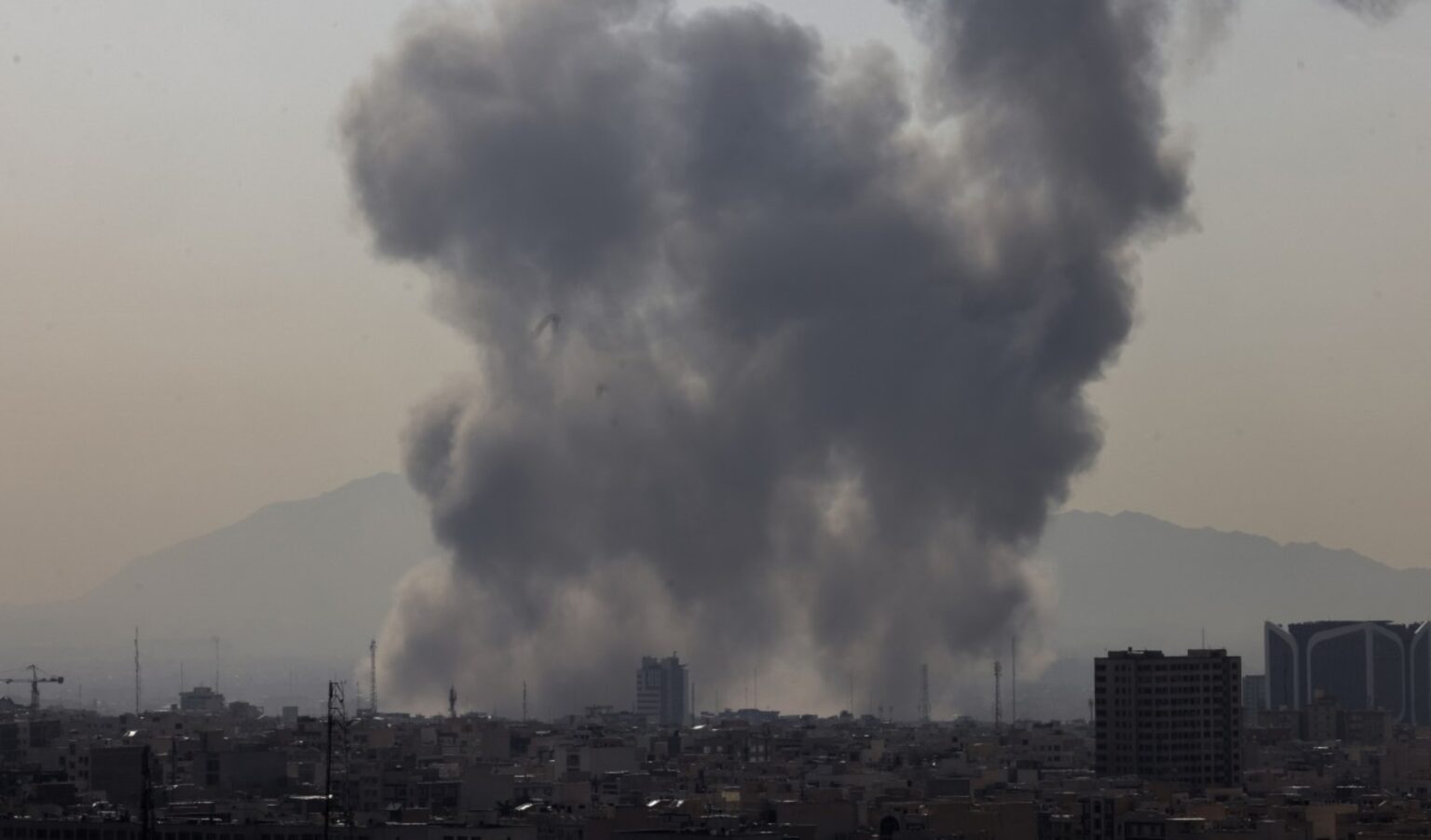
UN Secretary-General António Guterres on Saturday condemned the “military escalation in the Middle East” following attacks by the United States and Israel against Iran and Tehran’s retaliatory strikes, just hours before an urgent meeting of the UN Security Council.
“I call for the immediate cessation of hostilities and de-escalation,” Guterres said in a statement.
The Security Council is scheduled to meet on Saturday at 21:00 GMT (4:00 p.m. in New York) to address “the situation in the Middle East,” the United Nations announced.
The meeting, during which Guterres will deliver remarks, was convened at the request of France, Bahrain, Colombia, Russia and China, according to a diplomatic source.
International
Trump Floats “Friendly Takeover” of Cuba Amid Rising Tensions
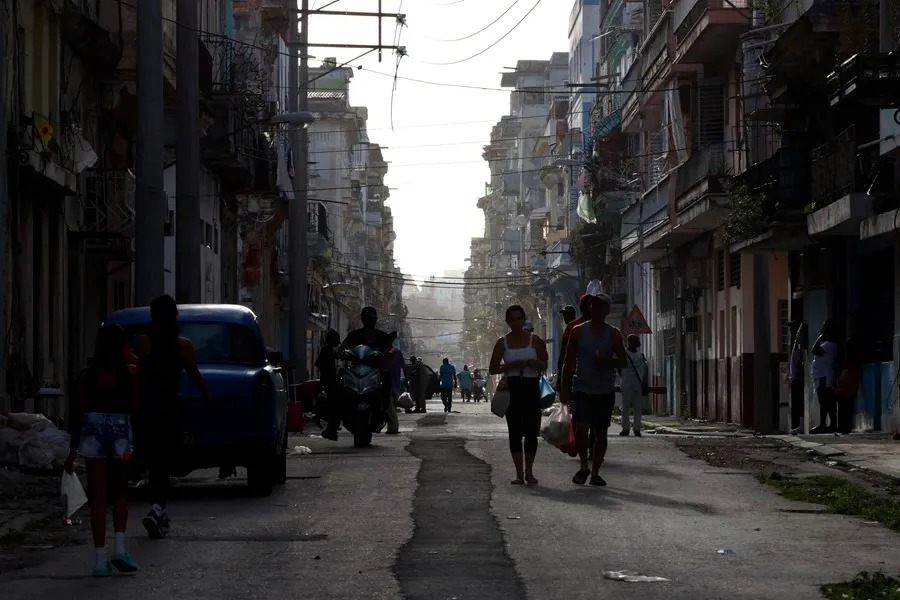
U.S. President Donald Trump said Friday that his administration is considering what he described as a “friendly takeover” of Cuba, as Washington continues to increase pressure on the island’s communist government.
“The Cuban government is talking to us and they have very serious problems, as you know. They have no money, they have nothing at this moment, but they are talking to us and maybe we will see a friendly takeover of Cuba,” Trump told reporters as he departed the White House for a trip to Texas.
Earlier in the week, U.S. Secretary of State Marco Rubio said Cuba needed a “radical change,” shortly after Washington eased restrictions on oil exports to the island for what officials described as “humanitarian reasons,” amid a deep economic crisis.
The United States has imposed an energy blockade on Cuba since January, citing what it calls an “extraordinary threat” posed by the communist-run island, located roughly 150 kilometers (90 miles) off the coast of Florida, to U.S. national security.
International
Argentina’s Senate Reviews Milei-Backed Labor Overhaul
Argentina’s Senate on Friday began reviewing the Labor Modernization Law promoted by the administration of President Javier Milei, a proposal that would significantly reshape labor rules across the country.
The upper chamber opened its final discussion of the contentious initiative, which revises the method used to calculate severance payments — lowering the amounts owed in dismissal cases — and introduces an “hour bank” mechanism that allows overtime to be offset with paid leave rather than extra wages.
The legislation also broadens the classification of essential services, a change that would place new limits on the right to strike in designated sectors.
The bill was initially approved by the Senate on February 11 and then moved to the Chamber of Deputies, where lawmakers passed it with amendments. It has now returned to the Senate for definitive approval.
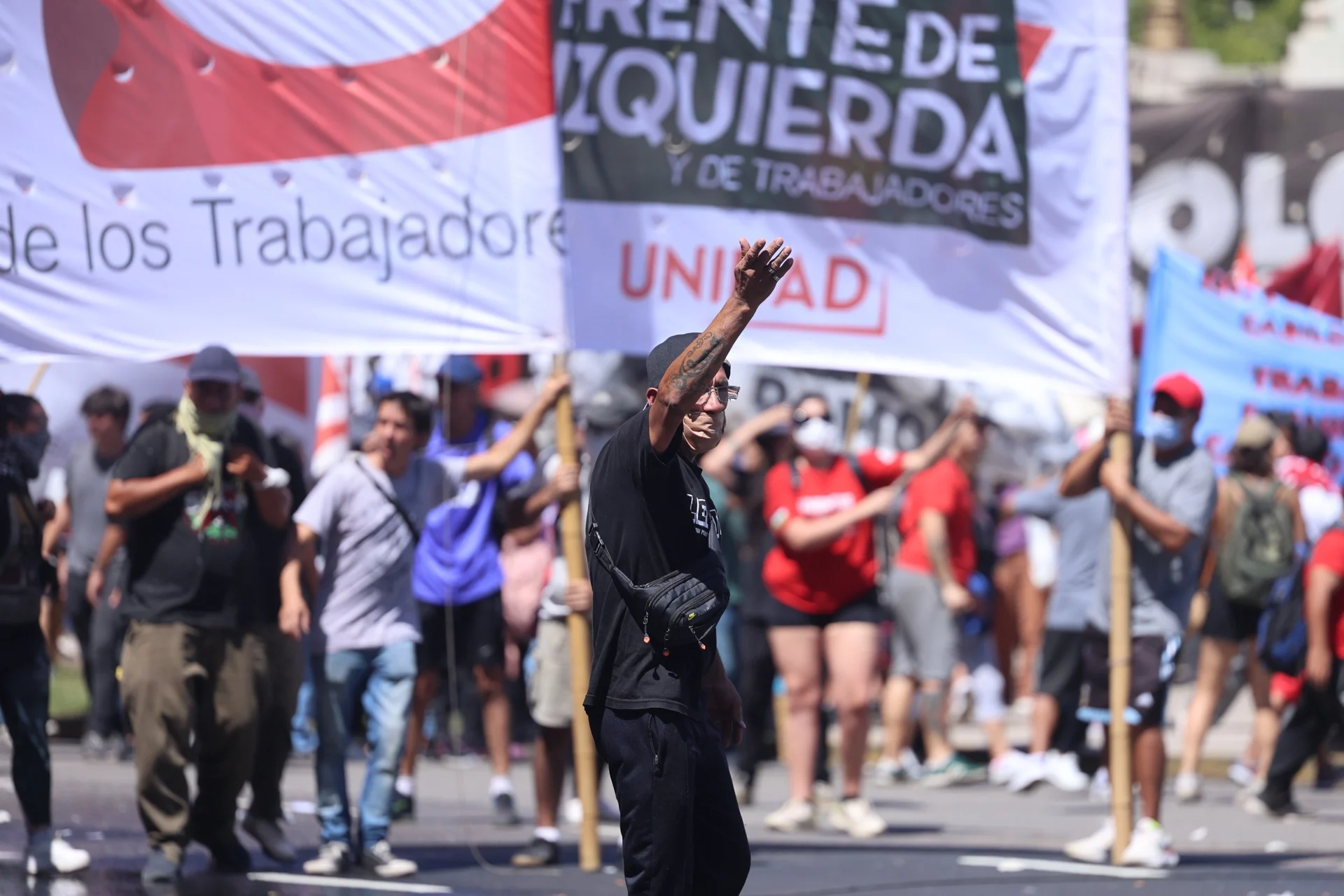
Outside the Congress building in Buenos Aires, workers, trade unions and left-wing organizations staged demonstrations beginning at midday. The gathering later thinned out amid reports of disturbances and a strong police presence. Security forces had secured the area surrounding the legislature since early morning hours.
Union leaders contend that the reform weakens labor protections, while many business representatives back the measure but stress that sustainable formal employment will require economic expansion, improved credit conditions, greater investment and a more dynamic domestic market.

Security Council to Hold Emergency Meeting on Middle East Crisis

Trump: ‘We Think It’s True’ Amid Claims Iran’s Supreme Leader Was Killed

Trump Floats “Friendly Takeover” of Cuba Amid Rising Tensions
Tec de Monterrey honors one of its students for his contribution to nanotechnology in medicine

Defense Minister commends salvadoran soldier for Central American Cross Country victory

Extension of the state of emergency approved in southern Chile
-
 International3 days ago
Family of “El Mencho” Seeks Return of Body After Deadly Military Operation
-

 International3 days ago
Larry Summers Steps Down from Harvard Role Amid Epstein Controversy
-

 International3 days ago
Iran’s President Optimistic Ahead of Geneva Nuclear Talks with U.S.
-
 International3 days ago
Bill Gates Admits “Serious Mistake” Over Epstein Ties
-
 International3 days ago
Stephen Hawking Photo Appears in Newly Released Epstein Documents
-

 International2 days ago
Cocaine Production Surges 34% in 2023 as Market Expands into Africa and Asia
-
 International2 days ago
Federal Judge Blocks Trump Policy Allowing Deportations to Third Countries
-
 International2 days ago
Clinton Accuses Republican Committee of Using Epstein Case to Shield Trump
-
 International1 day ago
Trump Floats “Friendly Takeover” of Cuba Amid Rising Tensions
-
 International1 day ago
Argentina’s Senate Reviews Milei-Backed Labor Overhaul
-
 International7 hours ago
Security Council to Hold Emergency Meeting on Middle East Crisis
-
 Sin categoría7 hours ago
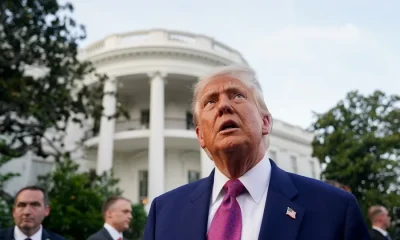
Trump: ‘We Think It’s True’ Amid Claims Iran’s Supreme Leader Was Killed