
International
Washington and London leave in the air the authorization to use their missiles against Russia
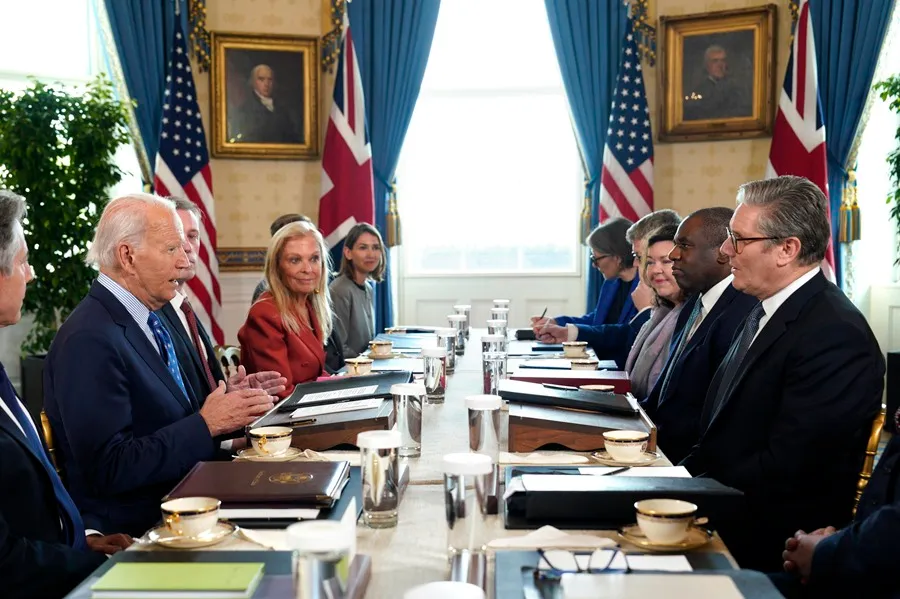
The President of the United States, Joe Biden, and the British Prime Minister, Keir Starmer, reaffirmed their support for Ukraine this Friday, but left Kiev on embers by not announcing a decision on their request to authorize the use of long-range missiles against Russian territory.
Expectations were high around the meeting between the two leaders, although in the end the announcement that Kiev was waiting for was not made.
New debate at United Nations
In statements to the press after the meeting, Starmer said that discussions will continue with a “wider group of individuals” during the week of high-level meetings of the United Nations General Assembly in New York, to be held later this month.
“This meeting was not to make a concrete decision,” stressed Starmer, who defended Ukraine’s right to defend itself and assured that NATO will continue to support Ukraine.
The issue of the missiles did not appear either in the final statement of the meeting, in which both parties “reaffirmed their unwavering support for Ukraine while continuing to defend itself against Russia’s aggression,” nor in the statements that both leaders offered before the meeting to the media.











At that time, Biden was the first to take the floor to thank Starmer for the “leadership” that the United Kingdom has shown in the war in Ukraine and reiterated that Washington is “committed” to helping Ukraine in its defense of “Russian aggression.”
For his part, Starmer expressed his support for Ukraine in “this vital war for freedom” and said that the coming months will be “very important” for the course of the conflict.
US conditions
Hours before the meeting, Ukrainian President Volodymyr Zelensky had insisted again that Ukraine needs to attack military targets located within the Russian Federation to change the course of the war in its favor.
In addition to Ukraine, other allies on NATO’s east flank, such as Poland, want the US leader to allow Kiev to use long-range missiles to attack military targets within Russia, and Biden has been open to making some changes in the policy he has maintained so far.
The question is how far Biden will go and when he could announce a change.
So far, the Biden Government’s policy has been to support Ukraine and, since the beginning of the conflict, it has given it more than 55 billion dollars in weapons, but it has set conditions on how Kiev should use the weapons that the US delivers or that are made with American components to avoid an escalation with Russia.
Those restrictions, however, have been relaxed over time on some occasions. They are maintained in long-range missiles, but in May Biden authorized Kiev for the first time to carry out attacks on Russian territory, specifically to defend the then besieged city of Kharkiv (northeast of the country).
Putin’s warnings
A possible measure that Biden could take is to authorize Ukraine’s use of British Storm Shadow missiles to attack targets outside its territory. The United Kingdom and Ukraine would need the approval of the US president, since some components of these missiles are manufactured in the United States.
Kiev also wants authorization to use the US long-range missiles ATACMS against Russia, which Washington has already sent to Ukraine. However, White House spokesman John Kirby already warned this Friday at a press conference that Biden was not going to announce any change in US policy for the moment.
“There are no changes in our vision on the provision of long-range attack capabilities for Ukraine to use within Russia. I wouldn’t expect any important announcement about it,” he said.
One of the biggest fears in the United States remains an escalation with Russia. This week, Russian President Vladimir Putin warned that if Ukraine is authorized to use long-range missiles to hit targets on Russian territory, it would imply that NATO members, the United States and European countries would be at war with Russia.










International
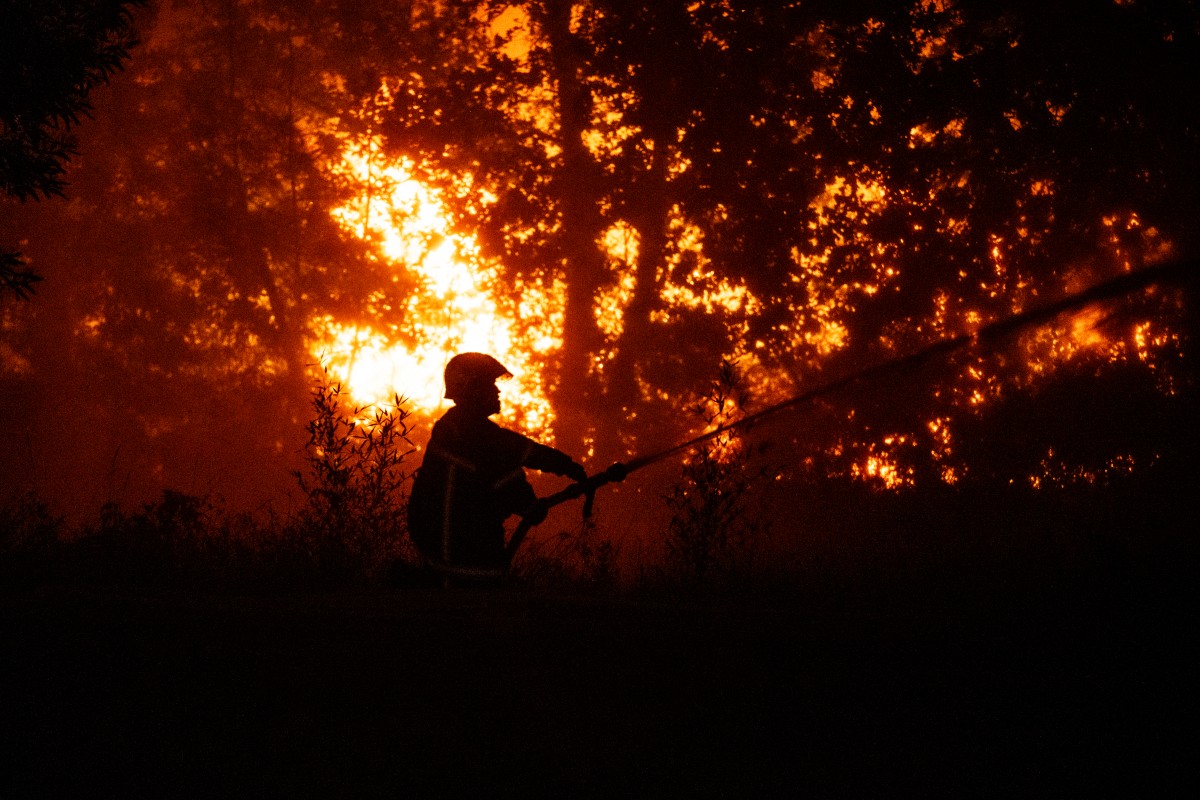
Wildfires in France Burn Nearly Three Times More Land Than in 2025, Interior Minister Says
International
Israel Says Saudi Recognition Would Mark ‘Historic Breakthrough’ for Middle East Peace
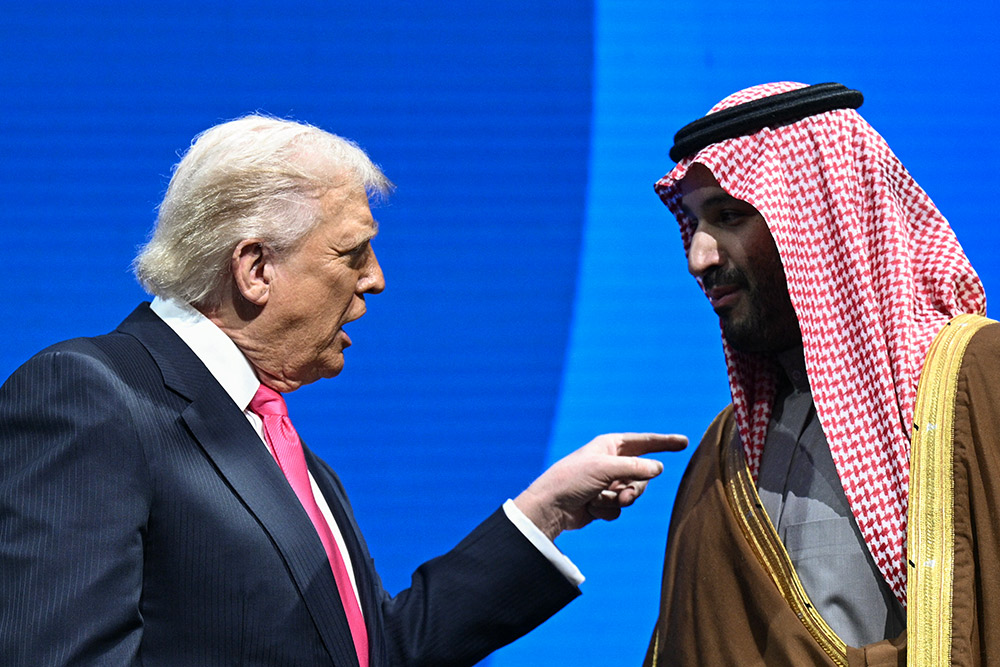
The office of Israeli Prime Minister Benjamin Netanyahu said Thursday that Saudi Arabia’s recognition of Israel would represent a “historic breakthrough” toward achieving peace in the Middle East.
The statement came after the United States and Saudi Arabia announced an agreement on Wednesday to establish a civil nuclear program in the kingdom. U.S. President Donald Trump said the initiative would be linked to Riyadh’s decision to normalize diplomatic relations with Israel.
“Saudi Arabia joining the Abraham Accords would represent a historic breakthrough toward peace in the Middle East,” Netanyahu’s office said following Trump’s announcement.
The statement added that recent developments, including joint military actions by the United States and Israel against Iran, as well as Israel’s efforts against what it described as Iran’s “terror axis,” have created new opportunities to expand regional diplomatic ties.
“The joint U.S.-Israeli military action against the genocidal regime in Tehran and Israel’s defeat of Iran’s terror axis have created the possibility of expanding the circle of peace,” the statement said.
A potential normalization agreement between Israel and Saudi Arabia would represent a major diplomatic shift in the region, as Riyadh has long been viewed as one of the key countries whose formal recognition could significantly reshape Middle Eastern relations.
International
Nicolás Maduro’s Son Calls U.S. Trial Against His Father and Cilia Flores “Unjust”
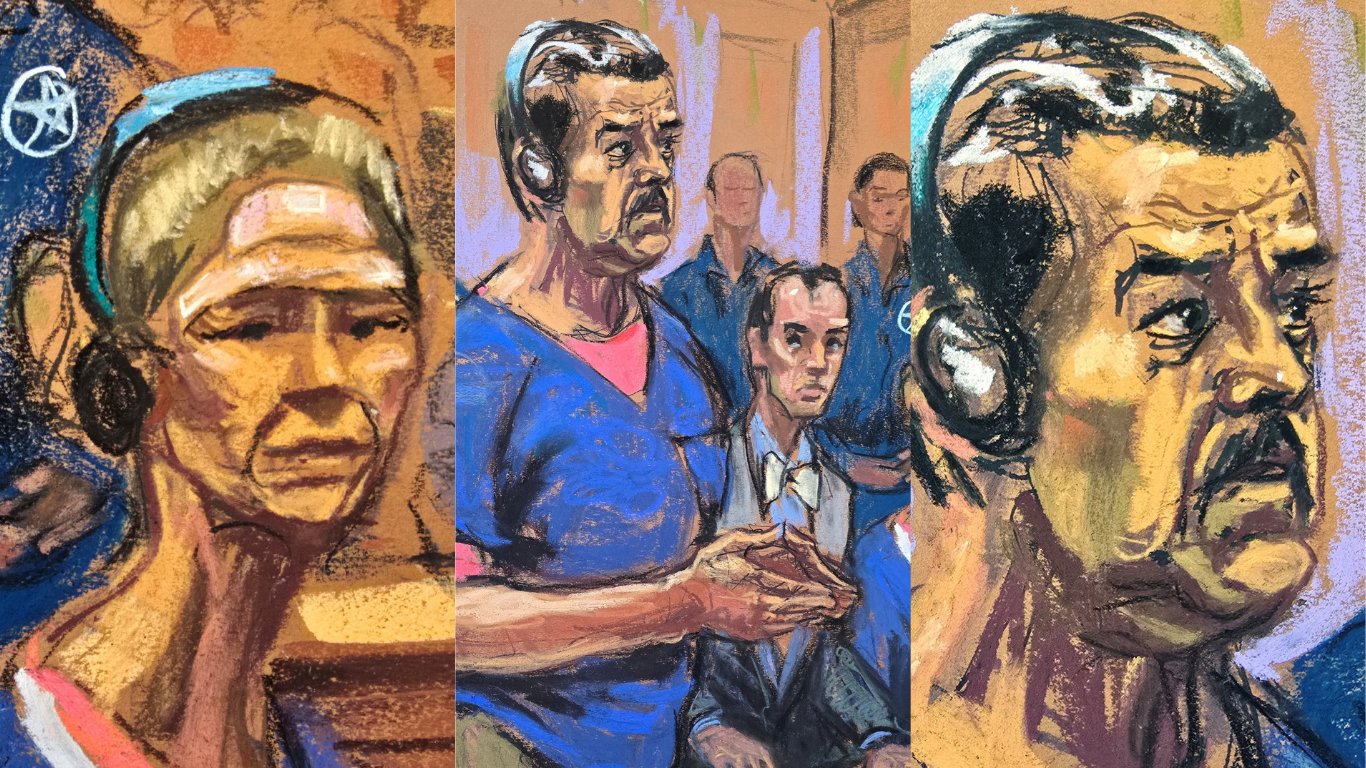
Venezuelan lawmaker Nicolás Maduro Guerra on Wednesday described as “unjust” the legal proceedings in the United States against his father, ousted Venezuelan President Nicolás Maduro, and his wife, Cilia Flores, following their capture in Caracas on January 3 by U.S. forces.
“Faced with the unjust trial taking place today, the people raised their voices with a single demand: We demand the immediate release of President Nicolás Maduro and the First Lady,” Maduro Guerra wrote on his Instagram account.
The lawmaker attended a rally in Caracas where supporters of the ruling United Socialist Party of Venezuela (PSUV)gathered to show support for the former president, who faces charges in the United States including conspiracy to commit narco-terrorism and cocaine importation. Flores is accused of crimes related to drug trafficking and weapons possession.
The event was also attended by PSUV Vice President for Mobilizations and Events Nahum Fernández and Caracas Mayor Carmen Meléndez, according to photos shared by Maduro’s son.
The third hearing in the case against Maduro and Flores concluded Wednesday at a federal court in New York after lasting only about 18 minutes. During the hearing, the judge preliminarily set June 2027 as the expected start date for the trial.
One of the main arguments from the defense will focus on immunity. Maduro’s lead attorney, Barry Pollack, who has also represented WikiLeaks founder Julian Assange, said the defense plans to request immunity for both defendants, arguing that Maduro was serving as head of state and Flores as first lady at the time of their detention.
Both Maduro and Flores pleaded not guilty during their first court appearance in New York on January 5.
Meanwhile, Venezuela’s interim president Delcy Rodríguez, who assumed power after Maduro’s capture, has not yet commented on Wednesday’s hearing in the United States.

Wildfires in France Burn Nearly Three Times More Land Than in 2025, Interior Minister Says

Israel Says Saudi Recognition Would Mark ‘Historic Breakthrough’ for Middle East Peace

Honduras Warns of Possible New Dengue Epidemic as Cases Continue to Rise
Tec de Monterrey honors one of its students for his contribution to nanotechnology in medicine

Defense Minister commends salvadoran soldier for Central American Cross Country victory

Extension of the state of emergency approved in southern Chile
-

 International5 days ago
Controversial Pesticide Law Passes in France, Sparking Ecological Concerns and Ministerial Fallout
-
 International5 days ago
U.S. Sends First Humanitarian Aid Flight to Cuba Amid Ongoing Tensions Between Both Governments
-
 Central America3 days ago
CDC Issues Level 2 Travel Alert for Costa Rica Amid Chikungunya Outbreak
-
 Sports5 days ago
MLS Awaits Blockbuster Debuts as Griezmann and Lewandowski Join the Spotlight
-

 International3 days ago
Mexico Files 20 Complaints in U.S. Over Deaths of 17 Citizens During ICE Operations
-
 International3 days ago
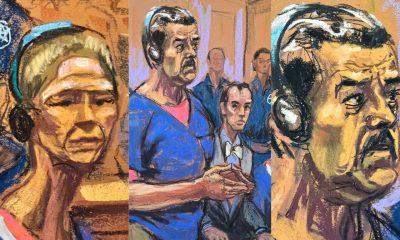
Nicolás Maduro’s Son Calls U.S. Trial Against His Father and Cilia Flores “Unjust”
-
 International1 day ago
Wildfires in France Burn Nearly Three Times More Land Than in 2025, Interior Minister Says
-
 International5 days ago
India Approves New Dengue Vaccine as Global Cases Continue to Rise
-
 Central America3 days ago
Honduras Warns of Possible New Dengue Epidemic as Cases Continue to Rise
-
 International1 day ago
Israel Says Saudi Recognition Would Mark ‘Historic Breakthrough’ for Middle East Peace