
International
Ecuador registered 173 cases of dengue fever since the beginning of the year
February 3rd |
This year alone, Ecuador has already registered 173 cases of dengue fever in the localities that make up zone 8 of the country, composed of Guayaquil, Durán and Samborondón, according to the Ministry of Public Health.
The epidemiological report of the health portfolio indicates that there are 95 patients in Guayaquil and 78 in Durán, while in Samborondón there are still no cases of this disease. Health authorities have reported a slight increase compared to the same period last year, when 162 cases were registered. In total, during 2022, there were 2,600 patients with dengue fever in these three cities.
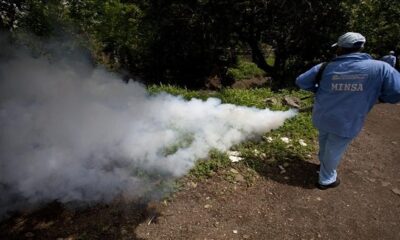
As part of the preventive and health work, brigades of the Ministry of Health travel through neighborhoods of Guayaquil to carry out evaluations of water reservoirs in homes that usually attract dengue mosquitoes.
During the rounds, health officials also check buckets, containers and other objects where water can stagnate.









The Ministry of Health has also enabled the reception of people who can attend the health centers and request a visit from the Ministry’s brigades to their neighborhoods.
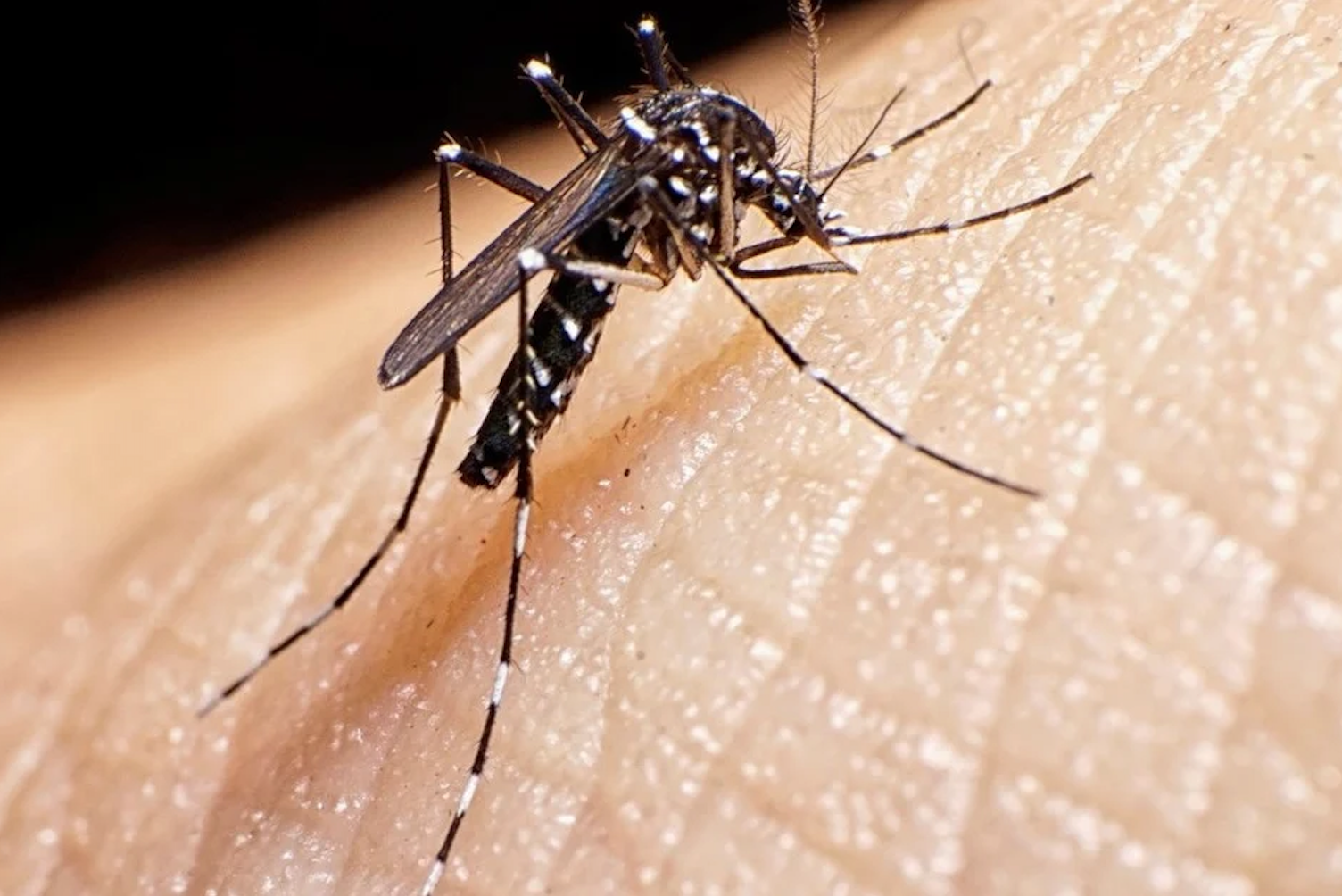
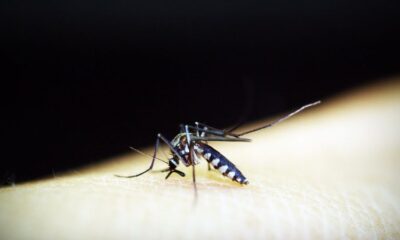
In addition, as part of their work, they tested the water found in these reservoirs and found Aedes aegypti aquatic larvae, which are vectors of tropical diseases. This is a domestic mosquito, which lives in and near houses and breeds in any artificial or natural container containing water.
The dengue-transmitting mosquito lays its eggs in artificial containers containing water, mainly barrels and tires, which are in or around houses, schools or workplaces. Aedes aegypti eggs can withstand dry environmental conditions for more than a year. This is considered one of the most important strategies the species employs to survive and spread, according to the Pan American Health Organization (PAHO).
To eliminate mosquitoes, PAHO recommends the following actions: avoid collecting water in outdoor containers (flower pots, bottles or other containers that can collect water) so that they do not become breeding sites for mosquitoes; adequately cover water tanks and reservoirs to keep mosquitoes away; avoid accumulating garbage; dispose of garbage in closed plastic bags.
Several residents of the neighborhoods of Guayaquil and Duran have testified that, due to the storm, the presence of mosquitoes increases, especially in areas with lots of vegetation such as parks, where water also accumulates.
According to PAHO, dengue is a disease transmitted by the bite of an infected mosquito and can affect people of all ages. Symptoms range from a mild fever to a disabling fever, as well as severe headache, pain behind the eyes, muscle and joint pain, and erythema – reddening of the skin.
The disease may progress and become severe. In this state there is respiratory distress or severe organ damage.
Dengue, according to PAHO, has a seasonal behavior. In countries of the Southern hemisphere, most cases occur during the first half of the year, while in the Northern hemisphere, cases occur mostly in the second half of the year. This pattern of behavior corresponds to the warmest and rainiest months.
PAHO data indicate that around 500 million people in the Americas are at risk of contracting dengue. Aedes aegypti, which is the mosquito vector for dengue, is widely distributed throughout the territory, with the exception of Canada and continental Chile, which are dengue-free. In the case of Uruguay, although the mosquito is present, no cases of dengue fever have been reported.



















































International
ICE to remain at airports amid DHS shutdown, Homan says

The U.S. “border czar,” Tom Homan, said Sunday that agents from U.S. Immigration and Customs Enforcement (ICE) will remain deployed at airports until operations return to “100% normal,” as the shutdown of the Department of Homeland Security (DHS) continues.
“We will maintain ICE presence until airports feel they are fully back to normal operations,” Homan said during an interview on Face the Nation on CBS.
Homan justified the deployment on security grounds, noting that the measure was ordered by President Donald Trumpamid widespread absenteeism among agents of the Transportation Security Administration, who have gone without pay for over six weeks due to the DHS shutdown.
According to acting TSA administrator Ha Nguyen McNeill, at least 460 TSA agents have resigned during the shutdown, while daily absenteeism has averaged 11%, exceeding 50% at some airports.
Homan warned that if TSA staffing levels do not recover after the shutdown, ICE agents will continue filling the gap. “ICE is there to support our TSA brothers and sisters. We will remain as long as needed to ensure airport security,” he said.
The DHS shutdown reached 44 days on Sunday, making it the longest government shutdown in U.S. history. The impasse stems from disagreements between Democrats and Republicans over ICE funding.
A recent bipartisan Senate proposal to fund DHS without including ICE failed after being blocked by House Republicans, who insist on full funding for the agency.
Amid the deadlock, Trump signed an executive order directing Homeland Security Secretary Markwayne Mullin to immediately pay TSA agents to address what he called an “emergency situation” and restore order at airports, with payments expected to begin Monday.
International
Oil prices surge again as Middle East tensions persist
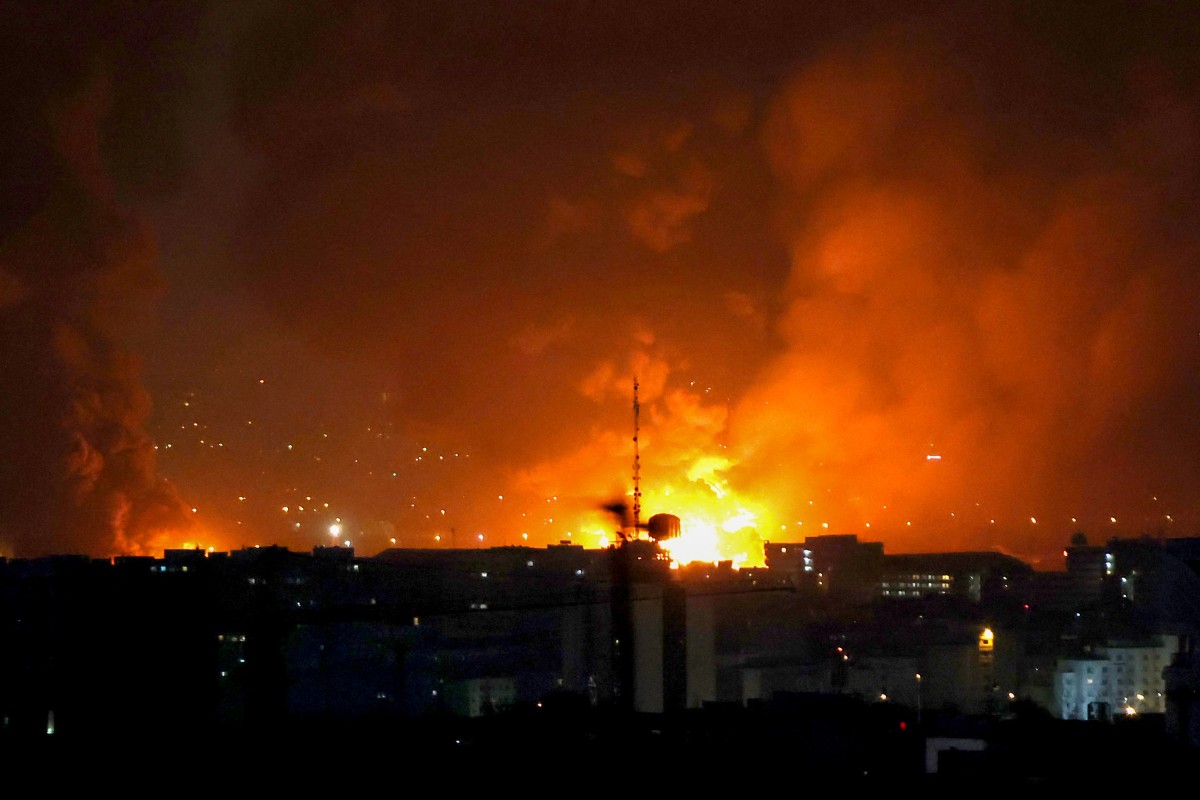
Oil prices climbed again on Friday for a second consecutive session, as markets remained concerned about a prolonged conflict in the Middle East with no tangible diplomatic progress.
North Sea Brent crude for May delivery rose 4.22% to close at $112.57 per barrel.
Meanwhile, U.S. West Texas Intermediate (WTI) approached the $100 mark, settling at $99.64, up 5.46%.
The decision by U.S. President Donald Trump to delay by ten days his ultimatum for the reopening of the Strait of Hormuz failed to reassure market participants.
“It means there will be ten additional days of disruptions in the Middle East for crude and refined product flows,” said Andy Lipow, of Lipow Oil Associates.
“For prices to come down, a resolution to the conflict is necessary,” Lipow added. “And even in the event of a ceasefire, it is not certain that Iran would allow oil shipments to pass through the Strait of Hormuz.”
International
Young Spanish Woman Receives Euthanasia After Legal Battle, Sparking Debate

A 25-year-old Spanish woman, Noelia Castillo, received euthanasia on Thursday following a prolonged legal dispute with her father.
She passed away at a care center in Sant Pere de Ribes, about 40 kilometers from Barcelona, where she had been living for some time, according to Spanish media reports.
In an interview broadcast a day earlier on Antena 3, Castillo expressed her exhaustion after enduring prolonged suffering. She indicated that her decision was influenced by a combination of personal circumstances and health-related challenges, including family conflicts and a condition of paraplegia following a previous incident that left her with lasting physical consequences.
Spain legalized euthanasia in 2021, becoming one of the few countries that allow patients under strict conditions to seek medical assistance to end their lives in order to avoid what the law defines as unbearable suffering.
The case has reignited debate in Spain over the ethical, legal, and family dimensions surrounding euthanasia, as well as the broader issue of support for individuals in vulnerable situations.


ICE to remain at airports amid DHS shutdown, Homan says

Oil prices surge again as Middle East tensions persist

Young Spanish Woman Receives Euthanasia After Legal Battle, Sparking Debate
Tec de Monterrey honors one of its students for his contribution to nanotechnology in medicine

Defense Minister commends salvadoran soldier for Central American Cross Country victory

Extension of the state of emergency approved in southern Chile
-
 International2 days ago
Over 300 U.S. Troops Wounded Since Start of Iran Conflict, CENTCOM Says
-
International1 day ago
Oil prices surge again as Middle East tensions persist
-
 International3 days ago
Iran rejects negotiations as tensions escalate with United States
-
 International2 days ago
Young Spanish Woman Receives Euthanasia After Legal Battle, Sparking Debate
-

 International3 days ago
Maduro appears again in New York court amid drug trafficking charges
-
 International7 hours ago
ICE to remain at airports amid DHS shutdown, Homan says