
International
The Presidency of Ecuador tells the former minister to allegedly hide the energy crisis
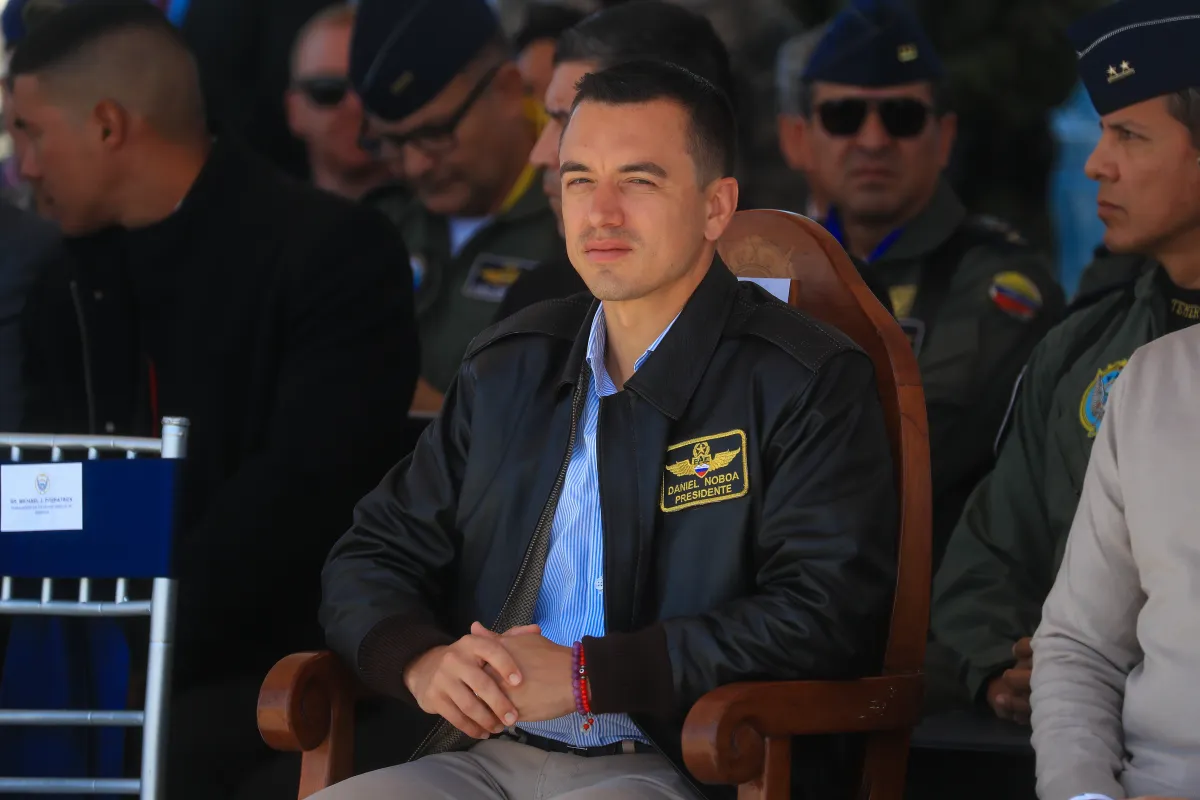
The Presidency of Ecuador told the former Minister of Energy and Mines Andrea Arrobo and other high-level officials of that Ministry on Wednesday that they had allegedly hidden information about the country’s energy crisis, which has again suffered blackouts of several hours due to the impossibility of meeting the national demand for electricity.
After having commissioned the Minister of Energy and Mines from the Minister of Transport and Public Works, Roberto Luque, the Presidency of Ecuador said on Wednesday in a statement, without presenting any evidence, that “a preliminary investigation gave indications that high-level officials, including former Minister Andrea Arrobo, intentionally concealed crucial information for the functioning of the national energy system.”
The Presidency reported that “a complaint was filed with the Prosecutor’s Office for paralysis of the public service against 22 saboteurs who sought to harm all Ecuadorians, affecting their development and productivity.”
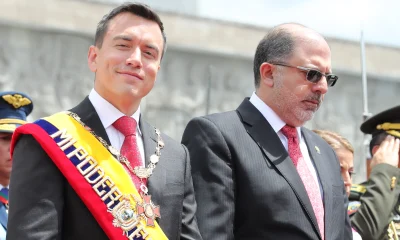
On Tuesday, the president of Ecuador, Daniel Noboa, had already spoken of an alleged sabotage without mentioning specific names, in a speech where he immediately asked for Arrobo’s resignation.
The former minister had publicly assured on Friday that the blackouts, which were already recorded at the end of December 2023, would not occur again in the short term despite the fact that the largest reservoir in the country was at the minimum level and that Colombia had cut off the export of electricity to Ecuador, since it also faces a critical situation and does not have surpluses.











“These first investigations indicate that warnings and alerts were suppressed and made to the Energy Crisis Committee, with the purpose that this serious situation is not known for timely decision-making,” the Presidency, in charge of President Daniel Noboa, said in a statement.
According to the presidential office, among the highlights are the critical conditions of the Mazar and Paute reservoirs, in the Andes mountain range, which register an operational storage level of 0% and 4%, respectively.
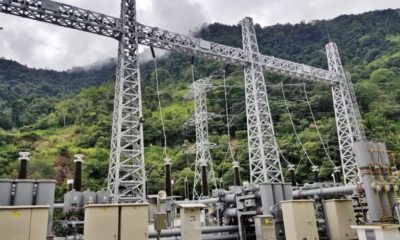
Likewise, the flow of the Coca Codo Sinclair hydroelectric power plant, the highest power in the country with 1,500 megawatts, recorded a deficit of 40% compared to the historical average.
Blackouts have been recorded since Sunday in several areas of the country, including the capital Quito and Guayaquil, the two largest cities in Ecuador, just in the days before the referendum called by Noboa to vote on reforms in matters of security, justice and employment, which constitute some of the main lines of his administration.
These power supply cuts began to occur without prior notice from the Government and initially attributed to “emerging maintenance” within the electricity sector, where the production, transport and marketing of electricity is mainly in the hands of public companies.
That is why the Government has declared the electricity sector an emergency and has suspended the working day for Thursday and Friday, since it has already admitted that the blackouts will continue this week despite the fact that President Noboa had indicated on Tuesday in the province of Guayas that there were no more to be given this week.
In that sense, the minister in charge of Energy and Mines Roberto Luque said in a brief press appearance on Tuesday that there is no short-term solution, beyond the fact that torrential rains can occur in the areas of the main reservoirs of the country.
Thus, the Executive of Noboa has announced as compensation that its administration will subsidize 50% of the electricity service bills of April.
During these days, maintenance will be carried out in the power plants, which will involve energy rationing at certain immovable times.


































International
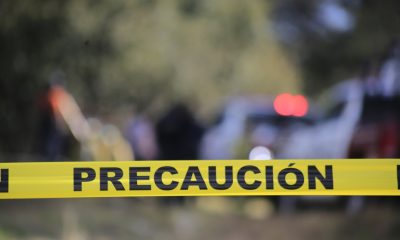
Five Bodies Found in Ecuador as Police Probe Suspected Gang Turf War
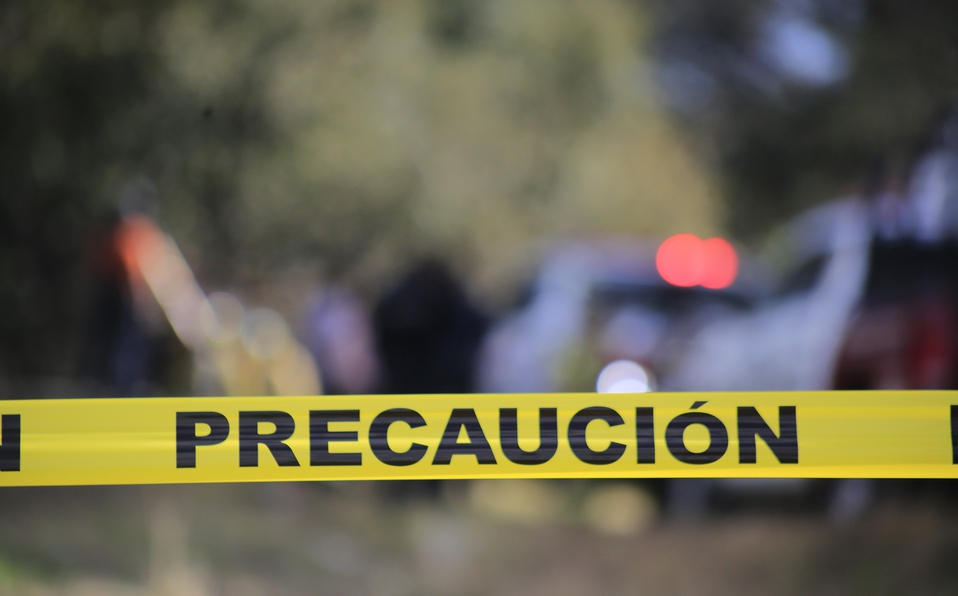
Ecuadorian authorities are investigating the deaths of five people whose bodies were found inside a rural home, in what police believe may be linked to a territorial dispute between organized criminal groups.
The victims, aged between 21 and 30, were discovered Tuesday in the town of La Troncal, in the Andean province of Cañar. Police reported that two of the bodies were bound with wire, while a burned-out vehicle was found outside the residence.
Investigators said graffiti on the walls of the house included messages such as “Lobos territory” and “Lobos active,” suggesting a possible connection to the criminal organization known as Los Lobos.
Police believe the killings were likely the result of a conflict over territorial control between rival gangs.
The discovery came on the same day authorities arrested a former mayor in the neighboring province of Azuay. Officials identified him as the alleged main financial backer of Los Lobos, one of Ecuador’s most powerful criminal organizations.
Ecuador has experienced an unprecedented surge in violence in recent years, driven by criminal groups involved in drug trafficking, illegal mining, kidnapping, and extortion.
According to Insight Crime, the country recorded 51 homicides per 100,000 inhabitants in 2025—equivalent to roughly one killing every hour—making it one of the most violent countries in Latin America.
International
Georgia Teen Sentenced to Life Without Parole for Deadly School Shooting

A Georgia teenager who killed four people in a 2024 school shooting was sentenced Tuesday to life in prison without the possibility of parole after pleading guilty to the attack.
Colt Gray, now 16, admitted to opening fire at Apalachee High School in Winder, about 70 kilometers (45 miles) northeast of Atlanta. He was 14 years old at the time of the shooting.
The attack claimed the lives of two students and two teachers, while nine other people were injured. Despite being a minor when the shooting occurred, Gray was prosecuted as an adult.
During the sentencing hearing, Judge Nicholas Trimm acknowledged the failures of the teenager’s family but said they did not excuse his actions.
“Your parents failed you. Your family failed you. But that does not absolve you,” the judge said.
Trimm also rejected any suggestion that the shooting was motivated by bullying or personal grievances.
“You were not bullied at Apalachee. This was not driven by hate. You didn’t know anyone at that school. It was simply the desire to commit a notorious act,” he told Gray.
The case also led to the prosecution of the shooter’s father, Colin Gray, who was convicted in March of voluntary manslaughter and involuntary manslaughter. The case marked one of the first instances in which a parent was held criminally responsible for a mass shooting carried out by their child.
Prosecutors said Colin Gray had given his son an AR-15-style rifle as a Christmas gift in 2023, despite being aware that the teenager had previously threatened to carry out a school shooting.
Authorities said the same rifle was used in the attack less than a year later. Months before the shooting, FBI investigators had alerted local law enforcement after receiving reports of online messages linked to the Gray family’s internet address that referenced plans for a school massacre.
The case reflects growing legal scrutiny in the United States over the responsibility of parents whose children commit acts of gun violence.
In a similar case, the parents of a Michigan teenager who killed four people at his high school in 2021 were convicted of involuntary manslaughter in 2024 and sentenced to prison terms ranging from 10 to 15 years.
According to U.S. health authorities, firearms have been the leading cause of death among children and teenagers in the United States for several years.
International
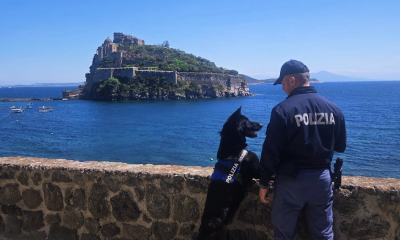
Portuguese Authorities Seize 2.6 Tons of Cocaine Worth More Than $550 Million in Drug Bust
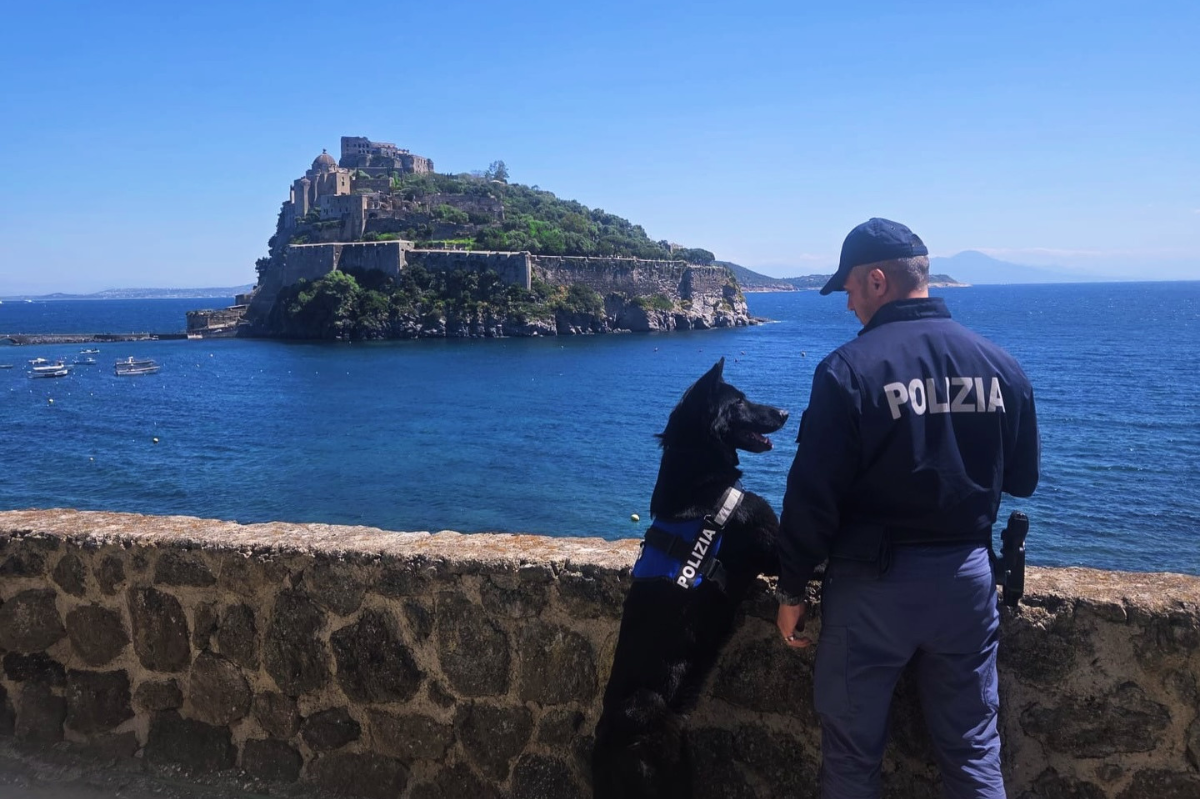
Italian financial police reported Monday that Portuguese authorities intercepted a speedboat carrying more than 2.6 tons of cocaine, with an estimated street value exceeding $550 million.
Four people — two Spanish nationals, one Albanian citizen, and a man from Gibraltar — were arrested in connection with the operation, according to Italian authorities.
The vessel was intercepted off the coast of Lisbon by Portugal’s maritime police following an investigation led by Italian authorities.
Italian financial police estimated that the seized shipment had a street value of approximately 500 million euros ($570 million), making it one of the largest drug seizures reported in the region in recent years.
Portuguese authorities said the interception took place on Thursday, about 90 kilometers (50 nautical miles) southwest of Cape Espichel, during an operation targeting international drug trafficking routes.


Prosecutors Accuse Ex-Defense Minister of Undermining Press Freedom in Honduras

Five Bodies Found in Ecuador as Police Probe Suspected Gang Turf War

Georgia Teen Sentenced to Life Without Parole for Deadly School Shooting
Tec de Monterrey honors one of its students for his contribution to nanotechnology in medicine

Defense Minister commends salvadoran soldier for Central American Cross Country victory

Extension of the state of emergency approved in southern Chile
-

 International2 days ago
U.S. and Iran Maintain Ceasefire as Trump Expresses Optimism Over New Talks
-
 International2 days ago
Police Investigate After Remains of Five Newborns Found in French Apartment
-
 International2 days ago
Portuguese Authorities Seize 2.6 Tons of Cocaine Worth More Than $550 Million in Drug Bust
-
 International8 hours ago
Five Bodies Found in Ecuador as Police Probe Suspected Gang Turf War
-

 International2 days ago
Costa Rica Seeks to Expand Extradition Law to Target Organized Crime
-

 International2 days ago
China Accuses U.S. AI Firms of Using Chinese Models to Train Artificial Intelligence
-
 Central America3 days ago
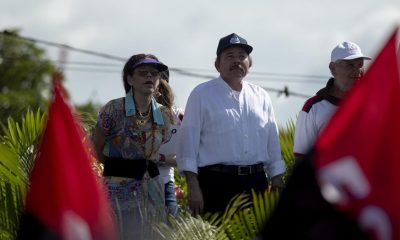
EU Urges Nicaragua to Hold Free and Transparent Elections Amid Proposed Electoral Reforms
-

 International2 days ago
Three Killed, Four Injured in Shooting Near Seattle’s Space Needle
-
 Central America8 hours ago
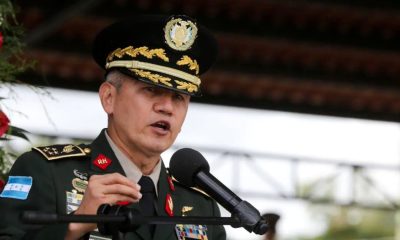
Prosecutors Accuse Ex-Defense Minister of Undermining Press Freedom in Honduras
-
 International8 hours ago
Georgia Teen Sentenced to Life Without Parole for Deadly School Shooting