
Central America
Panama seizes over 1,200 drug packages in container bound for Lithuania
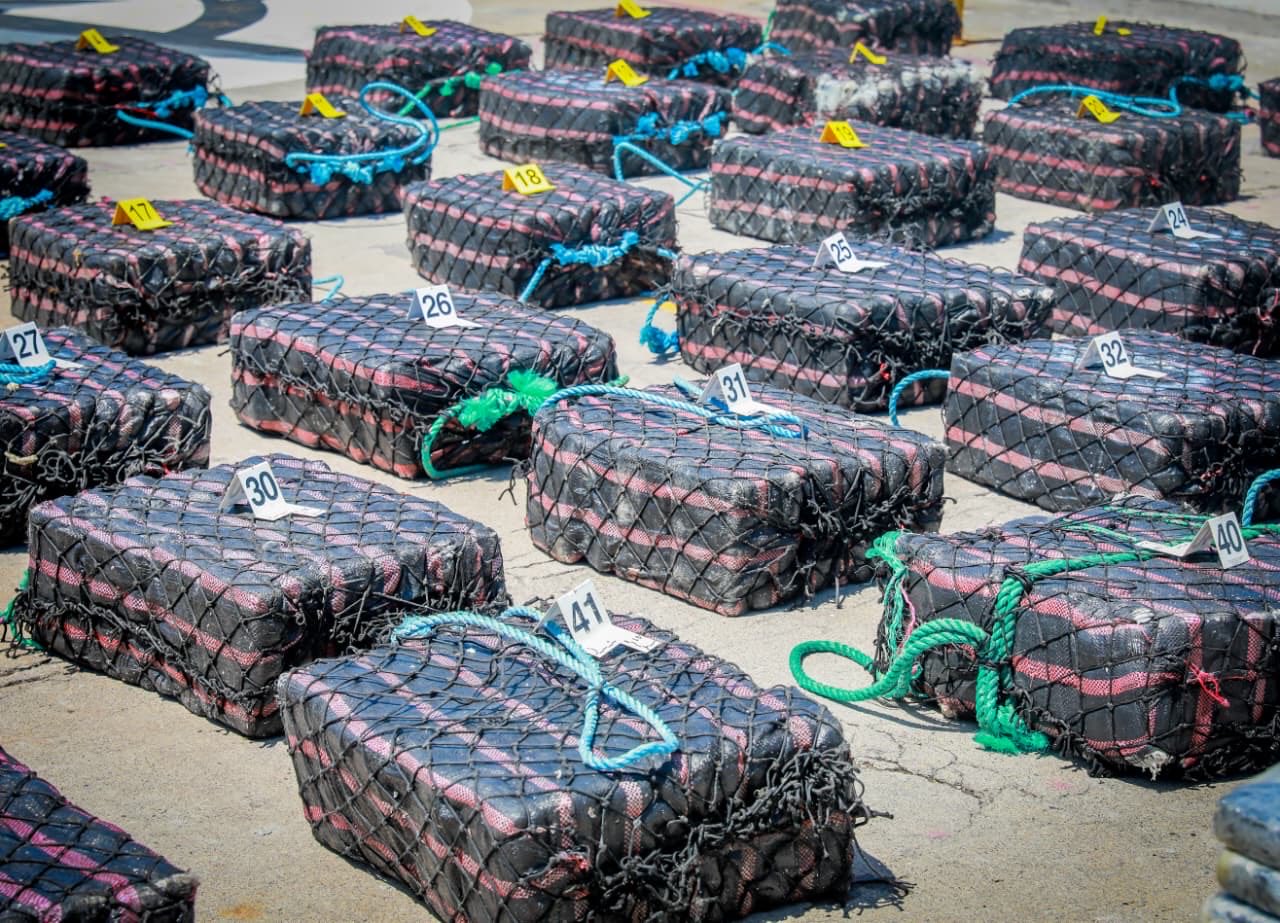
Authorities in Panama reported the seizure of 1,251 packages of suspected drugs hidden inside a shipping container bound for Lithuania, just days after intercepting another shipment of similar size headed to the same destination.
The Panama Public Prosecutor’s Office stated on social media that, through its Colón Drug Prosecutor’s Office and in coordination with the National Anti-Drug Directorate, authorities carried out the operation. The illicit substance was discovered inside a container scheduled for export.
Last Friday, officials also seized 1,506 packages of drugs in another container destined for Lithuania.
While authorities have not specified the type or exact weight of the seized substance, drug packages in Panama typically weigh around one kilogram each, and cocaine remains the most commonly confiscated narcotic in the country.
So far this year, Panamanian authorities have reported multiple drug seizures. Among them was a shipment of 5,356 packages intercepted on January 17, when agents of the National Aeronaval Service (SENAN) stopped a vessel near the Pearl Islands archipelago in the Pacific.











According to official figures, in 2025 Panama seized 129 tons of drugs and 47.8 tons of chemical precursors, highlighting ongoing efforts to combat international drug trafficking.










Central America
Panama launches anti-drone measures as prison security crisis deepens
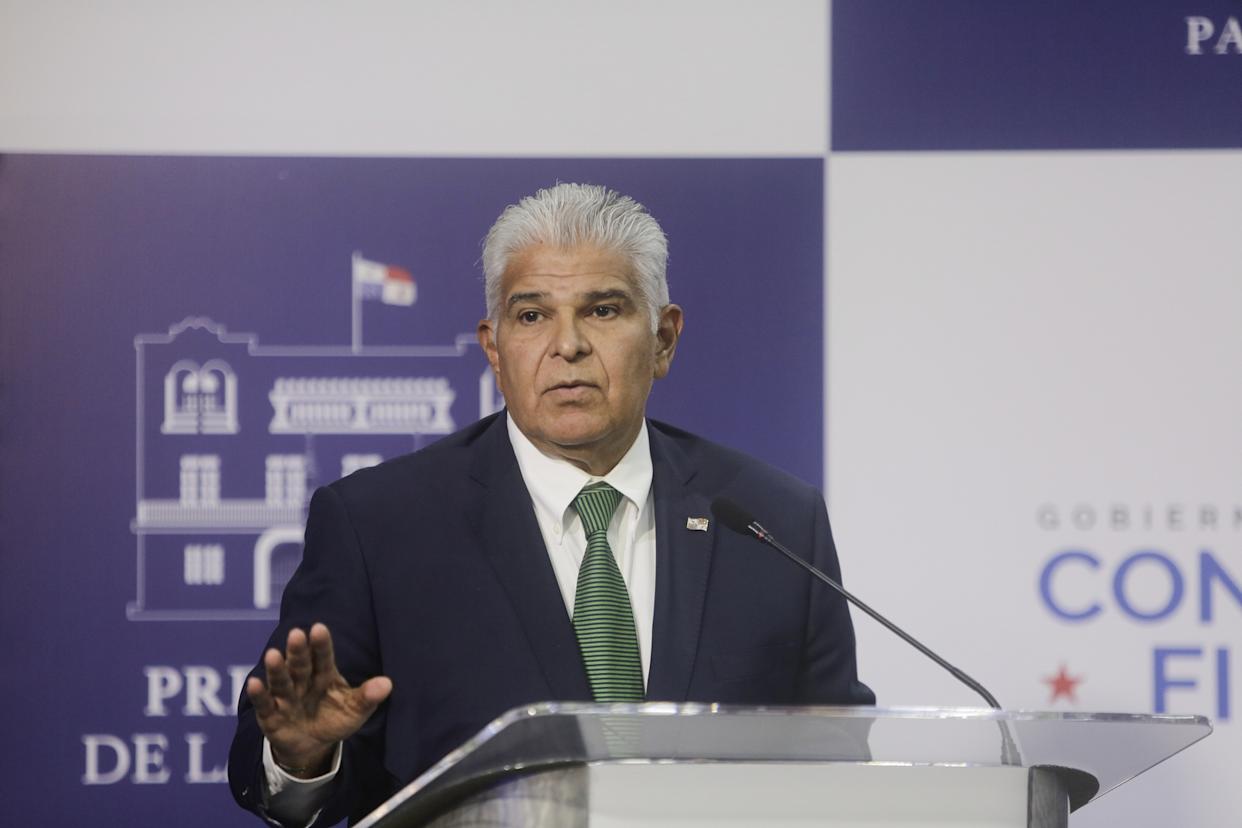
Panama will restrict airspace around its prisons to prevent drones from delivering drugs and weapons to inmates, President José Raúl Mulino announced Thursday as his administration moves to address a growing prison security crisis.
The measure is part of a broader strategy that includes the construction of a new penitentiary designed to isolate gang leaders, according to the president.
“We are implementing an airspace blocking system so that drones can no longer fly over the prisons,” Mulino told reporters during a visit to the province of Bocas del Toro.
The system was tested last week with the aim of preventing drones from nearby areas from being used to transport or drop drugs inside correctional facilities, the president added.
Panama’s prison system has faced increasing pressure following the escape of nearly 200 inmates from La Joyita prison, located near Panama City, on January 1. Most of the prisoners have since been recaptured.
The security situation gained further attention after the escape and the June 17 killing of a 10-year-old girl in the capital, who was caught in a hit attack targeting her stepfather.
Following the La Joyita prison break, Mulino said the country’s penitentiary system had “collapsed” and announced last week, during his annual government report, plans to build a facility aimed at separating high-ranking gang members from the general prison population.
“The system collapsed, not only because of organization but because of corruption. All the drugs and weapons that enter prisons pass through a door, and there is someone — whether a prison guard or a member of the national police — who allows them to enter,” Mulino said Thursday.
Panama recorded a homicide rate of 14.2 per 100,000 inhabitants in 2025. However, the Caribbean province of Colón registered a rate three times higher than the national average.
Meanwhile, the country’s prisons currently hold around 24,000 inmates, despite having capacity for only 14,700, according to official figures.
Central America
Regional Naval Operations Strike Drug Cartels, Disrupting Cocaine and Weapons Trafficking Routes
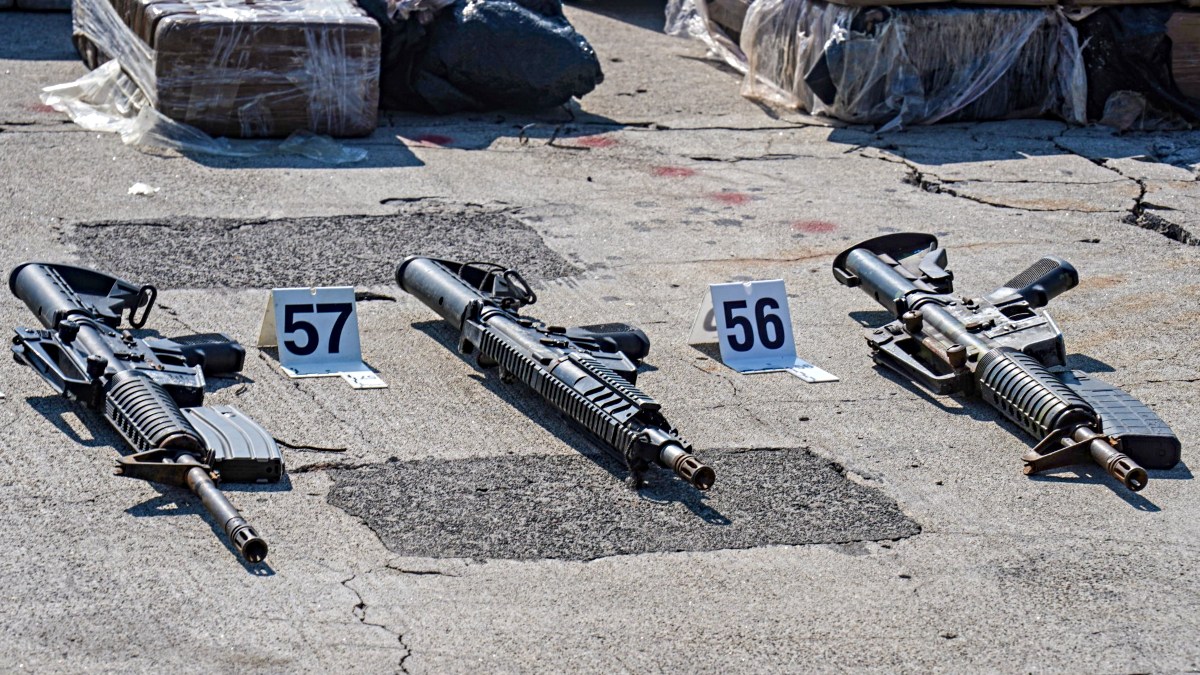
Transnational operations carried out by regional naval forces, including El Salvador’s National Navy, the United States Coast Guard, and Mexico’s Secretariat of the Navy (SEMAR), have dealt significant blows to international drug trafficking organizations.
The operations have not only led to the seizure of massive cocaine shipments, such as the 6.68 metric tons of cocaine valued at approximately $167 million presented last Wednesday by El Salvador’s Security Cabinet, but have also resulted in the confiscation of high-powered weapons allegedly intended as payment to criminal organizations, according to Security Minister Gustavo Villatoro.
“Based on the strength of the data, not just the narratives, we can state that our National Navy has documented the only known operation in the Pacific Ocean in which a criminal organization from the south was transporting drugs and exchanging them with a group from the north for firearms,” Villatoro said.
The exchange of weapons for drugs between criminal groups in the Pacific Ocean represents a logistical method in which South American cartels from countries such as Colombia and Ecuador negotiate with Mexican and Central American organizations to trade military-grade weapons for cocaine shipments.
Regional naval authorities have identified that meeting points located farther from the coastline in international waters make it easier for armed groups to receive supplies and carry out exchanges undetected. As a result, El Salvador’s National Navy deploys teams from the Trident Naval Task Force (FTNT) aboard maritime patrol vessels to intercept these operations.
Initially, the patrol units are ordered to travel up to 200 nautical miles offshore, but later receive instructions from the Maritime Operations Center to extend their missions beyond 1,000 nautical miles, reaching coordinates used by drug trafficking vessels operating in the open sea.
“We cannot lose focus on the routes these criminal organizations use to move drugs,” Minister Villatoro said, emphasizing the importance of maintaining surveillance over the various maritime corridors used for narcotics trafficking.
Central America
Violent Killings of Women in Honduras Remain High During First Half of 2026
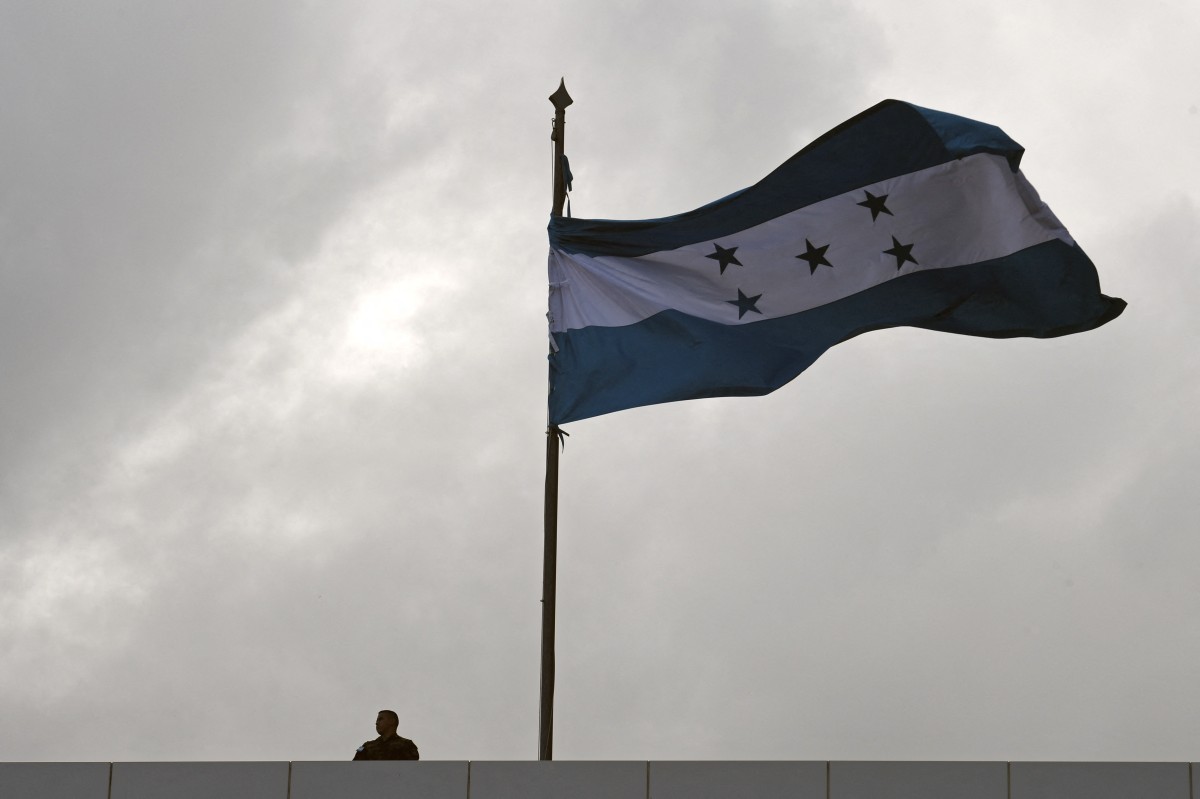
Violent deaths of women remain a major concern in Honduras, according to preliminary data released by the Violence Observatory of the National Autonomous University of Honduras.
Between January and June 2026, the country recorded 139 violent deaths of women, one more than the 138 reported during the same period in 2025.
The Observatory’s director, Migdonia Ayestas, said that although the increase is minimal, the figures confirm that violence against women remains a persistent problem.
“Violence against women is a serious issue. The ways in which they are being killed have become increasingly brutal and inhumane,” Ayestas said.
She explained that documented cases include dismemberment, beheadings, sexual assaults, and bodies abandoned in public places, acts that she said reflect the violence carried out by criminal organizations.
Ayestas stressed that the analysis should go beyond the number of victims and focus on the effectiveness of the justice system.
“We should not only count how many women are killed, but also how many cases are investigated, how many arrests are made, and how many reach the courts,” she said.
According to the Observatory, more than 8,000 women have died violent deaths in Honduras since 2005, leaving thousands of children orphaned.
Ayestas also called for stronger prevention efforts, improved education, and more effective criminal investigations to address the crisis. She argued that the current state of emergency alone has not been sufficient to dismantle criminal organizations or significantly reduce violence, emphasizing the need for comprehensive strategies to prevent these crimes and combat impunity.
The first-half figures for 2026 underscore that violence against women remains one of Honduras’ most pressing security and human rights challenges.

President Noboa Declares New Security Strategy as Ecuador Faces Record Violence Levels

Foreign Medical Teams Race to Prevent Health Crisis in Venezuela Earthquake Camps

France Holds Largest Bastille Day Military Parade as Europe Highlights Strategic Defense
Tec de Monterrey honors one of its students for his contribution to nanotechnology in medicine

Defense Minister commends salvadoran soldier for Central American Cross Country victory

Extension of the state of emergency approved in southern Chile
-
 Central America4 days ago
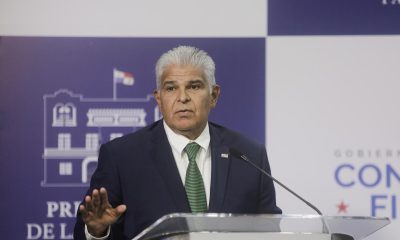
Panama launches anti-drone measures as prison security crisis deepens
-
 International1 day ago
ICE reverses course and moves forward with New Jersey migrant detention facility project
-

 International1 day ago
Judge rules Trump’s IRS lawsuit was a “bad faith” attempt to manipulate the judicial process
-

 International1 day ago
Marco Rubio launches U.S. campaign to “dismantle” the International Criminal Court
-
 International2 days ago
Venezuela Earthquake Death Toll Rises to 4,490 as Rescue Efforts Continue
-
 International10 hours ago
France Holds Largest Bastille Day Military Parade as Europe Highlights Strategic Defense
-
 International10 hours ago
President Noboa Declares New Security Strategy as Ecuador Faces Record Violence Levels
-
 International10 hours ago
Foreign Medical Teams Race to Prevent Health Crisis in Venezuela Earthquake Camps