
Central America
President Bukele’s government has transformed El Salvador’s integrated national health system
May 31 |
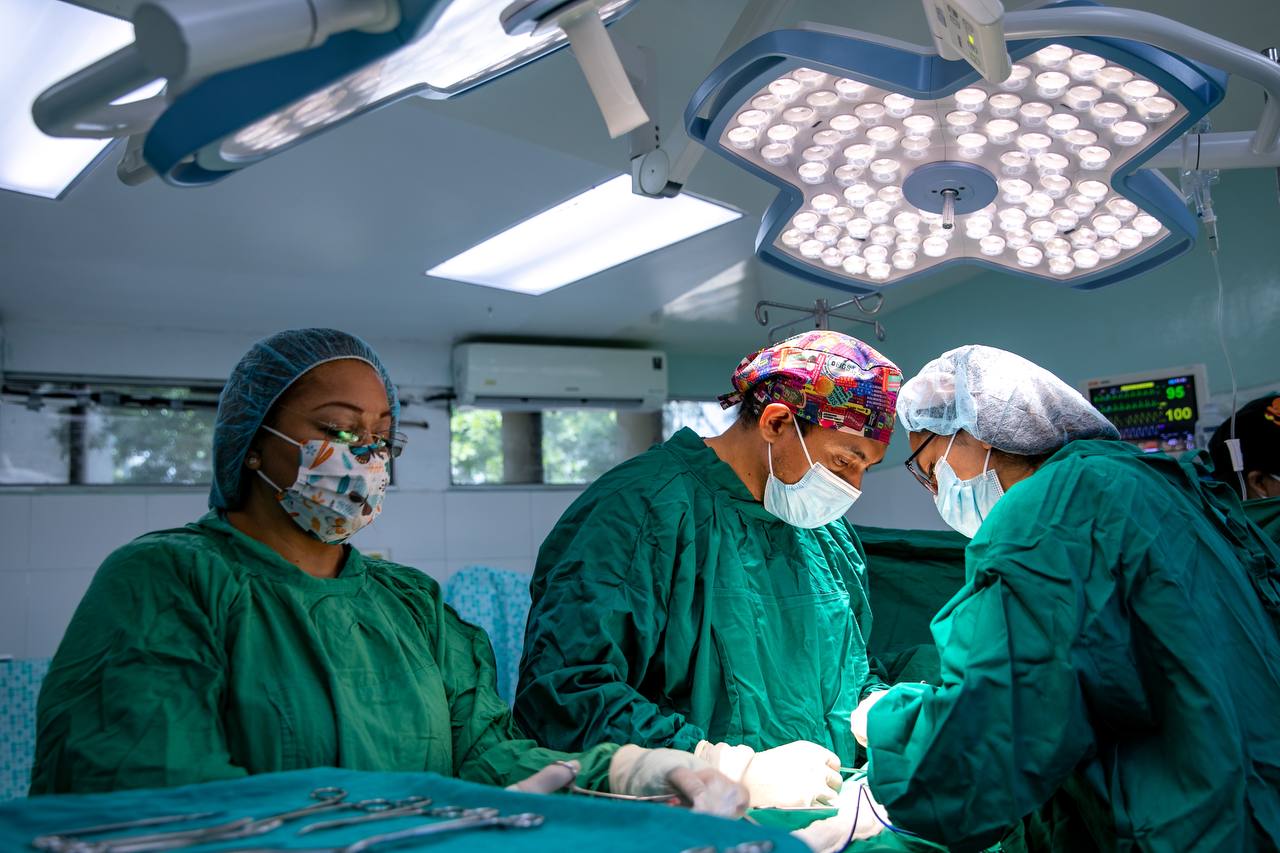
The National Integrated Health System (SIS) has been transformed during the administration of the President of the Republic, Nayib Bukele, through different actions that include modernization of infrastructure, equipment and digitalization of processes.
For decades, Salvadorans suffered from lack of care, hospitals and health units in poor condition and lack of suitable equipment for diagnosis and medical procedures, digitized care and modern technology.
Currently, modern, state-of-the-art equipment has been provided for X-rays, MRIs and cardiac interventions with a biplanar arc that is unique in the country and in the region.
“Assured connectivity. The Integrated Health System is changing the care we provide in hospitals, health units and in the territory, since it allows us to keep better control of the patient and give him/her the appropriate follow-up regardless of the facility where he/she goes to consult,” said the Minister of Health, Francisco Alabi, recently.











The issue of connectivity was raised by the Vice-Minister of Health Management and Development, Carlos Alvarenga, during his participation in the 76th World Health Assembly, held in Geneva, Switzerland.
“We have interconnected all health facilities, generated the electronic health record and other important elements of digital transformation that are the basis for transforming the country with a leap in quality,” said Alvarenga.
Similarly, in terms of infrastructure, the government of President Bukele built a walkway with all the conditions for the transfer of patients between the tower of the Benjamin Bloom National Children’s Hospital and the outpatient building of this medical center.
This has also been equipped with a biplanar arc angiograph for cardiac catheterization.
Likewise, after 30 years, the Zacamil National Hospital was intervened and equipped with technology and new areas, as well as artificial intelligence through Temi, a robot assistant.
On the other hand, another of the debts settled has been the inauguration of the Specialized Outpatient Care Center La Ceiba, of the Salvadoran Social Security Institute (ISSS), which has a capacity to care for more than 1,100 patients per day.
Due to the security measures implemented by President Bukele, health services have also been brought closer to communities that for decades were dominated by gangs.
Similarly, the teaching sector will benefit from the construction of the first Magisterial Hospital of the Instituto Salvadoreño de Bienestar Magisterial (ISBM), for which more than $2.2 million was approved by the Legislative Assembly for the purchase of the land.





























































Central America
Nicaragua Cuts Diplomatic Ties With Italy Over Red Brigades Dispute

The Nicaraguan government announced on Thursday that it is severing diplomatic relations with Italy following criticism from the Italian government over Nicaragua’s long-standing decision to shelter Alessio Casimirri, a former member of the Red Brigades convicted in Italy for the 1978 kidnapping and murder of former Prime Minister Aldo Moro.
Italian Foreign Minister Antonio Tajani criticized the administration of co-presidents Daniel Ortega and Rosario Murillo on Wednesday for continuing to provide refuge to Casimirri, who was sentenced in Italy to six life terms for his role in Moro’s abduction and killing.
In a statement issued Thursday, Nicaragua’s Foreign Ministry said it was ending all diplomatic relations with Italy, describing Tajani’s remarks as “unjustified, aggressive, and irresponsible.”
Tajani made the comments during a gathering of conservative leaders from Europe and Latin America held in Madrid.
“We have absolutely nothing in common with the positions of extremist governments such as Nicaragua, a country that continues to harbor dangerous Red Brigades terrorists like Alessio Casimirri,” Tajani said, according to Italian media.
The diplomatic break marks a new escalation in tensions between the two countries over the decades-old case involving Casimirri, who has lived in Nicaragua for many years despite repeated calls from Italy for his extradition.
Central America
Panama launches anti-drone measures as prison security crisis deepens
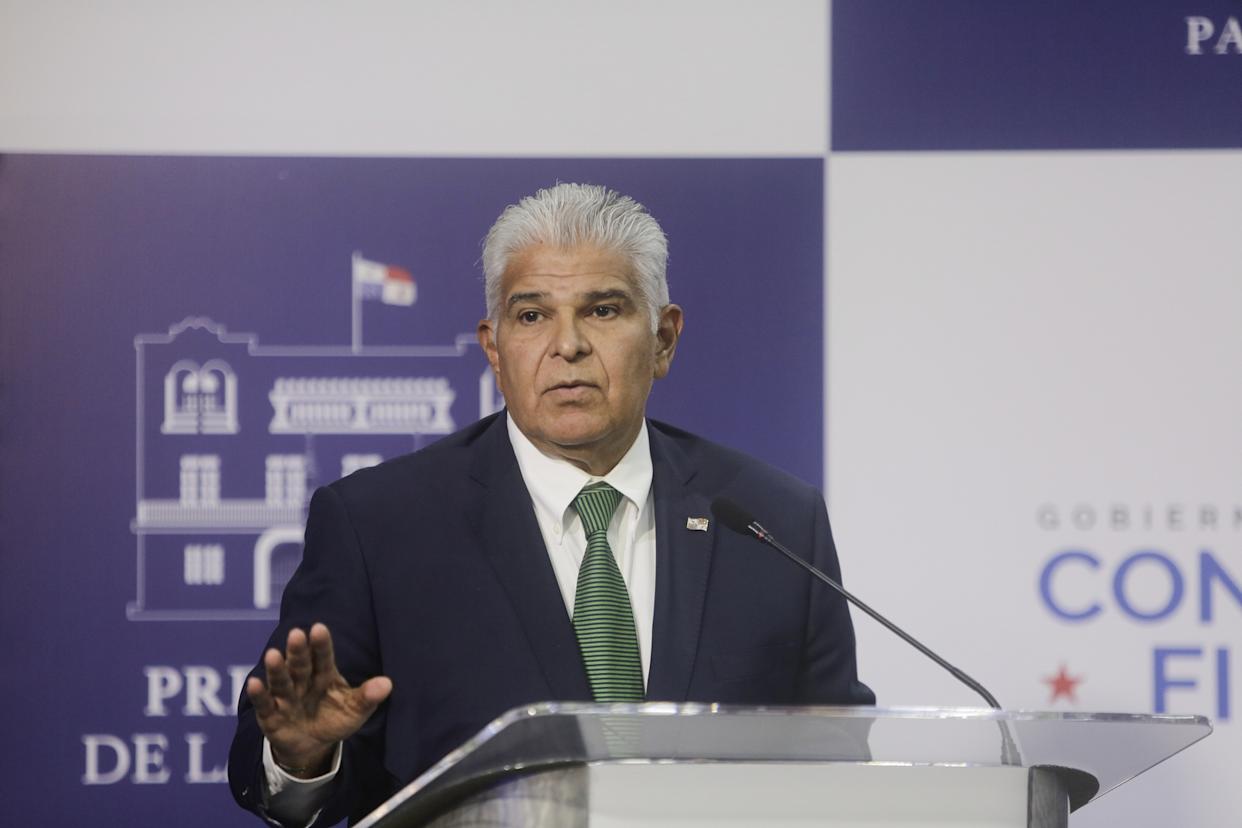
Panama will restrict airspace around its prisons to prevent drones from delivering drugs and weapons to inmates, President José Raúl Mulino announced Thursday as his administration moves to address a growing prison security crisis.
The measure is part of a broader strategy that includes the construction of a new penitentiary designed to isolate gang leaders, according to the president.
“We are implementing an airspace blocking system so that drones can no longer fly over the prisons,” Mulino told reporters during a visit to the province of Bocas del Toro.
The system was tested last week with the aim of preventing drones from nearby areas from being used to transport or drop drugs inside correctional facilities, the president added.
Panama’s prison system has faced increasing pressure following the escape of nearly 200 inmates from La Joyita prison, located near Panama City, on January 1. Most of the prisoners have since been recaptured.
The security situation gained further attention after the escape and the June 17 killing of a 10-year-old girl in the capital, who was caught in a hit attack targeting her stepfather.
Following the La Joyita prison break, Mulino said the country’s penitentiary system had “collapsed” and announced last week, during his annual government report, plans to build a facility aimed at separating high-ranking gang members from the general prison population.
“The system collapsed, not only because of organization but because of corruption. All the drugs and weapons that enter prisons pass through a door, and there is someone — whether a prison guard or a member of the national police — who allows them to enter,” Mulino said Thursday.
Panama recorded a homicide rate of 14.2 per 100,000 inhabitants in 2025. However, the Caribbean province of Colón registered a rate three times higher than the national average.
Meanwhile, the country’s prisons currently hold around 24,000 inmates, despite having capacity for only 14,700, according to official figures.
Central America
Regional Naval Operations Strike Drug Cartels, Disrupting Cocaine and Weapons Trafficking Routes
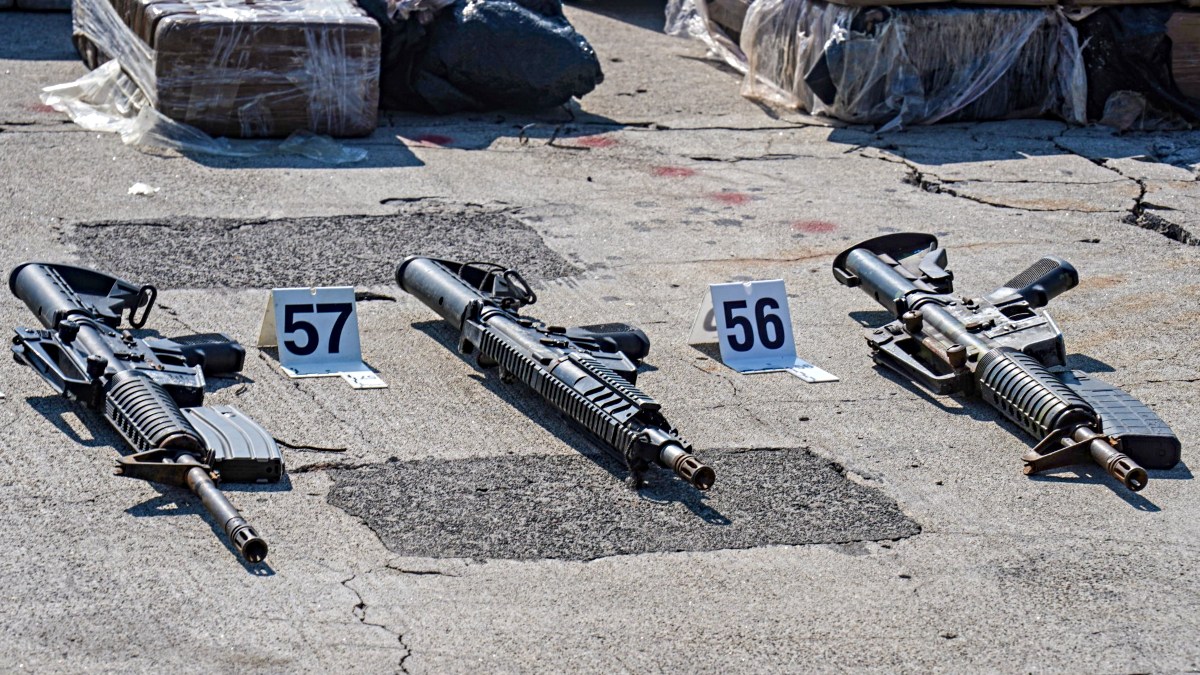
Transnational operations carried out by regional naval forces, including El Salvador’s National Navy, the United States Coast Guard, and Mexico’s Secretariat of the Navy (SEMAR), have dealt significant blows to international drug trafficking organizations.
The operations have not only led to the seizure of massive cocaine shipments, such as the 6.68 metric tons of cocaine valued at approximately $167 million presented last Wednesday by El Salvador’s Security Cabinet, but have also resulted in the confiscation of high-powered weapons allegedly intended as payment to criminal organizations, according to Security Minister Gustavo Villatoro.
“Based on the strength of the data, not just the narratives, we can state that our National Navy has documented the only known operation in the Pacific Ocean in which a criminal organization from the south was transporting drugs and exchanging them with a group from the north for firearms,” Villatoro said.
The exchange of weapons for drugs between criminal groups in the Pacific Ocean represents a logistical method in which South American cartels from countries such as Colombia and Ecuador negotiate with Mexican and Central American organizations to trade military-grade weapons for cocaine shipments.
Regional naval authorities have identified that meeting points located farther from the coastline in international waters make it easier for armed groups to receive supplies and carry out exchanges undetected. As a result, El Salvador’s National Navy deploys teams from the Trident Naval Task Force (FTNT) aboard maritime patrol vessels to intercept these operations.
Initially, the patrol units are ordered to travel up to 200 nautical miles offshore, but later receive instructions from the Maritime Operations Center to extend their missions beyond 1,000 nautical miles, reaching coordinates used by drug trafficking vessels operating in the open sea.
“We cannot lose focus on the routes these criminal organizations use to move drugs,” Minister Villatoro said, emphasizing the importance of maintaining surveillance over the various maritime corridors used for narcotics trafficking.


Ten Bodies Found in Mexico’s Zacatecas State Amid Security Operation

U.S. to Limit Visa Duration for Foreign Students and Journalists

Nicaragua Cuts Diplomatic Ties With Italy Over Red Brigades Dispute
Tec de Monterrey honors one of its students for his contribution to nanotechnology in medicine

Defense Minister commends salvadoran soldier for Central American Cross Country victory

Extension of the state of emergency approved in southern Chile
-

 International3 days ago
U.S. Strikes Hit Areas Near Strait of Hormuz as Tensions With Iran Escalate
-

 International4 days ago
Latin Music Stars Unite in Miami to Raise Aid for Victims of Venezuela’s Devastating Earthquake
-
 International3 days ago
U.S. to Limit Visa Duration for Foreign Students and Journalists
-
 International3 days ago
El Salvador Sends Eighth Humanitarian Flight to Earthquake-Hit Venezuela
-
 Central America3 days ago
Nicaragua Cuts Diplomatic Ties With Italy Over Red Brigades Dispute
-
 International4 days ago
Trump Administration Seeks Global Action Against “Resurgent” Left-Wing Terrorism
-
 International1 day ago
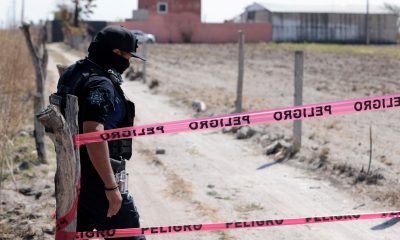
Ten Bodies Found in Mexico’s Zacatecas State Amid Security Operation