
Central America
Brazilian deputies visit Cecot and highlight security results
December 18 |
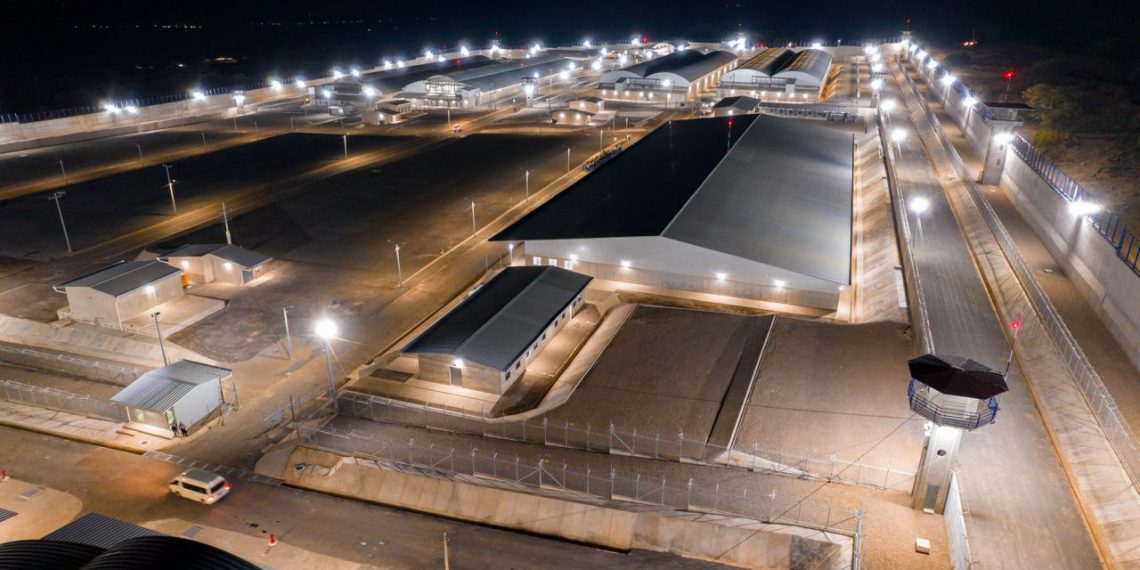
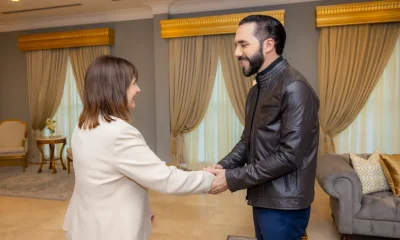
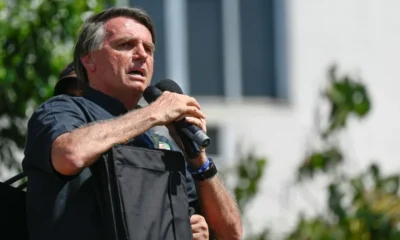
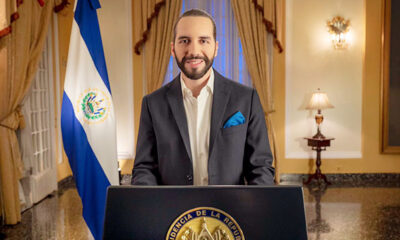
Brazilian federal deputy Eduardo Bolsonaro highlighted yesterday on social networks the security results obtained by the government of President Nayib Bukele. The Brazilian legislator was part of the delegation of seven parliamentarians who visited the country to see the Terrorism Confinement Center (Cecot) and all the security policies implemented in the last four years.
He also reiterated that President Bukele has a 90% approval rating from the population and that the security measures implemented with the Territorial Control Plan (PCT) and the exception regime have allowed El Salvador to accumulate more than 500 days without homicides during his administration, in which more than 75,000 criminals, mainly gang members, have also been arrested.
The implementation of security strategies, reforms to regulations so that criminals do not leave prisons, the alignment of powers and the dignification of the security forces are some of the aspects that Bolsonaro highlighted, so he reiterated that this has allowed President Bukele to achieve the transformation of El Salvador.
“What Nayib Bukele did is everything we proposed in terms of security in the Brazilian congress. The mentality is the same: arrested criminals do not commit crimes in society. With greater punishability, the economic theory of the criminal becomes more dangerous for him to commit a crime. Bukele managed to do this by electing a group of aligned parliamentarians and purging mainly the radical left in the elections,” Bolsonaro wrote in X.











The congressman stressed that, thanks to the exception regime, El Salvador went from being the most violent country in the world in 2015 to a benchmark in security and rivaling Switzerland for the number of homicides per 100,000 inhabitants.
“Today, if a police officer finds a notorious mafioso, he can arrest him for up to six months, the time the Public Prosecutor’s Office has to present the first evidence against the accused. The rule is that the accused responds to the arrested case (in Brazil it is the opposite). Between criminals and good people, today El Salvador cares about good citizens. That is why in Brazil there are criminals every day who have criminal records, who walk around the block and are arrested countless times; no longer in El Salvador,” he said.
President Bukele managed to decrease the criminal actions of gangs since he began his administration in 2019, and 2023 is about to close as the safest year in the history of El Salvador, an aspect that has paved the way for sectors such as the economy, tourism and education to develop and strengthen; to this effect the president considered important the dignification of law enforcement and has emphasized that none of the above would be possible without them.
Bolsonaro pointed out: “With more personnel, better salaries, with social security support, technology, support from the president and the population, as well as legal support, the police will fight the initial battle. Then comes social support: health, education, employment. Before, it made no sense to build schools in a gang-dominated area […]. Tourism also receives special attention as an economic engine.





















































Central America
Guatemala Declares Highest Alert in Areas Affected by Fuego Volcano Eruption
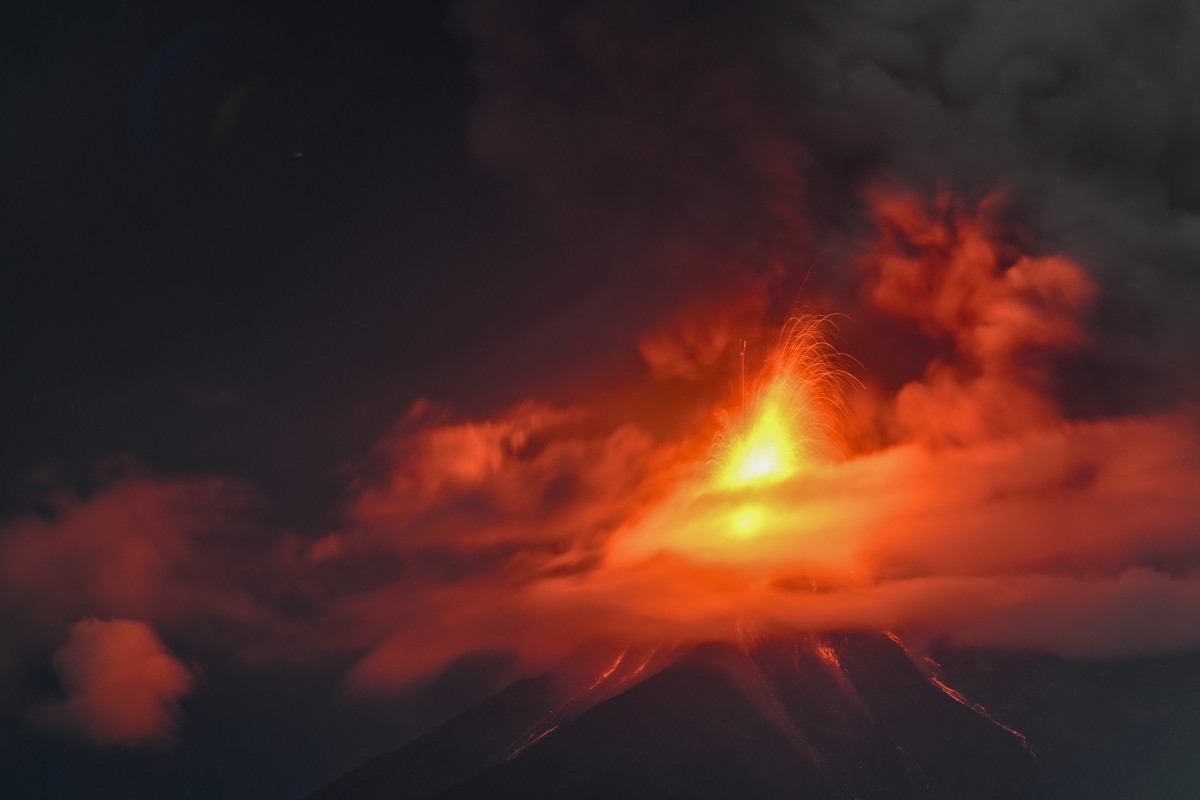
Guatemalan authorities declared a red alert, the highest level of danger, on Tuesday in areas affected by the eruption of the Fuego Volcano, located about 35 kilometers from the country’s capital.
The most active volcano in Central America entered an eruptive phase on Monday morning, and its activity intensified overnight with lava emissions and large columns of gas and ash.
No fatalities have been reported, but the volcanic activity forced the evacuation of around 500 people as a precautionary measure.
The National Coordination for Disaster Reduction (Conred) declared a state of emergency in the departments of Sacatepéquez, Chimaltenango and Escuintla, the agency announced through its official X account.
The affected regions are home to approximately 1.6 million people. However, ashfall has so far impacted only about five municipalities.
Despite the increase in the alert level, authorities reopened a road leading to the city of Antigua, the country’s main tourist destination, after evaluating safety conditions in the area.
The Fuego Volcano is one of Guatemala’s most active geological formations and has a history of frequent eruptions, requiring continuous monitoring by national emergency agencies.
Central America
U.S. Defense Secretary to Close Multinational Military Exercises in Panama to Protect Canal
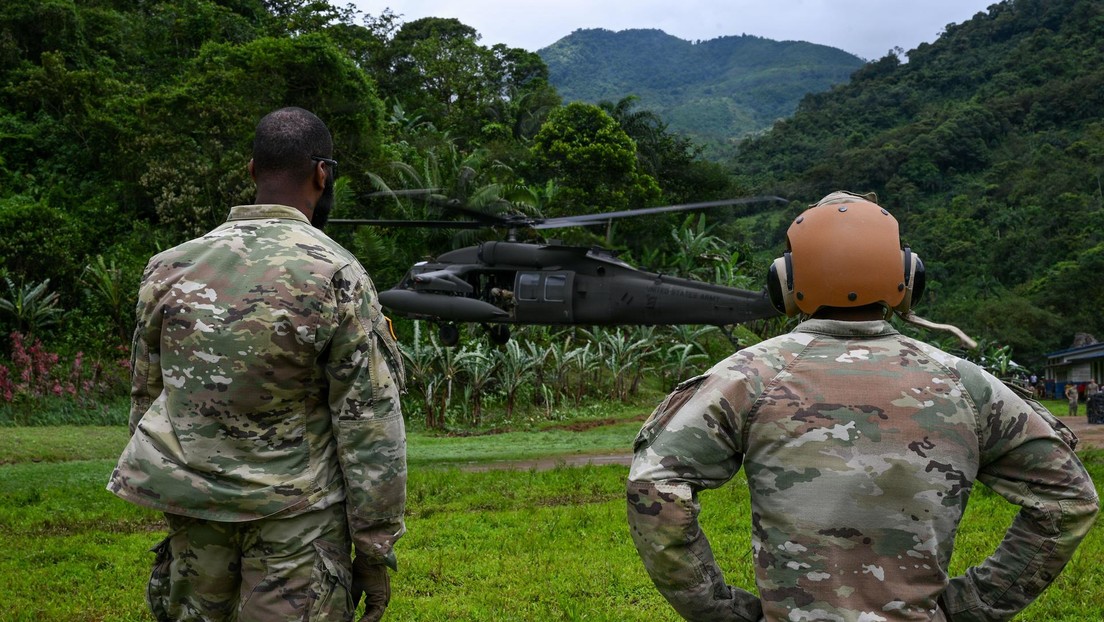
U.S. Secretary of Defense Pete Hegseth will travel to Panama next week to close multinational military exercises involving more than 20 countries aimed at strengthening security measures for the Panama Canal against potential threats, a Panamanian government official announced Monday.
This will mark Hegseth’s second visit to Panama. The U.S. defense chief is expected to arrive on August 13 for the closing ceremony of the military drills, which began this week and have been conducted in the Central American country for more than two decades to support the protection of the interoceanic waterway, according to Panama’s Security Minister Frank Ábrego.
The exercises include participation from the United States, Argentina, Brazil, Chile, Colombia, Mexico, the Netherlands, Peru and the United Kingdom, among other nations.
“The canal is a strategic infrastructure that connects markets and supports global supply chains. Its security and uninterrupted operation are of fundamental importance for Panama, the United States and the international community,” said U.S. Ambassador to Panama Kevin Marino Cabrera.
The drills include maritime training operations, exercises in jungle areas surrounding the canal, as well as virtual simulations focused on cybersecurity and strategic planning.
The Panama Canal, one of the world’s most important trade routes, handles approximately 5% of global maritime commerce, making its security a priority for international trade and logistics networks.
Ábrego emphasized that preparedness and international coordination are essential to maintaining stability.
“The best way to preserve peace and guarantee the continuity of global trade is to be prepared to respond in a coordinated and effective manner to any threat,” the Panamanian official said.
Central America
Prosecutors Accuse Ex-Defense Minister of Undermining Press Freedom in Honduras
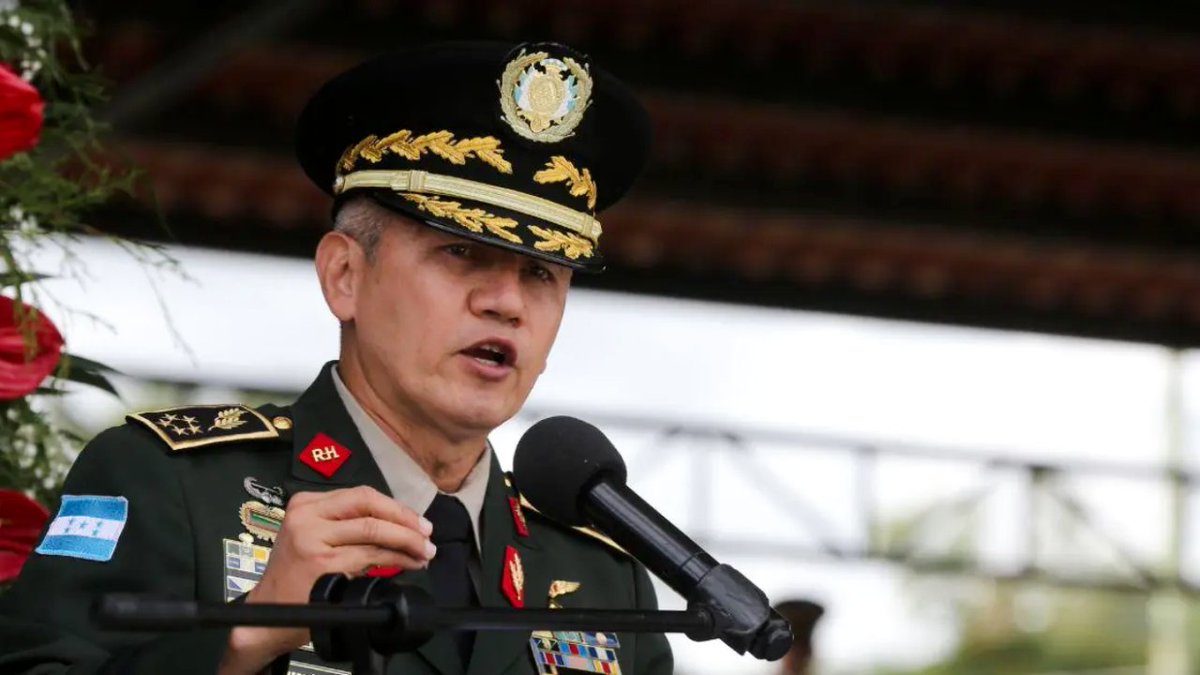
Honduras’ Public Prosecutor’s Office on Wednesday filed criminal charges against retired General Roosevelt Hernández, the country’s former defense minister and former chief of the Joint Chiefs of Staff, over his alleged role in actions that prosecutors say undermined press freedom and freedom of expression.
Prosecutors said the case was brought by the Special Prosecutor’s Office for the Protection of Journalists, Social Communicators, Human Rights Defenders and Justice Officials following an investigation into content published between 2025 and 2026 on a digital media platform operated by the Honduran Armed Forces.
According to the investigation, the publications were reported by journalists and the Honduran Journalists Association (CPH), which described them as part of an alleged campaign to discredit members of the press and media organizations.
The case dates back to May 2025, when the CPH filed complaints with national and international organizations after the Armed Forces referred to three journalists as “hitmen” in an article published by FF.AA. Digital. The association argued that the publication endangered the journalists’ safety and constituted an attack on press freedom.
The journalists identified in the publication as “hitmen of the truth” were Rodrigo Wong Arévalo, director of the television news program Abriendo Brecha; Dagoberto Rodríguez, director of Radio Cadena Voces; and Juan Carlos Sierra, president of the Honduran Journalists Association. The article also included photographs of the three journalists and the CPH’s logo.
The Public Prosecutor’s Office said the case file includes formal complaints, pretrial investigative proceedings, a specialized forensic analysis of audiovisual and digital material, and witness testimony gathered during the investigation to determine whether the publications violated freedom of expression and the exercise of journalism.
Authorities emphasized that freedom of the press and freedom of expression are protected under the Honduran Constitution as well as international treaties ratified by the country.


Colombia Earthquake Leaves at Least 22 Dead as Rescue Efforts Continue

Record 230 Migrants Cross English Channel to UK in Single Boat

Joe Biden’s Prostate Cancer Has Spread to His Bones, Son Hunter Reveals
Tec de Monterrey honors one of its students for his contribution to nanotechnology in medicine

Defense Minister commends salvadoran soldier for Central American Cross Country victory

Extension of the state of emergency approved in southern Chile
-
 International3 days ago
Appeals Court blocks Trump’s White House ballroom project without congressional approval
-
 International3 days ago
Abelardo de la Espriella sworn in as Colombia’s president for 2026-2030
-
 International5 days ago
Afghan man sentenced to life in prison for deadly Munich vehicle attack
-
 International3 days ago
Rubio warns Cuba U.S. pressure campaign will continue through Trump’s term
-
 International2 days ago
US announces $1 billion security assistance package for Colombia under new government
-
 International13 hours ago
Colombia Earthquake Leaves at Least 22 Dead as Rescue Efforts Continue
-
 International1 day ago
Joe Biden’s Prostate Cancer Has Spread to His Bones, Son Hunter Reveals
-
 International13 hours ago
Record 230 Migrants Cross English Channel to UK in Single Boat