
Central America
President Bukele’s government has transformed El Salvador’s integrated national health system
May 31 |
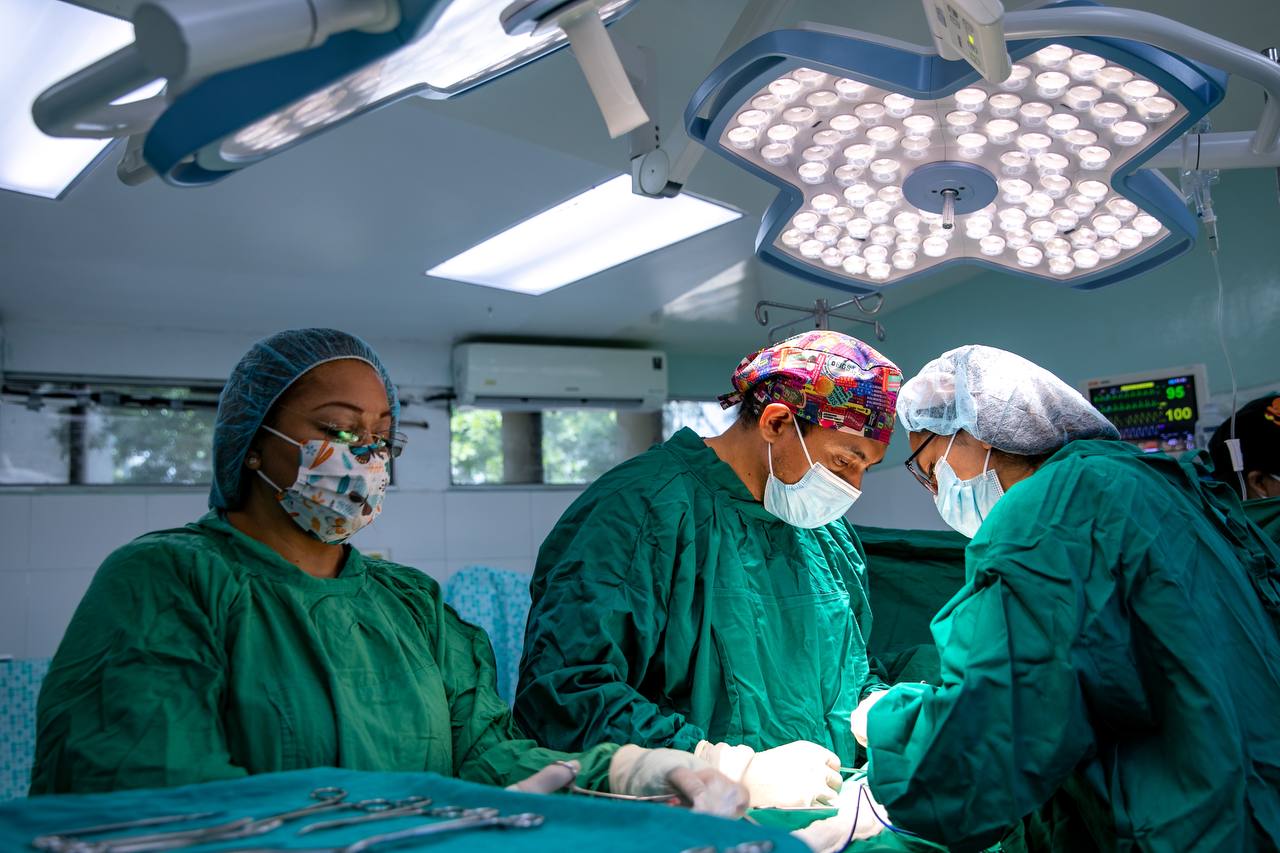
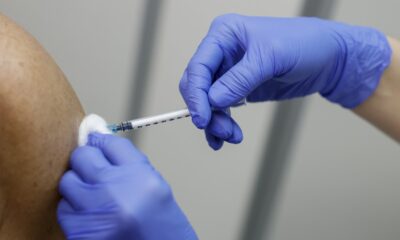
The National Integrated Health System (SIS) has been transformed during the administration of the President of the Republic, Nayib Bukele, through different actions that include modernization of infrastructure, equipment and digitalization of processes.
For decades, Salvadorans suffered from lack of care, hospitals and health units in poor condition and lack of suitable equipment for diagnosis and medical procedures, digitized care and modern technology.
Currently, modern, state-of-the-art equipment has been provided for X-rays, MRIs and cardiac interventions with a biplanar arc that is unique in the country and in the region.
“Assured connectivity. The Integrated Health System is changing the care we provide in hospitals, health units and in the territory, since it allows us to keep better control of the patient and give him/her the appropriate follow-up regardless of the facility where he/she goes to consult,” said the Minister of Health, Francisco Alabi, recently.









The issue of connectivity was raised by the Vice-Minister of Health Management and Development, Carlos Alvarenga, during his participation in the 76th World Health Assembly, held in Geneva, Switzerland.
“We have interconnected all health facilities, generated the electronic health record and other important elements of digital transformation that are the basis for transforming the country with a leap in quality,” said Alvarenga.
Similarly, in terms of infrastructure, the government of President Bukele built a walkway with all the conditions for the transfer of patients between the tower of the Benjamin Bloom National Children’s Hospital and the outpatient building of this medical center.
This has also been equipped with a biplanar arc angiograph for cardiac catheterization.
Likewise, after 30 years, the Zacamil National Hospital was intervened and equipped with technology and new areas, as well as artificial intelligence through Temi, a robot assistant.
On the other hand, another of the debts settled has been the inauguration of the Specialized Outpatient Care Center La Ceiba, of the Salvadoran Social Security Institute (ISSS), which has a capacity to care for more than 1,100 patients per day.
Due to the security measures implemented by President Bukele, health services have also been brought closer to communities that for decades were dominated by gangs.
Similarly, the teaching sector will benefit from the construction of the first Magisterial Hospital of the Instituto Salvadoreño de Bienestar Magisterial (ISBM), for which more than $2.2 million was approved by the Legislative Assembly for the purchase of the land.






















































Central America
Guatemala Police Arrest Prison Guard Caught in the Act of Extortion

Guatemala’s National Civil Police (PNC) arrested a suspected extortionist in the act during an operation carried out in the department of Quiché, authorities reported.
According to the police report, the arrest took place in Zone 1 of Santa Cruz del Quiché after officers responded to a citizen complaint. Agents from Precinct 71 identified the suspect as Encarnación “N”, 41, who was serving as a guard in the Guatemalan Penitentiary System.
The suspect was caught while attempting to collect a package simulating an extortion payment totaling 25,000 quetzales. Police intervened at the precise moment the money was being handed over, allowing authorities to document the crime in flagrante delicto.
Following the operation, the detainee was placed at the disposal of the competent courts to face criminal proceedings.
The PNC emphasized that such operations aim to dismantle criminal structures involved in extortion, regardless of whether those implicated are linked to state institutions, and urged the public to continue reporting these crimes through confidential channels.
Central America
Honduras swears in conservative president Asfura after disputed election
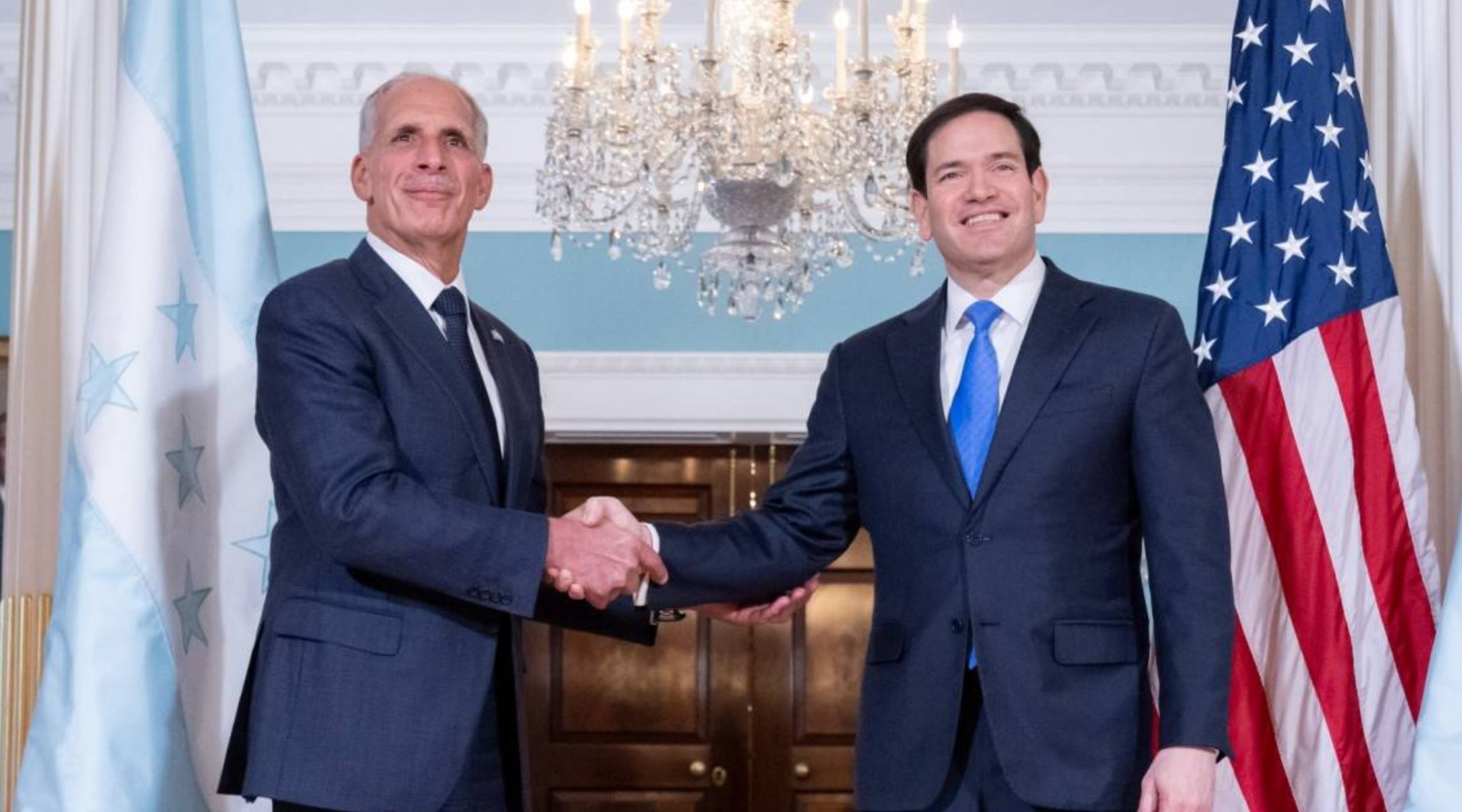
Conservative politician Nasry Asfura assumed the presidency of Honduras on Tuesday with an agenda closely aligned with the United States, a shift that could strain the country’s relationship with China as he seeks to confront the economic and security challenges facing the poorest and most violent nation in Central America.
Asfura’s rise to power, backed by U.S. President Donald Trump, marks the end of four years of left-wing rule and secures Trump another regional ally amid the advance of conservative governments in Chile, Bolivia, Peru, and Argentina.
The 67-year-old former mayor and construction businessman was sworn in during an austere ceremony at the National Congress, following a tightly contested election marred by opposition allegations of fraud and Trump’s threat to cut U.S. aid if his preferred candidate did not prevail.
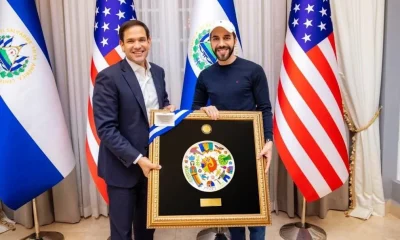
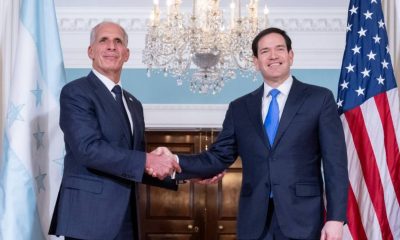
Grateful for Washington’s support, Asfura—who is of Palestinian descent—traveled to the United States to meet with Secretary of State Marco Rubio, before visiting Israeli Prime Minister Benjamin Netanyahu.
“We need to strengthen relations with our most important trading partner,” Asfura said after being declared the winner of the November 30 election by a narrow margin, following a tense vote count that lasted just over three weeks.
Central America
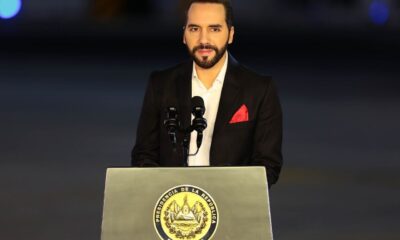
Bukele leads public trust rankings as UCA survey highlights gains in security
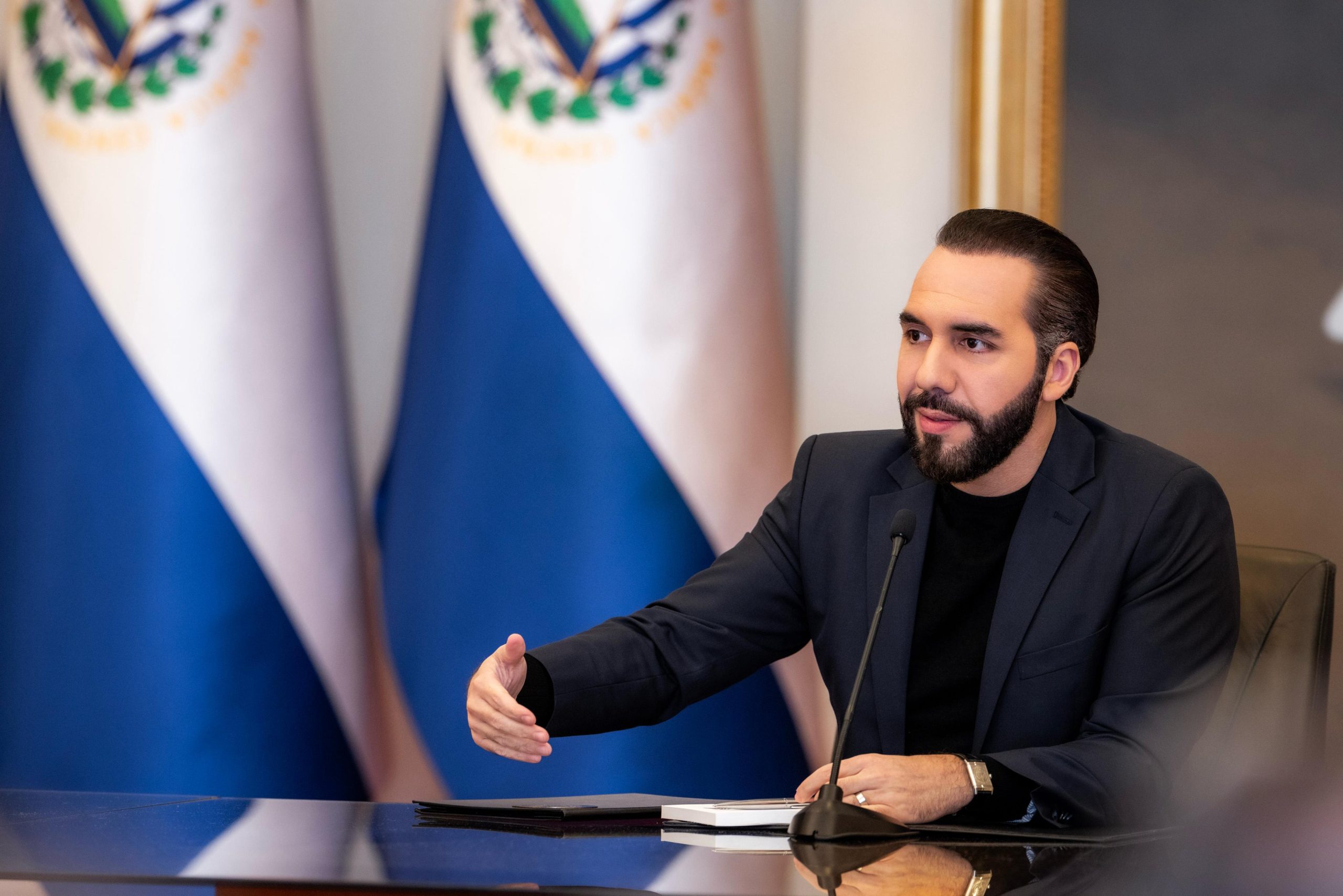
Results from the UCA Survey, conducted by the José Simeón Cañas Central American University (UCA), were presented on Tuesday, offering an assessment of the performance of the Government of El Salvador during 2025 and measuring public perception on key issues such as security and the economy.
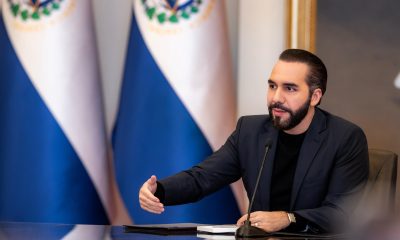
According to the survey, President Nayib Bukele received an average score of 8.39 for his performance in 2025. In the category measuring levels of trust in national institutions and social actors, Bukele led the ranking with 77% public confidence, surpassing the Central Government (69.6%), the Armed Forces (69.1%), the National Civil Police (PNC), and the Catholic Church (58.4%), among others.
The survey also highlights an upward trend in the president’s evaluation. While Bukele scored 8.15 for his performance in 2024, the most recent assessment of his sixth year in office showed an increase to 8.39.
Meanwhile, the Government of El Salvador as a whole was rated 8.33 for its performance during 2025.
Respondents identified public security as the area showing the greatest progress in the country, with 62.7% recognizing improvements in this sector, according to the UCA survey released on Tuesday.


Eight Killed in Series of Armed Attacks in Ecuador’s Manabí Province

Guatemala Police Arrest Prison Guard Caught in the Act of Extortion

Winter Storm Fern Leaves 30 Dead and Over One Million Without Power Across the U.S.
Tec de Monterrey honors one of its students for his contribution to nanotechnology in medicine

Defense Minister commends salvadoran soldier for Central American Cross Country victory

Extension of the state of emergency approved in southern Chile
-
 Central America2 days ago
Guatemala seizes over a ton of cocaine hidden in flour at Pacific port
-
 Central America5 days ago
Guatemala’s president rules out negotiations with inmates after prison riots
-
 International4 days ago
Trump-Era Defense Plan Prioritizes Border Security and Scales Back Global Commitments
-
 Internacionales5 days ago
Major winter storm threatens “catastrophic” ice and snow across much of the U.S.
-
 International4 days ago
Bogotá and Quito Seek Dialogue After Tariffs and Power Cut Escalate Tensions
-
 International3 days ago
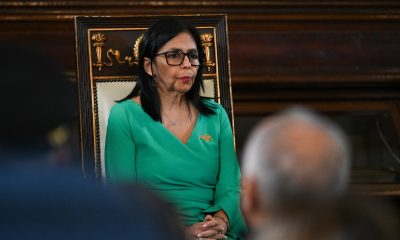
Delcy Rodríguez seeks political agreements after Maduro’s ouster
-
 International5 days ago
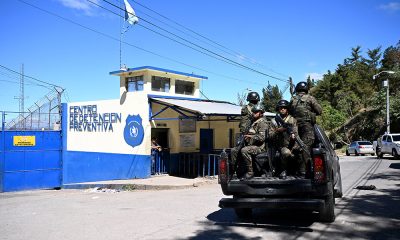
Guatemala considers sending high-risk gang members to military prisons
-
 International2 days ago
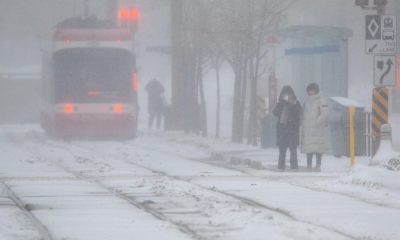
Historic snowstorm paralyzes Toronto after 60 centimeters of snow
-
 International2 days ago
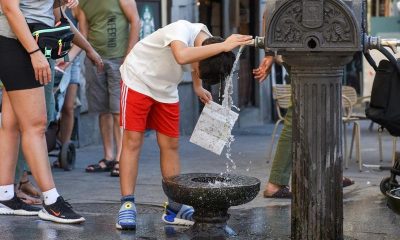
Spain’s irregular migrant population rises to 840,000, study finds
-
 International3 days ago
Federal immigration agents kill man in Minneapolis, sparking protests and outrage
-
 Central America20 hours ago
Guatemala Police Arrest Prison Guard Caught in the Act of Extortion
-
 International5 days ago
Rights group says over 5,000 killed in Iran protests, mostly civilians
-
 Sin categoría20 hours ago
Eight Killed in Series of Armed Attacks in Ecuador’s Manabí Province
-
 International20 hours ago
Winter Storm Fern Leaves 30 Dead and Over One Million Without Power Across the U.S.
-
 Central America20 hours ago
Honduras swears in conservative president Asfura after disputed election
-
 International20 hours ago
Doomsday clock moves to 85 seconds before midnight amid rising global risks
-
 International2 days ago
Rights group says nearly 6,000 killed in Iran protest crackdown
-
 Central America20 hours ago
Bukele leads public trust rankings as UCA survey highlights gains in security
-
 International20 hours ago
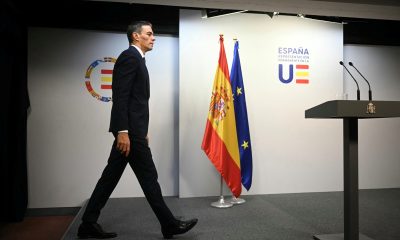
Spain approves plan to regularize up to 500,000 migrants in Historic Shift
-
 International2 days ago
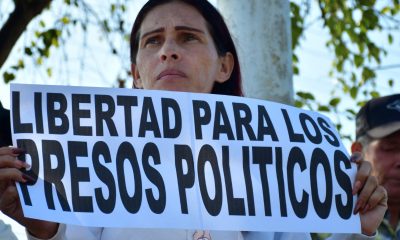
Venezuela frees at least 80 political prisoners, NGO says
-

 Sin categoría20 hours ago
El Salvador Launches Fourth Year of Ocean Mission to Protect Marine Ecosystems
-

 International2 days ago
EU launches new probe into X over AI-generated fake nude images
-
 International2 days ago
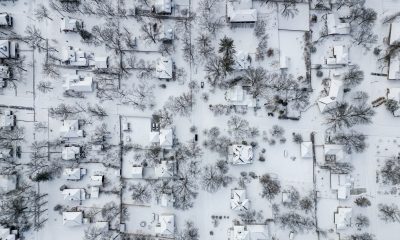
Severe winter storm grips U.S., leaves multiple dead as extreme cold persists
-
 International2 days ago
France debates ban on social media for children under 15