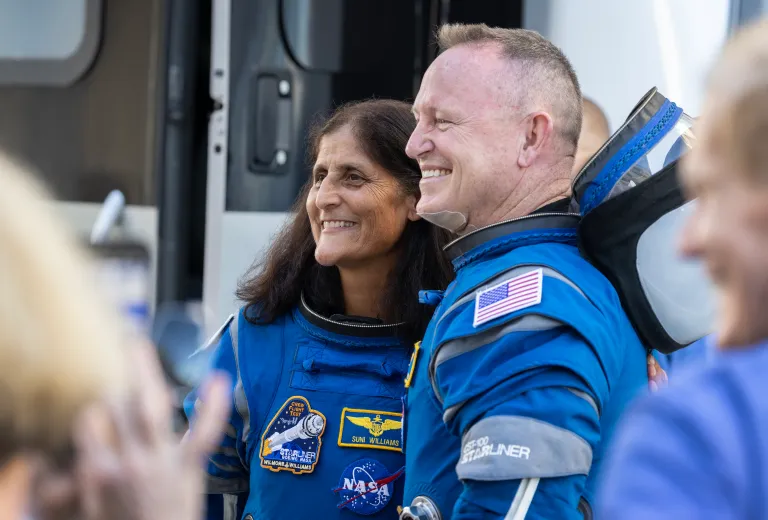
Astronauts Barry ‘Butch’ Wilmore and Sunita ‘Suni’ Williams, crew members of Boeing’s first mission to the International Space Station (IS), said on Wednesday in a teleconference that they fully trust that they will be able to return to Earth aboard the ship.
The return of both was scheduled for mid-June, but it has been postponed – without a date for the moment – due to some technical problems in the Starliner, including five small helium leaks in the capsule service module.
“Right now, based on what we know, we are absolutely ready,” he defended from the orbital laboratory Wilmore, who pointed out that the performance of the ship during takeoff and the first 24 hours was “spectacular.”
Both NASA astronauts also expressed their confidence in the knowledge and experience of the team behind the mission.
“I have a good feeling in my heart that the ship will return us home,” said Williams, who said he had no reset about the capabilities of the capsule manufactured by Boeing.
Advertisement
20260101_dengue_cubeta_728x90
20260101_dengue_barril_728x90
20260101_dengue_llanta_728x90
20260101_dengue_pileta_728x90
20260224_estafa_mh_728x90
20260212_constancia_pagos_mh_728x90
20250901_vacunacion_vsr-728x90
20250901_minsal_tetra_-728x90
20250701_vacunacion-influenza-728x90
20250701_vacunacion_vph-728x90
20250715_donacion_sangre_central_728x90
20231124_etesal_728x90_1
20230601_agenda_primera_infancia_728X90
domfuturo_netview-728x90
20240604_dom_728x90
CEL
The manned test mission took off on June 5 from a platform of the Cape Canaveral Space Force Station, in Florida (USA), and the next day was coupled to the Harmony module of the ISS.
The return of the mission, which was scheduled to remain on the space station for about a week, has been postponed by the helium leaks discovered, as well as by technical problems in the ship’s propulsion system.
According to the US space agency, once all the tests and data analysis are completed, they will do a complete review together with Boeing managers before fixing the return to New Mexico from the orbital complex.
The success of the CFT (Crew Flight Test) mission will mean for NASA to have a second supplier, after SpaceX, for the transport of manned and cargo missions to the orbital laboratory, under contracts signed with both private firms in 2014.
Wildfires in France Burn Nearly Three Times More Land Than in 2025, Interior Minister Says
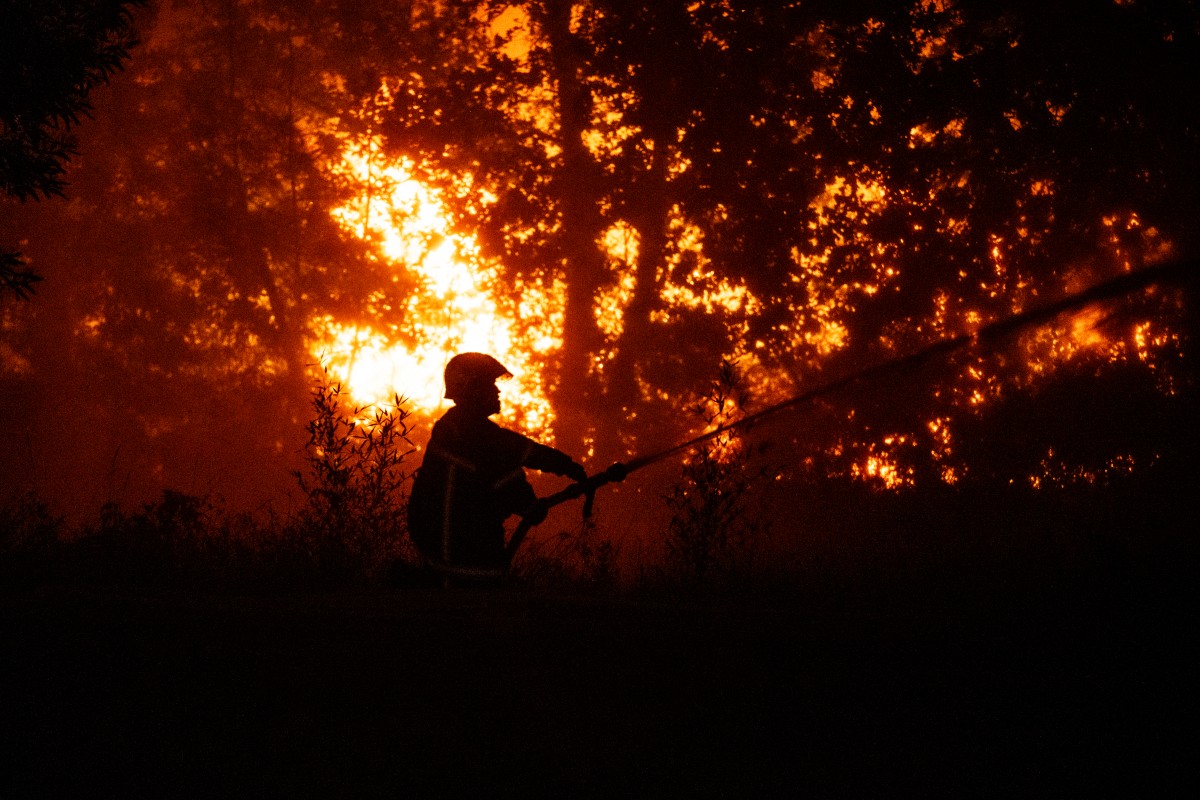
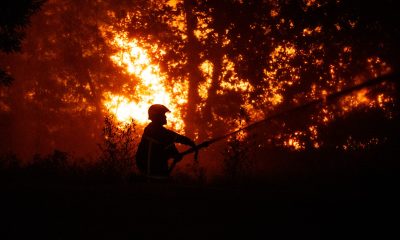
More than 50,000 hectares of land have been destroyed by wildfires across France since the beginning of the year, nearly three times the area affected during the same period in 2025, French Interior Minister Laurent Nuñez said Friday in an interview with AFP.
Emergency crews are currently battling several major fires, including one near the popular Cap Ferret peninsula, where flames have already consumed more than 10,000 hectares, making it the largest wildfire of the season so far, according to the minister.
“Currently, we have 32 fires underway, which obviously do not all have the same level of importance,” Nuñez said.
“We have exceeded the threshold of 50,000 hectares burned since January 1 of this year. It is practically three times more than during the same period last year,” he added.
Despite the extensive resources deployed and the long hours worked by emergency teams — estimated to be two and a half times higher than last year — Nuñez said authorities remain “calm” and “determined” to contain the situation.
Advertisement
20260101_dengue_cubeta_728x90
20260101_dengue_barril_728x90
20260101_dengue_llanta_728x90
20260101_dengue_pileta_728x90
20260224_estafa_mh_728x90
20260212_constancia_pagos_mh_728x90
20250901_vacunacion_vsr-728x90
20250901_minsal_tetra_-728x90
20250701_vacunacion-influenza-728x90
20250701_vacunacion_vph-728x90
20250715_donacion_sangre_central_728x90
20231124_etesal_728x90_1
20230601_agenda_primera_infancia_728X90
domfuturo_netview-728x90
20240604_dom_728x90
CEL
The minister acknowledged that the main concern is the fatigue affecting firefighters and emergency personnel who have been working under demanding conditions.
“The concern, if there has to be one, obviously lies in the state of exhaustion of the men and women who are committed. We have to hold on throughout the entire season,” Nuñez said.
France’s late spring and early summer have been marked by repeated periods of extreme heat, conditions linked by scientists to climate change and considered a major factor contributing to the increase in wildfire activity across the country.
Israel Says Saudi Recognition Would Mark ‘Historic Breakthrough’ for Middle East Peace
The office of Israeli Prime Minister Benjamin Netanyahu said Thursday that Saudi Arabia’s recognition of Israel would represent a “historic breakthrough” toward achieving peace in the Middle East.
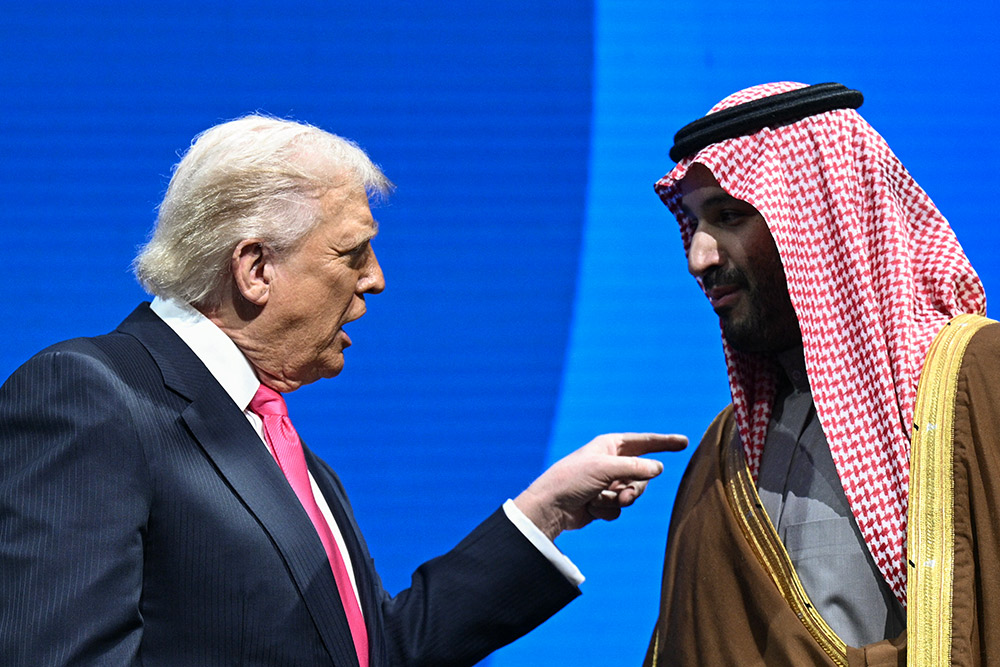
The statement came after the United States and Saudi Arabia announced an agreement on Wednesday to establish a civil nuclear program in the kingdom. U.S. President Donald Trump said the initiative would be linked to Riyadh’s decision to normalize diplomatic relations with Israel.
“Saudi Arabia joining the Abraham Accords would represent a historic breakthrough toward peace in the Middle East,” Netanyahu’s office said following Trump’s announcement.
The statement added that recent developments, including joint military actions by the United States and Israel against Iran, as well as Israel’s efforts against what it described as Iran’s “terror axis,” have created new opportunities to expand regional diplomatic ties.
“The joint U.S.-Israeli military action against the genocidal regime in Tehran and Israel’s defeat of Iran’s terror axis have created the possibility of expanding the circle of peace,” the statement said.
Advertisement
20260101_dengue_cubeta_728x90
20260101_dengue_barril_728x90
20260101_dengue_llanta_728x90
20260101_dengue_pileta_728x90
20260224_estafa_mh_728x90
20260212_constancia_pagos_mh_728x90
20250901_vacunacion_vsr-728x90
20250901_minsal_tetra_-728x90
20250701_vacunacion-influenza-728x90
20250701_vacunacion_vph-728x90
20250715_donacion_sangre_central_728x90
20231124_etesal_728x90_1
20230601_agenda_primera_infancia_728X90
domfuturo_netview-728x90
20240604_dom_728x90
CEL
A potential normalization agreement between Israel and Saudi Arabia would represent a major diplomatic shift in the region, as Riyadh has long been viewed as one of the key countries whose formal recognition could significantly reshape Middle Eastern relations.
Nicolás Maduro’s Son Calls U.S. Trial Against His Father and Cilia Flores “Unjust”
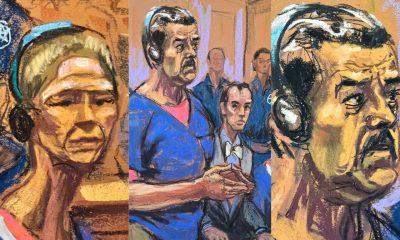
Venezuelan lawmaker Nicolás Maduro Guerra on Wednesday described as “unjust” the legal proceedings in the United States against his father, ousted Venezuelan President Nicolás Maduro, and his wife, Cilia Flores, following their capture in Caracas on January 3 by U.S. forces.
“Faced with the unjust trial taking place today, the people raised their voices with a single demand: We demand the immediate release of President Nicolás Maduro and the First Lady,” Maduro Guerra wrote on his Instagram account.
The lawmaker attended a rally in Caracas where supporters of the ruling United Socialist Party of Venezuela (PSUV)gathered to show support for the former president, who faces charges in the United States including conspiracy to commit narco-terrorism and cocaine importation. Flores is accused of crimes related to drug trafficking and weapons possession.
The event was also attended by PSUV Vice President for Mobilizations and Events Nahum Fernández and Caracas Mayor Carmen Meléndez, according to photos shared by Maduro’s son.
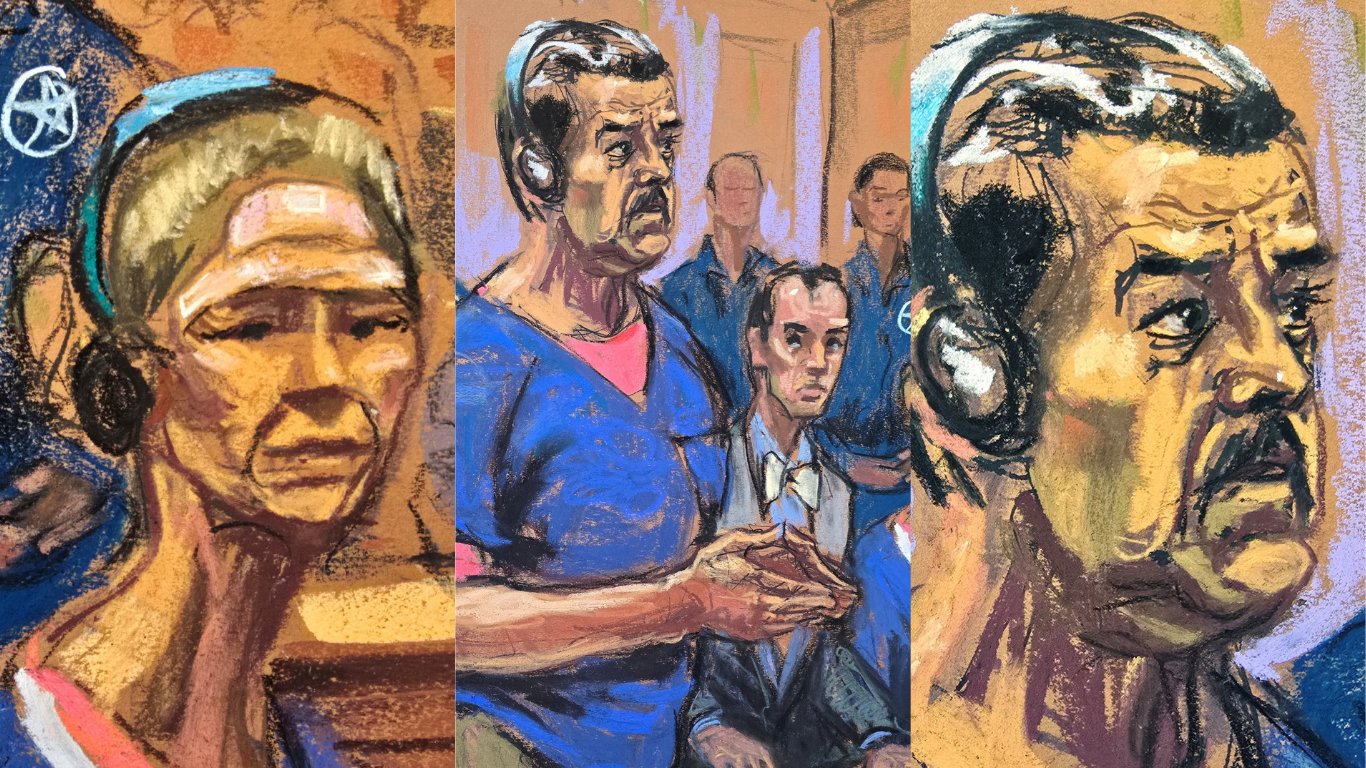
The third hearing in the case against Maduro and Flores concluded Wednesday at a federal court in New York after lasting only about 18 minutes. During the hearing, the judge preliminarily set June 2027 as the expected start date for the trial.
Advertisement
20260101_dengue_cubeta_728x90
20260101_dengue_barril_728x90
20260101_dengue_llanta_728x90
20260101_dengue_pileta_728x90
20260224_estafa_mh_728x90
20260212_constancia_pagos_mh_728x90
20250901_vacunacion_vsr-728x90
20250901_minsal_tetra_-728x90
20250701_vacunacion-influenza-728x90
20250701_vacunacion_vph-728x90
20250715_donacion_sangre_central_728x90
20231124_etesal_728x90_1
20230601_agenda_primera_infancia_728X90
domfuturo_netview-728x90
20240604_dom_728x90
CEL
One of the main arguments from the defense will focus on immunity. Maduro’s lead attorney, Barry Pollack, who has also represented WikiLeaks founder Julian Assange, said the defense plans to request immunity for both defendants, arguing that Maduro was serving as head of state and Flores as first lady at the time of their detention.
Both Maduro and Flores pleaded not guilty during their first court appearance in New York on January 5.
Meanwhile, Venezuela’s interim president Delcy Rodríguez, who assumed power after Maduro’s capture, has not yet commented on Wednesday’s hearing in the United States.