
Central America
El Salvador’s former presidents on U.S. Corrupt List
July 20 |
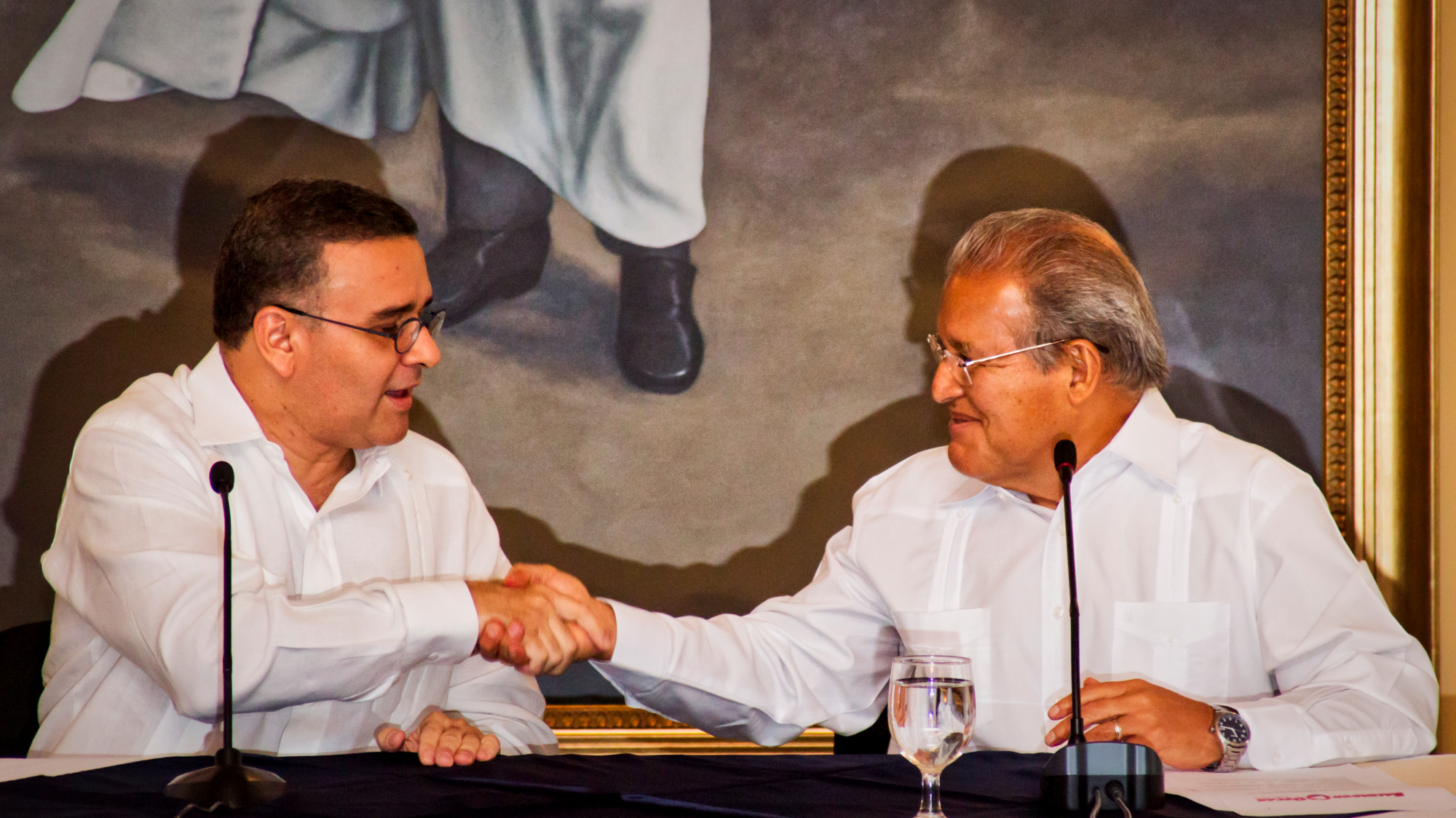
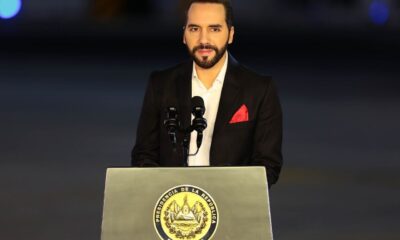
Former presidents Mauricio Funes and Salvador Sánchez Cerén, three former officials of Banco Hipotecario and Miguel Menéndez, known as Mecafé, were included in the list of corrupt actors, known as the Engel List, which was updated and published on Wednesday by the US State Department.
Both former presidents are being prosecuted for the diversion of funds from the secret item 54315 “reserved expenses” of the Presidency of the Republic. In the Funes administration the secret item amounted to $351.02 million and in the Sanchez Ceren administration it amounted to $187 million.
Also included were the former president of Banco Hipotecario, Carlos Alberto Ortiz; the former vice president of Banco Hipotecario, Carlos Enrique Cruz Arana; and the former compliance officer of Banco Hipotecario, Jolman Alexander Ayala, for having laundered millions of dollars and having received bribes, according to the US report.
The sixth mentioned in the list is the former president of the International Center of Fairs and Conventions (Cifco), Miguel Menéndez, close to former President Funes, accused by the US State Department of awarding a contract to a Guatemalan businessman in exchange for an airplane as a bribe. For this case Funes, who already has two prison sentences of 14 and 6 years in prison, will face trial in El Salvador.







































































Central America
EU Urges Nicaragua to Hold Free and Transparent Elections Amid Proposed Electoral Reforms
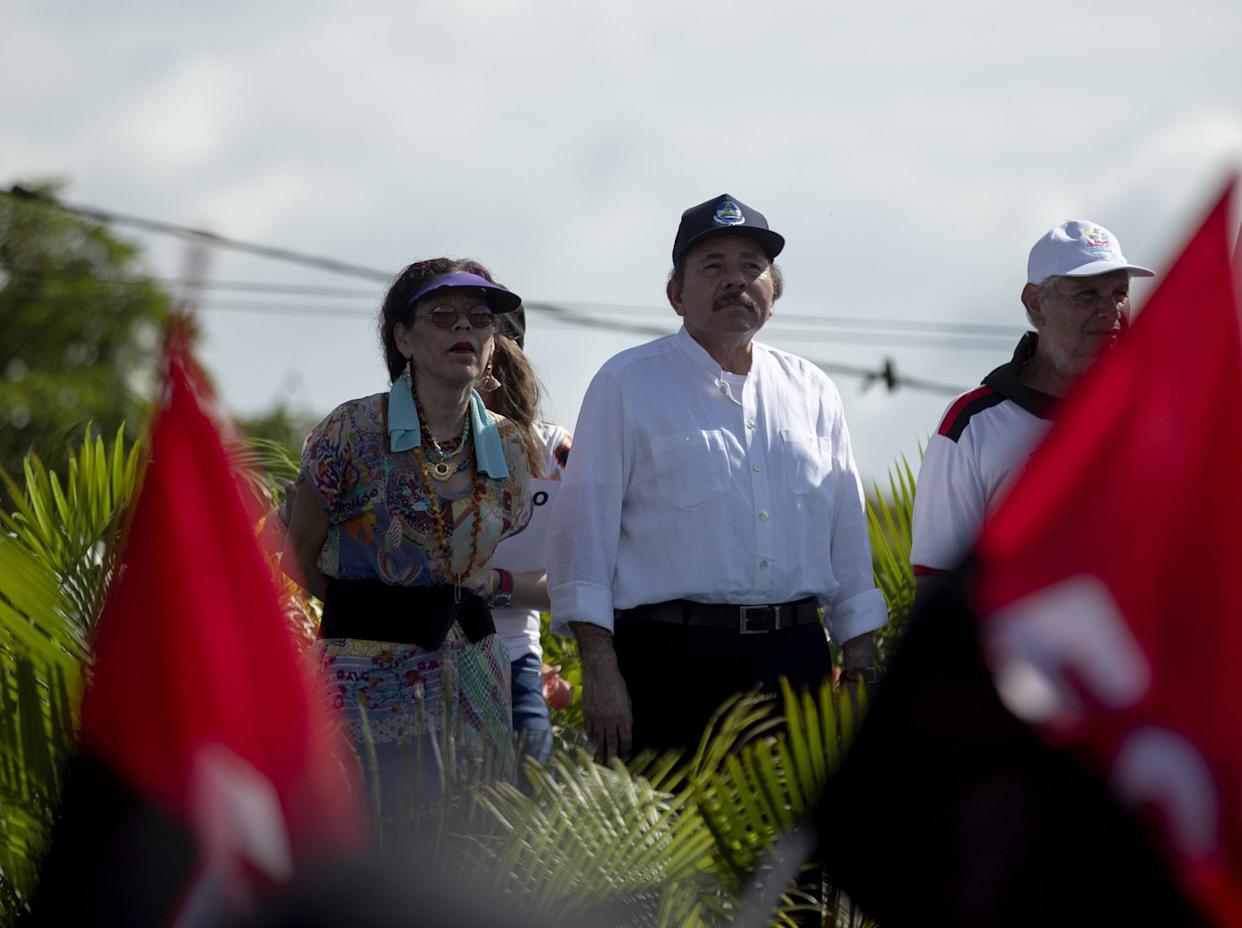
The European Union on Saturday called on Nicaragua to hold elections “in accordance with international standards” after the country’s co-president, Daniel Ortega, promoted electoral reforms that critics say would prevent opposition groups from participating in future elections.
Nicaragua’s National Assembly, which is controlled by allies of President Ortega and Co-President Rosario Murillo, announced on Wednesday that it would draft a package of constitutional and electoral reforms to be voted on in August. Legislative President Gustavo Porras said the changes are intended to prevent what he described as the “terrible manipulation by empires and their lackeys” in the country’s electoral process, referring to opposition groups.
In a statement issued on behalf of the European Union’s 27 member states, EU High Representative for Foreign Affairs and Security Policy Kaja Kallas urged the Nicaraguan authorities to preserve democratic principles.
“We call on the authorities to convene elections and ensure that they are held as originally scheduled and conducted in a transparent, inclusive, and credible manner, in accordance with international standards,” Kallas said.
The European Union also reiterated its condemnation of what it described as the Nicaraguan government’s “systemic repression.” Kallas called for dialogue between Ortega’s administration and opposition groups before any electoral reforms are implemented.
Ortega, who has been in power for nearly two decades, has faced repeated criticism from the international community over restrictions on political opponents and civil liberties.
In response to the growing international criticism, the Nicaraguan government announced on Friday that it will brief foreign diplomats on the proposed reforms, seeking to explain the objectives and scope of the legislative package before it is debated in Congress next month.
Central America
Honduras Warns of Possible New Dengue Epidemic as Cases Continue to Rise
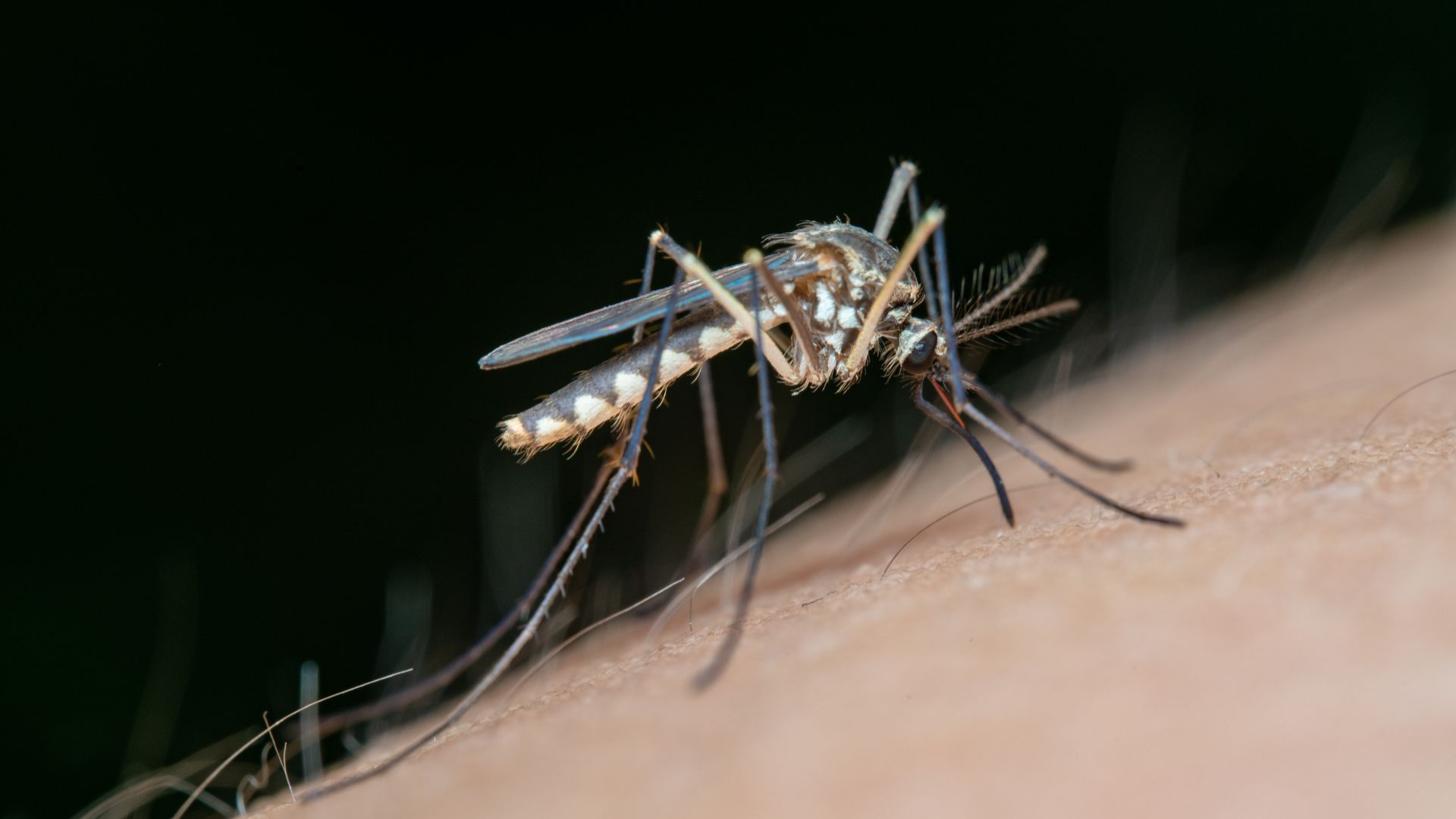
Honduras could be on the verge of a new dengue epidemic, according to physician and Honduran lawmaker Carlos Umaña, who warned about the sustained increase in cases across the country.
“We are on the verge of a new dengue epidemic because cases have been rising steadily,” Umaña said, urging citizens to take preventive measures. “Let’s eliminate breeding sites so we do not face fatal consequences later,” he added.
According to official data cited by Honduran media, the country had recorded 5,780 dengue cases nationwide through epidemiological week 26, covering the period from June 28 to July 4.
Of that total, 1,362 patients developed dengue with warning signs, while at least 100 cases progressed to severe dengue, increasing pressure on the national healthcare system.
Although current figures represent a decline of nearly 39% compared with the same period in 2025, when more than 9,400 cases had been reported, health authorities continue monitoring the situation due to the risk of a new surge.
Umaña warned that if the spread of the virus is not contained, Honduras could face an increase in fatalities, particularly among vulnerable groups such as children and adolescents.
Health officials continue urging the population to remove mosquito breeding sites and strengthen prevention measures to reduce transmission of the disease.
Central America
CDC Issues Level 2 Travel Alert for Costa Rica Amid Chikungunya Outbreak
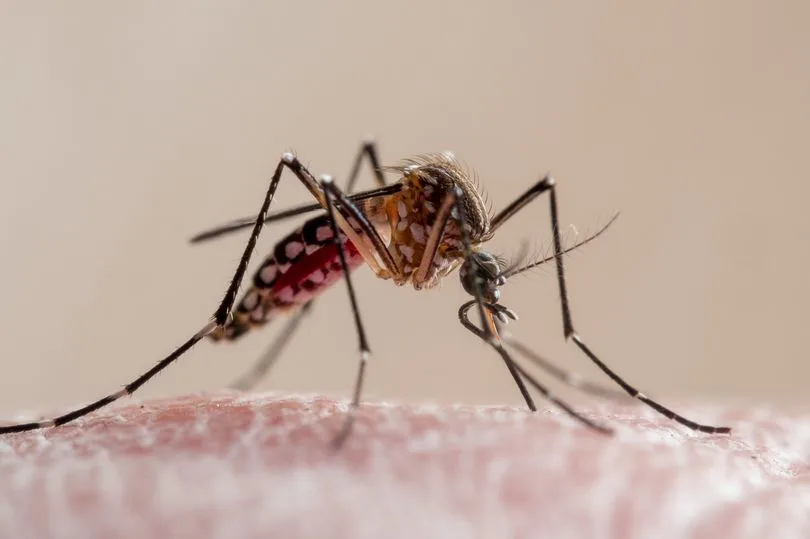
The U.S. Centers for Disease Control and Prevention (CDC) issued a Level 2 travel notice for Costa Rica following an outbreak of chikungunya, a mosquito-borne viral disease, urging U.S. travelers to “take additional precautions”when visiting the country.
On July 1, 2026, Costa Rica’s Ministry of Health declared an active chikungunya outbreak after confirming four casesand classifying 17 additional infections as probable among Costa Rican citizens and foreign nationals.
So far in 2026, Costa Rica has reported a total of 16 confirmed cases, including those linked to the current outbreak.
Chikungunya is a viral disease transmitted through the bite of infected mosquitoes. Symptoms usually appear three to seven days after a bite and may include high fever, severe joint and muscle pain, headaches, swelling, and skin rashes.
Although most people recover within about a week, some patients may experience persistent joint pain that can last for months or even years.
According to the CDC, there are currently no specific medications to treat chikungunya, but rest, adequate fluid intake, and over-the-counter pain relievers can help reduce symptoms.
The agency recommends that travelers visiting areas affected by chikungunya outbreaks consider vaccination as a preventive measure.
The CDC also warned that certain groups face a higher risk of developing severe illness, including newborns infected during birth, adults aged 65 and older, and people with underlying conditions such as diabetes or heart disease.
While chikungunya can cause significant health complications, the infection rarely results in death, health authorities said.


Portuguese Authorities Seize 2.6 Tons of Cocaine Worth More Than $550 Million in Drug Bust

U.S. and Iran Maintain Ceasefire as Trump Expresses Optimism Over New Talks

Police Investigate After Remains of Five Newborns Found in French Apartment
Tec de Monterrey honors one of its students for his contribution to nanotechnology in medicine

Defense Minister commends salvadoran soldier for Central American Cross Country victory

Extension of the state of emergency approved in southern Chile
-
 International5 days ago
Wildfires in France Burn Nearly Three Times More Land Than in 2025, Interior Minister Says
-
 International1 day ago
U.S. and Iran Maintain Ceasefire as Trump Expresses Optimism Over New Talks
-
 International1 day ago
Police Investigate After Remains of Five Newborns Found in French Apartment
-

 International5 days ago
Israel Says Saudi Recognition Would Mark ‘Historic Breakthrough’ for Middle East Peace
-
 International1 day ago
Portuguese Authorities Seize 2.6 Tons of Cocaine Worth More Than $550 Million in Drug Bust
-

 International2 days ago
Costa Rica Seeks to Expand Extradition Law to Target Organized Crime
-

 International2 days ago
China Accuses U.S. AI Firms of Using Chinese Models to Train Artificial Intelligence
-
 Central America3 days ago
EU Urges Nicaragua to Hold Free and Transparent Elections Amid Proposed Electoral Reforms
-

 International2 days ago
Three Killed, Four Injured in Shooting Near Seattle’s Space Needle