
International
Five mexicans detained in North Carolina immigration raids, Sheinbaum confirms
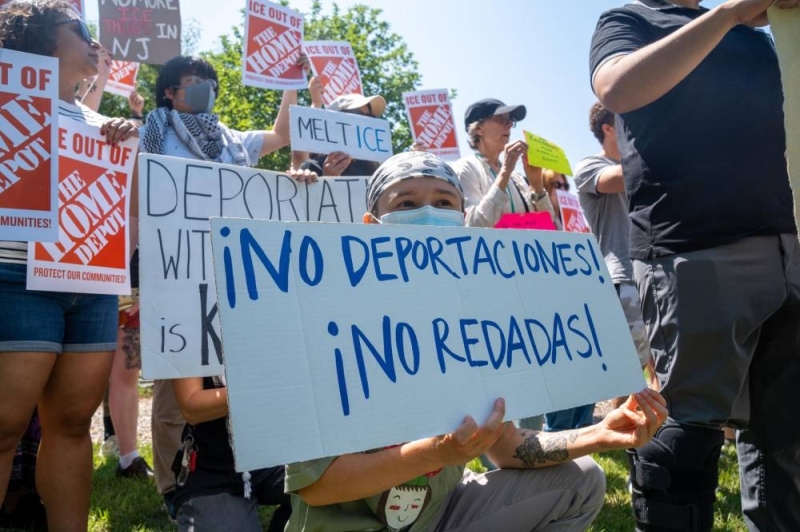
Mexico’s President Claudia Sheinbaum confirmed on Tuesday that five Mexican citizens were detained during immigration raids carried out over the weekend in North Carolina, United States. She indicated that the federal government is already providing assistance and consular protection to those affected.
“There are five Mexican nationals in custody, and the Consulate General of Mexico in Raleigh is in communication with them to provide assistance and consular protection,” Sheinbaum said during her morning press conference. She reiterated that protecting Mexicans abroad is a priority for her administration, and that the Foreign Ministry will closely follow the case.
The announcement comes after an operation known as Charlotte’s Web, conducted by U.S. immigration authorities in the city of Charlotte, the state’s financial hub. The raid resulted in at least 81 arrests, including Mexican and Honduran nationals.
The operation focused on targeting “illegal aliens with criminal records,” according to the Department of Homeland Security (DHS), which cited more than 1,400 outstanding arrest warrants that have not been executed due to so-called sanctuary policies in certain cities.
However, North Carolina Governor Josh Stein stated that “the vast majority” of those detained do not have criminal records. Stein urged the public to document immigration operations and protest peacefully, as already witnessed in cities such as Los Angeles, Chicago, and Portland.









One of the most widely shared cases online is that of Willy Aceituno, a U.S. citizen born in Honduras, who reported being violently detained by immigration agents despite having valid documentation. DHS responded by accusing him of “erratic behavior” and claiming that an agent was injured after a civilian crashed their vehicle during the operation.






International
Mexico leads global cases of enforced disappearances, UN report finds
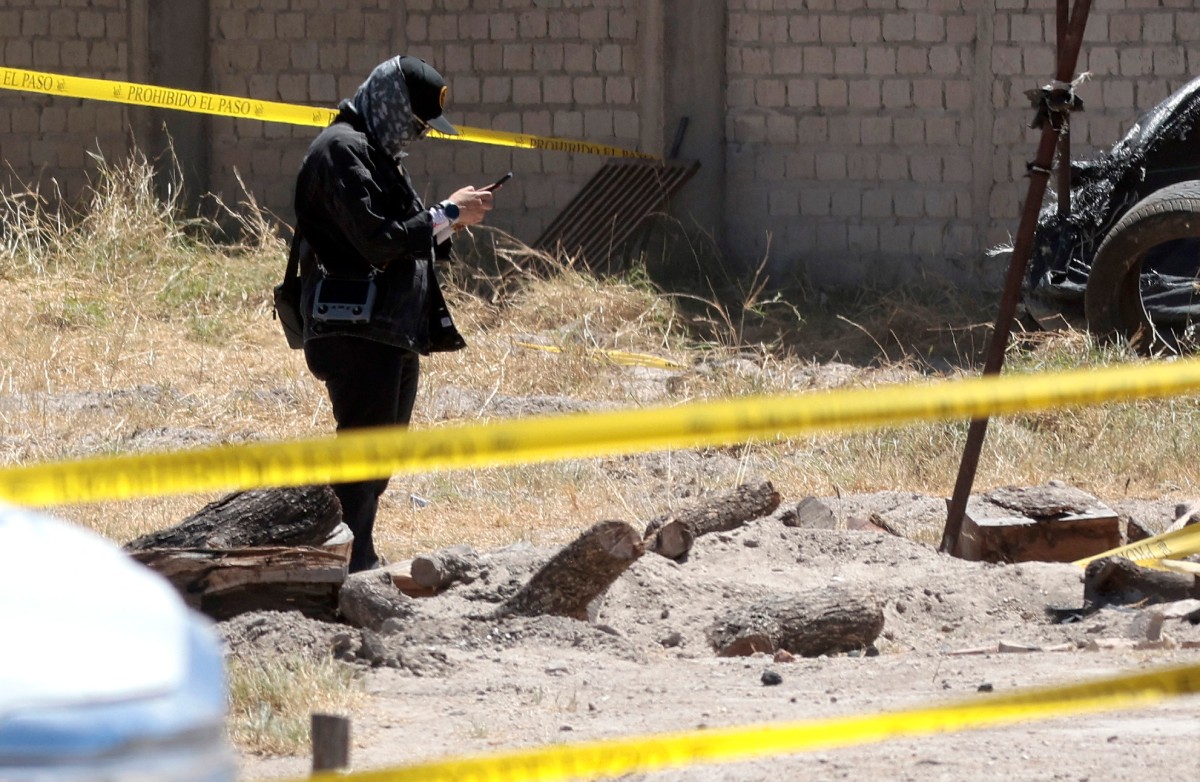
Mexico accounts for the highest number of urgent actions related to enforced disappearances worldwide, according to the latest report by the UN Committee on Enforced Disappearances.
The report, released by I(dh)eas, indicates that Mexico has accumulated 819 cases between 2012 and February 2026, representing 38% of the global total.
In the past five months alone, 40 new urgent requests have been recorded — more than one-third of all such actions worldwide during that period.
The report warns that this trend reflects a structural problem, as the urgent action mechanism — originally intended as an exceptional measure — has become routine in Mexico.
Although the Mexican state formally complies with response deadlines, the Committee identified significant shortcomings in the implementation of these measures. These include the lack of comprehensive search plans, delays in key investigative procedures such as video surveillance and phone data analysis, and insufficient inquiries into possible links involving state agents.
The report also highlights inadequate protection for relatives and individuals involved in search efforts, including cases of reprisals.
Among the most serious incidents documented is the disappearance of a father who had denounced alleged involvement of authorities in his son’s case in the state of Guanajuato.
The accumulation of cases could lead to the application of Article 34 of the Convention, which would allow for the launch of an international investigation into systematic enforced disappearances.
Geographically, the state of Chiapas accounts for 30% of the new urgent actions, many of them linked to collective disappearances of migrants.
International
Le pape Léon XIV appelle à relancer le dialogue pour une paix au Moyen-Orient
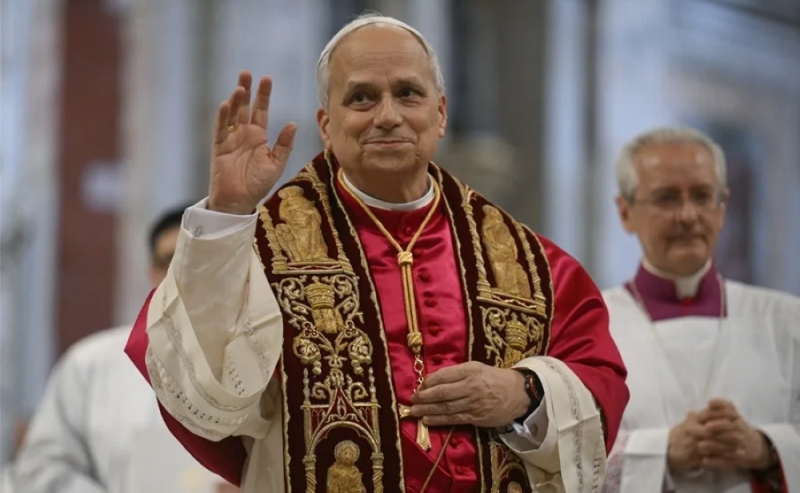
Le pape Léon XIV s’est entretenu par téléphone ce vendredi avec le président d’Israël, Isaac Herzog, soulignant la « nécessité de rouvrir » les canaux de dialogue afin de parvenir à une « paix juste » au Moyen-Orient.
Selon un communiqué du Vatican, les deux dirigeants ont insisté sur l’importance de relancer tous les mécanismes diplomatiques pour mettre fin au conflit en cours et œuvrer en faveur d’une paix durable dans la région.
Le communiqué précise également que les discussions ont porté sur la protection des populations civiles et sur le respect du droit international et humanitaire.
Cet échange intervient dans le contexte de la Semaine sainte, cinq jours après un incident à Jérusalem, où la police israélienne avait empêché le cardinal Pierbattista Pizzaballa de célébrer la messe du Dimanche des Rameaux au Saint-Sépulcre.
Le lendemain, le secrétaire d’État du Vatican, Pietro Parolin, avait convoqué l’ambassadeur israélien auprès du Saint-Siège, Yaron Sideman, pour exprimer le mécontentement du Vatican face à cet incident qualifié de « regrettable ».
Cette situation avait suscité une vive réaction internationale, poussant le Premier ministre israélien Benjamin Netanyahu à intervenir pour assurer que le cardinal pourrait accéder au lieu saint.
De son côté, Herzog a confirmé l’échange sur son compte X, indiquant que les discussions ont également porté sur des sujets régionaux, notamment la guerre en Iran et la situation au Liban.
Le pape, d’origine américaine, participe actuellement à sa première Semaine sainte depuis son élection et doit présider ce soir le chemin de croix au Vatican.
International
Devotees in Philippines mark Holy Week with extreme rituals despite rising costs
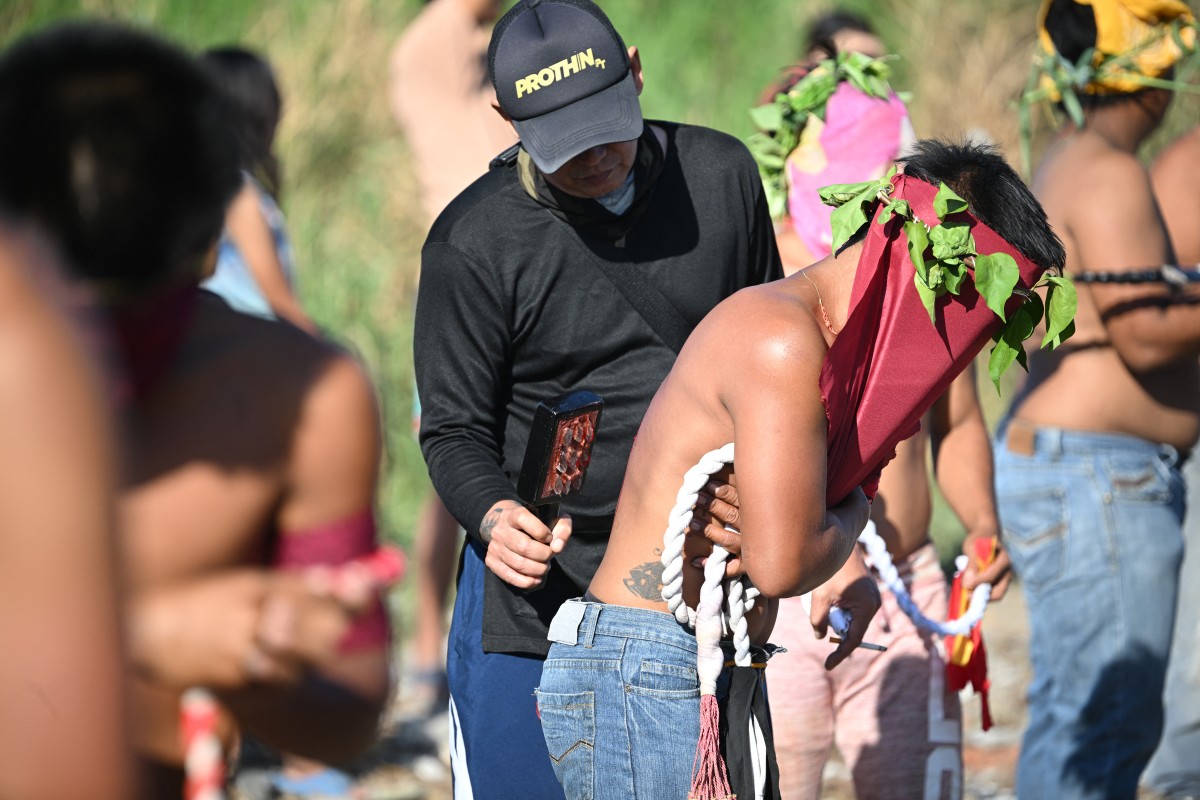
Despite rising fuel prices driven by the conflict in the Middle East, thousands of devotees in Philippines took part this year in one of the country’s most intense Holy Week traditions.
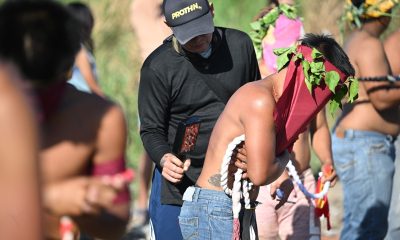
In the city of San Fernando, located in Pampanga province, dozens of bare-chested penitents with covered faces walked barefoot along dusty streets, whipping their backs with bamboo lashes as part of a ritual that can draw up to 12,000 local and foreign visitors.
Journalists from Agence France-Presse reported seeing participants piercing their skin with glass shards attached to small wooden paddles to ensure bleeding during the ceremony — an act believed to atone for sins and seek divine intervention.
“I do this to pray for the healing of my seven-month-old baby, who is suffering from pneumonia,” said a devotee identified as John David at the start of the procession.
The 49-year-old participant explained that the practice runs in his family. “My grandfather started this, then my father, and now it’s my turn. I have witnessed healing miracles over the years through this act of faith,” he said.
Many attendees traveled for hours to witness the climax of the ritual, in which some penitents allow nails, measuring about seven centimeters, to be driven into their hands before being raised on crosses in a reenactment of crucifixion.

Mexico leads global cases of enforced disappearances, UN report finds

Le pape Léon XIV appelle à relancer le dialogue pour une paix au Moyen-Orient

Devotees in Philippines mark Holy Week with extreme rituals despite rising costs
Tec de Monterrey honors one of its students for his contribution to nanotechnology in medicine

Defense Minister commends salvadoran soldier for Central American Cross Country victory

Extension of the state of emergency approved in southern Chile
-
 International4 days ago
White House says Cuba policy unchanged despite sanctioned fuel shipment
-
 International3 days ago
Rubio signals possible engagement with Iranian factions amid internal divisions
-

 International3 days ago
King Charles III to visit the U.S. on first state trip since taking the throne
-

 International3 days ago
Leopoldo López thanks Spain for fast-track citizenship but says “I am still Venezuelan”
-

 International2 days ago
New York City lifts TikTok ban on government devices under new security rules
-

 Central America3 days ago
El Salvador sees 45% surge in international tourists during holiday period
-

 International2 days ago
Spain rebukes U.S. over euthanasia case as minister defends legal framework
-
International4 days ago
Spain to grant citizenship to Venezuelan opposition leader Leopoldo López
-
 Internacionales4 hours ago
Ecuador extends state of emergency amid escalating violence and crime crackdown
-
 International1 hour ago
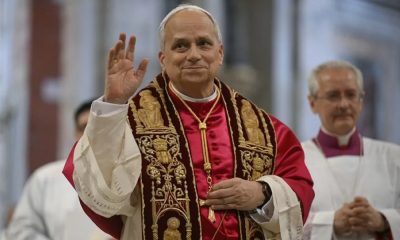
Le pape Léon XIV appelle à relancer le dialogue pour une paix au Moyen-Orient
-
 International4 hours ago
Devotees in Philippines mark Holy Week with extreme rituals despite rising costs
-
 International1 hour ago
Mexico leads global cases of enforced disappearances, UN report finds