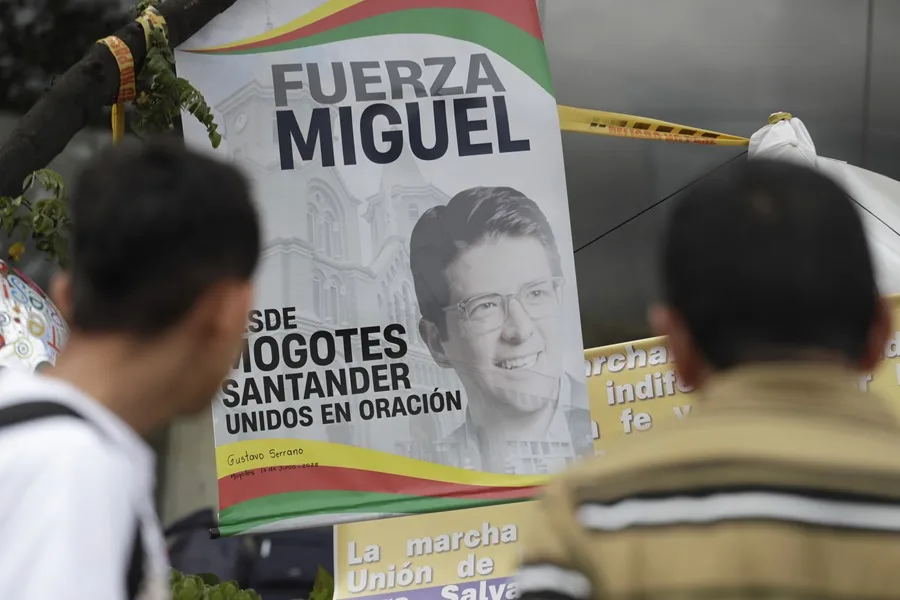
Colombian senator and presidential candidate Miguel Uribe Turbay, seriously injured in the head in an attack on June 7, has had a clinical improvement and a process of neurological rehabilitation began, reported this Monday the Santa Fe Foundation of Bogotá, where he has been hospitalized since then.
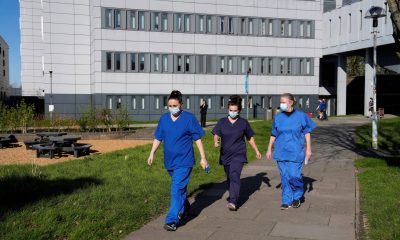
“During the last few days the patient has shown a favorable and stable clinical response, evidenced both in the recent diagnostic images taken (magnetic resonance, tomography, Doppler, among others), and in his response to surgical and medical interventions,” says the medical report.
According to the Santa Fe Foundation, “in this context, and as part of the comprehensive care process, the neurorehabilitation protocol was initiated.”
The medical report, the first disclosed by the Santa Fe Foundation in the last eleven days, points out, however, that the 39-year-old politician continues with a “reserved” neurological prognosis.
“Miguel Uribe Turbay requires continuing his management in the Intensive Care Unit, with mechanical ventilatory support and under sedation, as well as with hemodynamic and neurological monitoring for the early detection of any change,” the statement adds.
Advertisement
20260224_estafa_mh_728x90
20260212_constancia_pagos_mh_728x90
20250701_dengue_728x90
20250901_vacunacion_vsr-728x90
20250901_minsal_tetra_-728x90
20250701_vacunacion-influenza-728x90
20250701_vacunacion_vph-728x90
20250715_donacion_sangre_central_728x90
20231124_etesal_728x90_1
20230601_agenda_primera_infancia_728X90
domfuturo_netview-728x90
20240604_dom_728x90
CEL
Uribe Turbay, a member of the right-wing Democratic Center party, was shot twice in the head and one in the left leg when he was leading a rally in a park in the Bogota neighborhood of Modelia, an attack that has revived among Colombians the ghost of political violence that marked the 1990 elections in which three presidential candidates were killed.
Due to the severity of the injuries suffered, the politician, one of the candidates of the Democratic Center for the 2026 presidential elections, has undergone several surgeries in Santa Fe.
The authorities, for their part, have made some progress in the investigation of the attack, for which five people have been arrested, including the hit man who shot him, a 15-year-old boy who was found with a Glock pistol used in the attack.
The other four detainees have been accused by the Prosecutor’s Office of participating in the preparation and cover-up of the attack, and among them is Elder José Arteaga Hernández, alias ‘el Costeño’, considered by the authorities as a key piece for being the alleged organizer of the attempted murder.
IEA warns Middle East conflict could spark worst energy crisis in decades
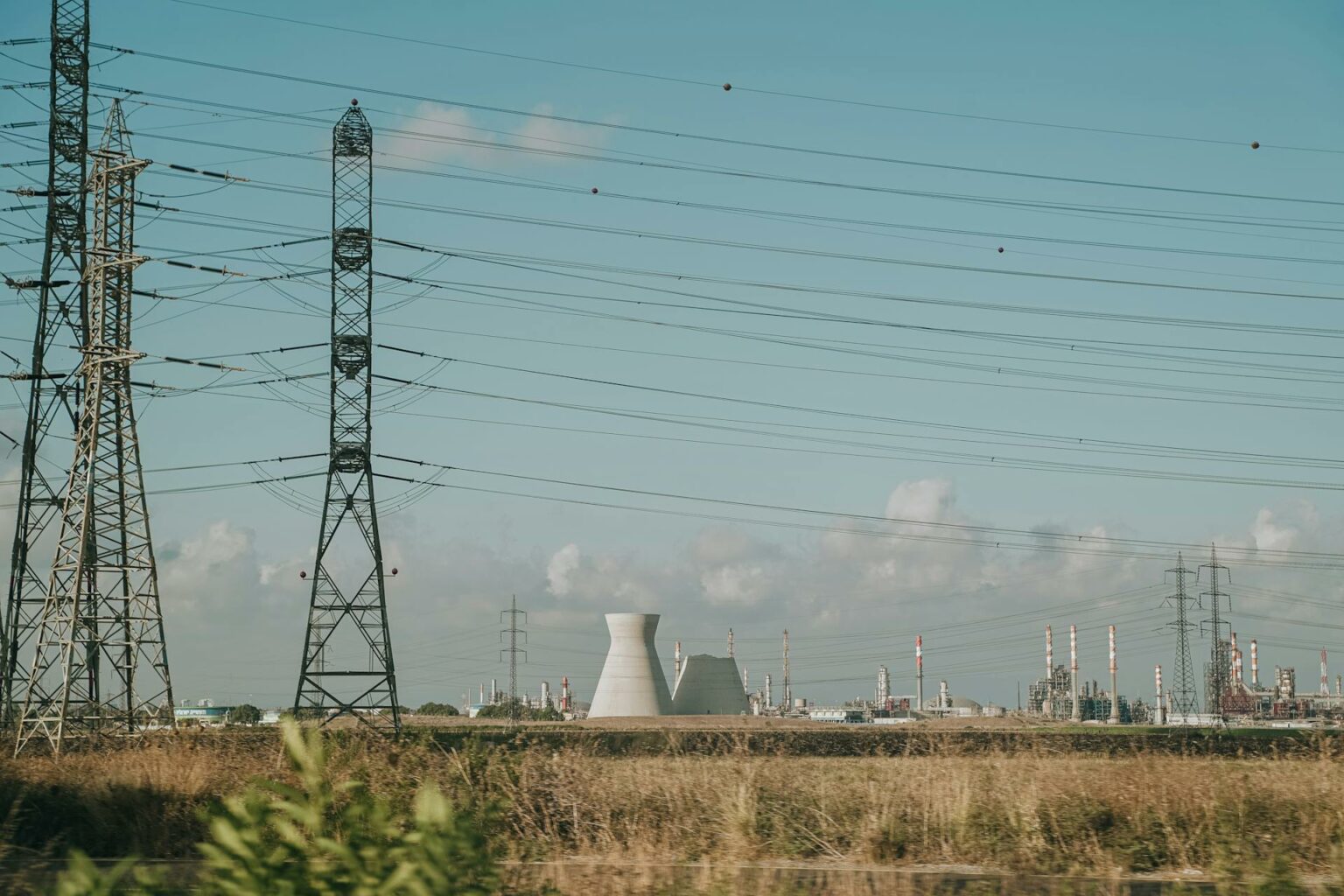
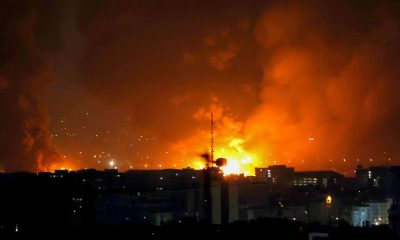
The ongoing conflict in the Middle East could trigger the worst energy crisis in decades, warned Fatih Birol, head of the International Energy Agency (IEA), who described the situation as “very serious.”
Speaking at the National Press Club in Canberra, Birol compared the current scenario to the oil crises of the 1970s, noting that during those events the world lost around five million barrels of oil per day in each crisis.
“Today, we have lost 11 million barrels per day—more than the two major oil shocks combined,” he said.
The Turkish economist referred to the conflict that began on February 28, following attacks by the United States and Israel against Iran, which have significantly disrupted global energy markets and driven oil prices higher.
Birol warned that the global economy is facing a “very, very serious threat” and expressed hope that the crisis will be resolved soon.
Advertisement
20260224_estafa_mh_728x90
20260212_constancia_pagos_mh_728x90
20250701_dengue_728x90
20250901_vacunacion_vsr-728x90
20250901_minsal_tetra_-728x90
20250701_vacunacion-influenza-728x90
20250701_vacunacion_vph-728x90
20250715_donacion_sangre_central_728x90
20231124_etesal_728x90_1
20230601_agenda_primera_infancia_728X90
domfuturo_netview-728x90
20240604_dom_728x90
CEL
“No country will be immune to the effects of this crisis if it continues in this direction. Global efforts are urgently needed,” he emphasized.
Colombian Air Force Hercules plane crashes during takeoff with troops onboard
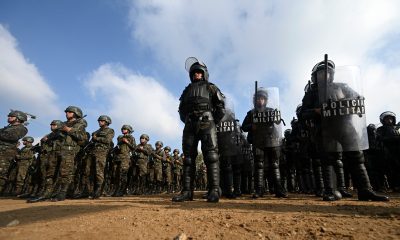
A Lockheed C-130 Hercules operated by the Colombian Air Force was involved in a “tragic accident” while taking off from Puerto Leguízamo, in the Putumayo department of southern Colombia, as it was transporting troops, Defense Minister Pedro Sánchez reported on Monday.
The minister stated on social media that the exact number of victims and the causes of the crash have not yet been determined. He also extended his condolences to the families affected and urged the public to avoid speculation until official information is confirmed.
“This is a deeply painful event for the country. Our prayers are with the victims and their families,” Sánchez said, adding that emergency protocols have been activated and an investigation is underway.
Meanwhile, President Gustavo Petro expressed hope that there would be no fatalities in what he described as a “horrific accident that should not have happened.”
Petro also highlighted ongoing efforts to modernize the country’s air fleet and reiterated the need to acquire new helicopters and transport aircraft to strengthen military mobility, particularly in remote regions.
Advertisement
20260224_estafa_mh_728x90
20260212_constancia_pagos_mh_728x90
20250701_dengue_728x90
20250901_vacunacion_vsr-728x90
20250901_minsal_tetra_-728x90
20250701_vacunacion-influenza-728x90
20250701_vacunacion_vph-728x90
20250715_donacion_sangre_central_728x90
20231124_etesal_728x90_1
20230601_agenda_primera_infancia_728X90
domfuturo_netview-728x90
20240604_dom_728x90
CEL
According to local media reports, approximately 110 soldiers were on board the aircraft. So far, at least 20 injured military personnel have been rescued.
Paris prosecutors alert U.S. over alleged deepfake strategy linked to Elon Musk
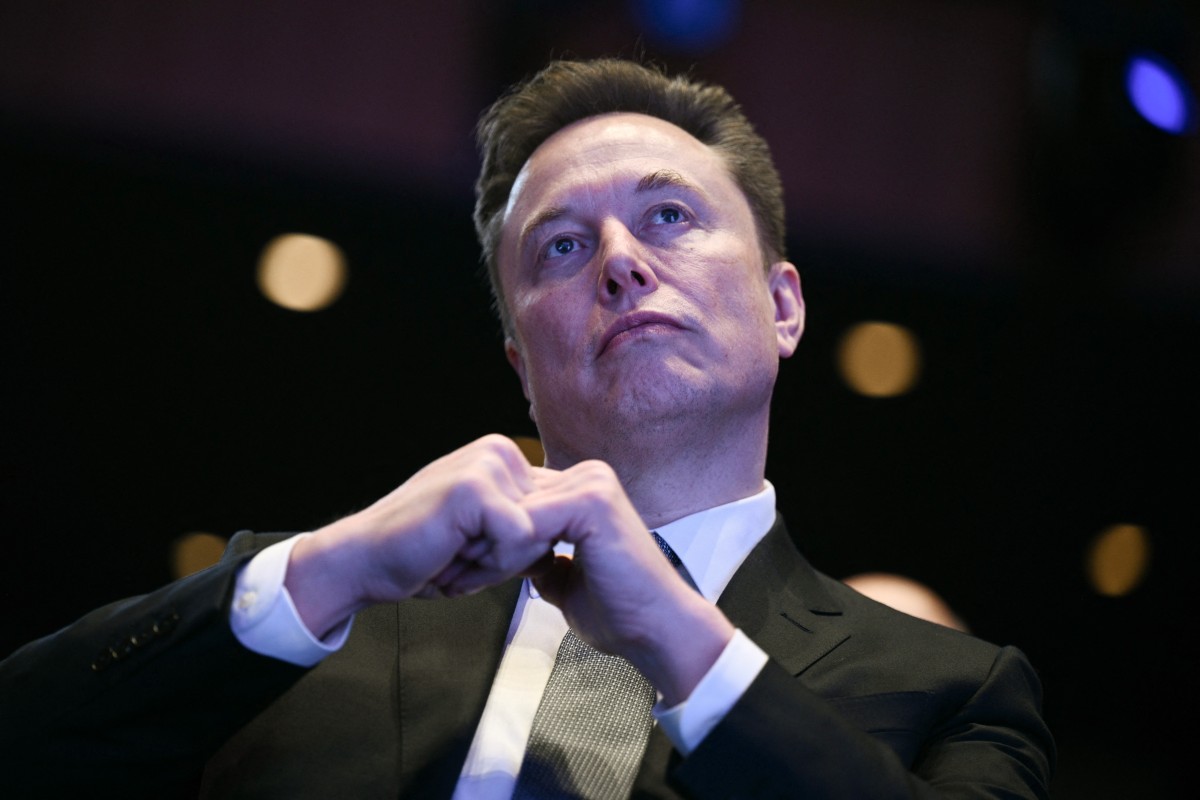
The Paris Prosecutor’s Office said on Saturday that it had alerted authorities in the United States over suspicions that tech entrepreneur Elon Musk may have encouraged the spread of sexualized deepfake content on the social platform X to artificially boost the company’s valuation.
According to prosecutors, the controversy surrounding explicit AI-generated videos—reportedly linked to Grok, the platform’s artificial intelligence system—may have been deliberately triggered to increase the market value of X and X AI.
The office added that the alleged strategy could be tied to the planned June 2026 public listing of a new entity formed through the merger of SpaceX and X AI.
French authorities said they contacted the U.S. Department of Justice as well as legal representatives at the U.S. Securities and Exchange Commission (SEC) earlier this week to share their concerns.
Responding on X in French to a report about the case, Musk referred to French prosecutors using an offensive term.
Advertisement
20260224_estafa_mh_728x90
20260212_constancia_pagos_mh_728x90
20250701_dengue_728x90
20250901_vacunacion_vsr-728x90
20250901_minsal_tetra_-728x90
20250701_vacunacion-influenza-728x90
20250701_vacunacion_vph-728x90
20250715_donacion_sangre_central_728x90
20231124_etesal_728x90_1
20230601_agenda_primera_infancia_728X90
domfuturo_netview-728x90
20240604_dom_728x90
CEL
When contacted, X’s legal representative in France did not immediately comment.
Grok, the platform’s AI system, has its own account on X, allowing users to interact with it or request content generation. For a period, users were able to tag the bot in posts to generate or edit images, a feature that may have facilitated the spread of such material.