
International
Maradona’s house arrest is again a focus of tension in the trial for his death
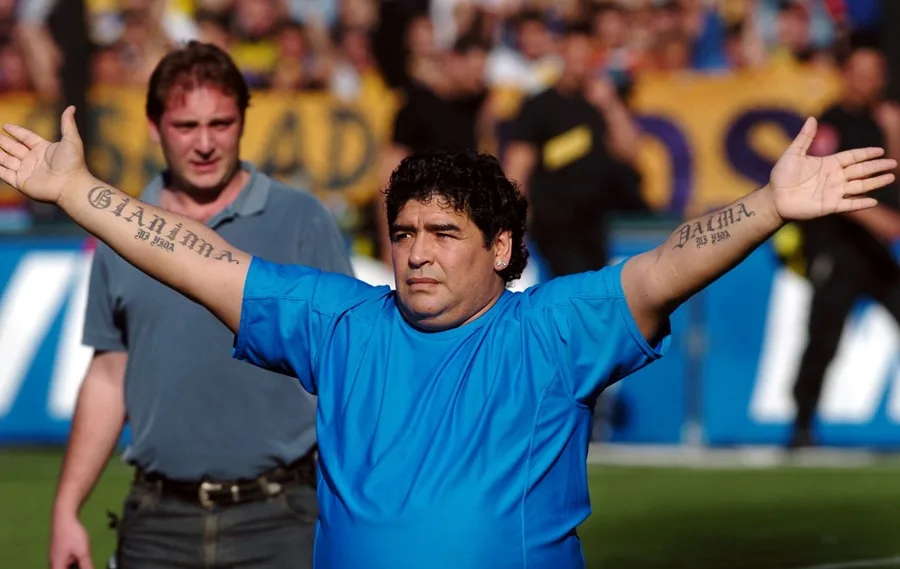
The decision for Diego Armando Maradona to recover from his last operation in a home hospitalization was today the focus of a new hearing of the trial for his death, in which a revealing recording was known where one of the accused doctors urged another to modify the historic clinic of the former footballer so as not to be legally responsible for the decision of home hospitalization.
Tuesday’s hearing had the testimony of psychiatrist Ana Marcela Waisman Campos, who was in contact with Maradona’s medical team during his hospitalization at the Olivos Clinic, located on the outskirts of the city of Buenos Aires.
In that clinic, the Argentine idol was operated on on November 3, 2020 for a subdural hematoma on his head, and remained there until the 11th of the same month, when he was transferred to a home in Tigre (province of Buenos Aires) to travel there for the rest of his recovery.
Waisman Campos stated that he visited the star in the clinic but that he refused to be treated by her.
The doctor also referred to her contacts with Maradona’s psychiatrist, Agustina Cosachov, and said that she was in contact with her during those days and that they discussed the case of the former soccer player.









During the hearing, in addition to making known conversations between the two on medical issues, an audio sent on November 10 by Cosachov to Maradona’s family doctor, Leopoldo Luque, was reproduced, in which she mentioned a recommendation by Waisman Campos to eliminate from the former footballer’s medical record the participation of both in the decision of home admission.
“This psychiatrist threw me some tips that I think are good regarding something that we have to put in the medical history before Diego leaves, that you can write because they put a lot of ‘family doctor, family doctor’ to be legally protected,” begins the recording, in which Cosachov is also heard warning Luque that the clinical history of the Olivos Clinic indicated that the decision of home hospitalization had been made jointly between the doctors and the family.
“So, she suggested to me, and the truth is that I respect her position very much in this, that legally it suited us, which is actually true, to make a last evaluation saying that the family, let’s say, in the face of the different therapeutic options, is the one who, understanding and understanding the risks of the options, agree and opt for home hospitalization, because legally we are more covered,” Cosachov adds in the recording.
The question of who chose to have Maradona recover in a home instead of in a clinic is one of the keys to the trial for his death.
The information provided by the witnesses who have testified so far indicates that, while the former footballer was recovering in the clinic, a meeting was held between relatives, doctors from the clinic, from the prepaid medicine company Swiss Medical and Luque and Cosachov in which two alternatives were considered: continue with the treatment in a rehabilitation clinic or do it in a home under the modality of home hospitalization.
Given Maradona’s pre-existing pathologies, the complaint states that the home hospitalization that was finally opted for was “a way to sentence him to death.”
Two of Maradona’s daughters, as well as their ex-partner Verónica Ojeda, declared in recent weeks that Luque was very clear in his recommendation that the former footballer recover in a house and flatly ruled out the option of admitting him – willfully or by force – to a clinic.
“We discussed the 3 options, it didn’t seem so bad because they promised us the same thing (in home hospitalization) as at the Olivos Clinic, and it never happened. They deceived us in the cruelest way,” said Dalma Maradona, one of the idol’s daughters, last Tuesday, who assured that the conditions of the house where their father was admitted did not fit what they had promised them.
On the housing conditions and the medical treatment that Maradona received there, two Swiss Medical workers told on Tuesday, who disconnected the prepaid medicine company from the failures in the care of the former footballer.
In addition to Luque, Cosachov, the doctor and coordinator of the Swiss Medical company, Nancy Forlini, the psychologist Carlos Díaz, the doctor Pedro Di Spagna, the coordinator of nurses Mariano Perroni and the nurse Ricardo Almirón are tried in this process.
Nurse Gisela Madrid is also on trial but will face a jury trial, as requested.
In this process, judges Maximiliano Savarino, Verónica Di Tommaso and Julieta Makintach must determine whether seven of the eight defendants are guilty of the crime of simple homicide with eventual malice, which has a maximum penalty of 25 years in prison.






International
IEA warns Middle East conflict could spark worst energy crisis in decades
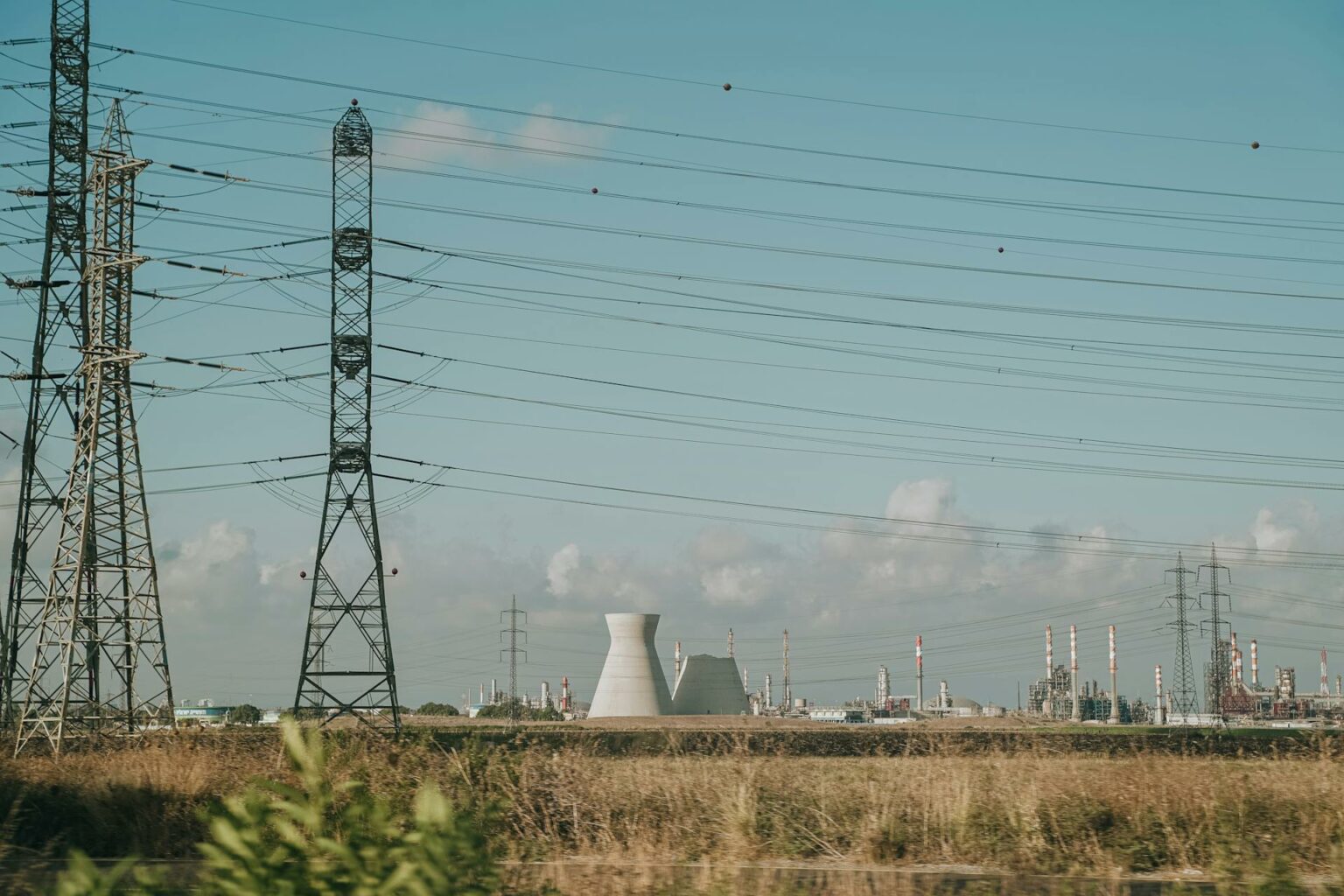
The ongoing conflict in the Middle East could trigger the worst energy crisis in decades, warned Fatih Birol, head of the International Energy Agency (IEA), who described the situation as “very serious.”
Speaking at the National Press Club in Canberra, Birol compared the current scenario to the oil crises of the 1970s, noting that during those events the world lost around five million barrels of oil per day in each crisis.
“Today, we have lost 11 million barrels per day—more than the two major oil shocks combined,” he said.
The Turkish economist referred to the conflict that began on February 28, following attacks by the United States and Israel against Iran, which have significantly disrupted global energy markets and driven oil prices higher.
Birol warned that the global economy is facing a “very, very serious threat” and expressed hope that the crisis will be resolved soon.
“No country will be immune to the effects of this crisis if it continues in this direction. Global efforts are urgently needed,” he emphasized.
International
Colombian Air Force Hercules plane crashes during takeoff with troops onboard
A Lockheed C-130 Hercules operated by the Colombian Air Force was involved in a “tragic accident” while taking off from Puerto Leguízamo, in the Putumayo department of southern Colombia, as it was transporting troops, Defense Minister Pedro Sánchez reported on Monday.
The minister stated on social media that the exact number of victims and the causes of the crash have not yet been determined. He also extended his condolences to the families affected and urged the public to avoid speculation until official information is confirmed.
“This is a deeply painful event for the country. Our prayers are with the victims and their families,” Sánchez said, adding that emergency protocols have been activated and an investigation is underway.
Meanwhile, President Gustavo Petro expressed hope that there would be no fatalities in what he described as a “horrific accident that should not have happened.”
Petro also highlighted ongoing efforts to modernize the country’s air fleet and reiterated the need to acquire new helicopters and transport aircraft to strengthen military mobility, particularly in remote regions.
According to local media reports, approximately 110 soldiers were on board the aircraft. So far, at least 20 injured military personnel have been rescued.
International
Paris prosecutors alert U.S. over alleged deepfake strategy linked to Elon Musk
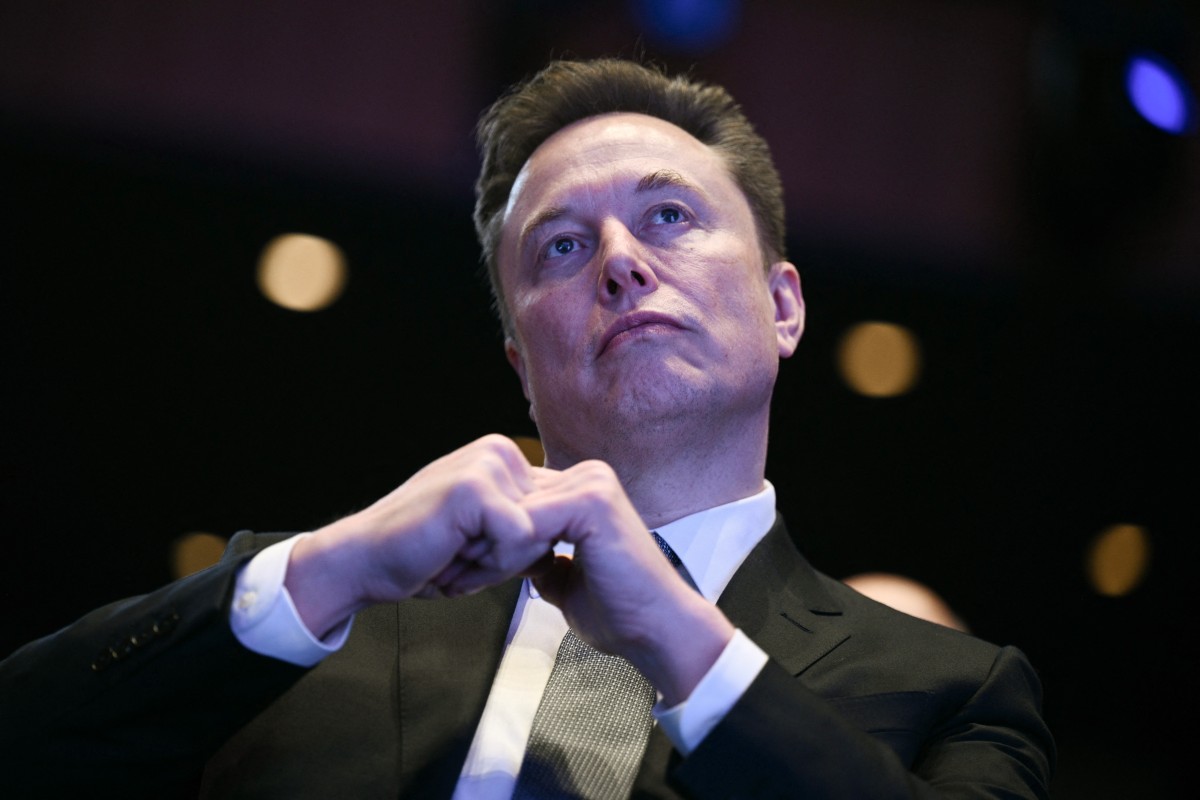
The Paris Prosecutor’s Office said on Saturday that it had alerted authorities in the United States over suspicions that tech entrepreneur Elon Musk may have encouraged the spread of sexualized deepfake content on the social platform X to artificially boost the company’s valuation.
According to prosecutors, the controversy surrounding explicit AI-generated videos—reportedly linked to Grok, the platform’s artificial intelligence system—may have been deliberately triggered to increase the market value of X and X AI.
The office added that the alleged strategy could be tied to the planned June 2026 public listing of a new entity formed through the merger of SpaceX and X AI.
French authorities said they contacted the U.S. Department of Justice as well as legal representatives at the U.S. Securities and Exchange Commission (SEC) earlier this week to share their concerns.
Responding on X in French to a report about the case, Musk referred to French prosecutors using an offensive term.
When contacted, X’s legal representative in France did not immediately comment.
Grok, the platform’s AI system, has its own account on X, allowing users to interact with it or request content generation. For a period, users were able to tag the bot in posts to generate or edit images, a feature that may have facilitated the spread of such material.

Panama seizes over 1,200 drug packages in container bound for Lithuania

IEA warns Middle East conflict could spark worst energy crisis in decades

Colombian Air Force Hercules plane crashes during takeoff with troops onboard
Tec de Monterrey honors one of its students for his contribution to nanotechnology in medicine

Defense Minister commends salvadoran soldier for Central American Cross Country victory

Extension of the state of emergency approved in southern Chile
-
 Sin categoría14 hours ago
Tehran engulfed in toxic cloud after strikes on fuel facilities
-
 Central America4 days ago
Guatemala narrows emergency measures to hardest-hit gang violence areas
-
 International5 days ago
Meningitis outbreak in England rises to 27 cases with two deaths reported
-
 International5 days ago
U.S. lowers travel advisory for much of Venezuela but keeps high-risk zones under warning
-
 International4 days ago
US panel backs Trump-themed coin amid controversy
-

 International5 days ago
EU lawmakers move to ban AI tools that generate non-consensual nude images
-
 International14 hours ago
IEA warns Middle East conflict could spark worst energy crisis in decades
-
 Central America14 hours ago
Panama seizes over 1,200 drug packages in container bound for Lithuania
-
 International5 days ago
Brazil offers to mediate Colombia-Ecuador tensions, calls for restraint
-
 International4 days ago
Fed’s Waller warns of rising inflation risks amid Middle East conflict
-
 International2 days ago
Netanyahu vows to target Iran’s leadership after missile strikes in southern Israel
-
 International14 hours ago
Colombian Air Force Hercules plane crashes during takeoff with troops onboard
-
 International2 days ago
Paris prosecutors alert U.S. over alleged deepfake strategy linked to Elon Musk