
International
DHS official recognizes El Salvador as key ally in combating irregular migration

The U.S. Department of Homeland Security’s Deputy Under Secretary for Public Affairs, Tricia McLaughlin, recognized El Salvador as a key partner in the fight against irregular migration. As part of this partnership, Homeland Security Secretary Kristi Noem will not only tour the Terrorism Confinement Center (Cecot) on Wednesday but will also share details about the CBP Home application, which allows irregular migrants to opt for voluntary departure.
“Our partner countries are incredibly important when it comes to deporting these individuals from our country, particularly criminal foreign nationals. We will also discuss the CBP Home app and how to use it for self-deportation,” McLaughlin told Diario El Salvador during a press conference ahead of Noem’s visit to El Salvador.
Her visit comes just 10 days after the deportation of 238 members of the Venezuelan criminal organization Tren de Aragua, who were placed in Cecot. Additionally, Noem will provide further information on the CBP Home application.
In early March, the Department of Homeland Security (DHS) announced the replacement of the CBP One mobile app—originally designed for asylum applications in the U.S.—with the newly rebranded CBP Home. This free service enables irregular migrants to notify the Trump Administration of their voluntary departure from the United States.
The app provides access to U.S. Customs and Border Protection (CBP) services, allowing migrants to share biographical passport information and location details. According to McLaughlin, migrants who self-deport will not be detained and will have the opportunity to return legally in the future and “live the American dream.”









“The incentive is clear: if they don’t self-deport, we will find them, deport them, and they won’t be allowed to return. Self-deportation is the safest option for undocumented foreigners as it preserves their legal options while allowing CBP to focus its resources on criminal foreign nationals,” she stated.






International
Iran rejects negotiations as tensions escalate with United States
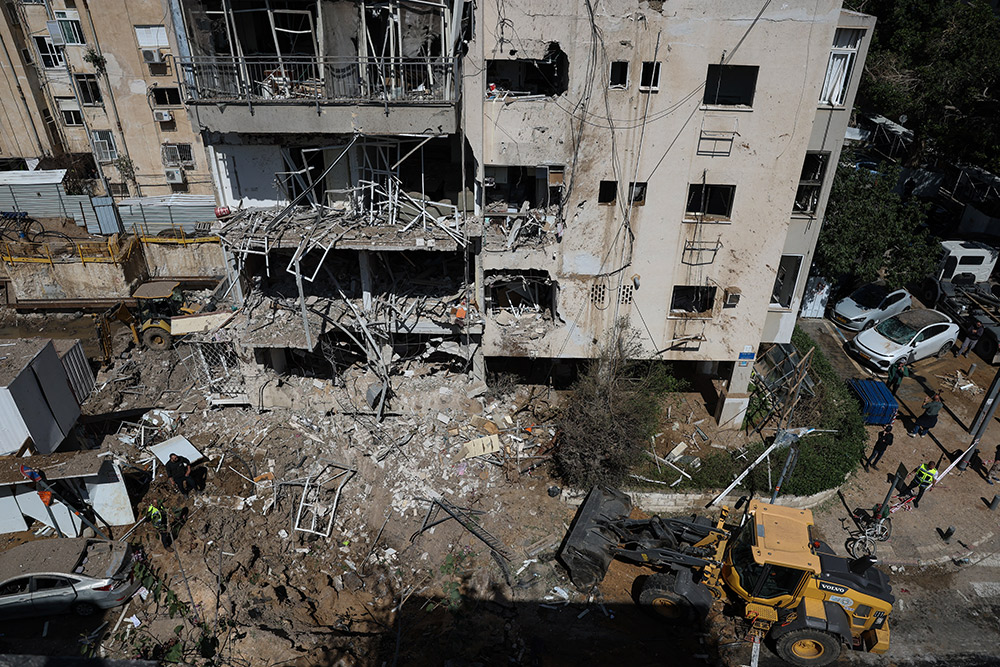
Iran has no intention of entering negotiations and will continue to resist, Foreign Minister Abbas Araghchi said Wednesday night, dismissing recent statements by U.S. President Donald Trump about possible talks.
Speaking to state television, Araghchi argued that Washington’s call for negotiations reflects a position of weakness. He added that the Islamic Republic seeks to end the war on its own terms, ensuring that such a conflict does not recur in the future.
Meanwhile, the White House issued a stark warning, stating that Trump would “unleash hell” on Iran if it refuses to accept a deal to end the conflict. Despite Tehran’s rejection, U.S. officials maintained that discussions remain ongoing.
White House spokesperson Karoline Leavitt reinforced the administration’s position, warning that failure to acknowledge what she described as Iran’s military defeat would result in even stronger action from Washington.
The increasingly aggressive rhetoric from both sides has diminished hopes for a near-term de-escalation in the conflict, which began following U.S. and Israeli strikes against Iran on February 28.
As tensions continue to rise, the prospect of a diplomatic resolution remains uncertain amid conflicting narratives and escalating threats from both governments.
International
Maduro appears again in New York court amid drug trafficking charges
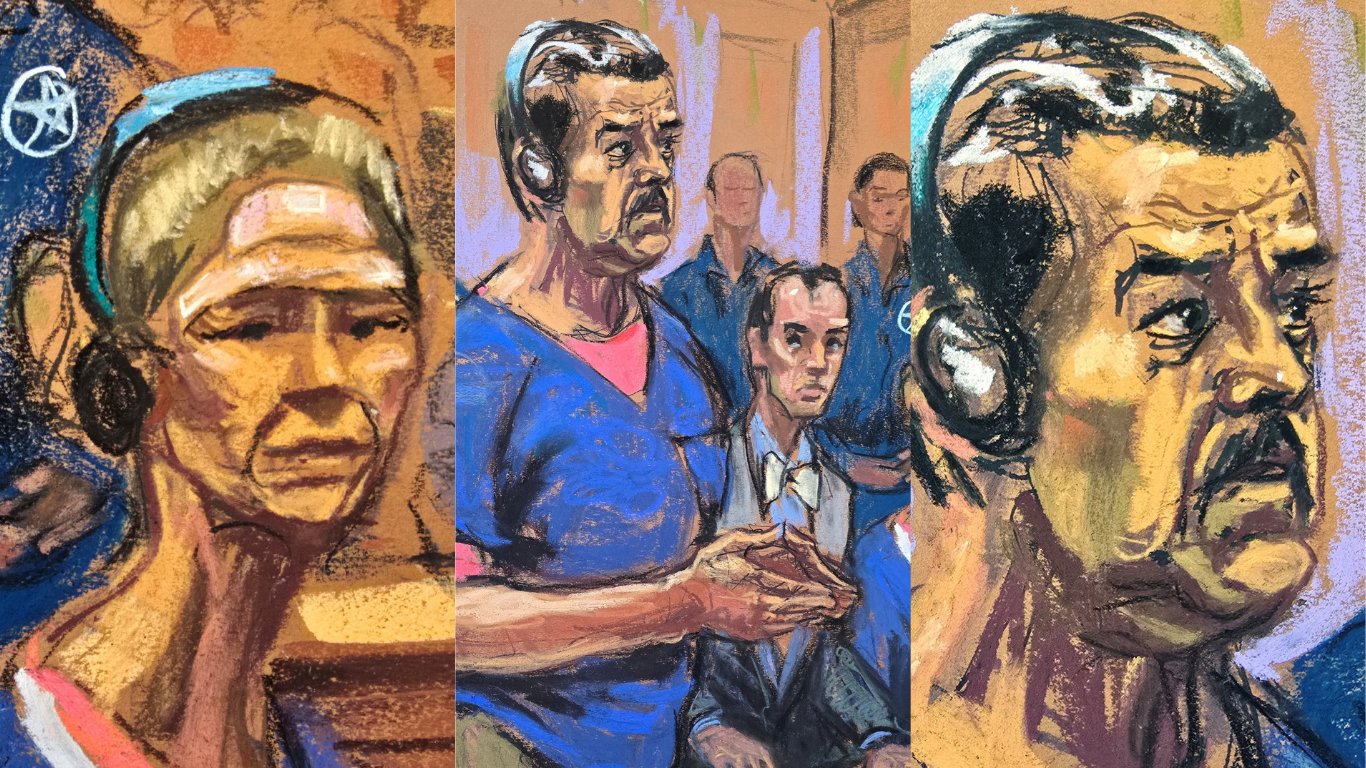
Ousted Venezuelan president Nicolás Maduro appeared in a New York federal court on Thursday for the second time since his capture on January 3 during a U.S. military operation in Caracas.
Maduro, 63, and his wife, Cilia Flores, 69, have been held in a detention facility in Brooklyn for nearly three months. Their only previous court appearance took place on January 5, when Maduro declared himself a “prisoner of war” and pleaded not guilty to drug trafficking charges.
A large police convoy departed the detention center early in the morning, heading toward the federal courthouse in Manhattan, where the hearing was scheduled. Security around the building was reinforced as both supporters and opponents gathered outside.
Among those present was Venezuelan educator Carlos Egana, who expressed frustration and called for justice, reflecting the polarized reactions surrounding the case. At the same time, left-wing activists displayed banners demanding Maduro’s release and criticizing U.S. foreign policy.
Maduro governed Venezuela from 2013 until his removal from power earlier this year. Following his ouster, Delcy Rodríguez assumed the interim presidency, initiating a shift in relations with the United States.
The former leader faces multiple charges, including narco-terrorism conspiracy, cocaine importation, and illegal possession of weapons.
During Thursday’s hearing, scheduled for 11:00 a.m. local time, Maduro’s legal team was expected to push for the dismissal of the case, while also addressing disputes over how his legal defense will be financed amid ongoing U.S. sanctions.
His lawyer, Barry Pollack, has argued that restrictions on accessing Venezuelan state funds could affect Maduro’s right to legal representation, adding another layer of complexity to a case with significant political and international implications.
International
German president says trust in U.S. leadership is ‘lost’ amid global tensions
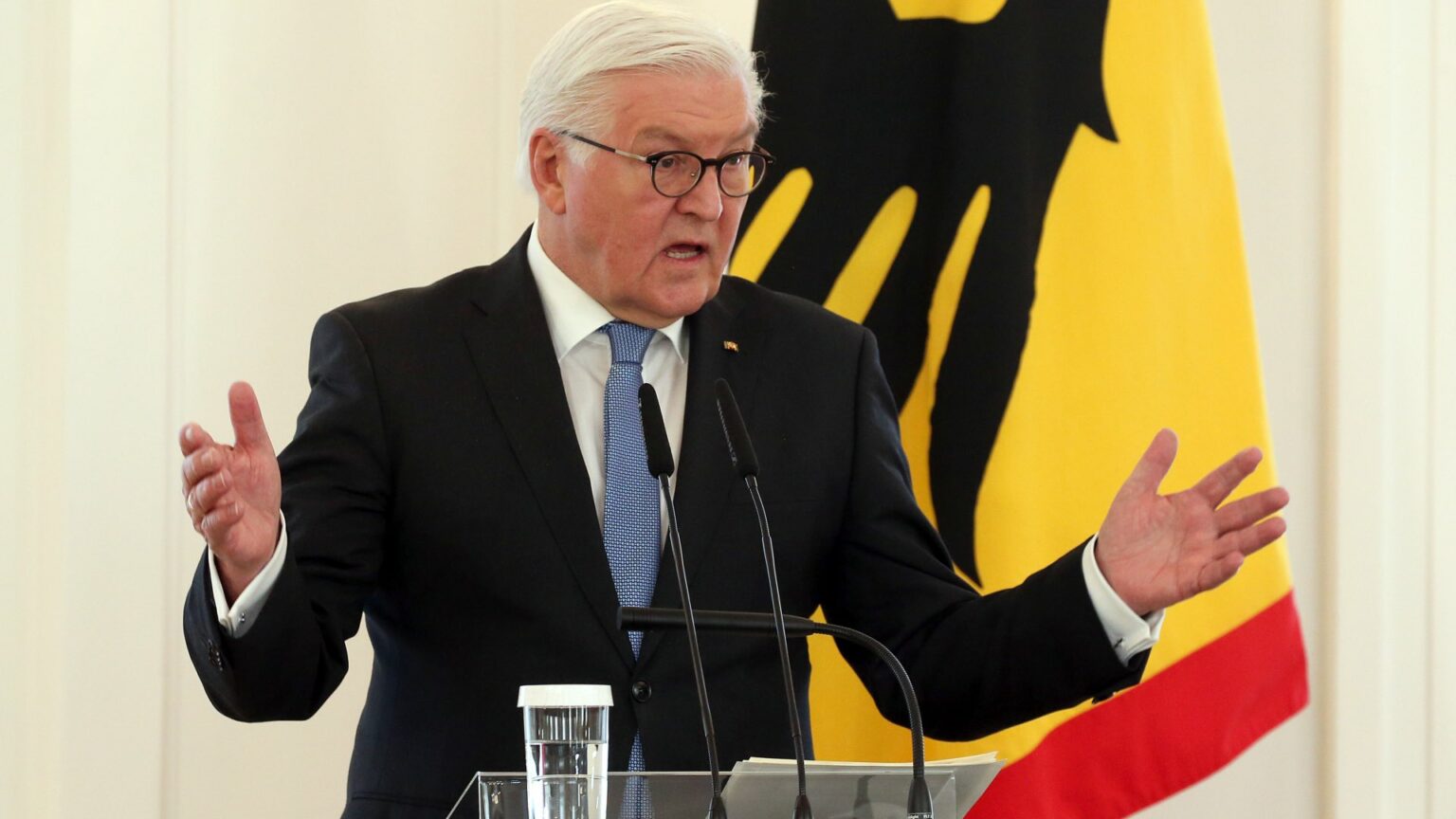
German President Frank-Walter Steinmeier said on Tuesday that trust between the United States and its Western allies has been “lost,” warning that the damage could persist beyond the presidency of Donald Trump.
“The rupture is very deep, and the loss of trust in U.S. great power policy is significant—not only among its allies, but also, as I observe, globally,” Steinmeier said during a speech in Berlin marking the 75th anniversary of Germany’s Foreign Ministry.
Referring to the future of transatlantic relations, he stated that “there is no return to the situation before January 20, 2025,” the date marking the start of Trump’s second term in the White House.
“Even a future U.S. administration will no longer be able to resume the role of a benevolent hegemon guaranteeing a liberal international order,” added Steinmeier, who previously served as Germany’s foreign minister.
He also criticized the war against Iran, describing it as “contrary to international law” and calling it “a political mistake with serious consequences.”
“This war is avoidable and unnecessary,” he said.
Although the German presidency is largely ceremonial, Steinmeier’s remarks reflect a broader concern within Germany, aligning with the government’s cautious stance while going further in tone.

Iran rejects negotiations as tensions escalate with United States

Maduro appears again in New York court amid drug trafficking charges

German president says trust in U.S. leadership is ‘lost’ amid global tensions
Tec de Monterrey honors one of its students for his contribution to nanotechnology in medicine

Defense Minister commends salvadoran soldier for Central American Cross Country victory

Extension of the state of emergency approved in southern Chile
-
 Sin categoría4 days ago
Tehran engulfed in toxic cloud after strikes on fuel facilities
-

 International4 days ago
IEA warns Middle East conflict could spark worst energy crisis in decades
-
 International3 days ago
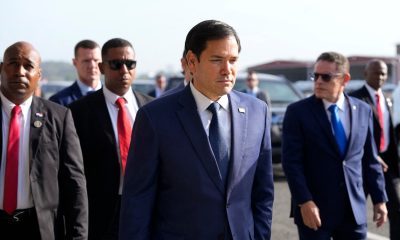
Trump claims talks with Iran as G7 meets to address global tensions
-
 Central America4 days ago
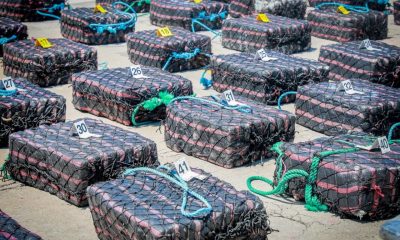
Panama seizes over 1,200 drug packages in container bound for Lithuania
-

 International4 days ago
Colombian Air Force Hercules plane crashes during takeoff with troops onboard
-
 International5 days ago
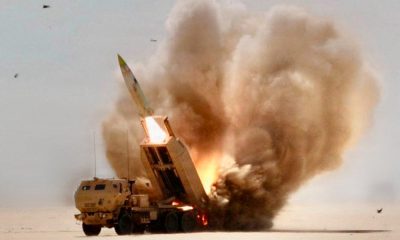
Netanyahu vows to target Iran’s leadership after missile strikes in southern Israel
-
 International3 days ago
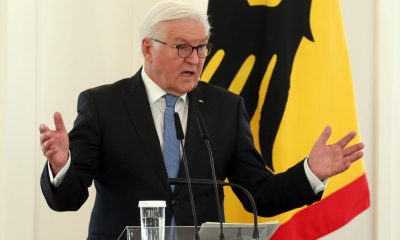
German president says trust in U.S. leadership is ‘lost’ amid global tensions
-

 International3 days ago
Israel plans to seize security zone in southern Lebanon amid escalating conflict
-

 International3 days ago
Pentagon to deploy 3,000 troops to Persian Gulf as Middle East tensions escalate
-
 International5 days ago
Paris prosecutors alert U.S. over alleged deepfake strategy linked to Elon Musk
-
 International8 hours ago
Iran rejects negotiations as tensions escalate with United States
-
 International8 hours ago
Maduro appears again in New York court amid drug trafficking charges