
International
The Mexican border warns of the impact if Trump restricts temporary work visas
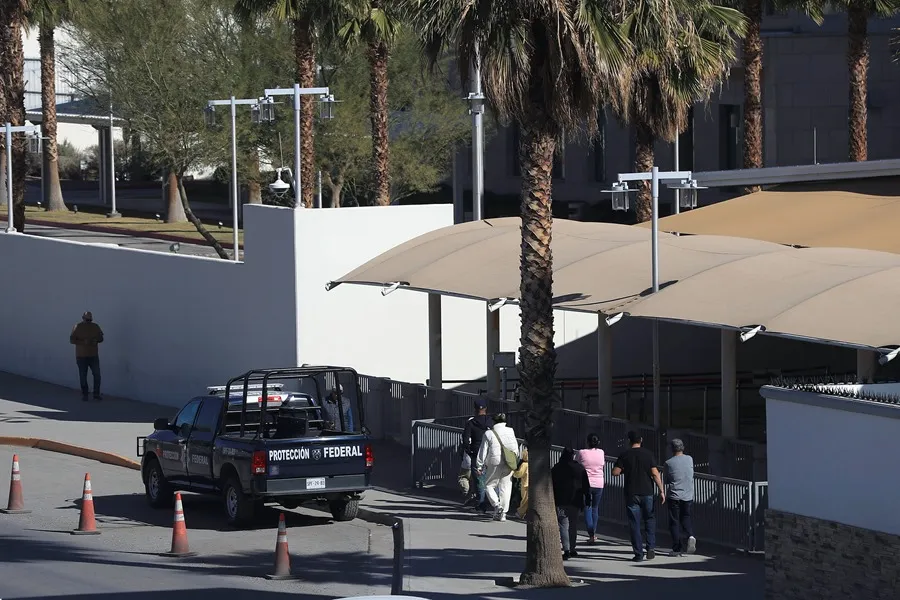
Activists and migrants warn of the migratory impact on the Mexican border and on the inflation of the United States due to the mass deportations that the future government of Donald Trump could carry out and the possible restrictions on temporary non-agricultural visas that President Joe Biden expanded by more than 64,000.
The United States Department of Homeland Security (DHS) announced last week this number of additional visas for temporary non-agricultural workers during fiscal year 2025, permits known as H-2B that will be added to the 66,000 that Congress authorizes annually.
The measure addresses the growing demand for labor in sectors such as hospitality, construction, gardening and food processing, among others, which depend on temporary workers to operate during seasonal peaks.
But US media have reported that the program is in danger during the next presidency of Trump, who has warned of using the Army to carry out mass deportations and has announced appointments of officials who wrote the ‘Project 2025’, which proposes to restrict H-2 visas.
This contrasts with the Biden Government, which “is looking for how to resume what happened in the 1940s,” when the United States implemented the Bracero Program to bring temporary Mexican workers, said Emilio Alberto López, professor at the Autonomous University of Chihuahua, a state bordering the United States.









“The United States, through a macroeconomic crisis, has quite strong inflation, it will also have very strong challenges, and I almost think it goes like in that sense, giving the possibility of these jobs, but basically temporary,” said the internationalist and migration scholar.
Impacted nationalities
Of the 64,000 additional visas, at least 20,000 will be reserved for workers from the three countries of the Northern Triangle of Central America, El Salvador, Guatemala and Honduras, in addition to Haiti, in an effort to offer legal migration alternatives and reduce irregular flows to the United States.
The remainder will be allocated to other regions of the world, with priority given to employers demonstrating an urgent and specific need.
“The Latin race, from the last country in South America to Mexico, all Mexicans, Central Americans, South Americans, are the ones who are raising the economy to the United States,” Venezuelan Milkar Linares, who is stranded in Ciudad Juárez, bordering the US city of El Paso, Texas, told EFE.
Although there is uncertainty about Trump’s measures and the impact on migrants, Linares thinks that in the end the economic reality will prevail.
“Because it’s hard for an American to move a chair to sit down, open the door to go out and, with all due respect and if they feel offended I’m sorry, but what is in sight doesn’t need glasses,” he said.
Reactions and challenges
Business associations in the United States have applauded Biden’s measure for considering it an important step to ensure the continuity of operations in key sectors.
But Professor López Reyes warned that “these visas have already been criticized by some experts, especially those who work on human trafficking issues, because it is very easy for workers to exploit.”
The US government has promised to implement stricter measures to monitor compliance with labor laws in this program, including more frequent inspections and more severe sanctions for employers who engage in illegal practices.






International
Two killed in shooting at restaurant near Frankfurt Airport

Two people were shot dead early Tuesday at a restaurant in Raunheim, near Frankfurt Airport, according to local police.
Preliminary findings indicate that an armed individual entered the establishment at around 03:45 local time (02:45 GMT) and opened fire on the victims, who died at the scene from their injuries.
The suspect fled and remains at large, while the motive behind the shooting is still unclear, German media reported. Authorities have launched a large-scale search operation.
International
U.S. counterterrorism chief resigns over opposition to war in Iran
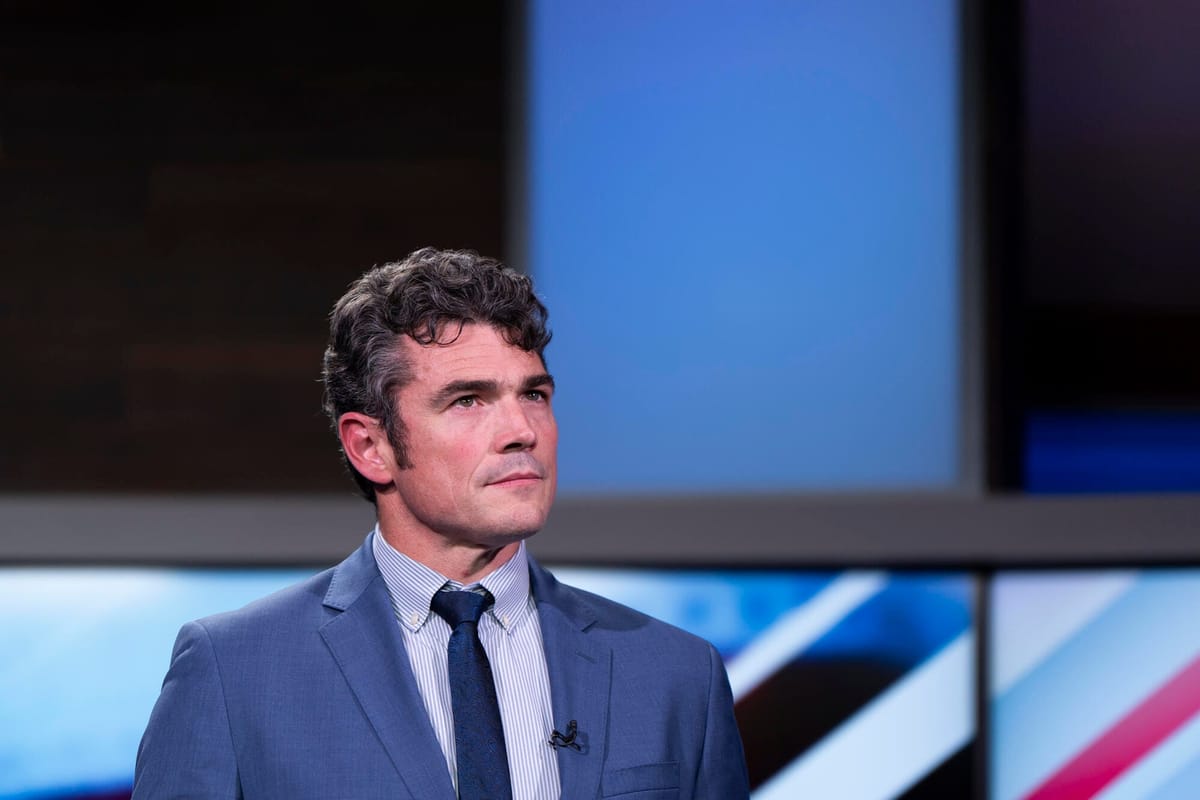
Joe Kent, director of the National Counterterrorism Center, announced Tuesday that he has resigned from his post, citing his opposition to the ongoing war in Iran.
In a post on X, Kent said he could not, “in good conscience,” support the conflict, arguing that Iran did not pose an imminent threat to the United States. He also claimed that the war was driven by pressure from Israel and its lobbying influence in Washington.
In a resignation letter addressed to Donald Trump, Kent alleged that at the start of the current administration, senior Israeli officials and influential figures in U.S. media carried out a disinformation campaign that undermined the “America First” platform and fostered pro-war sentiment aimed at triggering a conflict with Iran.
Kent further stated that he could not support sending a new generation of Americans to “fight and die in a war that provides no benefit to the American people and does not justify the cost in American lives.”
Since the United States and Israel launched attacks against Iran on February 28, at least 13 U.S. service members have been killed, while 10 others have been seriously wounded and around 200 have sustained minor injuries, according to a report published by The Wall Street Journal.
International
German president warns Iran war could spread and disrupt Strait of Hormuz
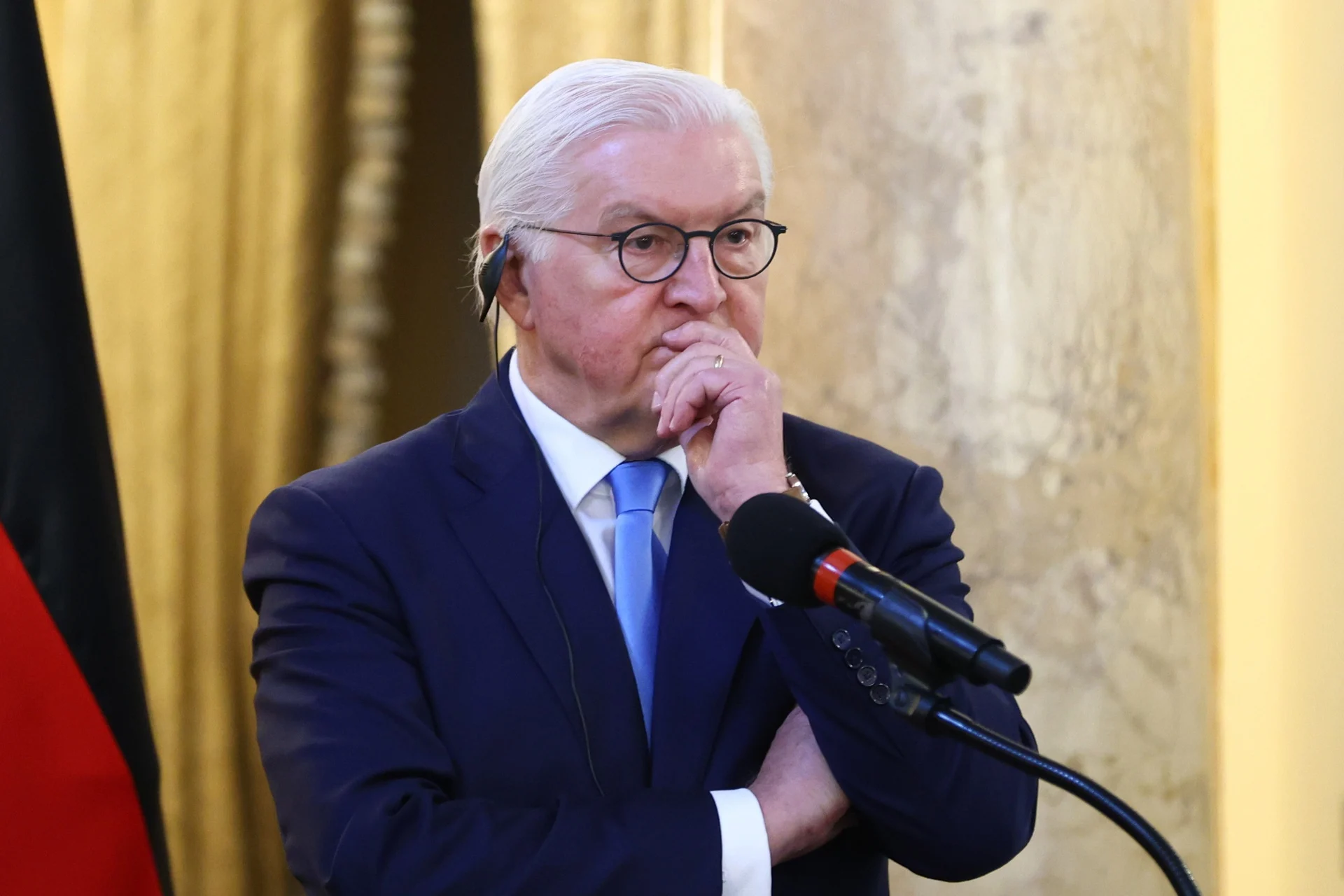
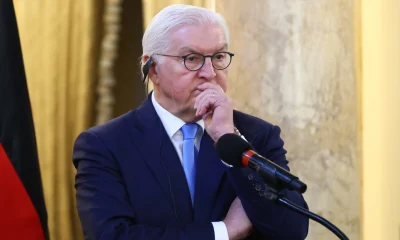
The president of Germany, Frank-Walter Steinmeier, warned Monday that the war involving Iran could expand and further disrupt shipping through the strategic Strait of Hormuz. He urged a swift end to hostilities between Iran, United States and Israel.
Speaking in Panama City during a joint appearance with Panamanian President José Raúl Mulino, Steinmeier said available information suggests Iran has significant capacity to disrupt maritime traffic through the key oil route.
“Iran has considerable potential to interfere with shipping through the Strait of Hormuz,” Steinmeier said through an interpreter. “We should therefore reach an end to the hostilities as soon as possible and call on all parties involved to make that happen.”
The remarks came during Steinmeier’s visit to Panama, the first by a German president to the Central American nation.
The German leader described the possibility of the conflict spreading as “very dangerous,” saying recent developments indicate that such a scenario cannot be ruled out.
Over the weekend, U.S. President Donald Trump urged allied nations to help ensure safe passage for ships through the Strait of Hormuz after Iran moved to block the waterway in response to U.S. strikes. However, several allies—particularly in Europe—have shown little support for the proposal.
“Some are very enthusiastic, others are not, and some are countries we have helped for many years,” Trump told reporters at the White House. “We have protected them from terrible external threats, and they’re not that enthusiastic. And the level of enthusiasm is important to me.”
Meanwhile, Kaja Kallas, the European Union’s top diplomat, said the Strait of Hormuz falls “outside NATO’s scope” and stressed that “the war involving Iran is not Europe’s war.”

Two killed in shooting at restaurant near Frankfurt Airport

U.S. counterterrorism chief resigns over opposition to war in Iran

Analyst questions IACHR role over report on El Salvador emergency measures
Tec de Monterrey honors one of its students for his contribution to nanotechnology in medicine

Defense Minister commends salvadoran soldier for Central American Cross Country victory

Extension of the state of emergency approved in southern Chile
-
 International4 days ago
U.S. Confirms Death of Six Crew Members in KC-135 Crash in Western Iraq
-

 International5 days ago
Trump Says Iran Is Welcome at 2026 World Cup but Warns of Security Concerns
-

 International5 days ago
FBI Warns of Possible Iranian Drone Attack on U.S. West Coast
-

 International4 days ago
Mexican Navy Ships Deliver Third Shipment of Humanitarian Aid to Cuba
-

 International4 days ago
Ecuador Declares 60-Day National Emergency After Deadly Floods and Landslides
-
 International4 days ago
Trump Pushes for Regime Change in Cuba as Havana Confirms Talks With Washington
-

 International3 days ago
FBI: Man who attacked Michigan synagogue died from self-inflicted gunshot
-
 International23 hours ago
German president warns Iran war could spread and disrupt Strait of Hormuz
-
 International3 days ago
Peruvian presidential candidate proposes death penalty amid crime surge
-
 International2 days ago
Noboa intensifies anti-cartel crackdown as violence persists in Ecuador
-
 International23 hours ago
Venezuela’s foreign minister accuses UN rights chief of “immoral bias”
-
 International23 hours ago
Mexico security chief meets DEA director in Washington to boost anti-drug cooperation
-

 International2 days ago
Peruvian presidential candidate Napoleón Becerra dies in campaign road accident
-
 Sin categoría5 days ago
FBI Most Wanted Fugitive Arrested in Mexico and Deported to U.S.
-
 International11 minutes ago
Two killed in shooting at restaurant near Frankfurt Airport
-
 Central America23 minutes ago
El Salvador destroys $166 million worth of cocaine seized from Tanzanian vessel
-
 International14 minutes ago
U.S. counterterrorism chief resigns over opposition to war in Iran
-
 Central America17 minutes ago
Analyst questions IACHR role over report on El Salvador emergency measures