
International
Netanyahu says that the attack on Iran affected its ability to develop missiles
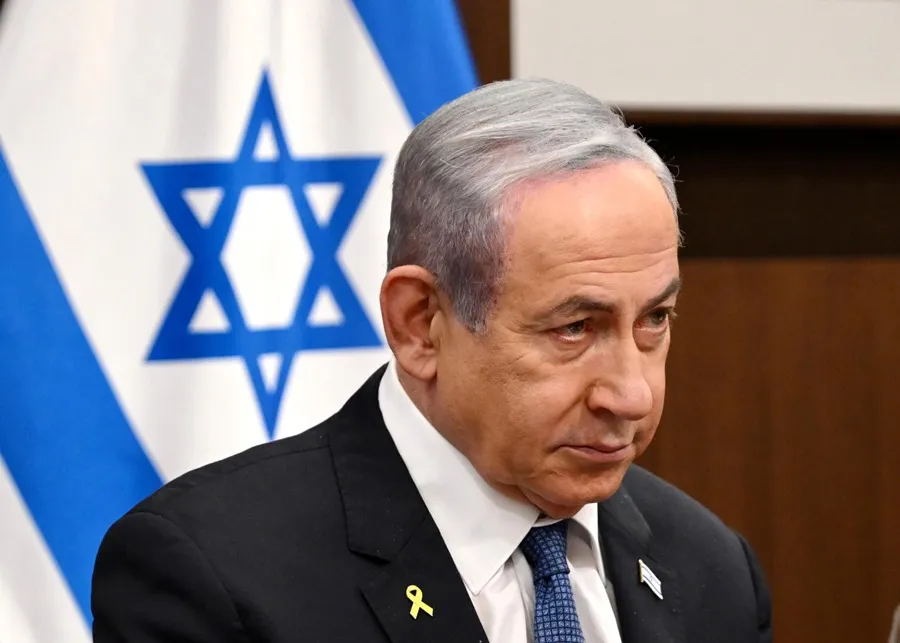
Israeli Prime Minister Benjamin Netanyahu said on Sunday that the attack launched against Iran in the early hours of Saturday affected its defensive capabilities and its ability to develop missiles.
The attack was “precise and powerful, fulfilling all its objectives,” said the president in what are his first public statements about the event, during a ceremony by the Israeli soldiers killed in the war in Gaza and collected by the Israeli press.
Saturday’s attack, in response to the launch of some 180 missiles by Iran in early October, caused the death of four soldiers and damage to some radars.
First time Israel recognizes an attack on Iran
It is the first time that Israel publicly admits to having attacked Iran, although there was already a reprisal, never officially recognized, after the first Iranian attack on the country in April.
“The regime must understand something very simple. Whoever hurts us, we will hurt him,” the president said, using one of his most repeated phrases in his messages to Iran.











Before his statements, Israeli President Isaac Herzog (who already congratulated the air force last night for the attack), said that the “critical” task has not yet been achieved: rescue the Israeli hostages in the Gaza Strip.
“The elimination of the arch-terrorist (Yahya) Sinwar (leader of Hamas) and other enemies, and the impressive battle of the Army and security forces have created an opportunity that we cannot miss,” he said.
Netanyahu also spoke about the hostages in Gaza, assuring that bringing them back is a “sacred” mission, while Defense Minister Yoav Gallant made it clear that to achieve it will have to make “painful concessions.”
The minister, who has had some public encounters with Netanyahu about the management of the war, said that Hamas “has stopped operating” as a militia, while the Shiihite group Hezbula does not stop receiving blows, after the elimination of its leadership in a series of Israeli bombings against Lebanon in recent weeks.
The groups “are no longer an effective tool in the hands of Iran,” he said, adding that not all objectives can be achieved on the basis of military force, and that rescuing the kidnapped is Israel’s “responsibility”.
Later, during a similar ceremony in honor of the civilians killed in the October 7 Hamas attacks and in the following war year, a group of protesters interrupted Netanyahu’s speech shouting “shame” and remembering his murdered loved ones.
Israel negotiates in Qatar the release of Hamas hostages
The head of the Mossad, David Barnea, arrived in Qatar this Sunday to participate in new negotiations on the exchange of hostages for Palestinian prisoners imprisoned in Israel and the possibilities of achieving a ceasefire in Gaza, sources close to the talks informed EFE.
Barnea “is in Qatar with the aim of holding new talks on the agreement of prisoners and hostages with Hamas” after the murder of the top leader of the Palestinian Islamist group, Yahya Sinwar, more than a week ago in southern Gaza, sources said on condition of anonymity.
They also pointed out that the head of the Mossad will meet in Doha with the heads of intelligence of the United States, William Burns, and Egypt, Hassan Rashad, as well as with the Prime Minister of Qatar, Mohamed bin Abderrahmán.










International
French Parliament Moves to Approve Social Media Age Limit for Minors

France’s Parliament is expected to approve legislation on Tuesday banning children under the age of 15 from accessing social media platforms, following an agreement reached Monday between lawmakers on the mechanism to enforce the measure.
The initiative is part of President Emmanuel Macron’s broader effort to strengthen online protections for minors and regulate children’s screen time before the end of his second presidential term in May 2027.
“Tomorrow, France will become the first country in Europe to establish a digital age of majority to better protect our children online,” Digital Affairs Minister Anne Le Hénanff said Monday in a post on X.
If approved, the government plans to implement the restriction in September, when students return to school after the summer holidays.
The United Kingdom has already passed similar legislation restricting social media access for users under the age of 16, although that measure is scheduled to take effect in early 2027.
Both the National Assembly, France’s lower house of Parliament, and the Senate are expected to hold final votes on the legislation Tuesday after a joint committee of seven senators and seven lawmakers reached an agreement on the bill’s final wording.
Under the proposed law, children under 15 years old would be prohibited from accessing online social media services, with limited exceptions for certain platforms, including online encyclopedias.
The legislation would make France the first member of the European Union to introduce a nationwide minimum digital age for access to social media platforms, reflecting a growing international movement to strengthen online safeguards for children and teenagers.
International
WHO to Hold New Round of Talks After Slow Progress on Pandemic Accord
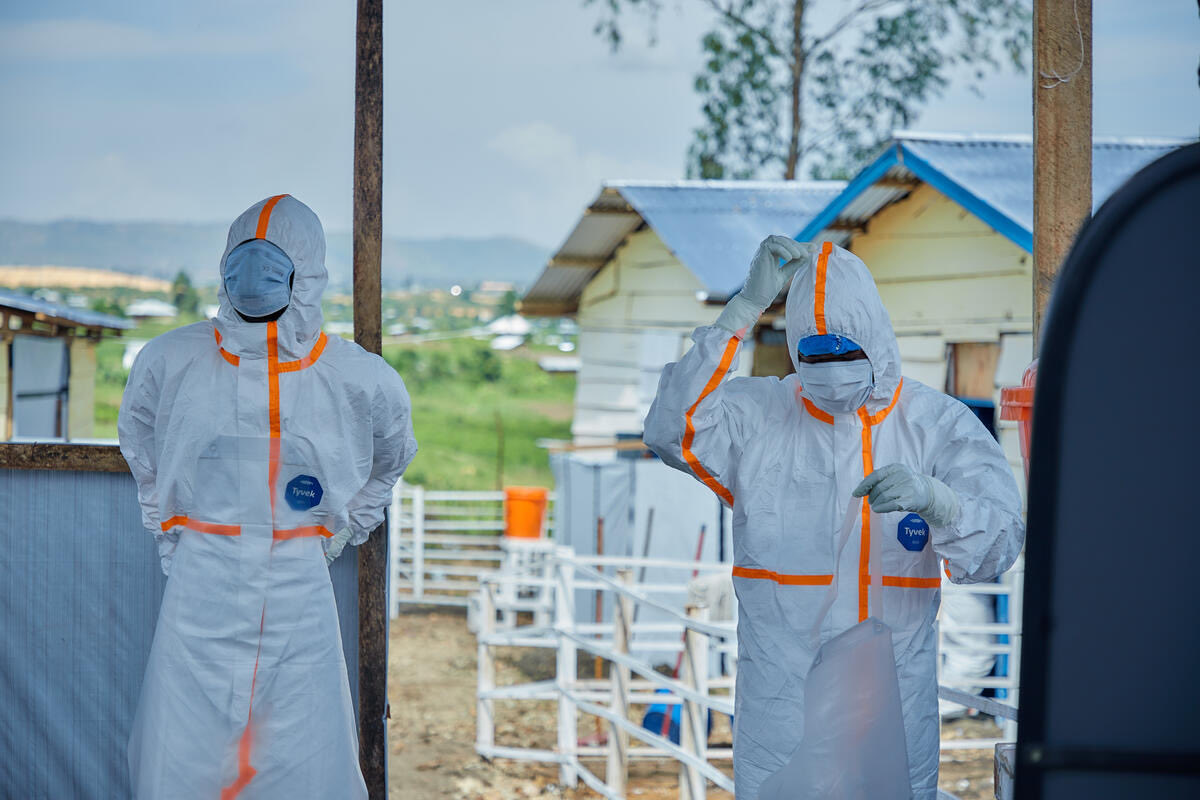
Member states of the World Health Organization (WHO) made limited progress during the seventh session of the Intergovernmental Working Group (IGWG) tasked with finalizing a key annex to the global pandemic agreement, prompting negotiators to schedule another round of talks in September.
The session, which opened on July 6 and concluded last week at WHO headquarters in Geneva, focused on drafting and negotiating the annex covering the Pathogen Access and Benefit-Sharing (PABS) System, a central component of the pandemic accord.
Without the completion of the PABS annex, the global pandemic agreement cannot enter into force.
The annex had originally been expected to be finalized before May 2026, but negotiations have progressed more slowly than anticipated.
In a statement, the WHO said member states “advanced negotiations” on the PABS system while acknowledging that additional discussions are required to complete a framework capable of supporting a faster, more effective and more equitable response to future pandemics.
The organization announced that an eighth round of negotiations will take place on September 14.
Despite the limited progress, delegates succeeded in streamlining the draft text and concentrating discussions on several technical issues.
According to the WHO, negotiators focused on the contractual arrangements underpinning the PABS mechanism, the laboratory networks responsible for handling and sharing pathogens and their genetic sequence data, as well as the framework for distributing the benefits generated through the sharing of those pathogens.
The PABS system is considered one of the most important elements of the future pandemic agreement, as it aims to ensure timely access to pathogens for scientific research while establishing fair mechanisms for sharing the benefits derived from vaccines, diagnostics and other medical countermeasures developed during future global health emergencies.
International
Iran Says It Is in “Full-Scale War” as U.S. Launches Ninth Consecutive Night of Airstrikes
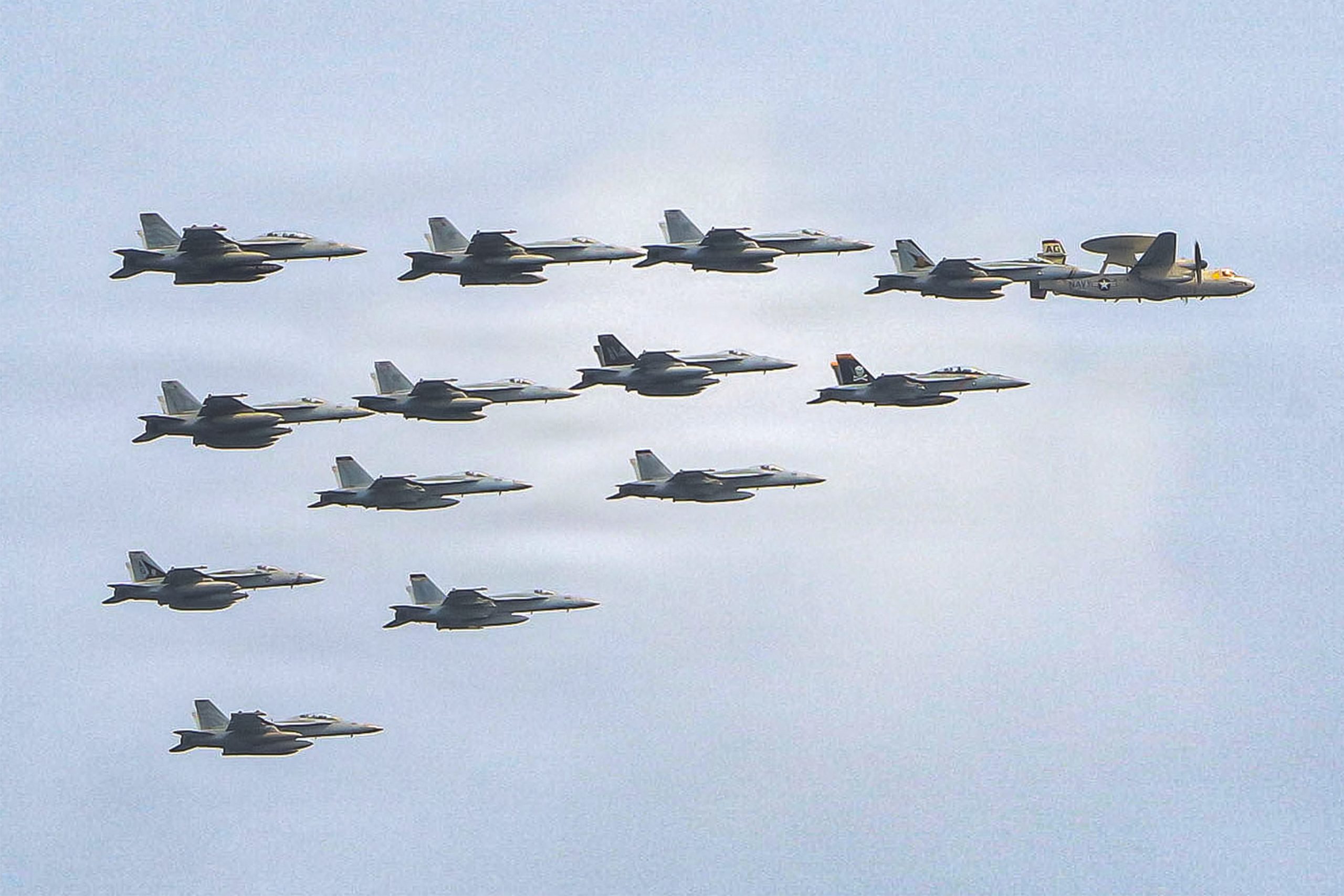
Iran declared on Monday that it is facing a “full-scale war” against the United States after Washington carried out another wave of overnight airstrikes, including attacks near a city that hosts one of the country’s nuclear facilities.
Iranian President Masoud Pezeshkian said the country must prepare for the consequences of the ongoing conflict, describing the situation as a broad military confrontation.
“The reality is that today the Islamic Republic of Iran is engaged in a full-scale war,” Pezeshkian said in a statement released by the presidency. “We must be realistic and accept the natural consequences of this resistance.”
The latest U.S. strikes marked the ninth consecutive night of military operations, according to the U.S. Central Command (CENTCOM), which announced the attacks on X.
Since hostilities resumed on July 7, U.S. air operations have expanded well beyond southern Iran, reaching central and northwestern regions of the country, according to local sources.
Local authorities reported that one person was killed and several others injured in Tabriz, in northwestern Iran, more than 1,000 kilometers from the Persian Gulf.
Additional casualties were reported in the nearby city of Urmia, where several people were wounded during separate strikes.
Washington said the attacks targeted military installations. However, Iranian officials accused the United States of striking populated areas, including Bushehr, home to Iran’s only operational nuclear power plant.
Iran also reported that the Darkhovin nuclear facility, which is still under construction, was among the sites hit during the latest attacks.
U.S. President Donald Trump said on Sunday that the renewed military campaign was carried out in honor of American service members killed in recent days.
Two U.S. soldiers died on Friday during attacks on a military base in Jordan, while another service member was killed on Sunday during the controlled disposal of unexploded munitions from an Iranian drone in northern Iraq.
According to U.S. figures, 17 American troops have been killed since the conflict began on February 28.
On the Iranian side, the latest official figures released on Friday reported 50 deaths and more than 500 injuries since fighting resumed earlier this month.
A memorandum of understanding signed by Iran and the United States on June 17, which had been intended to pave the way for peace negotiations, collapsed after hostilities resumed over the strategic control of the Strait of Hormuz, one of the world’s most important energy shipping routes.

French Parliament Moves to Approve Social Media Age Limit for Minors

WHO to Hold New Round of Talks After Slow Progress on Pandemic Accord

Iran Says It Is in “Full-Scale War” as U.S. Launches Ninth Consecutive Night of Airstrikes
Tec de Monterrey honors one of its students for his contribution to nanotechnology in medicine

Defense Minister commends salvadoran soldier for Central American Cross Country victory

Extension of the state of emergency approved in southern Chile
-

 International5 days ago
U.S. Strikes Hit Areas Near Strait of Hormuz as Tensions With Iran Escalate
-

 International5 days ago
U.S. to Limit Visa Duration for Foreign Students and Journalists
-
 International5 days ago
El Salvador Sends Eighth Humanitarian Flight to Earthquake-Hit Venezuela
-

 Central America5 days ago
Nicaragua Cuts Diplomatic Ties With Italy Over Red Brigades Dispute
-
 International2 days ago
Ten Bodies Found in Mexico’s Zacatecas State Amid Security Operation
-
 International15 hours ago
Iran Says It Is in “Full-Scale War” as U.S. Launches Ninth Consecutive Night of Airstrikes
-
 International14 hours ago
French Parliament Moves to Approve Social Media Age Limit for Minors
-
 International14 hours ago
WHO to Hold New Round of Talks After Slow Progress on Pandemic Accord