
International
Justin Trudeau’s star goes out among the Canadian population and his own party
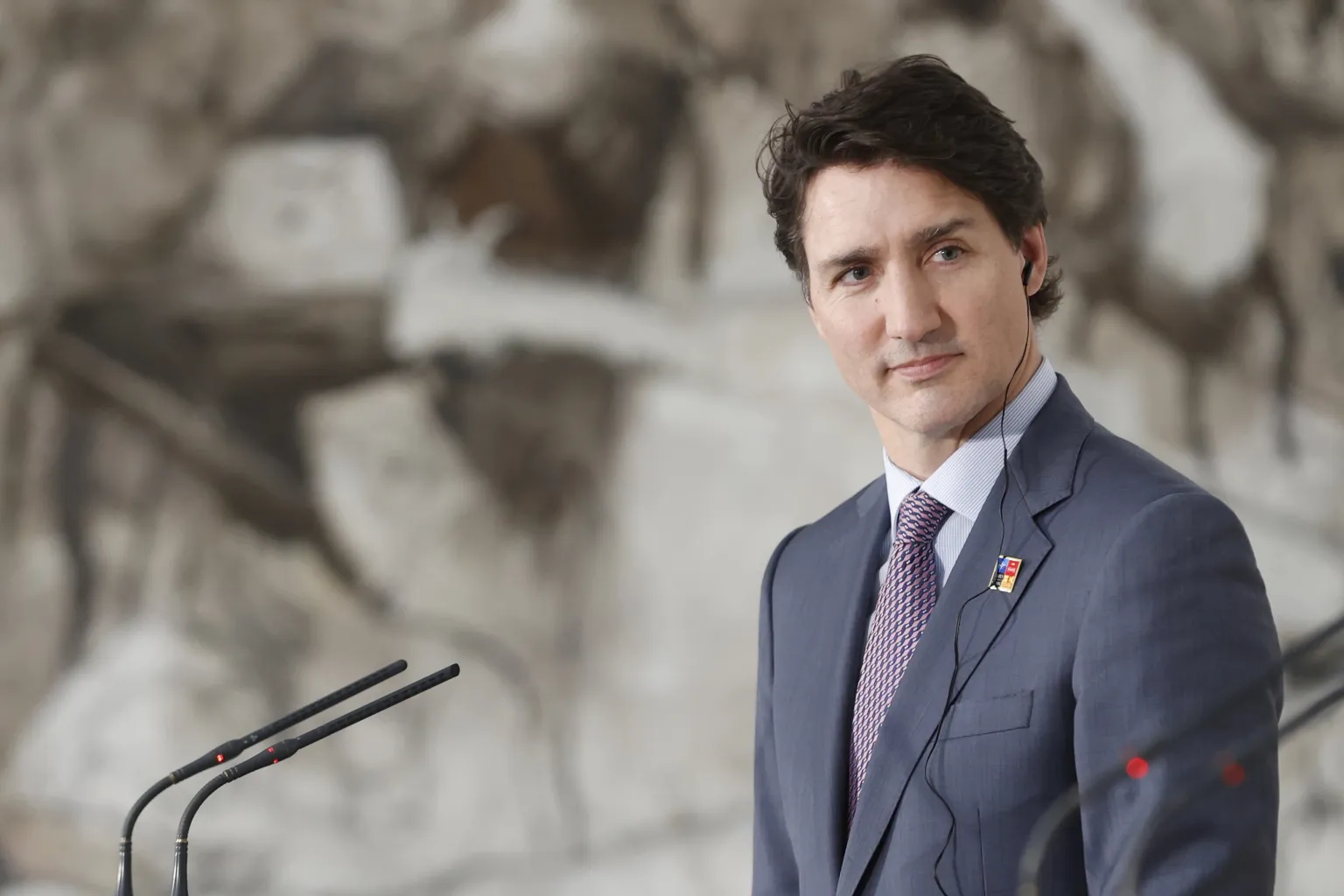
After 10 years in power, Justin Trudeau’s star is dying at high speed: the electorate has turned their backs on him and, within his Liberal Party, more and more voices want him to resign to avoid a catastrophe in the elections scheduled for October 2025.
For months, the polls have all told the same story. Justin Trudeau is an unpopular prime minister and the Liberal Party is heading for a painful loss in the upcoming general election that may relegate him to third place in the lower house of Parliament.
What do the polls say?
The average of polls currently places the Conservative Party, led by Pierre Poilievre, with 42.5% of voting intention, while Trudeau’s Liberal Party is 19 points below, with 23.2%.
And what is worse for the critical voices within the Liberal Party, the lack of ideas and the immobility of the Justin Trudeau Government in the face of the problems that afflict the country anticipate that the next few months more Canadian will turn their backs on them.
Some even fear that the situation experienced in the 2008 elections will be reproduced when the Liberal Party, then in opposition and led by the intellectual Michael Ignatieff, was reduced to 34 deputies of the 308 seats that the Lower House of Parliament then had.











“It has been behind in the polls for some time now. That is not a huge problem when the elections are far away so the party gave Trudeau room to try to improve the situation because there was time left,” Andrew McDougall, professor of Political Science at the University of Toronto, explained to EFE.
“But now there is only one year left before the next election. So the pressure has increased and the party is getting more and more impatient,” he added.
Justin Trudeau swept the 2015 general election
Paradoxically, Justin Trudeau took the leadership of the Liberal Party after the 2008 election disaster. Son of former minister and former liberal leader Pierre Trudeau, one of the most transcendental politicians in the modern history of Canada, he met expectations and in 2015 swept the general elections, becoming the twenty-third first minister of the country.
And also, paradoxically, one of the main proposals that brought him to power in 2015 was to open the country’s borders to receive more refugees and immigrants, both for economic reasons and to recover the founding spirit of Canada as a host country.
True to his promises, one of his first acts as prime minister after winning in 2015 was to go to Toronto airport to personally receive Syrian refugees.
Canada has changed
Ten years later, the North American country has changed. In 2015, Canada received 300,000 immigrants. Since then, the figure has not stopped growing. In 2022 there were 431,645, 16% more than in 2021. In 2023 there were 465,000. This year they will reach 485,000. From 2025, 500,000 per year.
Thanks to these migration levels, Canada is the G7 country with the highest population growth, with 2.7% per year. It is the highest level since 1957, when the explosion of post-war births and immigration placed the rate at 3.3%.
The problem for Justin Trudeau is that the country has not been able to absorb these levels of immigration. There are literally not enough housing for a population that in nine months between July 2023 and April 2024 grew by one million people.
Nor have basic services such as health care been able to keep up with the growth rate.
Trudeau acknowledged on Thursday that he was wrong and has announced that he will reduce the number of immigrants that Canada will receive by up to 27% in the next three years.
“We didn’t get the balance right,” he agreed.
“We are going to stabilize the growth of our population so that all levels of government have time to recover, to make the necessary investments in health, housing and social services. To accommodate more people in the future,” he added.
The question now is whether he will have time to recover the aura that has kept him in power since 2015, especially within the Liberal Party.
“Trudeau insists that he is the best person to lead the party, that no one would do it better. Most politicians believe they are the best to lead their formations. So I’m not surprised that Trudeau resists leaving power,” McDougall explained.










International
French Parliament Moves to Approve Social Media Age Limit for Minors

France’s Parliament is expected to approve legislation on Tuesday banning children under the age of 15 from accessing social media platforms, following an agreement reached Monday between lawmakers on the mechanism to enforce the measure.
The initiative is part of President Emmanuel Macron’s broader effort to strengthen online protections for minors and regulate children’s screen time before the end of his second presidential term in May 2027.
“Tomorrow, France will become the first country in Europe to establish a digital age of majority to better protect our children online,” Digital Affairs Minister Anne Le Hénanff said Monday in a post on X.
If approved, the government plans to implement the restriction in September, when students return to school after the summer holidays.
The United Kingdom has already passed similar legislation restricting social media access for users under the age of 16, although that measure is scheduled to take effect in early 2027.
Both the National Assembly, France’s lower house of Parliament, and the Senate are expected to hold final votes on the legislation Tuesday after a joint committee of seven senators and seven lawmakers reached an agreement on the bill’s final wording.
Under the proposed law, children under 15 years old would be prohibited from accessing online social media services, with limited exceptions for certain platforms, including online encyclopedias.
The legislation would make France the first member of the European Union to introduce a nationwide minimum digital age for access to social media platforms, reflecting a growing international movement to strengthen online safeguards for children and teenagers.
International
WHO to Hold New Round of Talks After Slow Progress on Pandemic Accord
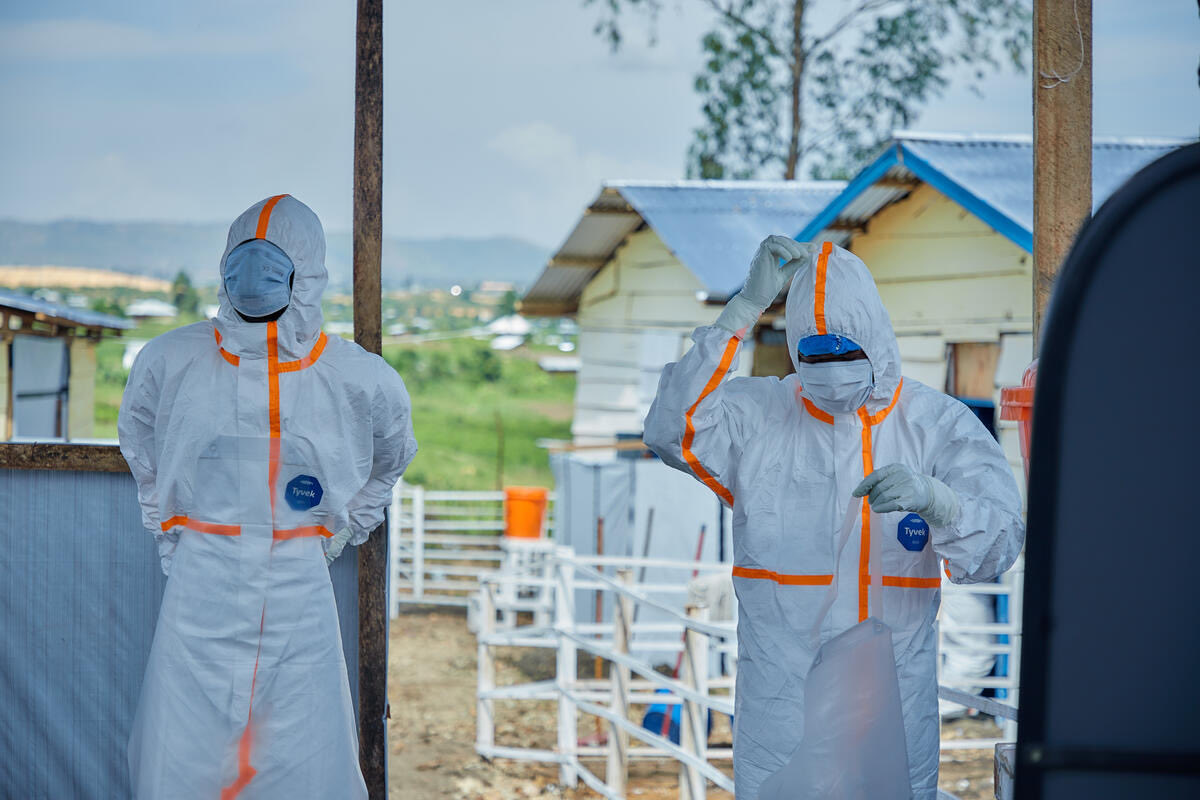
Member states of the World Health Organization (WHO) made limited progress during the seventh session of the Intergovernmental Working Group (IGWG) tasked with finalizing a key annex to the global pandemic agreement, prompting negotiators to schedule another round of talks in September.
The session, which opened on July 6 and concluded last week at WHO headquarters in Geneva, focused on drafting and negotiating the annex covering the Pathogen Access and Benefit-Sharing (PABS) System, a central component of the pandemic accord.
Without the completion of the PABS annex, the global pandemic agreement cannot enter into force.
The annex had originally been expected to be finalized before May 2026, but negotiations have progressed more slowly than anticipated.
In a statement, the WHO said member states “advanced negotiations” on the PABS system while acknowledging that additional discussions are required to complete a framework capable of supporting a faster, more effective and more equitable response to future pandemics.
The organization announced that an eighth round of negotiations will take place on September 14.
Despite the limited progress, delegates succeeded in streamlining the draft text and concentrating discussions on several technical issues.
According to the WHO, negotiators focused on the contractual arrangements underpinning the PABS mechanism, the laboratory networks responsible for handling and sharing pathogens and their genetic sequence data, as well as the framework for distributing the benefits generated through the sharing of those pathogens.
The PABS system is considered one of the most important elements of the future pandemic agreement, as it aims to ensure timely access to pathogens for scientific research while establishing fair mechanisms for sharing the benefits derived from vaccines, diagnostics and other medical countermeasures developed during future global health emergencies.
International
Iran Says It Is in “Full-Scale War” as U.S. Launches Ninth Consecutive Night of Airstrikes
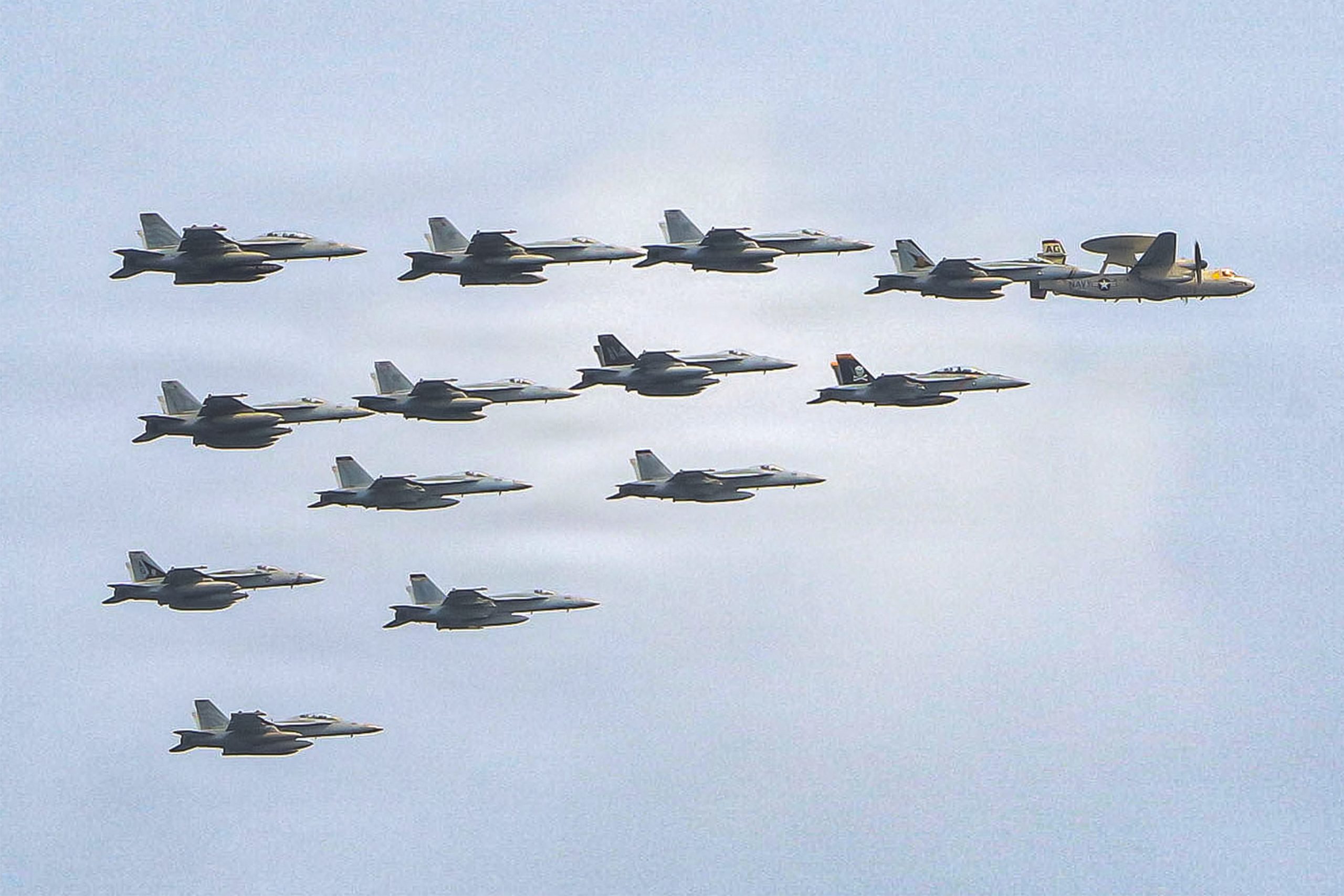
Iran declared on Monday that it is facing a “full-scale war” against the United States after Washington carried out another wave of overnight airstrikes, including attacks near a city that hosts one of the country’s nuclear facilities.
Iranian President Masoud Pezeshkian said the country must prepare for the consequences of the ongoing conflict, describing the situation as a broad military confrontation.
“The reality is that today the Islamic Republic of Iran is engaged in a full-scale war,” Pezeshkian said in a statement released by the presidency. “We must be realistic and accept the natural consequences of this resistance.”
The latest U.S. strikes marked the ninth consecutive night of military operations, according to the U.S. Central Command (CENTCOM), which announced the attacks on X.
Since hostilities resumed on July 7, U.S. air operations have expanded well beyond southern Iran, reaching central and northwestern regions of the country, according to local sources.
Local authorities reported that one person was killed and several others injured in Tabriz, in northwestern Iran, more than 1,000 kilometers from the Persian Gulf.
Additional casualties were reported in the nearby city of Urmia, where several people were wounded during separate strikes.
Washington said the attacks targeted military installations. However, Iranian officials accused the United States of striking populated areas, including Bushehr, home to Iran’s only operational nuclear power plant.
Iran also reported that the Darkhovin nuclear facility, which is still under construction, was among the sites hit during the latest attacks.
U.S. President Donald Trump said on Sunday that the renewed military campaign was carried out in honor of American service members killed in recent days.
Two U.S. soldiers died on Friday during attacks on a military base in Jordan, while another service member was killed on Sunday during the controlled disposal of unexploded munitions from an Iranian drone in northern Iraq.
According to U.S. figures, 17 American troops have been killed since the conflict began on February 28.
On the Iranian side, the latest official figures released on Friday reported 50 deaths and more than 500 injuries since fighting resumed earlier this month.
A memorandum of understanding signed by Iran and the United States on June 17, which had been intended to pave the way for peace negotiations, collapsed after hostilities resumed over the strategic control of the Strait of Hormuz, one of the world’s most important energy shipping routes.

French Parliament Moves to Approve Social Media Age Limit for Minors

WHO to Hold New Round of Talks After Slow Progress on Pandemic Accord

Iran Says It Is in “Full-Scale War” as U.S. Launches Ninth Consecutive Night of Airstrikes
Tec de Monterrey honors one of its students for his contribution to nanotechnology in medicine

Defense Minister commends salvadoran soldier for Central American Cross Country victory

Extension of the state of emergency approved in southern Chile
-

 International4 days ago
U.S. Strikes Hit Areas Near Strait of Hormuz as Tensions With Iran Escalate
-
 International4 days ago
U.S. to Limit Visa Duration for Foreign Students and Journalists
-
 International4 days ago
El Salvador Sends Eighth Humanitarian Flight to Earthquake-Hit Venezuela
-

 Central America4 days ago
Nicaragua Cuts Diplomatic Ties With Italy Over Red Brigades Dispute
-
 International2 days ago
Ten Bodies Found in Mexico’s Zacatecas State Amid Security Operation
-
 International3 hours ago
French Parliament Moves to Approve Social Media Age Limit for Minors
-
 International3 hours ago
Iran Says It Is in “Full-Scale War” as U.S. Launches Ninth Consecutive Night of Airstrikes
-
 International3 hours ago
WHO to Hold New Round of Talks After Slow Progress on Pandemic Accord