
International
Arizona, the U.S. border trophy that is contested by Democrats and Republicans in 2024

Arizona, the only ‘hinge’ state that borders Mexico, has become one of the longed-for trophies for White House candidates who know that every vote counts there, after surprisingly opting for the Democrats in 2020 by only eleven thousand votes and with the help of Latino voters.
Both the Democratic campaign of Vice President Kamala Harris and that of former Republican President Donald Trump (2017-2021) are investing valuable resources in Arizona in search of their 11 electoral votes in the midst of a very close national campaign for next November’s elections.
This Friday Harris will hold together with his running mate, the governor of Minnesota, Tim Walz, a rally in Glendale (Arizona), 14 kilometers (9 miles) northwest of Phoenix, as part of a tour of key states.
It is the fourth visit of the Democrat to that state this year, the first since President Joe Biden ended his re-election campaign and supported her in her aspirations.
Harris participated on June 24 in an event that promoted reproductive rights on the second anniversary of the annulment by the U.S. Supreme Court of the Roe v. Wade, who protected the right to abortion, a crucial issue in Arizona.









But in Arizona there are long-standing battles that matter a lot to voters, such as immigration, one of the weapons of Trump’s campaign, and which was taken up last week by Vice-Presidential candidate J.D. Vance, on a visit to Cochise County.
At a conference on the border wall, the Republican senator for Ohio criticized Harris by saying that he had “failed” in his work of containing undocumented immigrants, whom he blamed for leaving schools and hospitals without resources.
But Vance stepped on moving land. The anti-immigrant speech that once promoted the approval in Arizona of SB-1070, one of the toughest state laws against the undocumented, took a toll on the ultra-conservatives, in a state that was one of its safest bastions.
After campaigns promoted by immigrant advocates and Latino organizations to repeal the law, Democrats have been gaining ground in election positions previously intended for Republicans as the two seats of the U.S. Senate.
The red party suffered its loss in 2020 when Biden won the state by 11,000 votes, a victory that did not take place since former President Bill Clinton won in 1996.
A greater registration and participation of Latinos were some of the factors for the Democrat to beat Trump. The electoral authorities endorsed the winner, despite the efforts of the former president’s allies, of whom more than a dozen are accused of electoral fraud, including a Trump lawyer.
Another factor for this change has been a greater participation of young Latinos, who through social networks have been key to spreading the message of the importance of the vote, a loot that Harris wants to capture.
The economy, inflation and security continue to be other important factors that will tip the balance, according to a recent CBS survey.
The most recent HighGround Public Affairs survey, conducted between July 31 and August 5, shows that Vice President Harris has a 2.8 percentage point advantage over former President Donald Trump in Arizona. A technical tie taking into account that the margin of error of the survey of 4.38%.
However, Harris could consolidate if you take into account the eleven percentage points that Democratic congressman Rubén Gallego, who is looking for a chair in the U.S. Senate, in front of Trumpist candidate Kari Lake.
In addition, several Republican figures, including the influential mayor of Mesa, John Giles, have turned their backs on Trump and seem to opt for the Democratic candidate.






International
German president says trust in U.S. leadership is ‘lost’ amid global tensions
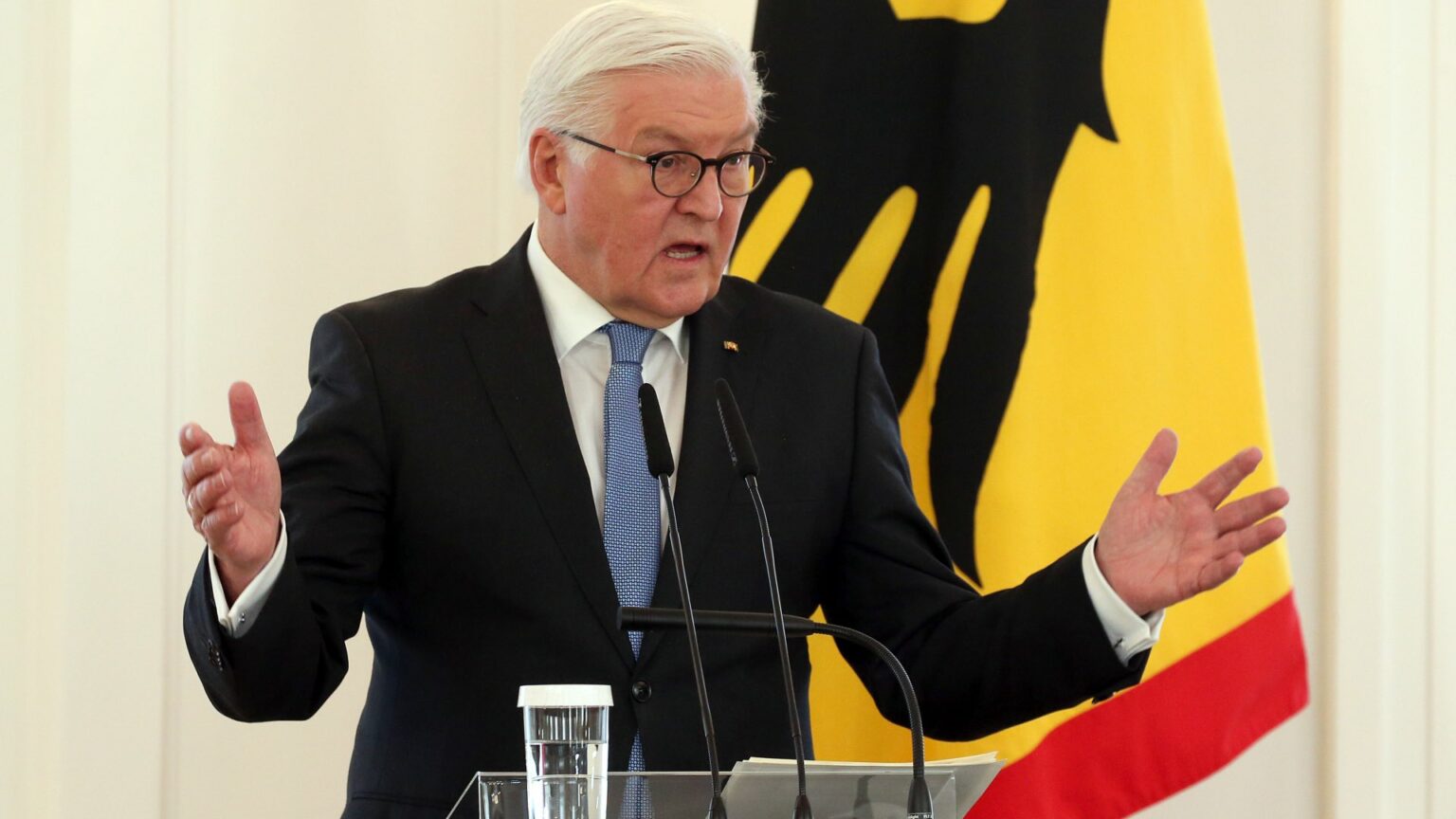
German President Frank-Walter Steinmeier said on Tuesday that trust between the United States and its Western allies has been “lost,” warning that the damage could persist beyond the presidency of Donald Trump.
“The rupture is very deep, and the loss of trust in U.S. great power policy is significant—not only among its allies, but also, as I observe, globally,” Steinmeier said during a speech in Berlin marking the 75th anniversary of Germany’s Foreign Ministry.
Referring to the future of transatlantic relations, he stated that “there is no return to the situation before January 20, 2025,” the date marking the start of Trump’s second term in the White House.
“Even a future U.S. administration will no longer be able to resume the role of a benevolent hegemon guaranteeing a liberal international order,” added Steinmeier, who previously served as Germany’s foreign minister.
He also criticized the war against Iran, describing it as “contrary to international law” and calling it “a political mistake with serious consequences.”
“This war is avoidable and unnecessary,” he said.
Although the German presidency is largely ceremonial, Steinmeier’s remarks reflect a broader concern within Germany, aligning with the government’s cautious stance while going further in tone.
International
Trump claims talks with Iran as G7 meets to address global tensions
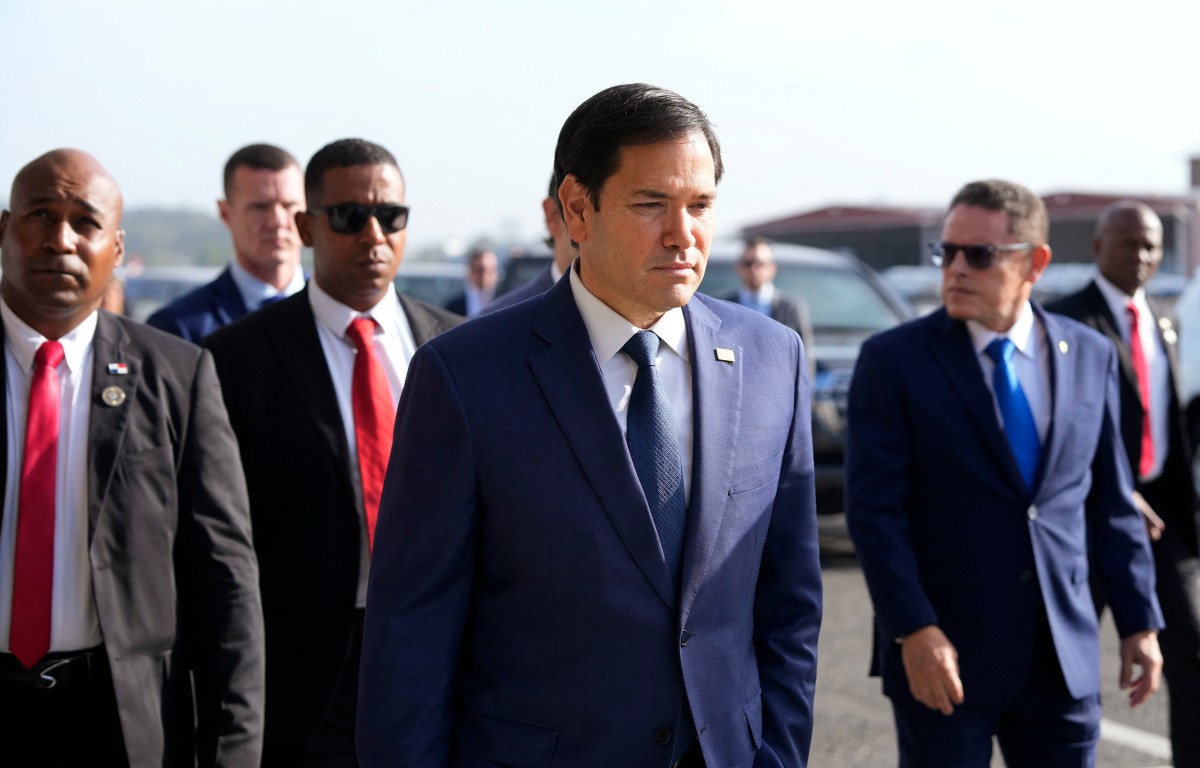
U.S. President Donald Trump said that the United States has held talks with Iran—a claim denied by Tehran—and has temporarily paused his threat to target the country’s electrical infrastructure.
In his first overseas trip since the United States and Israel launched their offensive on February 28, U.S. Secretary of State Marco Rubio is expected to address key global issues, including the situation in the Middle East, according to State Department spokesperson Tommy Pigott.
Foreign ministers from the Group of Seven will meet in Cernay-la-Ville, close to Versailles, on the outskirts of Paris.
During the meeting, Rubio will hold discussions with his counterparts on “the war between Russia and Ukraine, the situation in the Middle East, and threats to global peace and stability,” Pigott said.
France currently holds the presidency of the G7, whose members also include the United Kingdom, Canada, Germany, Italy, and Japan.
Although all G7 nations are close allies of the United States, none has offered explicit support for Washington’s military actions against Iran, a stance that has reportedly frustrated Trump.
Last Saturday, G7 foreign ministers called for an “immediate and unconditional end” to Iranian attacks against U.S. allies in the Middle East.
International
Pentagon to deploy 3,000 troops to Persian Gulf as Middle East tensions escalate
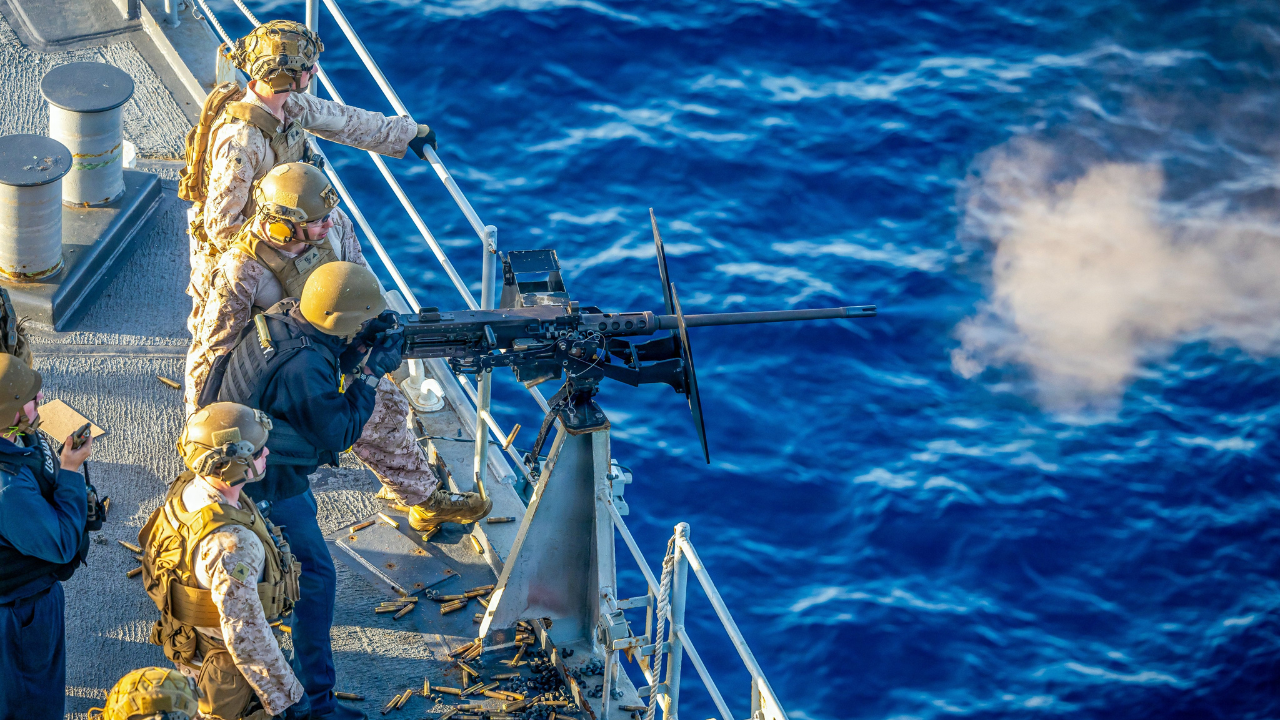
The Pentagon is planning to deploy nearly 3,000 troops from the 82nd Airborne Division to the Persian Gulf, according to two senior officials cited Tuesday by Spanish newspaper El País.
Meanwhile, Hezbollah warned it would confront any attempt at occupation following Israel’s announcement that its military will take control of southern Lebanon up to the Litani River, located about 30 kilometers from the border.
In recent hours, the Israel Defense Forces carried out airstrikes on Beirut, while Iran and Hezbollah responded with attacks on Israel, leaving at least six people with minor injuries in Tel Aviv.
The escalation comes as global markets react to renewed instability. The price of oil rose again above $100 per barrel after a brief decline the previous day, following an announcement by U.S. President Donald Trump of a five-day truce on attacks targeting Iran’s energy infrastructure.
Despite the announcement, Iranian authorities reported that two projectiles struck a gas pipeline in Khorramshahr and administrative buildings at a gas facility in Isfahan early Tuesday.

German president says trust in U.S. leadership is ‘lost’ amid global tensions

Trump claims talks with Iran as G7 meets to address global tensions

Pentagon to deploy 3,000 troops to Persian Gulf as Middle East tensions escalate
Tec de Monterrey honors one of its students for his contribution to nanotechnology in medicine

Defense Minister commends salvadoran soldier for Central American Cross Country victory

Extension of the state of emergency approved in southern Chile
-
 Sin categoría3 days ago
Tehran engulfed in toxic cloud after strikes on fuel facilities
-
 International3 days ago
IEA warns Middle East conflict could spark worst energy crisis in decades
-

 International3 days ago
Colombian Air Force Hercules plane crashes during takeoff with troops onboard
-
 Central America3 days ago
Panama seizes over 1,200 drug packages in container bound for Lithuania
-
 International2 days ago
Trump claims talks with Iran as G7 meets to address global tensions
-
 International4 days ago
Netanyahu vows to target Iran’s leadership after missile strikes in southern Israel
-
 International2 days ago
Israel plans to seize security zone in southern Lebanon amid escalating conflict
-
 International2 days ago
Pentagon to deploy 3,000 troops to Persian Gulf as Middle East tensions escalate
-
 International2 days ago
German president says trust in U.S. leadership is ‘lost’ amid global tensions
-

 International4 days ago
Paris prosecutors alert U.S. over alleged deepfake strategy linked to Elon Musk