
International
Chilean mother travels 1,300 kilometers on foot to try to save her son with dystrophy

In the city of Ancud, one of the most important of the Chiloe archipelago, in the south of Chile, there is no hospital, so if one of its about 165,000 inhabitants gets sick, he must take the ferry and travel about 50 kilometers to reach the neighboring city of Puerto Montt, the nearest place.
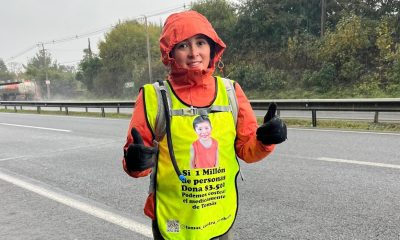
Camila Gómez, a young mother, decided to take a trip but this time to walk to the Palacio de la Moneda, in Santiago de Chile, more than 1,300 kilometers from her home, to raise funds and make visible the drama of her son Tomás, who suffers from Duchenne muscular dystrophy, one of the so-called “rare diseases”, which almost no one worries and no one finances.
Its main objective is to help collect the nearly four million dollars that costs a vital treatment that does not exist in Chile – it must be imported from the United States – and that would help stop the progression of the child’s ailment, barely five years old.
“Tomás has Duchenne muscular dystrophy in a neuromuscular degenerative disease that gradually weakens the muscles, the respiratory system and the heart, which leads to premature death,” he explains in one of the highs of his journey.
“In Chile there is no type of treatment for this disease, but in the United States there are several treatment options, there are three and here they told me that it was not possible to cover a medicine that is abroad. And it motivated me to do this walk, this physical effort,” he adds.











Gómez regrets that no one, neither the precarious public service nor the greedy private insurance, has offered him an exit in the country, although his son “does have options abroad.
“That’s why we decided to walk, to make the disease visible and take it very particularly to collect the 3.9 million dollars that the drug that is administered for the only time in a lifetime costs. So far (its administration) is approved until the age of four and five. Tomás is five and a half years old. So we are against time,” she urges in anguish.
Even so, hope has not been erased from his face and sometimes, especially when asked about solidarity, he outlines a smile of love and trust.
“We are all aware of the great health deficit, that Chile is a country very backward in health, unlike other more developed countries and we are all aware of that. So people have empathized, supported and contributed to the campaign,” he says.
Along with this mother, who left Ancud on April 28, her husband and father of Tomás, Alex Ross, a friend Álvaro Neira and Marco Reyes, president of the Duchenne Families corporation in Chile, who has two teenage children with the same disease and who proposed the Ross Gómez family to the odyssey.
“I am the logistical support for Camila and Marco who have been walking from Chiloé. I assist them on the way, usually with a change of clothes, food, food, I manage the lodging,” explains Alex.
“(Camila) Walk through Tomás, because we are against time, but he also does it so that no mom has to do it,” he says.
Camila’s third objective is to be able to speak in person with the President of the Republic, Gabriel Boric, to urge him to promote a bill to Congress that allows improving the coverage of rare diseases in the country, and medical assistance in rural areas, abandoned by the state in a country where the privatization of health care prevails.
Neira joined the walk because he was moved by Tomás’ suffering but also because he is worried that “in Chile we do not have the means, a clinic where we can have these medicines, that we have to go to this.”
Tomás was diagnosed in March 2023 with Duchenne’s syndrome, the most common but also most severe form of this type of muscular dystrophy that is triggered by a defective gene that affects dystrophin, a protein that helps keep the body’s cells intact.
It causes problems when walking and running, fatigue, learning difficulties and heart and respiratory deficiencies, and those who suffer from it usually have a life expectancy of between 20 or 30 years in difficult conditions.
With more than 700 kilometers of love in her terrified legs, this mother hopes to arrive in the Chilean capital at the end of this month of May from Chiloe, where there is a movement so that the spending on a bridge that they believe is unnecessary, is dedicated to the construction of a perentory hospital

























International
Portuguese Authorities Seize 2.6 Tons of Cocaine Worth More Than $550 Million in Drug Bust
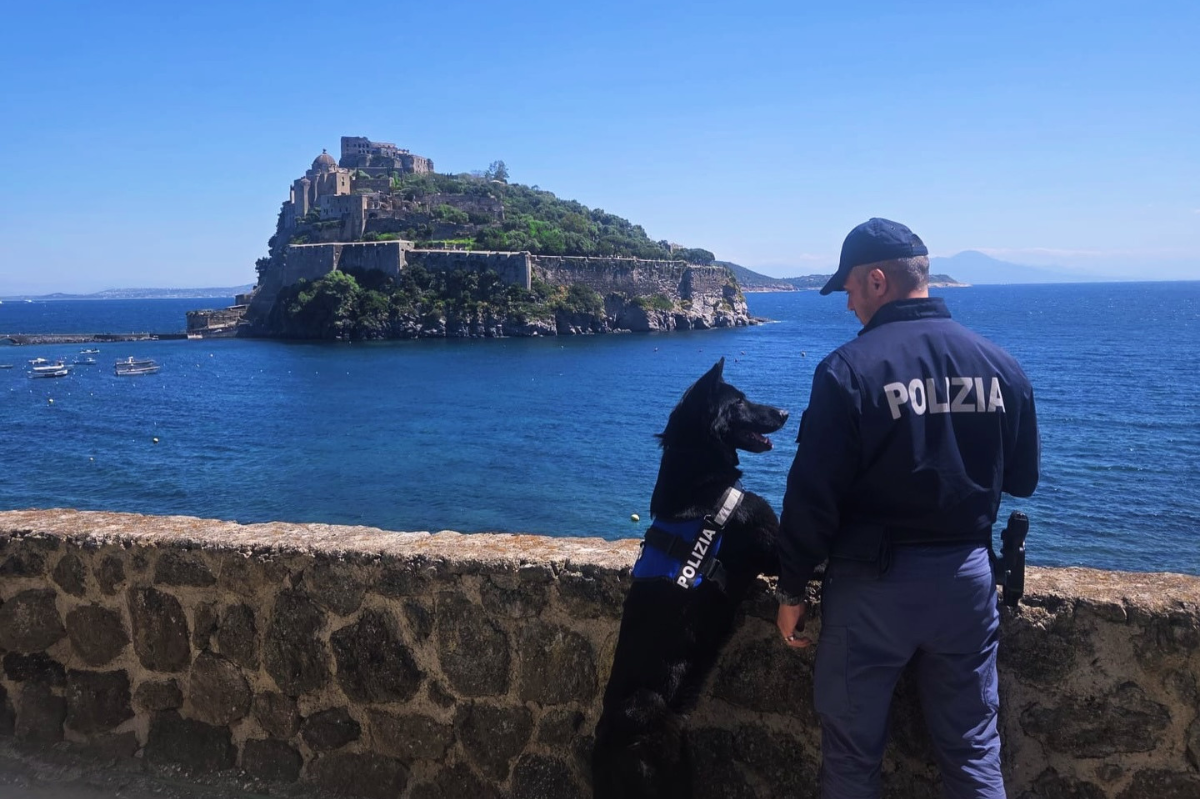
Italian financial police reported Monday that Portuguese authorities intercepted a speedboat carrying more than 2.6 tons of cocaine, with an estimated street value exceeding $550 million.
Four people — two Spanish nationals, one Albanian citizen, and a man from Gibraltar — were arrested in connection with the operation, according to Italian authorities.
The vessel was intercepted off the coast of Lisbon by Portugal’s maritime police following an investigation led by Italian authorities.
Italian financial police estimated that the seized shipment had a street value of approximately 500 million euros ($570 million), making it one of the largest drug seizures reported in the region in recent years.
Portuguese authorities said the interception took place on Thursday, about 90 kilometers (50 nautical miles) southwest of Cape Espichel, during an operation targeting international drug trafficking routes.
International
U.S. and Iran Maintain Ceasefire as Trump Expresses Optimism Over New Talks

U.S. President Donald Trump said Monday that there are “good chances” of reaching an agreement with Iran, as both sides maintained a ceasefire for the third consecutive day following weeks of escalating hostilities.
Trump expressed optimism about the possibility of resuming diplomatic negotiations aimed at ending the conflict, which began in late February and has raised international concerns over its impact on global markets and energy supplies.
The fighting has remained suspended since Saturday, after the United States resumed airstrikes against Iran amid a dispute over control of the Strait of Hormuz, a key route for global oil shipments. The renewed military action had previously caused the collapse of an earlier ceasefire agreement.
Asked about the prospects for negotiations aboard Air Force One, Trump said: “I have a lot of patience… We’ll see what happens. I think there are good chances that something could happen.”
The U.S. president also highlighted Washington’s military capabilities, saying: “We have a lot of ammunition,” while adding that he would like to have more resources due to U.S. support for Ukraine.
U.S. Ambassador to the United Nations Mike Waltz said Trump was allowing diplomatic efforts more time, explaining that the president was “giving some space to the talks” while maintaining that Washington remains prepared to take action if necessary.
Meanwhile, tensions continue in other areas of the Middle East. Saudi Arabia reported that it intercepted drones launched from Iraq by groups allied with Tehran and urged the Iraqi government to take measures to prevent further attacks.
International
Police Investigate After Remains of Five Newborns Found in French Apartment
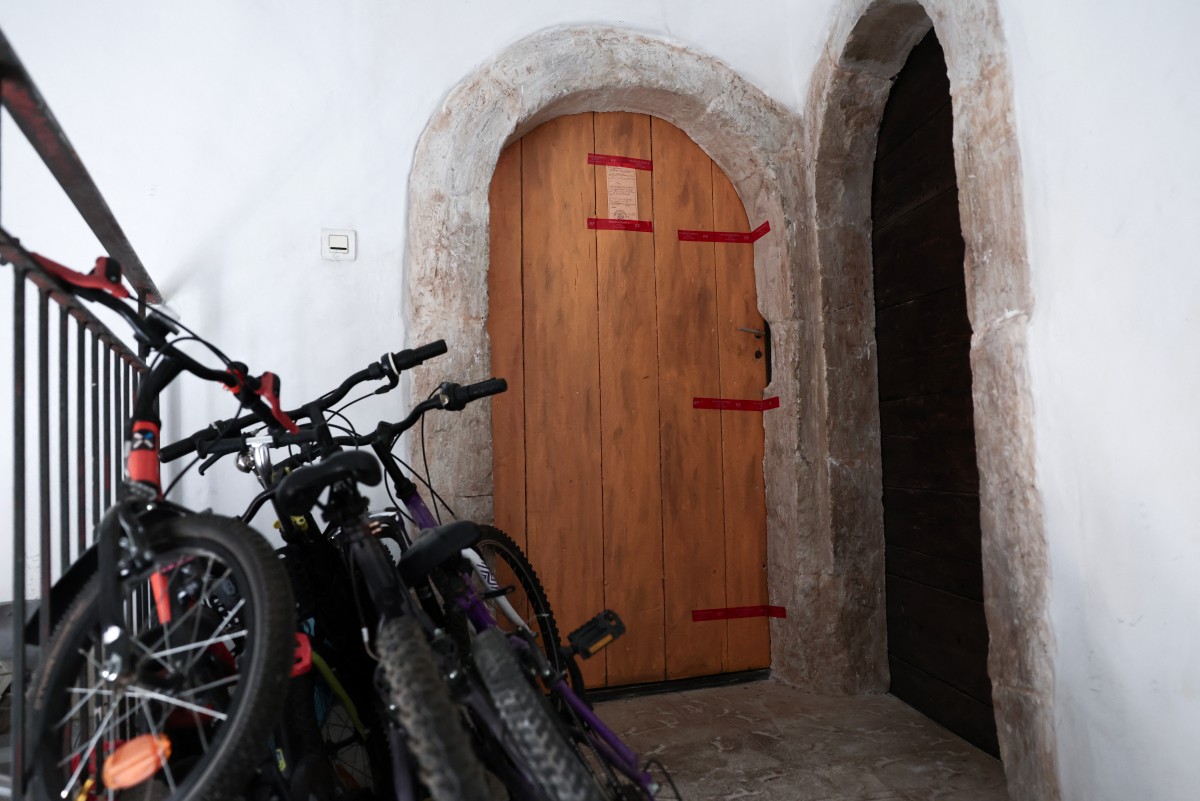
French authorities have opened a murder investigation after the discovery of human remains believed to belong to five newborn babies inside an apartment in the historic center of a city, the local prosecutor’s office reported Monday night.
According to prosecutors, a 32-year-old woman had given birth at home on Sunday to a healthy baby before being taken to a hospital for medical care.
The discovery was made after the woman’s 32-year-old partner began searching the residence after reportedly learning, once again and at a late stage, that she had been pregnant.
During the search, the man found what appeared to be human remains and informed the hospital, which then alerted prosecutors.
A forensic doctor determined that the remains likely belonged to five newborn infants. Authorities have not yet established the circumstances or motive behind the case.
Investigators have not been able to interview the mother, who remains hospitalized following the delivery.
Prosecutors also confirmed that the couple has two other children, aged eight and nine years old. The investigation remains ongoing as authorities work to clarify the events surrounding the discovery.


Portuguese Authorities Seize 2.6 Tons of Cocaine Worth More Than $550 Million in Drug Bust

U.S. and Iran Maintain Ceasefire as Trump Expresses Optimism Over New Talks

Police Investigate After Remains of Five Newborns Found in French Apartment
Tec de Monterrey honors one of its students for his contribution to nanotechnology in medicine

Defense Minister commends salvadoran soldier for Central American Cross Country victory

Extension of the state of emergency approved in southern Chile
-

 International4 days ago
Wildfires in France Burn Nearly Three Times More Land Than in 2025, Interior Minister Says
-
 International14 hours ago
U.S. and Iran Maintain Ceasefire as Trump Expresses Optimism Over New Talks
-
 International14 hours ago
Police Investigate After Remains of Five Newborns Found in French Apartment
-

 International4 days ago
Israel Says Saudi Recognition Would Mark ‘Historic Breakthrough’ for Middle East Peace
-
 International14 hours ago
Portuguese Authorities Seize 2.6 Tons of Cocaine Worth More Than $550 Million in Drug Bust
-

 International1 day ago
Costa Rica Seeks to Expand Extradition Law to Target Organized Crime
-

 International1 day ago
China Accuses U.S. AI Firms of Using Chinese Models to Train Artificial Intelligence
-
 Central America2 days ago
EU Urges Nicaragua to Hold Free and Transparent Elections Amid Proposed Electoral Reforms
-

 International1 day ago
Three Killed, Four Injured in Shooting Near Seattle’s Space Needle