
International
Changing the time has an impact on the economy and your health: this entity asks to end the measure in the EU
The non-profit organization Time Use Initiative (TUI), which promotes the right to time around the world, demands an end to the time change in Europe in the electoral programs that will be presented for the next elections in the European Parliament (June 9).
The entity, according to a statement issued on Monday, defends the end of this measure because changing the clocks to an incorrect time zone “negatively affects individual and collective health, as well as the economy.”
During the last 30 years, he adds, “it has been shown that living in the wrong time zones has a negative impact on energy savings, on the risk of cancer and other diseases, on the performance of workers and students, or on GDP, among other issues.”
Specifically, according to TUI, 20% of European citizens and 34% of women with children “suffer from time poverty,” which means “affects both individual well-being and social cohesion.”
The roadmap set out in the EU Manifesto focuses especially on sectors that may experience a greater impact, such as emergency and transport services, and includes a public awareness campaign.









The platform’s request, whose main objective is to encourage public debate on how to collectively organize time to improve the well-being of citizens, coincides with the time change on European clocks on March 31.
According to the entity’s statement, ending the seasonal time change for 2026 is one of the 12 measures included in the EU Manifesto on time policies promoted by TUI to guarantee the right to time in Europe.
According to TUI, the fact that no changes have been implemented in this aspect responds to “beliefs and myths about the need to maintain daylight saving time that persist between public opinion and political debate.”
Three examples:
One of those myths, in the opinion of this entity, is that daylight saving time saves energy.
The platform responds that this “could be spending more energy, given the current consumption patterns, which increase the expenditure on cooling and heating.”
Another myth that TUI points out is that the end of the time change could harm the economy, especially certain sectors such as tourism, leisure or retail trade.
With regard to this argument, experts mention issues such as that the current configuration already causes lack of sleep and, therefore, less productivity and work accidents, or that it is not daylight saving time, but summer and good weather that drive tourism and leisure.
And a third myth: the belief that ending time changes means changing daily habits.
TUI mentions the argument of the International Alliance for Natural Time (IANT), which assures that, since habits are already constant throughout the year in terms of time, they can remain the same.







International
German president says trust in U.S. leadership is ‘lost’ amid global tensions
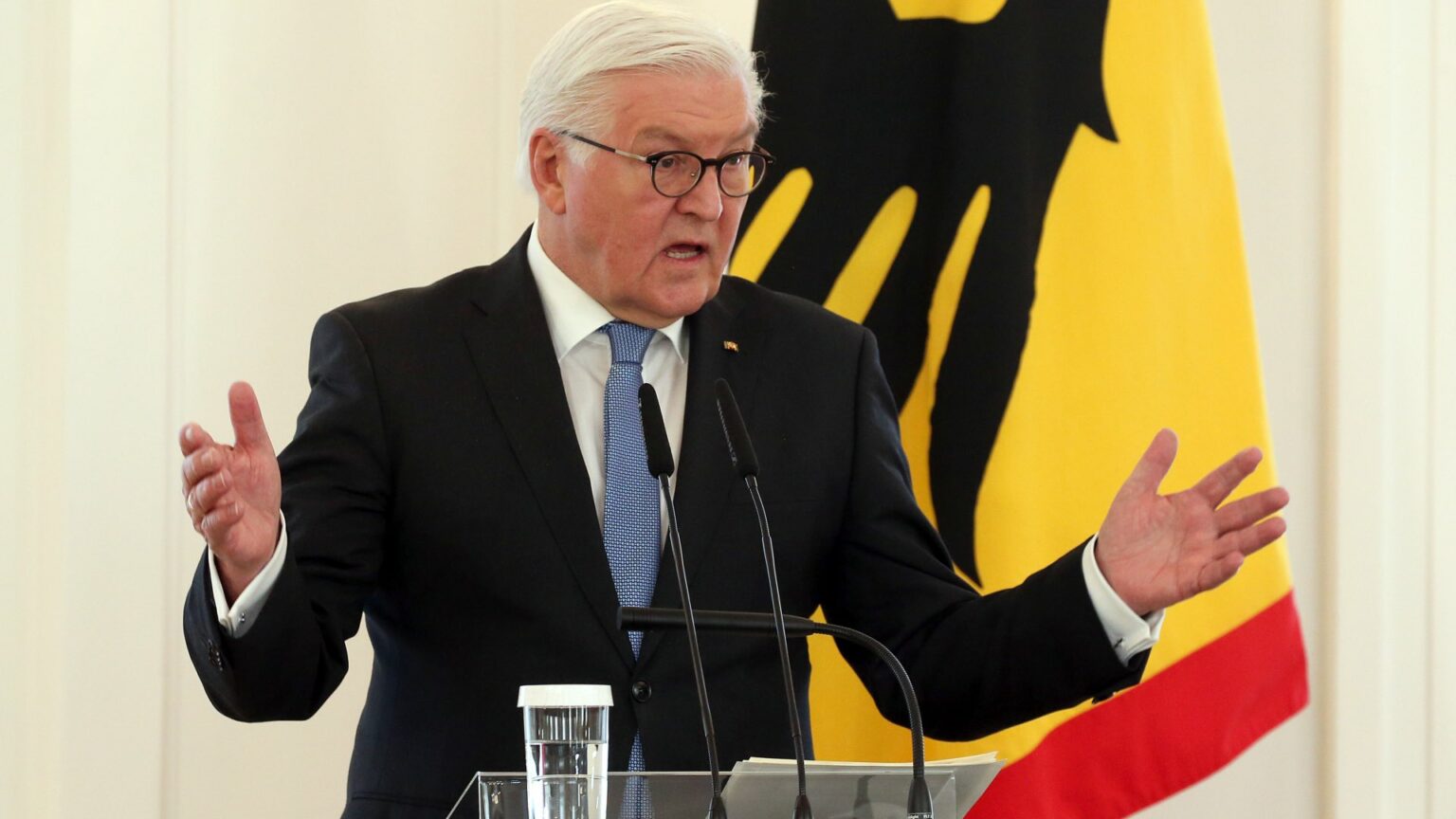
German President Frank-Walter Steinmeier said on Tuesday that trust between the United States and its Western allies has been “lost,” warning that the damage could persist beyond the presidency of Donald Trump.
“The rupture is very deep, and the loss of trust in U.S. great power policy is significant—not only among its allies, but also, as I observe, globally,” Steinmeier said during a speech in Berlin marking the 75th anniversary of Germany’s Foreign Ministry.
Referring to the future of transatlantic relations, he stated that “there is no return to the situation before January 20, 2025,” the date marking the start of Trump’s second term in the White House.
“Even a future U.S. administration will no longer be able to resume the role of a benevolent hegemon guaranteeing a liberal international order,” added Steinmeier, who previously served as Germany’s foreign minister.
He also criticized the war against Iran, describing it as “contrary to international law” and calling it “a political mistake with serious consequences.”
“This war is avoidable and unnecessary,” he said.
Although the German presidency is largely ceremonial, Steinmeier’s remarks reflect a broader concern within Germany, aligning with the government’s cautious stance while going further in tone.
International
Trump claims talks with Iran as G7 meets to address global tensions
U.S. President Donald Trump said that the United States has held talks with Iran—a claim denied by Tehran—and has temporarily paused his threat to target the country’s electrical infrastructure.
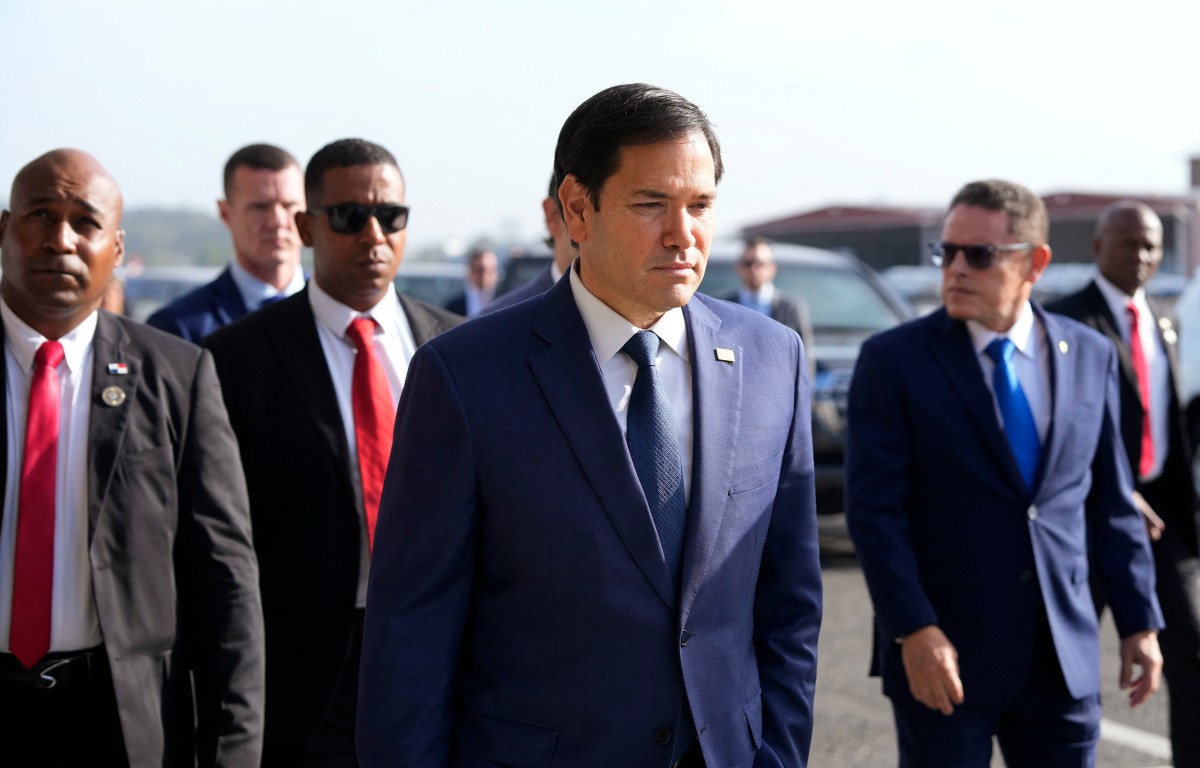
In his first overseas trip since the United States and Israel launched their offensive on February 28, U.S. Secretary of State Marco Rubio is expected to address key global issues, including the situation in the Middle East, according to State Department spokesperson Tommy Pigott.
Foreign ministers from the Group of Seven will meet in Cernay-la-Ville, close to Versailles, on the outskirts of Paris.
During the meeting, Rubio will hold discussions with his counterparts on “the war between Russia and Ukraine, the situation in the Middle East, and threats to global peace and stability,” Pigott said.
France currently holds the presidency of the G7, whose members also include the United Kingdom, Canada, Germany, Italy, and Japan.
Although all G7 nations are close allies of the United States, none has offered explicit support for Washington’s military actions against Iran, a stance that has reportedly frustrated Trump.
Last Saturday, G7 foreign ministers called for an “immediate and unconditional end” to Iranian attacks against U.S. allies in the Middle East.
International
Pentagon to deploy 3,000 troops to Persian Gulf as Middle East tensions escalate
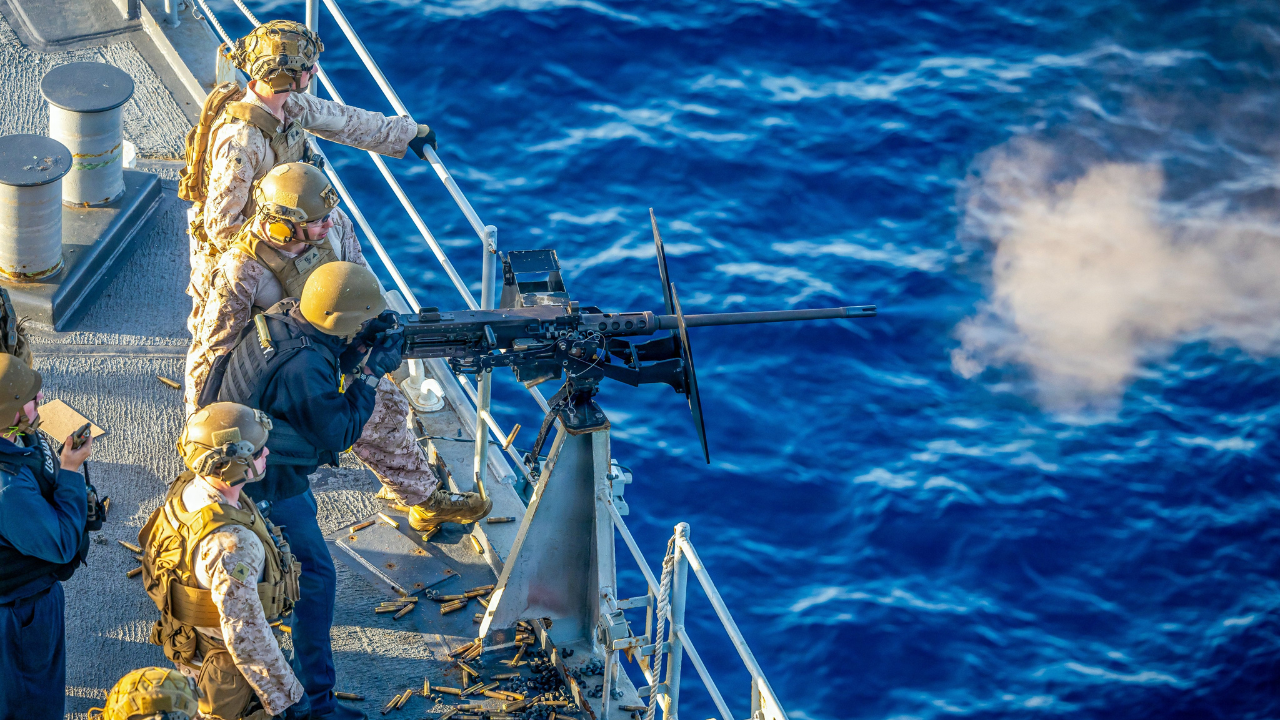
The Pentagon is planning to deploy nearly 3,000 troops from the 82nd Airborne Division to the Persian Gulf, according to two senior officials cited Tuesday by Spanish newspaper El País.
Meanwhile, Hezbollah warned it would confront any attempt at occupation following Israel’s announcement that its military will take control of southern Lebanon up to the Litani River, located about 30 kilometers from the border.
In recent hours, the Israel Defense Forces carried out airstrikes on Beirut, while Iran and Hezbollah responded with attacks on Israel, leaving at least six people with minor injuries in Tel Aviv.
The escalation comes as global markets react to renewed instability. The price of oil rose again above $100 per barrel after a brief decline the previous day, following an announcement by U.S. President Donald Trump of a five-day truce on attacks targeting Iran’s energy infrastructure.
Despite the announcement, Iranian authorities reported that two projectiles struck a gas pipeline in Khorramshahr and administrative buildings at a gas facility in Isfahan early Tuesday.


German president says trust in U.S. leadership is ‘lost’ amid global tensions

Trump claims talks with Iran as G7 meets to address global tensions

Pentagon to deploy 3,000 troops to Persian Gulf as Middle East tensions escalate
Tec de Monterrey honors one of its students for his contribution to nanotechnology in medicine

Defense Minister commends salvadoran soldier for Central American Cross Country victory

Extension of the state of emergency approved in southern Chile
-
 Sin categoría1 day ago
Tehran engulfed in toxic cloud after strikes on fuel facilities
-
 Central America5 days ago
Guatemala narrows emergency measures to hardest-hit gang violence areas
-

 International5 days ago
US panel backs Trump-themed coin amid controversy
-
 International1 day ago
IEA warns Middle East conflict could spark worst energy crisis in decades
-
 Central America1 day ago
Panama seizes over 1,200 drug packages in container bound for Lithuania
-
 International9 hours ago
Trump claims talks with Iran as G7 meets to address global tensions
-
 International5 days ago
Fed’s Waller warns of rising inflation risks amid Middle East conflict
-

 International1 day ago
Colombian Air Force Hercules plane crashes during takeoff with troops onboard
-
 International2 days ago
Netanyahu vows to target Iran’s leadership after missile strikes in southern Israel
-
 International2 days ago
Paris prosecutors alert U.S. over alleged deepfake strategy linked to Elon Musk
-
 International9 hours ago
Pentagon to deploy 3,000 troops to Persian Gulf as Middle East tensions escalate
-
 International10 hours ago
Israel plans to seize security zone in southern Lebanon amid escalating conflict
-
 International9 hours ago
German president says trust in U.S. leadership is ‘lost’ amid global tensions