
Central America
Report questions direction of Nasry Asfura after 100 days in office
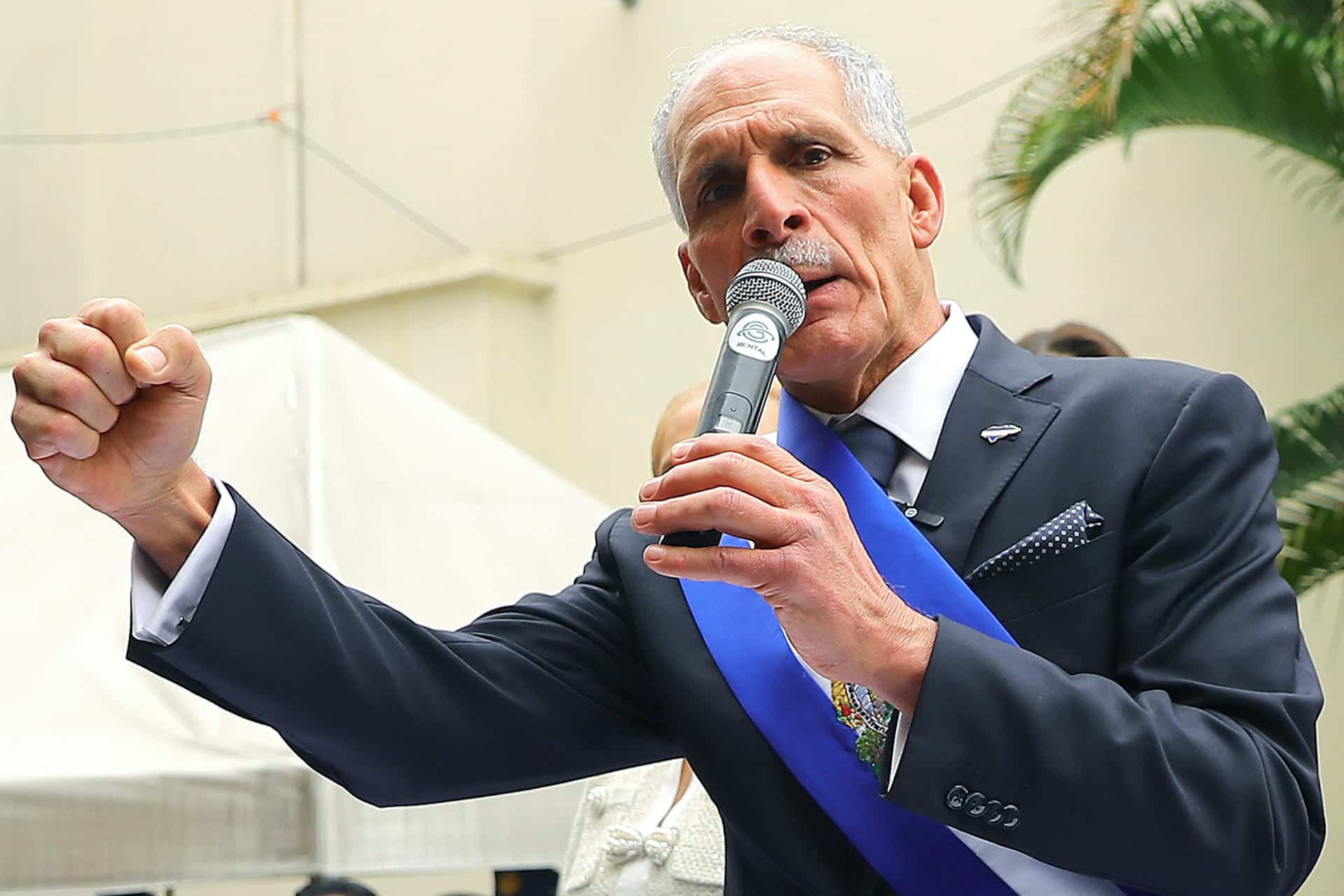
The Center for the Study of Democracy warned Tuesday that the government of Nasry Asfura, which marks its first 100 days in office on Wednesday, has failed to show a “significant change in direction” and continues to follow a model characterized by exclusion, inequality, and external dependence.
In its report titled “100 Days of the Nasry Asfura Government: Concerns and Demands,” Cespad stated that the administration has maintained an economic and political model that prioritizes debt payments, the promotion of extractive projects, and the strengthening of the security apparatus over social investment.
The organization argued that the current policies have not addressed structural problems affecting large sectors of the Honduran population and warned that inequality and economic dependence remain key challenges for the country.
Nasry Asfura won the general elections held on November 30, 2025, in a process marked by allegations of fraud and delays in the vote count that lasted nearly a month due to a series of technological failures.










Central America
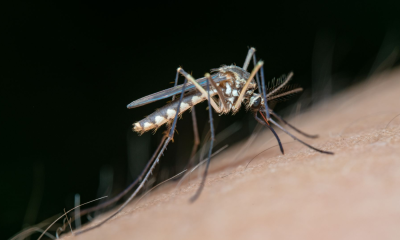
Honduras Warns of Possible New Dengue Epidemic as Cases Continue to Rise
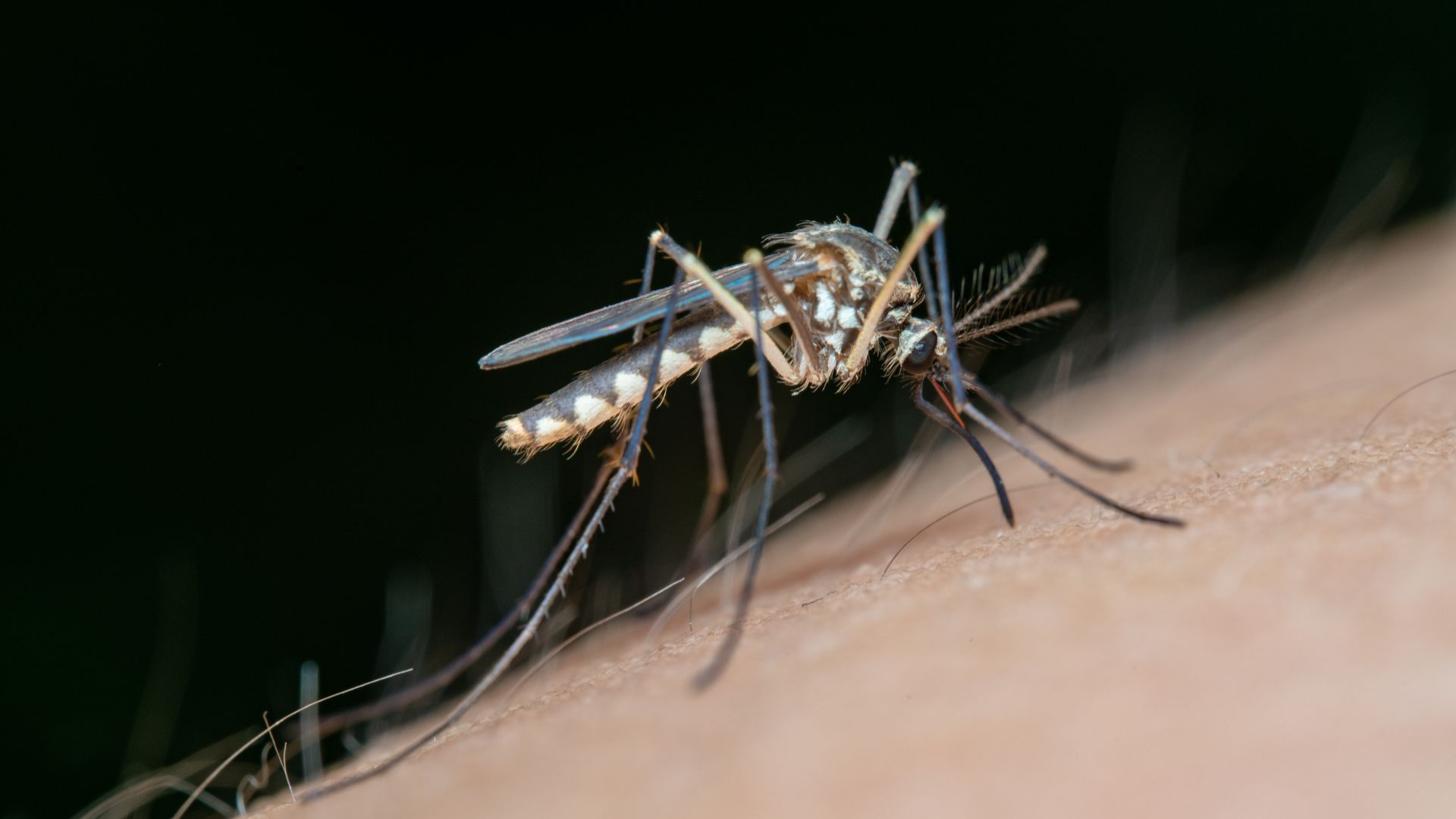
Honduras could be on the verge of a new dengue epidemic, according to physician and Honduran lawmaker Carlos Umaña, who warned about the sustained increase in cases across the country.
“We are on the verge of a new dengue epidemic because cases have been rising steadily,” Umaña said, urging citizens to take preventive measures. “Let’s eliminate breeding sites so we do not face fatal consequences later,” he added.
According to official data cited by Honduran media, the country had recorded 5,780 dengue cases nationwide through epidemiological week 26, covering the period from June 28 to July 4.
Of that total, 1,362 patients developed dengue with warning signs, while at least 100 cases progressed to severe dengue, increasing pressure on the national healthcare system.
Although current figures represent a decline of nearly 39% compared with the same period in 2025, when more than 9,400 cases had been reported, health authorities continue monitoring the situation due to the risk of a new surge.











Umaña warned that if the spread of the virus is not contained, Honduras could face an increase in fatalities, particularly among vulnerable groups such as children and adolescents.
Health officials continue urging the population to remove mosquito breeding sites and strengthen prevention measures to reduce transmission of the disease.
Central America
CDC Issues Level 2 Travel Alert for Costa Rica Amid Chikungunya Outbreak
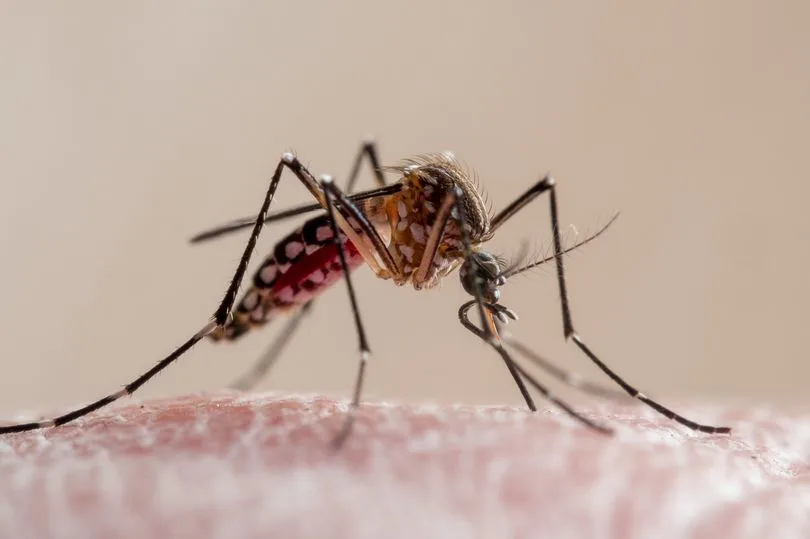
The U.S. Centers for Disease Control and Prevention (CDC) issued a Level 2 travel notice for Costa Rica following an outbreak of chikungunya, a mosquito-borne viral disease, urging U.S. travelers to “take additional precautions”when visiting the country.
On July 1, 2026, Costa Rica’s Ministry of Health declared an active chikungunya outbreak after confirming four casesand classifying 17 additional infections as probable among Costa Rican citizens and foreign nationals.
So far in 2026, Costa Rica has reported a total of 16 confirmed cases, including those linked to the current outbreak.
Chikungunya is a viral disease transmitted through the bite of infected mosquitoes. Symptoms usually appear three to seven days after a bite and may include high fever, severe joint and muscle pain, headaches, swelling, and skin rashes.
Although most people recover within about a week, some patients may experience persistent joint pain that can last for months or even years.
According to the CDC, there are currently no specific medications to treat chikungunya, but rest, adequate fluid intake, and over-the-counter pain relievers can help reduce symptoms.
The agency recommends that travelers visiting areas affected by chikungunya outbreaks consider vaccination as a preventive measure.
The CDC also warned that certain groups face a higher risk of developing severe illness, including newborns infected during birth, adults aged 65 and older, and people with underlying conditions such as diabetes or heart disease.
While chikungunya can cause significant health complications, the infection rarely results in death, health authorities said.
Sports
MLS Awaits Blockbuster Debuts as Griezmann and Lewandowski Join the Spotlight

While Major League Soccer awaits Lionel Messi’s return, the league will experience a major spotlight moment on Wednesday with the highly anticipated debuts of two new global stars: Robert Lewandowski and Antoine Griezmann.
French forward Antoine Griezmann, 35, could make his first official appearance for Orlando City when the team visits the San Jose Earthquakes, one of the surprise performers of the current MLS season.
The attacker recently ended his long spell with Atlético Madrid and has already made an early impression with his new club, scoring one of the goals in Orlando’s 6-0 friendly victory over Tampa Bay Rowdies of the United States’ second division.
Orlando is counting on its new star to help turn around a difficult season that began with the dismissal of Colombian coach Oscar Pareja after the team lost its first three matches.
Under Argentine manager Martín Perelman, Orlando City currently sits 13th in the Eastern Conference with 14 points from 15 games, outside the playoff qualification positions.
The team entered the break for the North American World Cup after suffering a heavy 6-2 defeat against FC Cincinnati on May 23.
Meanwhile, Robert Lewandowski was originally expected to make his Chicago Fire debut last Thursday when MLS resumed play after the international break.
The Polish striker, who will turn 38 in August, was scheduled to step onto the Soldier Field pitch against the Vancouver Whitecaps, coached by Thomas Müller, his former teammate at Bayern Munich.
However, the match was postponed due to poor air quality in Chicago caused by smoke from wildfires in southern Canada.
Lewandowski has continued preparing for his first professional experience outside European football.
“One thing I can say about Robert is that he has an incredible work ethic,” Chicago Fire head coach Gregg Berhalter said on Tuesday.
“He joined us after dealing with jet lag throughout last week, and he was still demanding from his teammates during training. He does extra work afterward. You can see why he has scored more goals than anyone else in Europe over the last 15 years, because he is an absolute professional,” added the former United States national team coach.
The arrival of Griezmann and Lewandowski adds even more star power to an MLS season already boosted by international figures, as clubs continue attracting some of the biggest names in world football.

Wildfires in France Burn Nearly Three Times More Land Than in 2025, Interior Minister Says

Israel Says Saudi Recognition Would Mark ‘Historic Breakthrough’ for Middle East Peace

Honduras Warns of Possible New Dengue Epidemic as Cases Continue to Rise
Tec de Monterrey honors one of its students for his contribution to nanotechnology in medicine

Defense Minister commends salvadoran soldier for Central American Cross Country victory

Extension of the state of emergency approved in southern Chile
-
 International5 days ago
Controversial Pesticide Law Passes in France, Sparking Ecological Concerns and Ministerial Fallout
-
 International5 days ago
U.S. Sends First Humanitarian Aid Flight to Cuba Amid Ongoing Tensions Between Both Governments
-
 Central America3 days ago
CDC Issues Level 2 Travel Alert for Costa Rica Amid Chikungunya Outbreak
-

 Sports5 days ago
MLS Awaits Blockbuster Debuts as Griezmann and Lewandowski Join the Spotlight
-

 International3 days ago
Mexico Files 20 Complaints in U.S. Over Deaths of 17 Citizens During ICE Operations
-

 International3 days ago
Nicolás Maduro’s Son Calls U.S. Trial Against His Father and Cilia Flores “Unjust”
-
 International1 day ago
Wildfires in France Burn Nearly Three Times More Land Than in 2025, Interior Minister Says
-
 International5 days ago
India Approves New Dengue Vaccine as Global Cases Continue to Rise
-
 Central America3 days ago
Honduras Warns of Possible New Dengue Epidemic as Cases Continue to Rise
-
 International1 day ago
Israel Says Saudi Recognition Would Mark ‘Historic Breakthrough’ for Middle East Peace