
International
CNE of Ecuador eliminates 18 political organizations
December 30 |
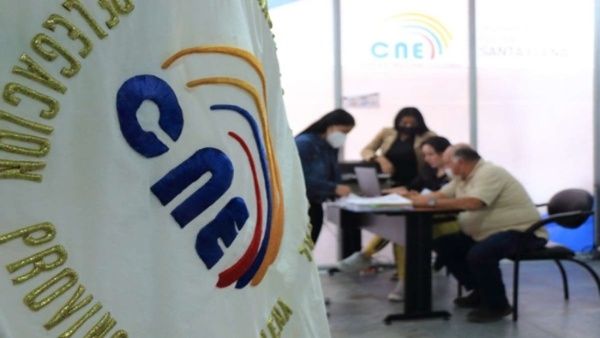
Ecuador’s National Electoral Council (CNE) eliminated 18 movements from the Permanent Registry of Political Organizations on Thursday.
The decision was made by members of the Electoral Power during a session held on Thursday. “After complying with the due process, the Plenary of the CNE approved the cancellation of the registration of 18 political movements,” said the agency.
The CNE argues that 17 of the political organizations incurred in the cause determined in article 327, numeral 4, of the Code of Democracy.
In such sense, the electoral entity assures that they were eliminated because they did not obtain at least three percent of the votes in two consecutive elections in their respective jurisdictions.









The last party was cancelled at the request of the same political organization because it could not support its existence in votes.
Likewise, the Plenary of NEC approved to initiate the cancellation process of the Green Movement, List 35, and the Ethical, Revolutionary and Democratic Movement (MOVER).
“They were granted a 10-day term so that their legal representative may present their arguments or observations to the technical elements”, said the CNE.

































International
German president warns Iran war could spread and disrupt Strait of Hormuz
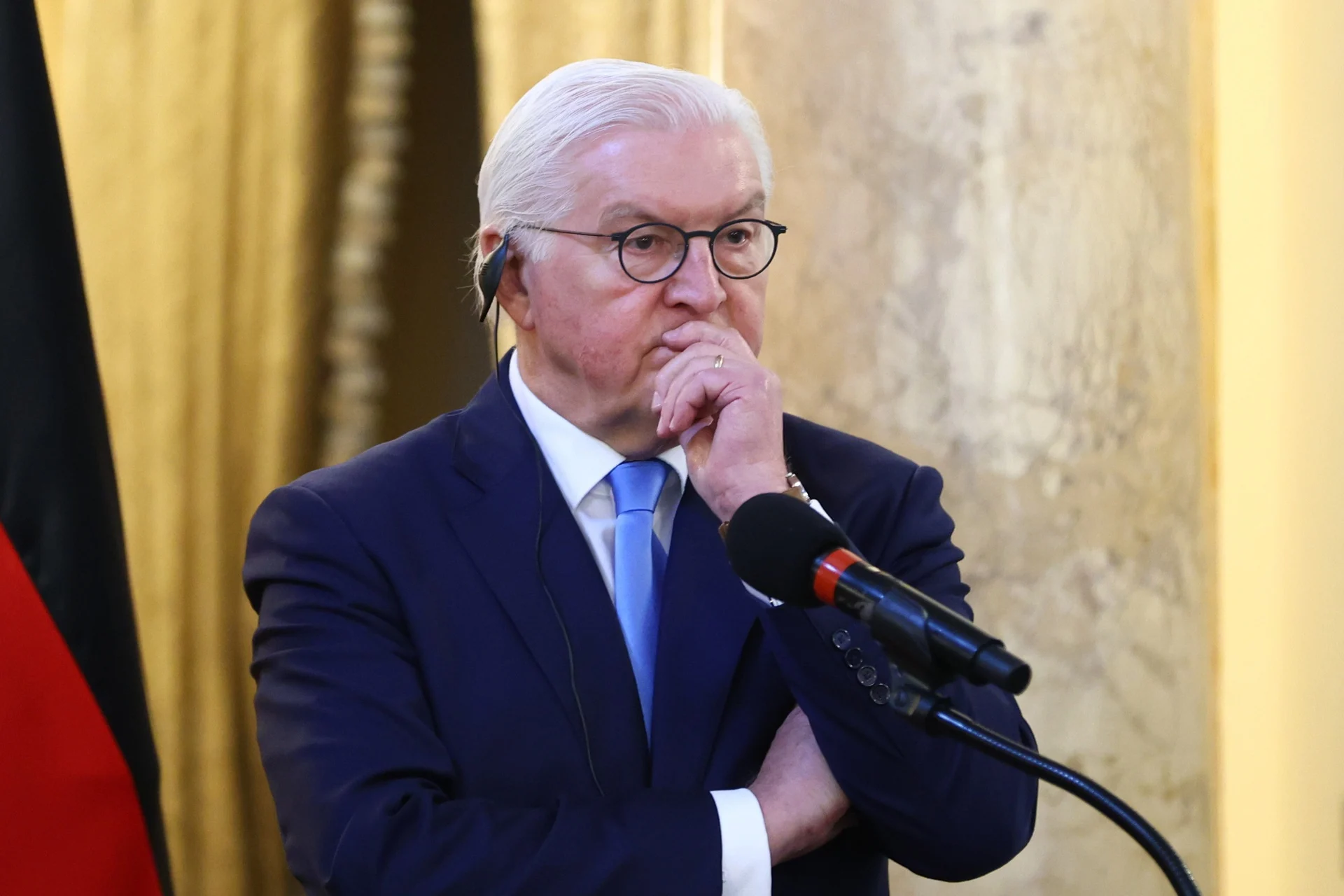
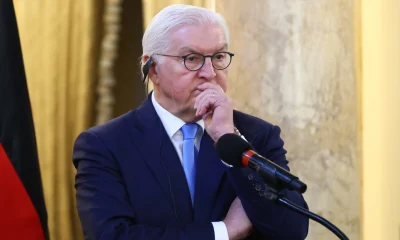
The president of Germany, Frank-Walter Steinmeier, warned Monday that the war involving Iran could expand and further disrupt shipping through the strategic Strait of Hormuz. He urged a swift end to hostilities between Iran, United States and Israel.
Speaking in Panama City during a joint appearance with Panamanian President José Raúl Mulino, Steinmeier said available information suggests Iran has significant capacity to disrupt maritime traffic through the key oil route.
“Iran has considerable potential to interfere with shipping through the Strait of Hormuz,” Steinmeier said through an interpreter. “We should therefore reach an end to the hostilities as soon as possible and call on all parties involved to make that happen.”
The remarks came during Steinmeier’s visit to Panama, the first by a German president to the Central American nation.
The German leader described the possibility of the conflict spreading as “very dangerous,” saying recent developments indicate that such a scenario cannot be ruled out.
Over the weekend, U.S. President Donald Trump urged allied nations to help ensure safe passage for ships through the Strait of Hormuz after Iran moved to block the waterway in response to U.S. strikes. However, several allies—particularly in Europe—have shown little support for the proposal.
“Some are very enthusiastic, others are not, and some are countries we have helped for many years,” Trump told reporters at the White House. “We have protected them from terrible external threats, and they’re not that enthusiastic. And the level of enthusiasm is important to me.”
Meanwhile, Kaja Kallas, the European Union’s top diplomat, said the Strait of Hormuz falls “outside NATO’s scope” and stressed that “the war involving Iran is not Europe’s war.”
International
Mexico security chief meets DEA director in Washington to boost anti-drug cooperation
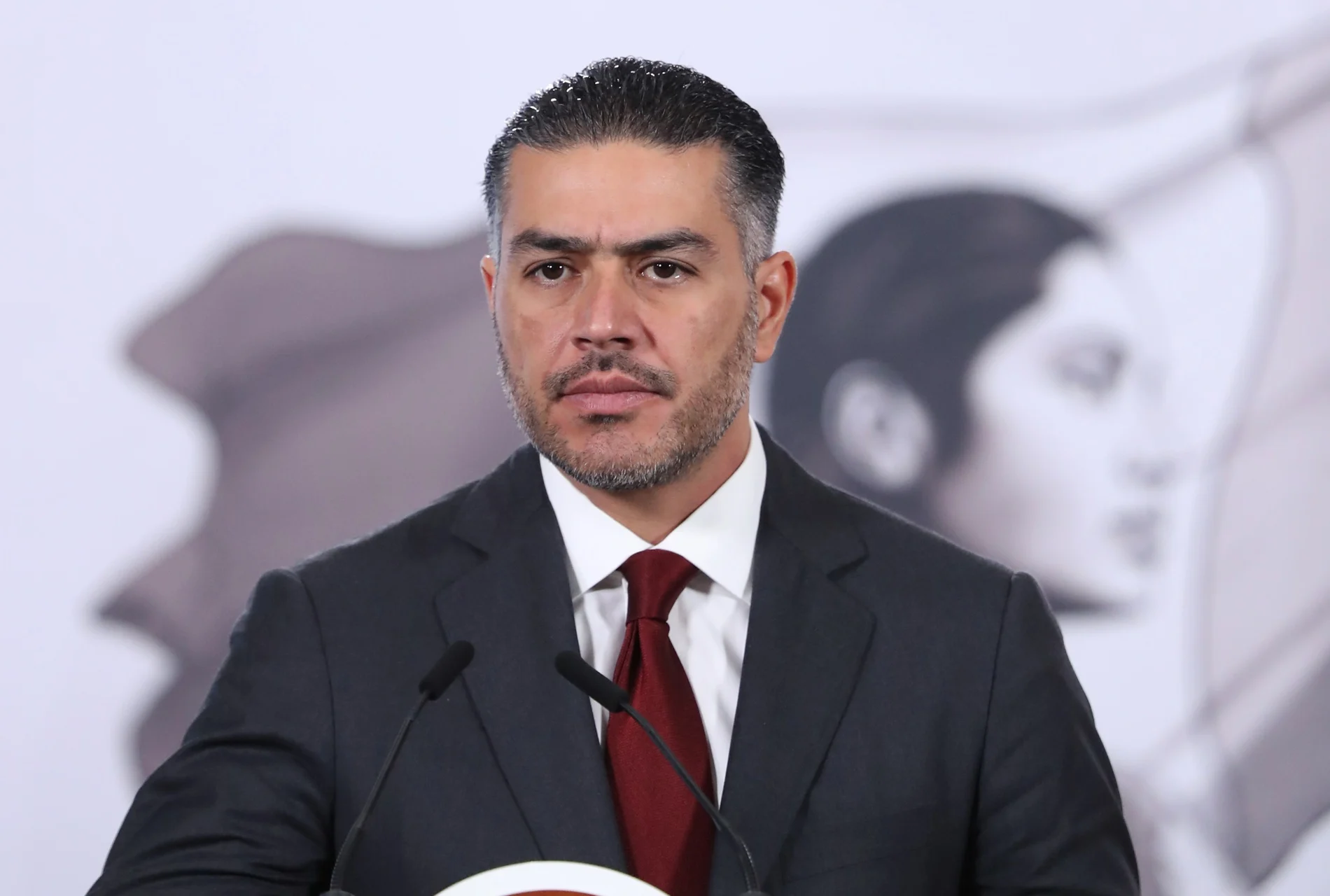
Mexico’s Secretary of Security and Citizen Protection, Omar García Harfuch, met in Washington with the head of the U.S. Drug Enforcement Administration, Terrance Cole, to discuss cooperation in the fight against drug trafficking and illegal arms flows.
The Mexican official said Monday on social media that he attended the meeting in representation of the Mexican government’s Security Cabinet.
“In Washington, D.C., I represented the Security Cabinet to hold talks with DEA Director Terrance Cole on the importance of strengthening bilateral cooperation to combat drug trafficking, curb the flow of weapons into our country, and reduce violence in Mexico through significant arrests,” García Harfuch wrote.
He added that, following instructions from Mexican President Claudia Sheinbaum, the government will continue strengthening international cooperation on security matters.
For his part, Cole said the meeting focused on cross-border collaboration to tackle drug trafficking and to build safer communities on both sides of the border.
The meeting comes as Mexico and the United States begin a new round of dialogue on economic and security issues.
Earlier Monday, President Claudia Sheinbaum said she will look for the “best moment” to meet with U.S. President Donald Trump, adding that maintaining a good relationship with Washington is a priority for her administration.
International
Venezuela’s foreign minister accuses UN rights chief of “immoral bias”
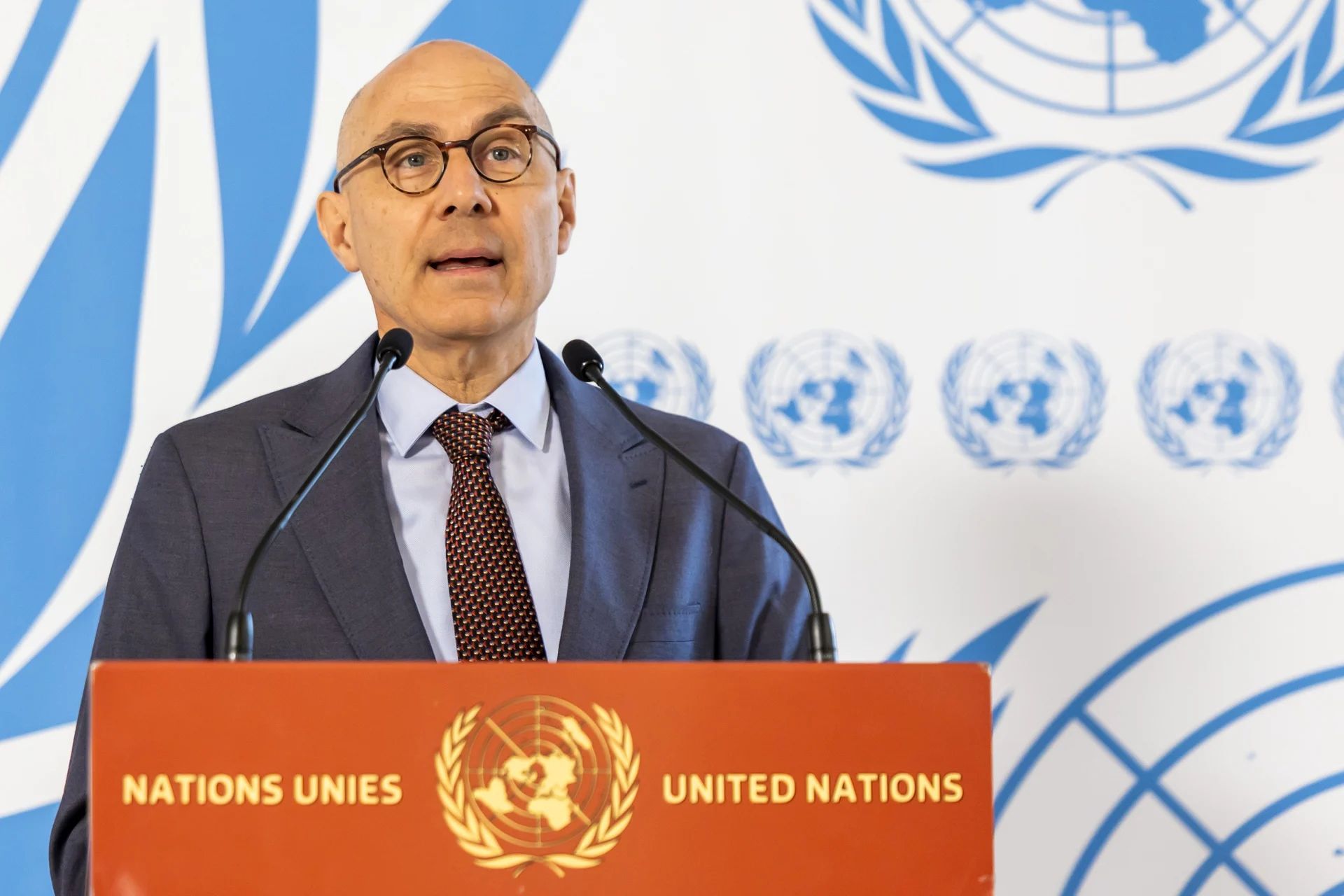
Venezuelan Foreign Minister Yván Gil criticized the United Nations High Commissioner for Human Rights, Volker Türk, accusing him of having an “immoral bias” and acting as an “echo chamber for falsehoods” regarding the situation in Venezuela.
Gil’s remarks came after Türk stated that his office had not received an official list from Venezuelan authorities detailing the release of political prisoners, nor authorization to carry out visits related to the issue.
“The UN High Commissioner for Human Rights insists on a narrative biased against our country, repeating unfounded accusations while deliberately omitting the impact of unilateral coercive measures on the rights of the Venezuelan people,” Gil said in a message posted on his Telegram channel.
Without directly addressing the question of prisoner releases, the Venezuelan foreign minister also accused Türk of aligning with what he described as the “agenda of extremism in Venezuela.”
Gil added that, despite serious human rights violations occurring in other parts of the world, the UN official has chosen to maintain what he described as an “immoral bias” against Venezuela.
The criticism is part of a broader dispute between the Venezuelan government and the UN human rights office over reports and investigations concerning the human rights situation in the country.


German president warns Iran war could spread and disrupt Strait of Hormuz

Mexico security chief meets DEA director in Washington to boost anti-drug cooperation

Venezuela’s foreign minister accuses UN rights chief of “immoral bias”
Tec de Monterrey honors one of its students for his contribution to nanotechnology in medicine

Defense Minister commends salvadoran soldier for Central American Cross Country victory

Extension of the state of emergency approved in southern Chile
-
 International4 days ago
U.S. Confirms Death of Six Crew Members in KC-135 Crash in Western Iraq
-
 International4 days ago
Trump Says Iran Is Welcome at 2026 World Cup but Warns of Security Concerns
-

 International4 days ago
FBI Warns of Possible Iranian Drone Attack on U.S. West Coast
-

 International4 days ago
Mexican Navy Ships Deliver Third Shipment of Humanitarian Aid to Cuba
-

 International4 days ago
Ecuador Declares 60-Day National Emergency After Deadly Floods and Landslides
-
 International4 days ago
Trump Pushes for Regime Change in Cuba as Havana Confirms Talks With Washington
-
 International3 days ago
FBI: Man who attacked Michigan synagogue died from self-inflicted gunshot
-
 International11 hours ago
German president warns Iran war could spread and disrupt Strait of Hormuz
-
 International3 days ago
Peruvian presidential candidate proposes death penalty amid crime surge
-
 International1 day ago
Noboa intensifies anti-cartel crackdown as violence persists in Ecuador
-
 International1 day ago
Peruvian presidential candidate Napoleón Becerra dies in campaign road accident
-
 International11 hours ago
Venezuela’s foreign minister accuses UN rights chief of “immoral bias”
-
 International11 hours ago
Mexico security chief meets DEA director in Washington to boost anti-drug cooperation
-
 Sin categoría4 days ago
FBI Most Wanted Fugitive Arrested in Mexico and Deported to U.S.