
International
Pablo Neruda’s nephew says lab report reveals poisoning
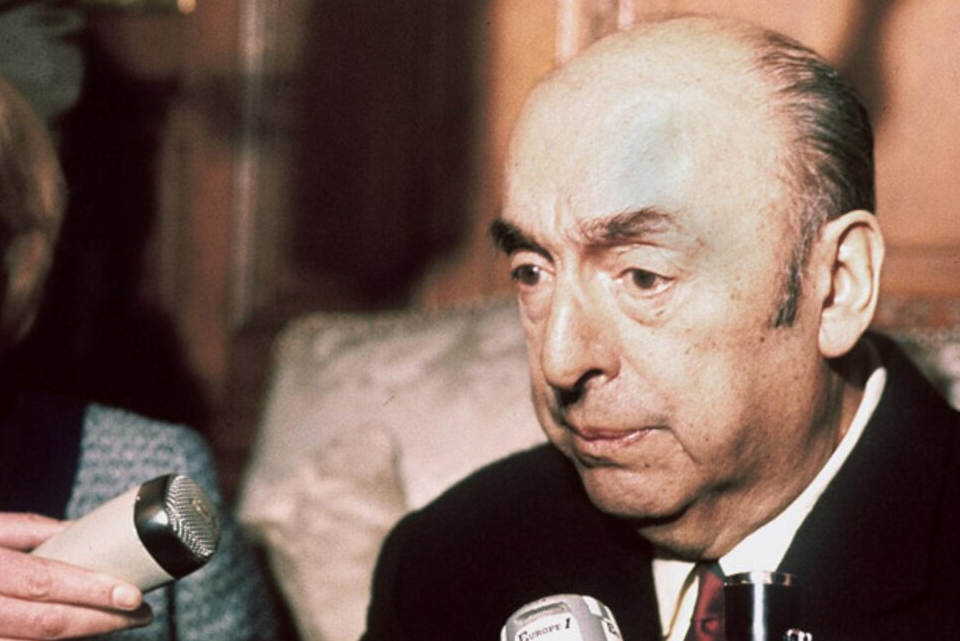
February 15 |
The nephew of Chilean poet Pablo Neruda, Rodolfo Reyes, said Monday that the forensic report on the cause of death of the Nobel Prize in Literature indicates that he would have been poisoned with a botulinum bacterium in September 1973, a few hours before a flight that would have taken him to exile in Mexico.
This conclusion would dismantle the official thesis that he died of metastatic prostate cancer.
The affirmation of Reyes, who besides being a nephew is a lawyer in the judicial case of Neruda’s death, is known a couple of days before a group of forensic experts from Canada, Chile and Denmark deliver a report that will establish if the poet was poisoned or if he died of cancer, which is the official explanation that was delivered in September 1973, 12 days after the military coup that overthrew President Salvador Allende.
The results of the forensic expertise were to be released at the beginning of February, but the convocation was suspended due to connection problems of the specialists.











Reyes, interviewed by AP, said that the forensic report from laboratories in Canada and Denmark indicates the presence in Neruda’s remains of “a large amount of Clostridium botulinum, which is incompatible with human life”, a fact that the relative first confirmed to the Spanish news agency EFE.
The botulinum toxin is produced by a bacterium that can cause problems to the nervous system and even death.
According to Reyes, as a lawyer in the court case, he had access to the results of the tests of the laboratories in Canada and Denmark, which were made after the same forensic group indicated in 2017 that other experts had already pointed to the presence of the toxin in the bone remains and in a molar of the poet.
Reyes stated that the laboratory reports ratified that “there was no external contamination, that the Clostridium botulinum was endogenous”, that is, internal, and that it would have been given to the poet “while he was alive”.
He added that the only reports missing in the case investigated by Judge Paola Plaza are those elaborated by a couple of experts from each of the laboratories, which would be received tomorrow or the day after.
The first to affirm that the poet was poisoned was his driver, Manuel Araya, who has reiterated to AP that while Neruda was hospitalized in the private clinic, an alleged doctor gave him an injection in his stomach while he and the poet’s wife, Matilde Urrutia, were carrying out some of the poet’s errands in Isla Negra, 110 kilometers northwest of the Chilean capital. He said that the version was given to him by a nurse.
Urrutia and Araya hospitalized him while waiting for the plane to take him to his exile in Mexico. In a telephone conversation with AP, the Mexican ambassador at the time, Gonzalo Martínez Corbalá, said that on Saturday, September 22, he went to pick him up at the clinic to take him to the airport, but the poet postponed the trip to Monday and died on Sunday.
The conversation with Martínez was in 2017, shortly before his passing.
Neruda was a lifelong militant of the Communist Party, which after several years accepted the driver’s complaint and in 2011 filed a lawsuit to investigate what killed him.
The Nobel’s remains were exhumed in April 2013 and, seven months later, the same experts indicated that no “relevant chemical agents” were found that could be related to his death.
However, at that time the Chilean forensic institute lacked the latest technology to detect a poisoning that could have occurred 40 years earlier.
In 2017, they announced the presence of the toxin and requested genetic tests to “confirm or exclude the action of third parties in the poet’s death.”










International
WHO warns of increased disease outbreak risk in Venezuela amid low vaccination coverage
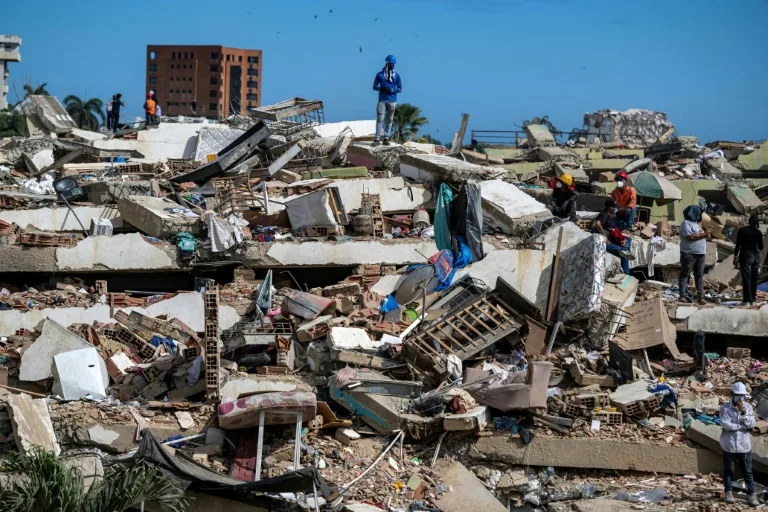
The World Health Organization (WHO) has warned of an increased risk of disease outbreaks in Venezuela, including vaccine-preventable illnesses, due to low immunization coverage across the country.
“The vaccination coverage in Venezuela, particularly against measles and other diseases, was already low, so the risk of measles cases and other illnesses is currently high,” said Ciro Ugarte, director for emergencies at the Pan American Health Organization (PAHO), the WHO’s regional office.
Speaking during a video conference with journalists, Ugarte said the risk is especially high in shelters, where overcrowding could significantly accelerate the transmission of infectious diseases.
He also highlighted water quality as an additional concern in the aftermath of the disaster, noting that safe drinking water is not guaranteed in the most affected areas.
“Unfortunately, supply is scarce, making it very difficult to assess conditions in all shelters. That is why evaluating the quality of water provided to the population, especially in large shelters, is a priority,” he said during a briefing in Geneva.
Ugarte suggested that targeted vaccination campaigns could be deployed against mosquito-borne and other vector-transmitted diseases, particularly in overcrowded shelters and in areas where people remain displaced.
According to PAHO, eight health facilities have been assessed so far, all of which require assistance, with three reporting structural damage.
He also stressed that the José María Vargas Hospital, one of Caracas’s major public reference hospitals, requires urgent support due to critical conditions. The facility is currently treating 96 patients in an eight-bed unit, while its blood bank is operating at extremely low levels.
In La Guaira, the Rafael Medina Jiménez Hospital has reduced its capacity from 108 to 35 beds. Additionally, 22 other health centers have reported severe shortages, underscoring the strain on Venezuela’s healthcare system.
International
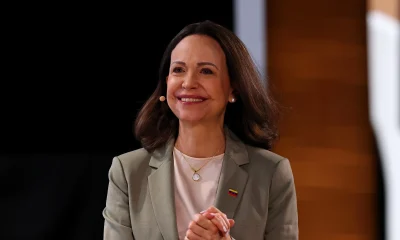
María Corina Machado’s attempted return to Venezuela reportedly halted amid US political concerns
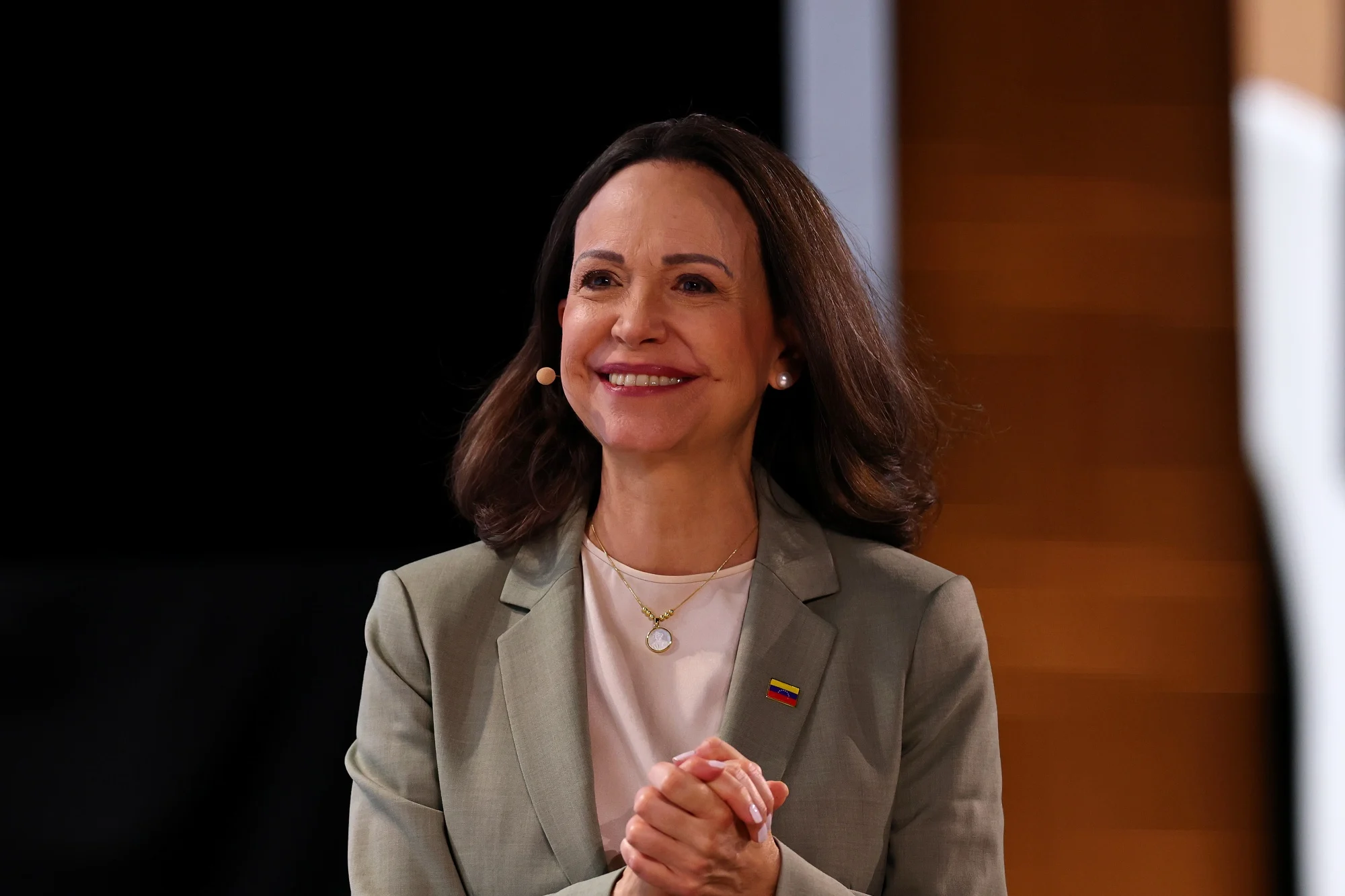
The administration of U.S. President Donald Trump reportedly pressured Venezuelan opposition leader and Nobel Peace Prize laureate María Corina Machado and disrupted her planned return to Venezuela following recent earthquakes, amid concerns over a potential political crisis, according to The Wall Street Journal.
Sources familiar with the matter told the newspaper that a private jet carrying Machado from the United States to Curaçao was ordered to turn back last week after U.S. officials concluded she intended to continue onward to Venezuelan territory, effectively reversing her earlier departure route from December.
The opposition figure had reportedly spent months preparing to re-enter Venezuela in an effort to renew pressure for new elections, following the detention of then-president Nicolás Maduro under an order issued by Trump. The U.S. president has since stated that Washington’s relationship with Venezuela’s acting leadership, headed by Delcy Rodríguez, is “excellent.”
According to The Wall Street Journal, intermediaries close to the White House warned Machado that proceeding with her return plan could jeopardize her support from Trump and undermine broader U.S. strategy toward Venezuela, potentially delaying electoral plans.
Despite these warnings, Machado reportedly attempted a second route back through Panama. However, Copa Airlines declined to transport her to Venezuela, citing concerns over possible retaliation from Caracas against the airline, according to unnamed sources.
From Panama City, Machado stated on Monday that the Venezuelan government had closed commercial airspace to prevent her return, calling it “urgent” to go back to the country to “face this catastrophe together,” without addressing reports of U.S. pressure.
Axios reported that Trump administration officials viewed Machado’s attempted return as “grotesque political opportunism” in the aftermath of recent earthquakes that have left at least 2,595 people dead and thousands injured, while also delaying reconstruction efforts and potential electoral processes.
Since Maduro’s detention on January 3, President Trump has reportedly expressed support for Rodríguez, the former vice president, who has agreed to trade, mining, and oil agreements demanded by Washington. Trump has described Venezuela as effectively operating under U.S. oversight and has claimed the country is improving economically through increased oil production and exports.
Venezuelan opposition groups based in the United States have urged the Trump administration to reconsider its relationship with Rodríguez and criticized Washington’s stated satisfaction with reconstruction efforts following the June 24 earthquakes.
International
Rush for Air Conditioners Sparks Tensions at French Supermarkets Ahead of New Heatwave
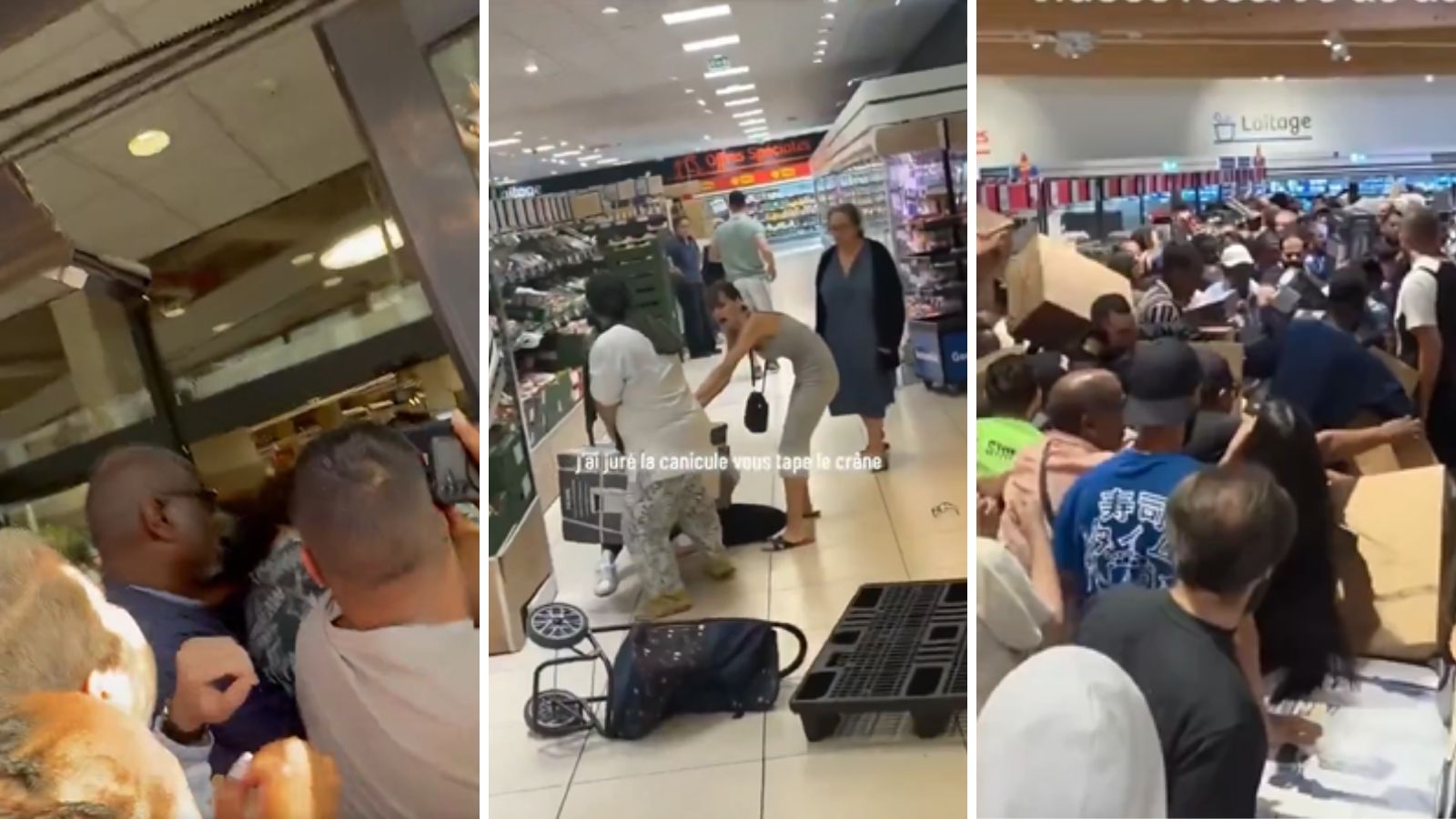
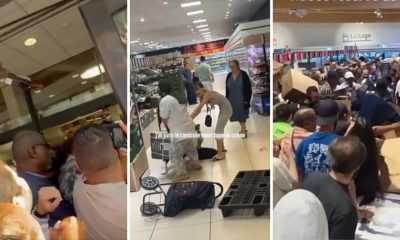
Scenes of long lines, overcrowded stores and customer disputes unfolded across France on Thursday as shoppers rushed to buy air conditioners and fans ahead of another expected heatwave.
The buying frenzy comes as the country continues to recover from last week’s extreme temperatures, which exceeded 40°C (104°F) in several areas and produced the warmest night on record, with an average temperature of 22°C (71.6°F). Authorities have linked the heatwave to at least 1,000 excess deaths.
Demand for cooling appliances has surged in recent days, prompting heavy traffic at appliance retailers. The situation intensified on Thursday when German discount supermarket chain Lidl launched a promotion on portable air conditioners and electric fans.
Videos shared on social media showed large crowds gathering outside stores, with customers pushing and rushing to secure the discounted products.
“Lidl France regrets the incidents that occurred in its stores,” the company told AFP, adding that employees were forced to manage tense situations in what it described as a challenging environment.
Outside a Lidl store in northwestern Paris, dozens of customers began lining up as early as 7:00 a.m., two hours before opening, while police monitored the crowd, according to an AFP journalist at the scene.
Although many shoppers remained in good spirits, tensions escalated as some people attempted to cut in line. “I will not open the store until they leave,” a store manager reportedly shouted as frustrated customers protested.
The situation worsened after customers discovered that the store, located in a working-class district of Paris, had only two air conditioning units available for sale.
One of the successful buyers, Lassana, who declined to provide his last name, said he had queued since 4:00 a.m. to secure one of the units.
Another customer, 69-year-old Fatou, was only able to purchase a small fan after what he described as a struggle. He criticized Lidl’s advertising as “misleading,” claiming police had temporarily closed access to the store because of the crowds.
Lidl France attributed the shortages to its fixed annual purchasing cycle, explaining that the promotional products had been ordered a year in advance and were offered at predetermined prices, limiting the available stock.

WHO warns of increased disease outbreak risk in Venezuela amid low vaccination coverage

María Corina Machado’s attempted return to Venezuela reportedly halted amid US political concerns

Rush for Air Conditioners Sparks Tensions at French Supermarkets Ahead of New Heatwave
Tec de Monterrey honors one of its students for his contribution to nanotechnology in medicine

Defense Minister commends salvadoran soldier for Central American Cross Country victory

Extension of the state of emergency approved in southern Chile
-
 International5 days ago
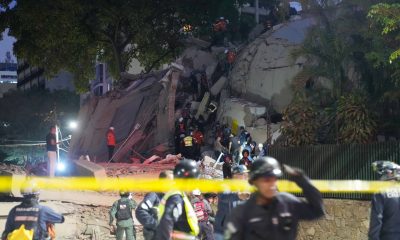
Venezuela Earthquake Death Toll Surpasses 1,700 as Search for Survivors Continues
-

 International4 days ago
Salvadoran National Arrested in New Jersey with Over 70 Machine Gun Conversion Devices
-
 International5 days ago
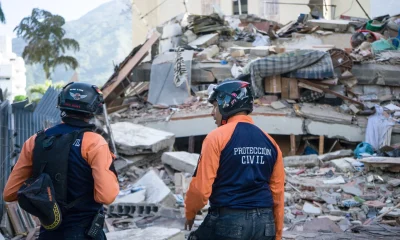
Venezuela Earthquakes Spark Diplomatic Thaw With Former Critics
-
 International1 day ago
María Corina Machado’s attempted return to Venezuela reportedly halted amid US political concerns
-
 International3 days ago
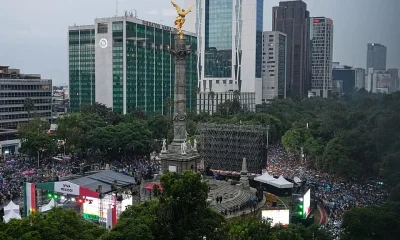
Three Die During World Cup Celebrations in Mexico City After Mexico’s Victory
-
 International3 days ago
Families Sue Nicolás Maduro in U.S. Over Alleged Extrajudicial Killings
-
 International2 days ago
Peru Expands Emergency Measures Ahead of Heavy El Niño Rains
-
 International2 days ago
Rush for Air Conditioners Sparks Tensions at French Supermarkets Ahead of New Heatwave
-
 International1 day ago
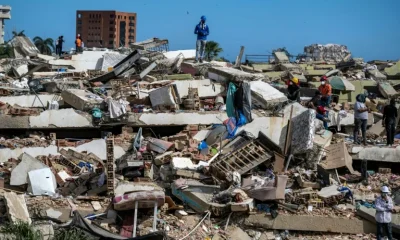
WHO warns of increased disease outbreak risk in Venezuela amid low vaccination coverage