
International
Lula slams far-right ‘terrorism’ as Brazil clears protest camps
January 9th | By AFP | Ramon Sahmkow |
Brazilian security forces cleared protest camps Monday and arrested 1,500 people as President Luiz Inacio Lula da Silva condemned “acts of terrorism” after a far-right mob stormed the seat of power, unleashing chaos on the capital.
Hundreds of soldiers and police mobilized to dismantle an improvised camp outside the army’s headquarters in Brasilia, where some 3,000 supporters of ex-president Jair Bolsonaro had set up tents — used as a base for the sea of protesters who ran riot inside the presidential palace, Congress and Supreme Court for around four hours Sunday.
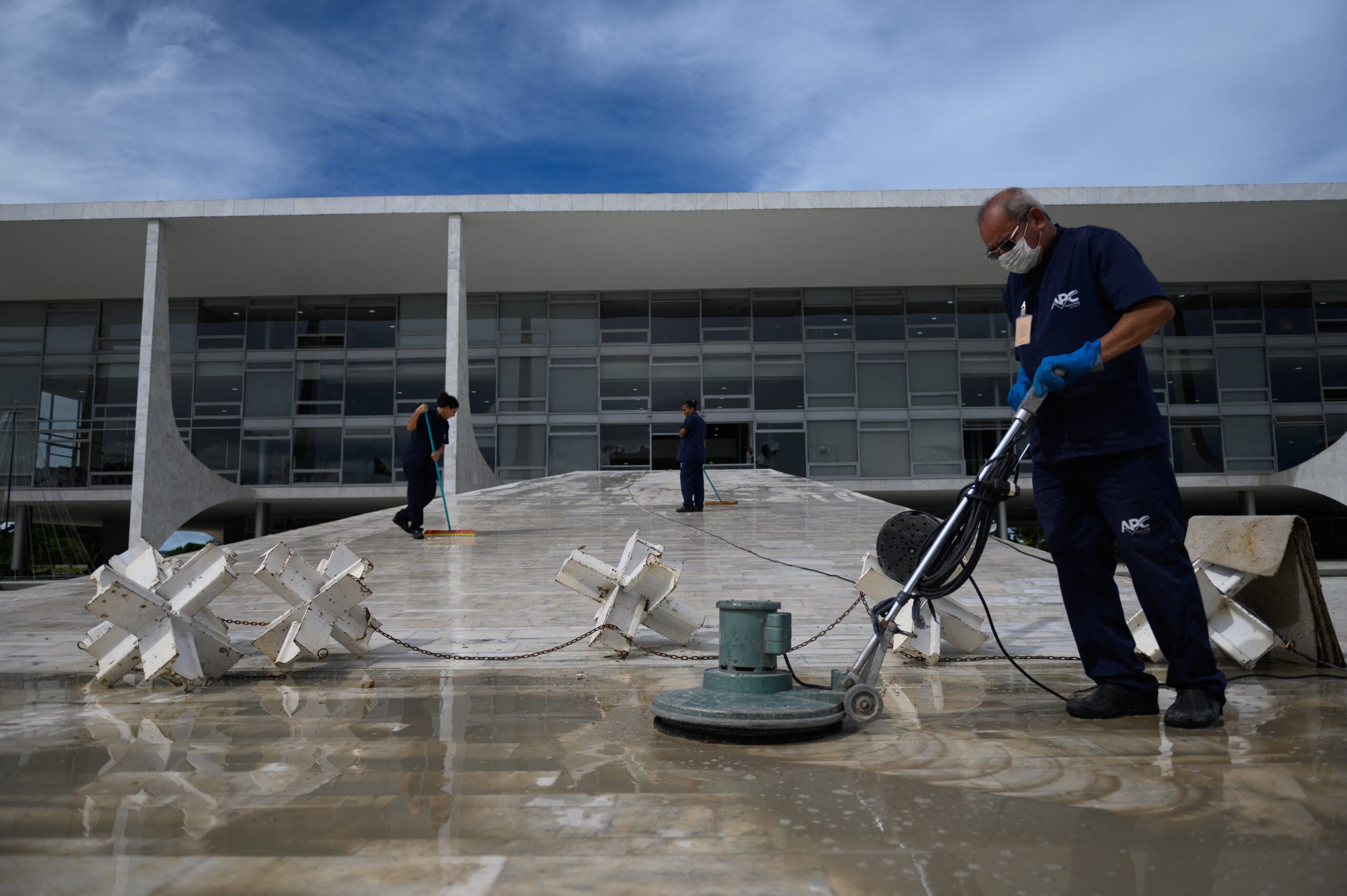
Lula, who took office on January 1 after a bitterly divisive election win over Bolsonaro, returned to work in the pillaged presidential palace, where AFP reporters saw the wreckage that remained of the previous day’s havoc: trashed artwork and offices, shattered windows and doors, broken glass strewn across the floor, and furniture dragged into a reflecting pool.
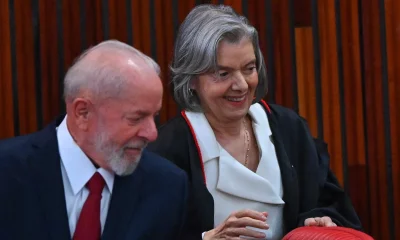
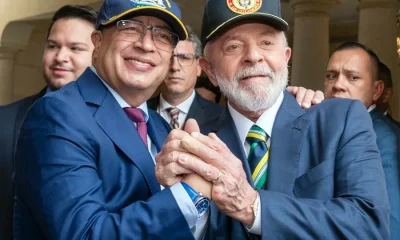
Lula, the 77-year-old veteran leftist who previously led Brazil from 2003 to 2010, met with the leaders of both houses of Congress and the chief justice of the Supreme Court, and joined them in condemning what many called the South American country’s version of the Capitol riots in Washington two years ago.









“The three powers of the republic, the defenders of democracy and the constitution, reject the terrorist acts and criminal, coup-mongering vandalism that occurred,” they said in a joint statement.
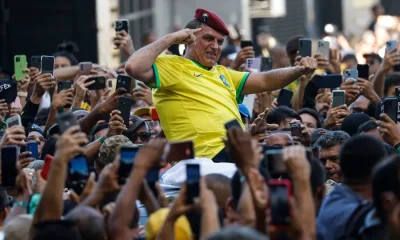
Bolsonaro, who narrowly lost the October elections, was meanwhile hospitalized with abdominal pains, his wife said.
Media reports said the ex-president was admitted to hospital in Orlando, Florida, where the politician dubbed the “Tropical Trump” traveled on the second-to-last day of his term — snubbing Lula’s inauguration, in a break with tradition.
It was the latest in a series of health problems stemming from a stabbing attack that nearly claimed Bolsonaro’s life during his winning 2018 presidential campaign.
Bolsonaro, 67, took to Twitter Sunday night to condemn the “pillaging” in Brasilia, but rejected Lula’s claim he incited the attacks, and defended the right to “peaceful protests.”
‘Traces of Trumpism’
Large contingents of riot police deployed to lock down the capital’s Three Powers Square, home to the iconic modernist buildings that serve as the headquarters of the three branches of government.
Many Brasilia residents were still in shock as they returned to their normal workday routines.
“People have the right to express their opinions, but not destroy our national heritage,” 43-year-old resident Ionar Bispo told AFP.
Condemnation continued to pour in from around the world, with Pope Francis criticizing the unrest as a sign of “weakening of democracy” in the Americas.
In a joint statement ahead of summit talks in Mexico City, US President Joe Biden, Mexican President Andres Manuel Lopez Obrador and Canadian Prime Minister Justin Trudeau condemned the attacks and said they “stand with Brazil as it safeguards its democratic institutions.”
Many drew the inevitable comparison to January 6, 2021, when supporters of then-US president Donald Trump invaded the Capitol in a violent, failed bid to stop Congress from certifying his election loss.
Spain’s foreign minister said the attacks in Brasilia bore “traces of Trumpism,” and echoed condemnation from the United Nations and European Union.
But Brazilian Justice Minister Flavio Dino said there were “two key differences” between the attacks on Brasilia and Washington: “we had zero deaths, and more people were arrested.”
Investigation begins
Lula, who was in the southeastern city of Araraquara visiting a flood-hit region when the riot started, signed a decree Sunday declaring a federal intervention in Brasilia, giving his government special powers over the local police force to restore law and order in the capital.
His government vowed to find and arrest those who planned and financed the attacks.
Supreme Court Justice Alexandre de Moraes suspended Brasilia Governor Ibaneis Rocha, a Bolsonaro ally, from his post for 90 days, on grounds of “criminal negligence.”
The ruling came just after Rocha himself fired the capital’s public security chief, Anderson Torres, who previously served as Bolsonaro’s justice minister.
The attorney general’s office said it had asked the Supreme Court to issue arrest warrants for Torres “and all other public officials responsible for acts and omissions” leading to the unrest.
Moraes also ordered the security forces to disperse anti-government protests outside military bases nationwide.
Hardline Bolsonaro supporters have been protesting outside army barracks calling for a military intervention to keep Lula from power since his election win.
Following the ruling, soldiers and police broke up camps in Rio de Janeiro and Sao Paulo, as well as Brasilia.
Lula narrowly won the October 30 runoff election by a score of 50.9 percent to 49.1 percent.
Bolsonaro has alleged he is the victim of a conspiracy against him by Brazil’s courts and electoral authorities.









































International
UN warns Venezuela earthquakes could affect up to 6.76 million people
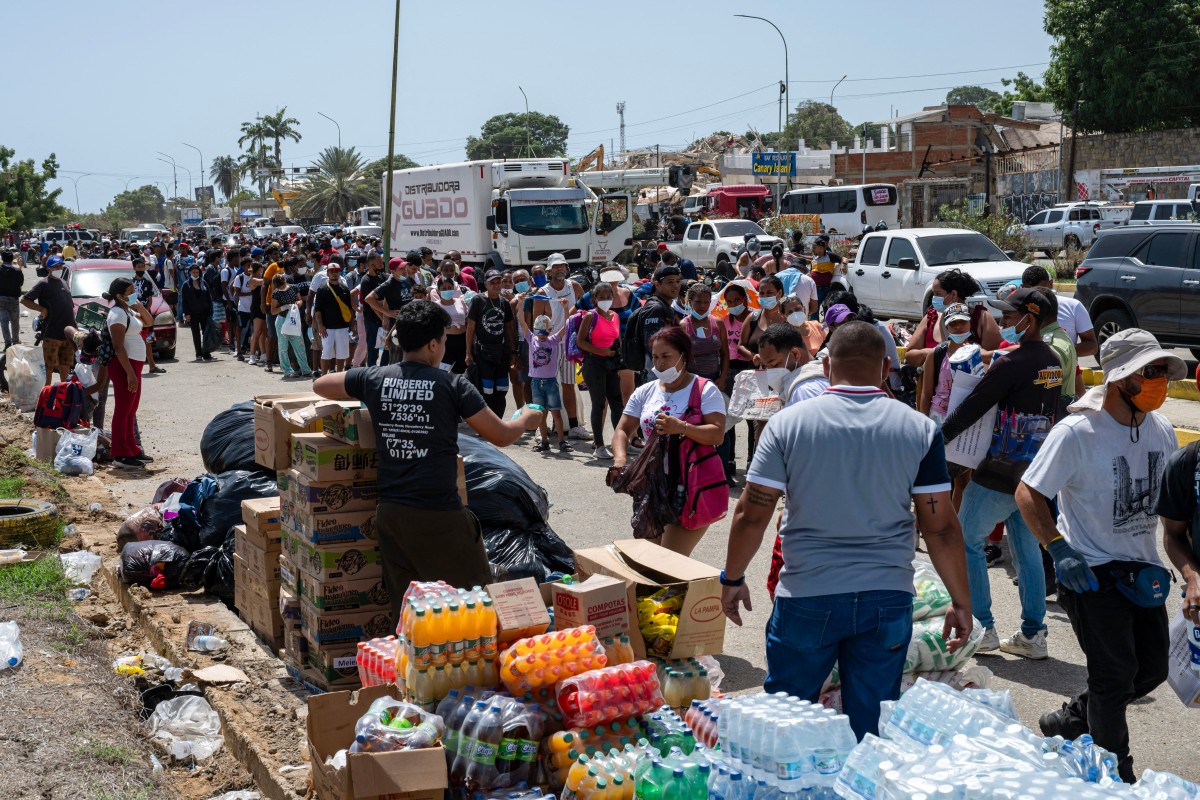
Up to 6.76 million people could be affected by the devastating earthquakes that struck Venezuela on June 24, according to an assessment released by the International Organization for Migration (IOM), a United Nations agency.
The organization said the projections are based on available population data and damage assessments, and include up to two million people living in Caracas, the country’s capital.
The estimates highlight the potentially massive humanitarian impact of the disaster, the IOM warned.
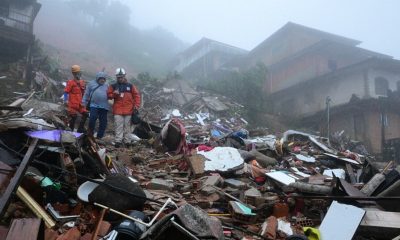
Entire buildings collapsed in La Guaira, a coastal area north of Caracas, following the powerful twin earthquakes that reached magnitudes of 7.2 and 7.5 on Wednesday.
The national death toll has risen to 920, while rescue teams continue searching for people trapped beneath the rubble in coastal regions and other affected areas.
UN humanitarian chief Tom Fletcher told AFP on Friday that more than 50,000 people were reported missing.
The IOM also revealed that it worked with Microsoft’s artificial intelligence laboratory on an initial satellite mapping analysis, which showed that 31.5% of buildings in the town of Catia La Mar had suffered damage.
Authorities and international rescue teams continue operations as Venezuela faces one of its largest humanitarian emergencies in recent years.
International
United Nations Coordinates Relief Efforts as Venezuela Death Toll Rises After Twin Quakes
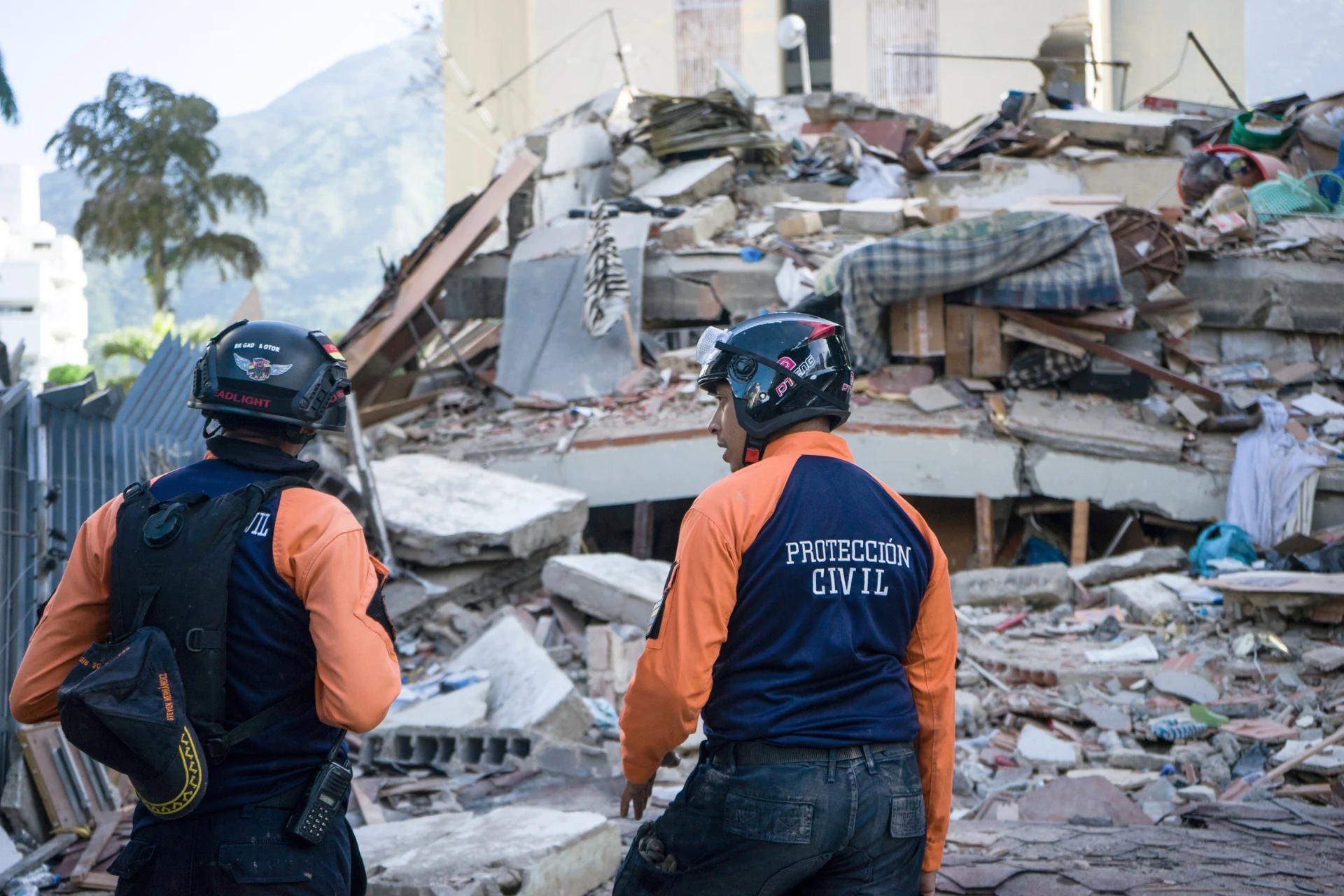
United Nations Secretary-General António Guterres on Thursday expressed his condolences to the people of Venezuela following the two devastating earthquakes that struck the country and highlighted the ongoing coordination between UN humanitarian teams and interim President Delcy Rodríguez.
Speaking during the UN’s daily press briefing, spokesperson Stéphane Dujarric said Guterres was deeply saddened by the loss of life and widespread destruction caused by the disaster.
“The Secretary-General is deeply distressed by the loss of life and the widespread devastation caused by the earthquakes that struck Venezuela yesterday. He extends his heartfelt condolences to the families of the victims and wishes a speedy recovery to those injured,” Dujarric stated.
Venezuela was struck on Wednesday by two powerful earthquakes measuring 7.2 and 7.5 in magnitude. According to official figures, the disaster has left at least 164 people dead and 971 others injured.
Dujarric noted that preliminary reports indicate significant damage across several states, including the capital, Caracas. Numerous casualties have been reported, while other individuals remain trapped beneath collapsed structures or are still missing.
“Critical infrastructure has been damaged and essential services have been disrupted,” the spokesperson said.
The United Nations confirmed that its humanitarian team remains in close contact with interim President Delcy Rodríguez and other relevant authorities as emergency operations continue.
To support relief efforts, the UN has established a coordination center in Caracas and is assisting local authorities to ensure that humanitarian aid reaches affected communities as quickly and efficiently as possible.
Guterres also welcomed the expressions of solidarity and offers of assistance from countries around the world that responded following news of the disaster, underscoring the importance of international cooperation in addressing the humanitarian emergency.
International
OAS Secretary General Pledges Regional Assistance Following Venezuela Quake Disaster
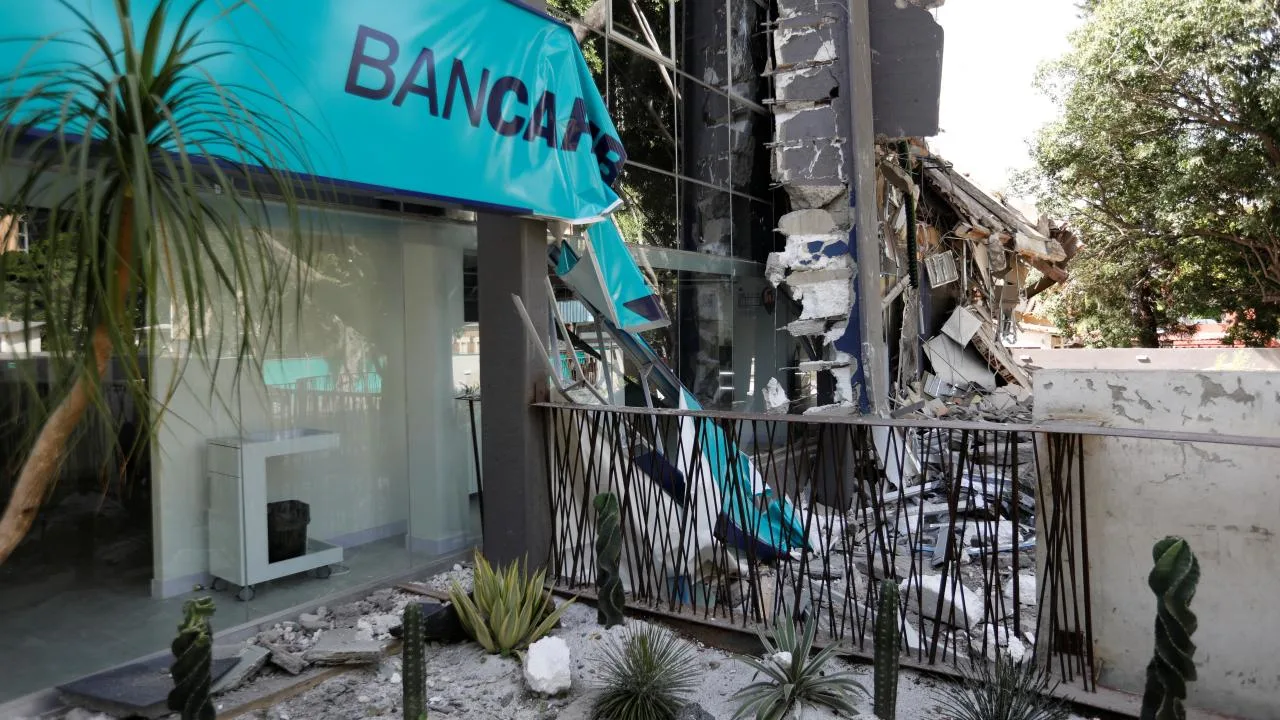
The Secretary General of the Organization of American States (OAS), Albert Ramdin, said on Thursday that the “hemispheric community” stands ready to provide “full support” to Venezuela and its people following the powerful earthquakes that struck the country overnight, leaving at least 164 people dead and nearly 1,000 injured.
Speaking at the conclusion of the OAS General Assembly, Ramdin expressed solidarity not only with Venezuela but also with Colombia, Curaçao and Aruba, where the tremors were also felt.
“Above all, our thoughts are with these peoples,” he said during his remarks.
Ramdin noted that while many details about the disaster are still emerging, countries across the hemisphere are prepared to assist Venezuela as it responds to the crisis.
“Much remains unknown at this stage, but the hemispheric community will be ready to support the people of Venezuela during this very difficult time,” he stated, reiterating the organization’s commitment to helping those affected.
According to updated information released by the Venezuelan government, the powerful earthquakes have been followed by at least 30 aftershocks. Authorities have also reported extensive structural damage, including numerous building collapses in La Guaira, the area considered hardest hit by the disaster.
Rescue efforts are currently focused on La Guaira, where emergency teams continue searching for survivors trapped beneath the rubble as officials assess the full extent of the damage.


UN warns Venezuela earthquakes could affect up to 6.76 million people

United Nations Coordinates Relief Efforts as Venezuela Death Toll Rises After Twin Quakes

OAS Secretary General Pledges Regional Assistance Following Venezuela Quake Disaster
Tec de Monterrey honors one of its students for his contribution to nanotechnology in medicine

Defense Minister commends salvadoran soldier for Central American Cross Country victory

Extension of the state of emergency approved in southern Chile
-
 Central America4 days ago
El Salvador and Chile Mark 150 Years of Relations With Expanded Bilateral Cooperation
-
 International3 days ago
OAS Secretary General Pledges Regional Assistance Following Venezuela Quake Disaster
-
 International3 days ago
United Nations Coordinates Relief Efforts as Venezuela Death Toll Rises After Twin Quakes
-
 International4 days ago
WHO Expects Deadly Hantavirus Outbreak on Cruise Ship to End by July 2
-
 International4 days ago
Bill Gates Says Jeffrey Epstein Made “Veiled” Threats Over Extramarital Affairs
-
 International1 day ago
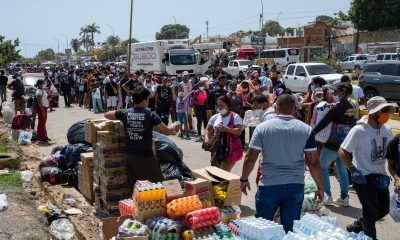
UN warns Venezuela earthquakes could affect up to 6.76 million people