
Central America
El Salvador says over 15,000 suspected gang members arrested
AFP
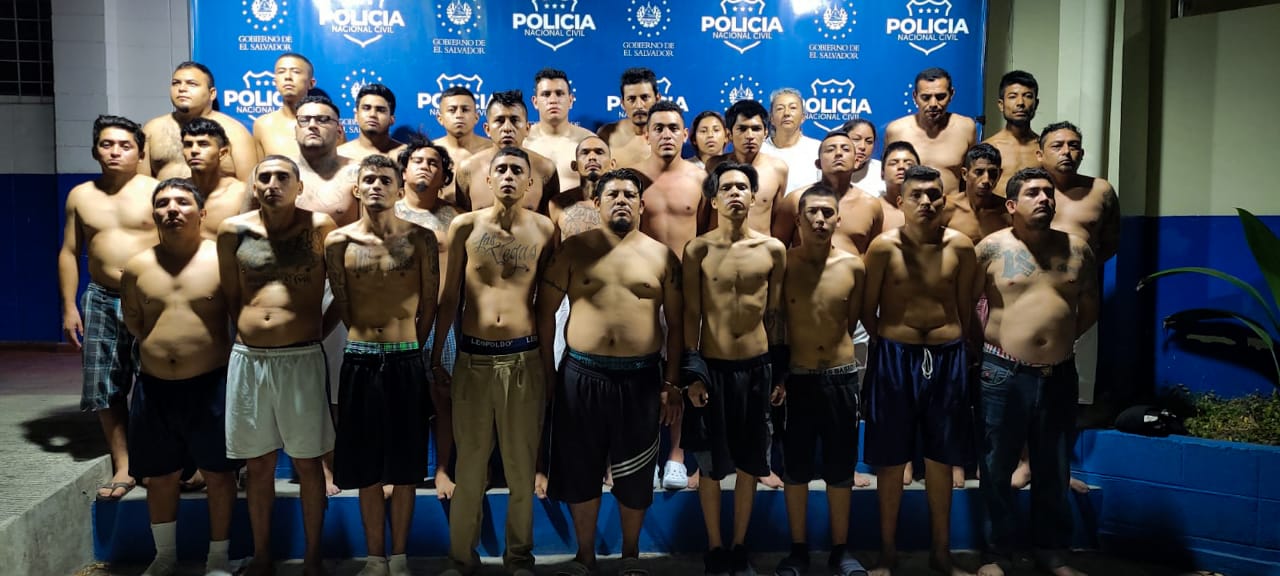
El Salvador’s President Nayib Bukele said Friday that police and soldiers have arrested more than 15,000 suspected gang members in under a month in a crackdown seeking to halt surging homicides.
Bukele announced a state of emergency at the end of March following a bloody weekend in which 87 people were killed in gang-related violence.
Since then, the police and military have been rounding up suspected gang members using emergency powers that have done away with the need for arrest warrants.
“More than 15,000 terrorists captured in only 27 days. We continue the War Against Gangs,” the president said on Twitter.









The wave of detentions is unprecedented in a country that has suffered decades of violent crime driven by powerful gangs such as Mara Salvatrucha (MS-13) and Barrio 18.
These gangs count some 70,000 members, about 26,000 of whom are behind bars, according to authorities.
A CID Gallup poll published Thursday said 78 percent of Salvadorans fully support the fight against gangs.
A state of emergency decreed by Congress at Bukele’s request last month allowed for arrests without warrants and increased sentences for gang membership five-fold to up to 45 years.
Rights groups say innocent people are getting caught up in an indiscriminate roundup.
The emergency law also allows jail terms of up to 15 years for anyone “spreading” gang-related messages in the media, prompting journalists to raise censorship fears.
On Wednesday, US Secretary of State Antony Blinken referred to the crackdown during a visit to Panama to discuss migration with regional leaders.
“We can tackle violence and crime while also protecting civil rights and fundamental freedoms,” said Blinken.
“El Salvador has experienced setbacks in democratic governance, in the separation of powers, the rule of law. And we look to President Bukele to make progress in addressing some of those setbacks,” he added.
Earlier this month, Bukele hit out at the administration of US President Joe Biden over a perceived lack of support.
The US says it has invested $411 million in improving citizen security and helping El Salvador combat gang violence since 2008.






Central America
Panama seizes over 1,200 drug packages in container bound for Lithuania
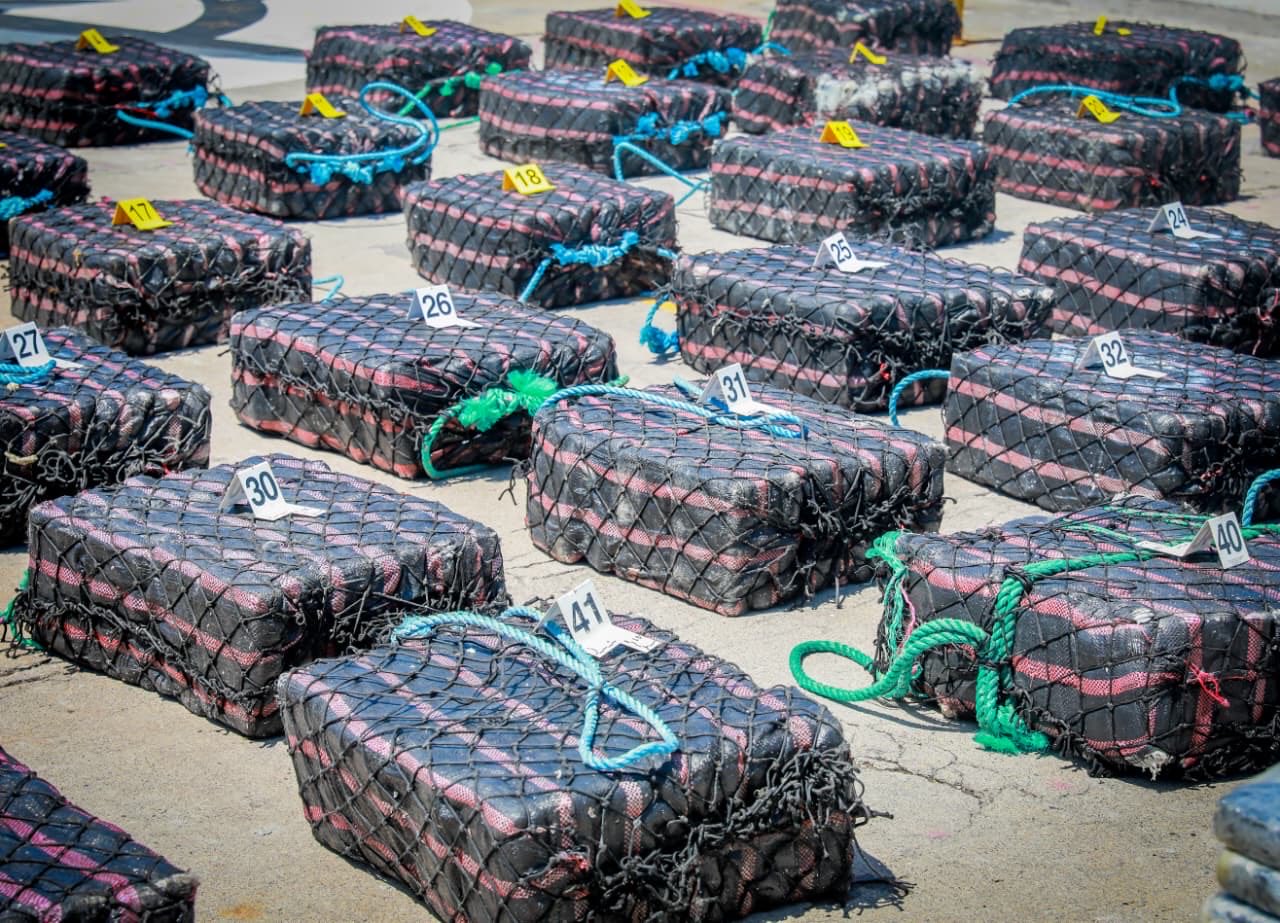
Authorities in Panama reported the seizure of 1,251 packages of suspected drugs hidden inside a shipping container bound for Lithuania, just days after intercepting another shipment of similar size headed to the same destination.
The Panama Public Prosecutor’s Office stated on social media that, through its Colón Drug Prosecutor’s Office and in coordination with the National Anti-Drug Directorate, authorities carried out the operation. The illicit substance was discovered inside a container scheduled for export.
Last Friday, officials also seized 1,506 packages of drugs in another container destined for Lithuania.
While authorities have not specified the type or exact weight of the seized substance, drug packages in Panama typically weigh around one kilogram each, and cocaine remains the most commonly confiscated narcotic in the country.
So far this year, Panamanian authorities have reported multiple drug seizures. Among them was a shipment of 5,356 packages intercepted on January 17, when agents of the National Aeronaval Service (SENAN) stopped a vessel near the Pearl Islands archipelago in the Pacific.
According to official figures, in 2025 Panama seized 129 tons of drugs and 47.8 tons of chemical precursors, highlighting ongoing efforts to combat international drug trafficking.
Central America
Guatemala narrows emergency measures to hardest-hit gang violence areas
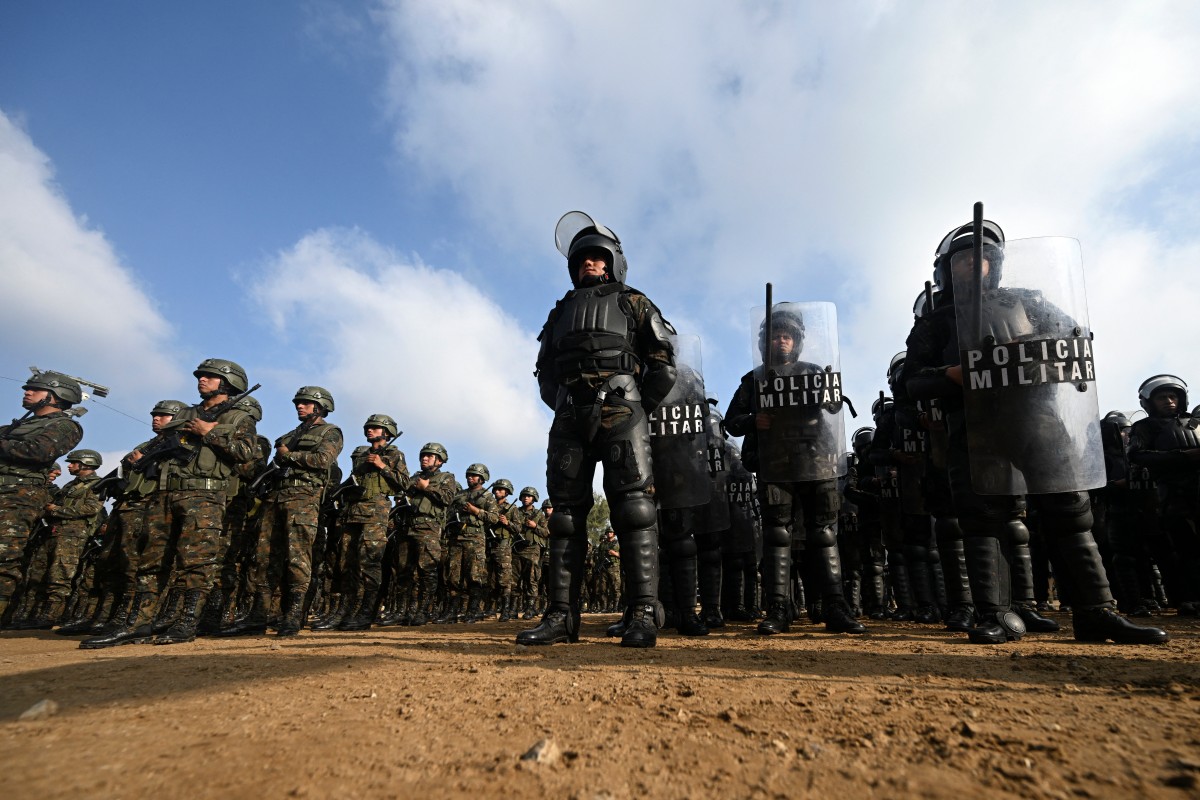
The government of Guatemala has narrowed the scope of its state of emergency to the areas most affected by gang violence, Interior Minister Marco Antonio Villeda announced on Thursday.
The measure comes two months after coordinated attacks attributed to the Barrio 18 left 11 police officers dead.
President Bernardo Arévalo initially imposed a state of siege in mid-January following the violence, which was reportedly in retaliation for government intervention in three prisons where gang leaders had staged uprisings.
That measure, which allowed arrests without a warrant, expired after one month. It was then replaced by a less restrictive “state of prevention,” alongside an increased security deployment in Guatemala City and surrounding areas.
According to Villeda, the state of prevention has been extended for two additional weeks but will now apply primarily to the central department of Guatemala — home to the capital — and Escuintla, which have recorded the highest levels of homicides and criminal activity.
“We need to continue these joint operations between the police and the military to maintain control,” the minister said.
The measure will also remain in effect in border departments including Petén, San Marcos and Huehuetenango, which border Mexico, as well as Izabal, which borders Honduras and Belize, in an effort to prevent the entry of criminal groups linked to drug trafficking.
Villeda added that in the past two weeks, homicides have dropped by 25% and extortion cases by 33% compared to the same period in 2025.
Central America
Costa Rica closes embassy in Cuba, citing human rights concerns
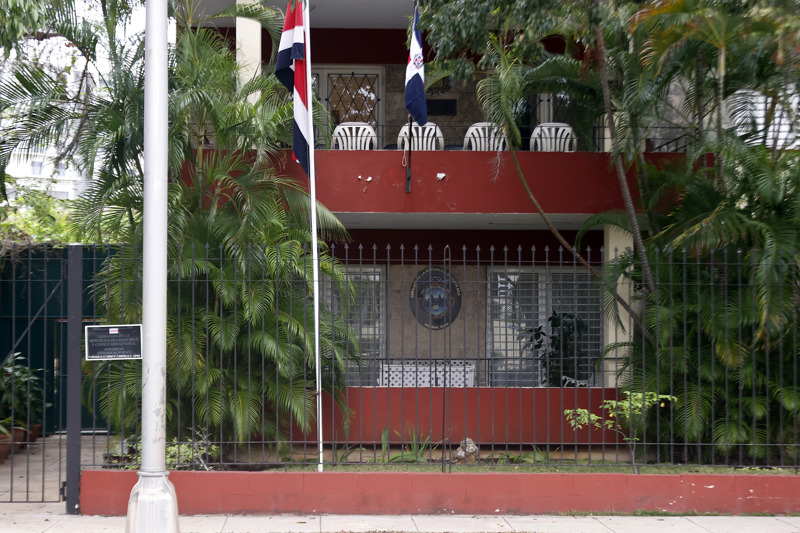
The government of Costa Rica announced on Wednesday the closure of its embassy in Cuba, a move that signals a further deterioration in diplomatic relations between the two nations.
Foreign Minister Arnoldo André confirmed that Costa Rica has also requested the withdrawal of Cuban diplomatic personnel from San José, leaving only consular representation in place.
According to André, the decision is driven by concerns over the worsening human rights situation on the island, including increased repression against citizens and opposition figures.
He also noted that Cuba’s ongoing economic and social crisis—marked by shortages of food, medicine, and basic services—has made the operation of the embassy increasingly difficult.
President Rodrigo Chaves backed the measure, stating that his administration does not recognize the legitimacy of Cuba’s political system.
In response, the Cuban government rejected the decision, calling it a “unilateral” move taken under pressure from United States.
“Under pressure from the United States, Costa Rica has limited its relations with Cuba to consular matters,” Cuba’s Foreign Ministry said, describing the action as “arbitrary.”
Despite the diplomatic setback, Cuban authorities stated that historical ties between the two nations would endure.

ICE to remain at airports amid DHS shutdown, Homan says

Oil prices surge again as Middle East tensions persist

Young Spanish Woman Receives Euthanasia After Legal Battle, Sparking Debate
Tec de Monterrey honors one of its students for his contribution to nanotechnology in medicine

Defense Minister commends salvadoran soldier for Central American Cross Country victory

Extension of the state of emergency approved in southern Chile
-
 International3 days ago
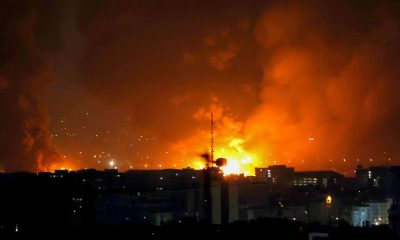
Over 300 U.S. Troops Wounded Since Start of Iran Conflict, CENTCOM Says
-
International2 days ago
Oil prices surge again as Middle East tensions persist
-
 International4 days ago
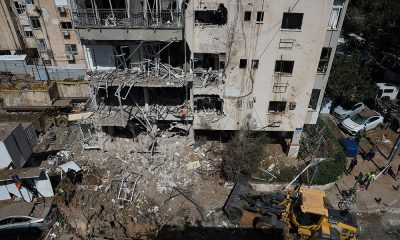
Iran rejects negotiations as tensions escalate with United States
-
 International3 days ago
Young Spanish Woman Receives Euthanasia After Legal Battle, Sparking Debate
-
 International4 days ago
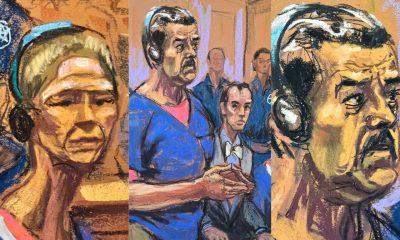
Maduro appears again in New York court amid drug trafficking charges
-
 International1 day ago
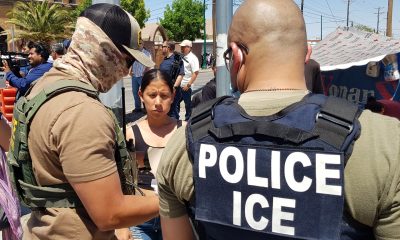
ICE to remain at airports amid DHS shutdown, Homan says