
International
Japan nurse who murdered patients gets life sentence: media

AFP
A former nurse who murdered three patients by contaminating their intravenous drips with disinfectant was sentenced to life in prison on Tuesday by a Japanese court, according to local media.
During her trial, 34-year-old Ayumi Kuboki admitted to killing the patients in their 70s and 80s five years ago in a case that shocked Japan.
She had previously told police she may have killed 20 people over just two months, but later told prosecutors she could not comment on that during the trial.
The presiding judge at the Yokohama district court said he had considered handing Kuboki the death sentence, public broadcaster NHK reported.









“She said she regrets (her actions) and wants to pay for her crime. There’s a chance she will be reformed, and I couldn’t help but to hesitate over choosing a death sentence,” the judge said.
Court officials were unavailable for comment on Tuesday afternoon.
Japan, where more than 100 inmates await execution, is one of the few developed nations that still have the death penalty.
Prosecutors had demanded a death sentence for Kuboki but the nurse’s lawyers reportedly argued that she suffered depression due to stress over the deaths of her patients, and had diminished capacity.
Kuboki had told the court she did not want to be blamed by family members when something wrong happened to her patients when she was on her shift, and felt “relieved” when one of the victims died, NHK said.
The son of one of the victims said he was not happy with the ruling, according to the broadcaster.
“She killed innocent people with selfish motives and she’s not sentenced to death. It’s wrong,” he said.
Public support for capital punishment in Japan remains high despite international criticism, including from rights groups.






International
Oil prices surge again as Middle East tensions persist
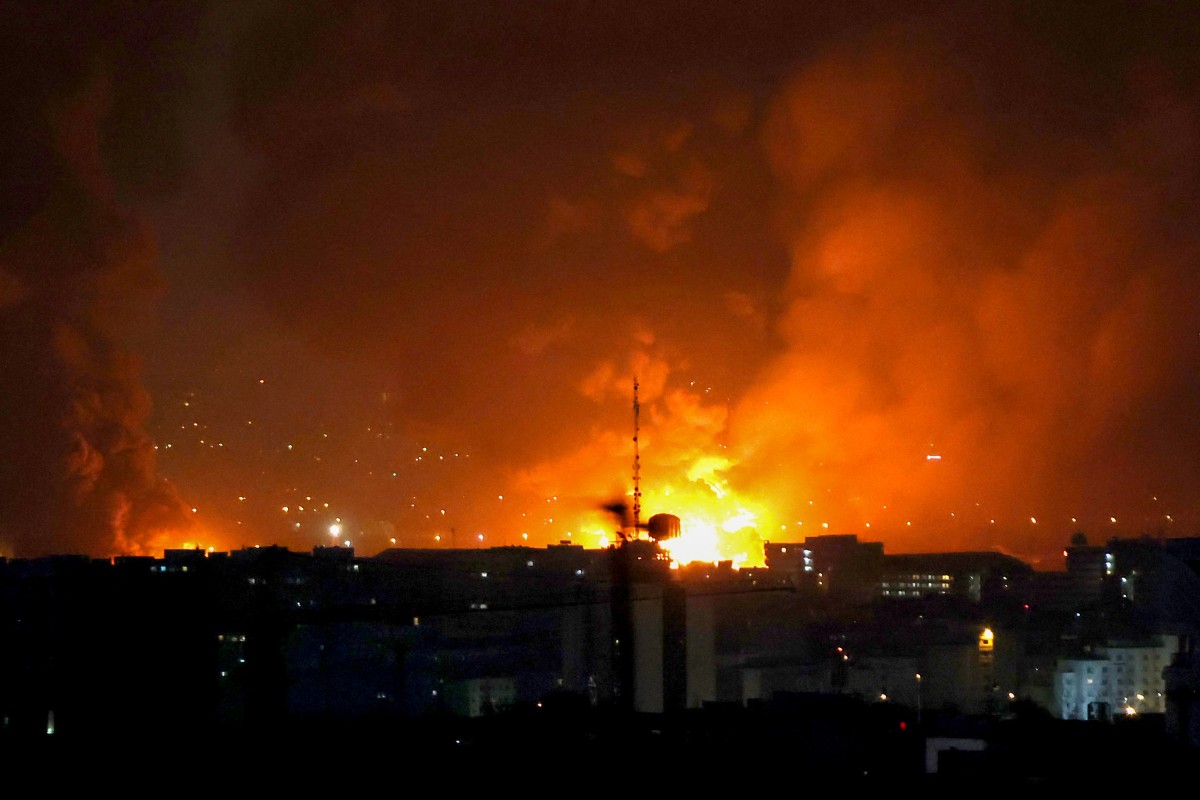
Oil prices climbed again on Friday for a second consecutive session, as markets remained concerned about a prolonged conflict in the Middle East with no tangible diplomatic progress.
North Sea Brent crude for May delivery rose 4.22% to close at $112.57 per barrel.
Meanwhile, U.S. West Texas Intermediate (WTI) approached the $100 mark, settling at $99.64, up 5.46%.
The decision by U.S. President Donald Trump to delay by ten days his ultimatum for the reopening of the Strait of Hormuz failed to reassure market participants.
“It means there will be ten additional days of disruptions in the Middle East for crude and refined product flows,” said Andy Lipow, of Lipow Oil Associates.
“For prices to come down, a resolution to the conflict is necessary,” Lipow added. “And even in the event of a ceasefire, it is not certain that Iran would allow oil shipments to pass through the Strait of Hormuz.”
International
Young Spanish Woman Receives Euthanasia After Legal Battle, Sparking Debate

A 25-year-old Spanish woman, Noelia Castillo, received euthanasia on Thursday following a prolonged legal dispute with her father.
She passed away at a care center in Sant Pere de Ribes, about 40 kilometers from Barcelona, where she had been living for some time, according to Spanish media reports.
In an interview broadcast a day earlier on Antena 3, Castillo expressed her exhaustion after enduring prolonged suffering. She indicated that her decision was influenced by a combination of personal circumstances and health-related challenges, including family conflicts and a condition of paraplegia following a previous incident that left her with lasting physical consequences.
Spain legalized euthanasia in 2021, becoming one of the few countries that allow patients under strict conditions to seek medical assistance to end their lives in order to avoid what the law defines as unbearable suffering.
The case has reignited debate in Spain over the ethical, legal, and family dimensions surrounding euthanasia, as well as the broader issue of support for individuals in vulnerable situations.
International
Over 300 U.S. Troops Wounded Since Start of Iran Conflict, CENTCOM Says
More than 300 U.S. service members have been injured since the start of the conflict with Iran on February 28, the United States Central Command confirmed on Friday.
“Since the beginning of Operation Epic Fury, approximately 303 U.S. service members have been wounded. The vast majority of these injuries are minor, and 273 troops have already returned to duty,” said U.S. Navy Captain Tim Hawkins.
A U.S. official, speaking on condition of anonymity to AFP, indicated that 10 American troops remain seriously injured.
According to the latest figures, an additional 13 U.S. service members have been killed since the conflict began, including seven in the Gulf region and six in Iraq.
Meanwhile, Iran’s armed forces warned on Friday that hotels hosting U.S. troops in the region could be considered legitimate military targets.
“When U.S. forces enter a hotel, from our perspective that hotel becomes American,” said armed forces spokesperson Abolfazl Shekarchi in remarks broadcast on state television.

Oil prices surge again as Middle East tensions persist

Young Spanish Woman Receives Euthanasia After Legal Battle, Sparking Debate
Over 300 U.S. Troops Wounded Since Start of Iran Conflict, CENTCOM Says
Tec de Monterrey honors one of its students for his contribution to nanotechnology in medicine

Defense Minister commends salvadoran soldier for Central American Cross Country victory

Extension of the state of emergency approved in southern Chile
-
 Sin categoría5 days ago
Tehran engulfed in toxic cloud after strikes on fuel facilities
-

 International5 days ago
IEA warns Middle East conflict could spark worst energy crisis in decades
-

 International4 days ago
Trump claims talks with Iran as G7 meets to address global tensions
-
 Central America5 days ago
Panama seizes over 1,200 drug packages in container bound for Lithuania
-

 International5 days ago
Colombian Air Force Hercules plane crashes during takeoff with troops onboard
-

 International4 days ago
German president says trust in U.S. leadership is ‘lost’ amid global tensions
-
 International4 days ago
Pentagon to deploy 3,000 troops to Persian Gulf as Middle East tensions escalate
-
 International4 days ago
Israel plans to seize security zone in southern Lebanon amid escalating conflict
-
International24 hours ago
Over 300 U.S. Troops Wounded Since Start of Iran Conflict, CENTCOM Says
-
International4 hours ago
Oil prices surge again as Middle East tensions persist
-
 International2 days ago
Iran rejects negotiations as tensions escalate with United States
-
 International24 hours ago
Young Spanish Woman Receives Euthanasia After Legal Battle, Sparking Debate
-

 International2 days ago
Maduro appears again in New York court amid drug trafficking charges