
Central America
Nicaragua to promote a reform that would establish life imprisonment as the maximum penalty

The Nicaraguan President announced that he would promote a legal reform in the country. The idea is to increase the country’s maximum penalty. Ortega seeks to establish life imprisonment as the highest penalty for the most serious crimes. Currently, the highest punishment is 30 years in prison.
Rosario Murillo said they were seeking to severely increase sentence for those who commit hate crimes due to mental or cultural disturbance. “Our commander Daniel Ortega proposes that anyone who commits these crimes be sentenced to life imprisonment,” she added.
In this regard, José Pallais, a lawyer and former opposition legislator, fears that the initiative will become another instrument of “political revenge” used by the government. However, Murillo said that the initiative responded to a citizen request. This comes after two girls were brutally murdered over the weekend in the Lisawe community in the northern Caribbean region.






Central America
Costa Rica urges China to halt actions against Panama-flagged vessels
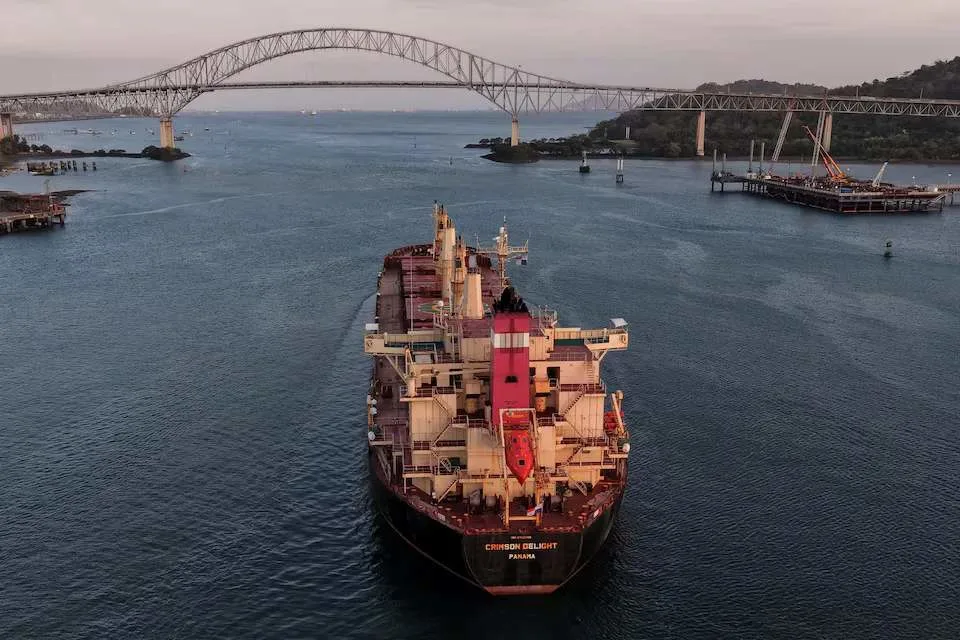
The government of Costa Rica on Saturday called on China to halt retaliatory actions against vessels flying the Panamaflag, amid escalating tensions over control of two strategic ports linked to the Panama Canal.
In a statement shared on social media, Costa Rica’s Foreign Ministry warned that the situation “puts global trade at risk” and expressed its “deep concern and strongest condemnation” over what it described as “arbitrary and unjustified delays and inspections in Chinese ports.”
The Costa Rican government urged “full respect for international law, particularly the United Nations Convention on the Law of the Sea,” while reaffirming its “unconditional support and solidarity” with Panama.
San José’s position aligns with growing international criticism from countries including Honduras, Peru, Paraguay, Israeland Ukraine.
Paraguayan authorities described the detentions as “unacceptable” and pointed to what they called “undue pressure” on the Panamanian government.









Central America
El Salvador sees 45% surge in international tourists during holiday period

Tourism in El Salvador continues to grow during the holiday period, with a 45% increase in international arrivals compared to 2025, according to data from the Ministry of Tourism.
Tourism Minister Morena Valdez reported that the country received around 48,000 foreign visitors between Saturday, March 28 and Sunday, March 29, surpassing the 33,000 recorded during the same period last year.
International visitor behavior remains consistent, with most travelers arriving at the El Salvador International Airport and heading directly to coastal destinations, particularly Surf City and the beaches of La Libertad.
“Sun and beach tourism accounts for 80% of global travel demand. Surf City, with all the positioning work that has been done, is where visitors go, especially because it is close to the airport,” Valdez said in an interview.
However, tourism activity is not limited to La Libertad. Other destinations such as Costa del Sol, Surf City 2, as well as beaches in the western and eastern regions of the country, are also experiencing high visitor traffic.
Central America
Panama seizes over 1,200 drug packages in container bound for Lithuania
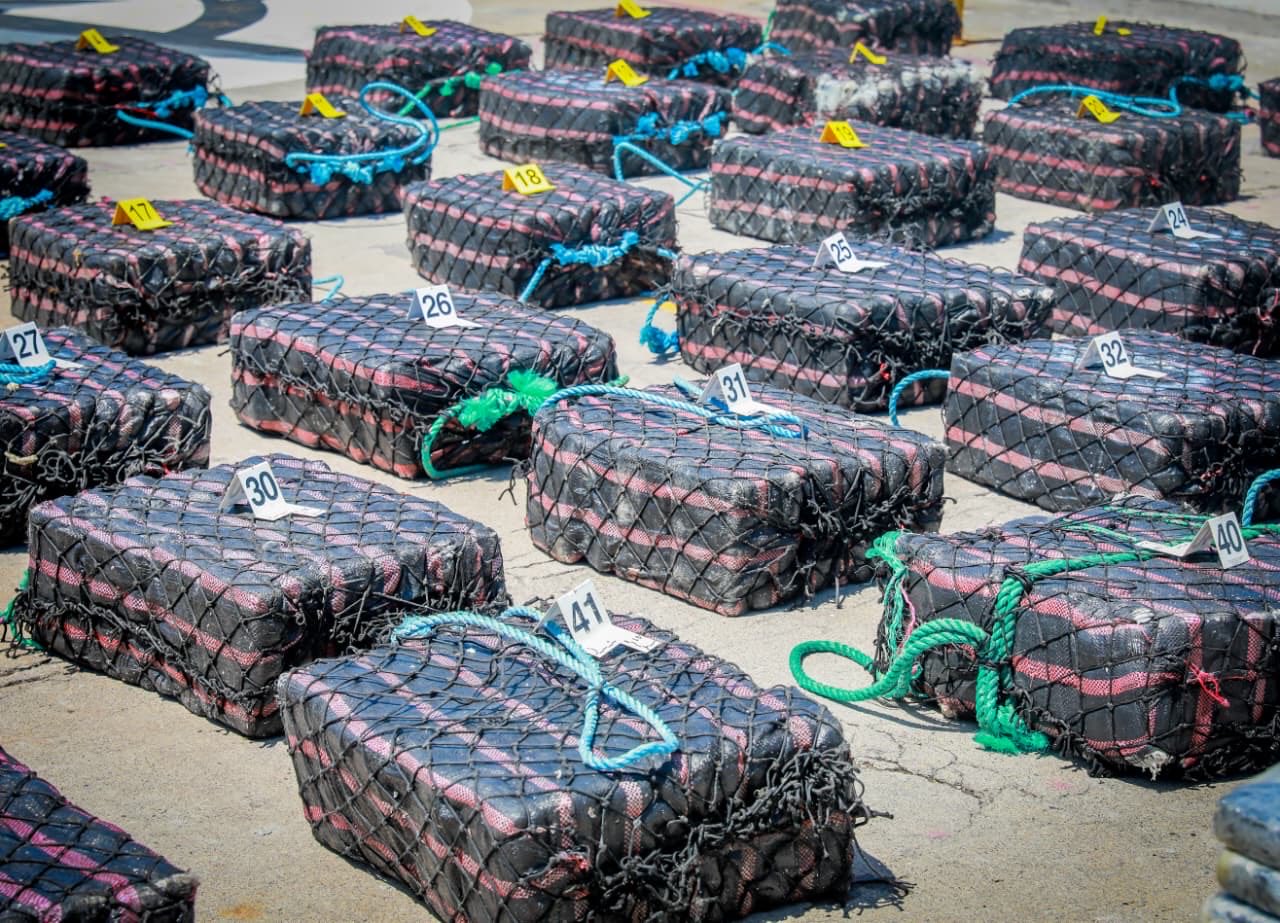
Authorities in Panama reported the seizure of 1,251 packages of suspected drugs hidden inside a shipping container bound for Lithuania, just days after intercepting another shipment of similar size headed to the same destination.
The Panama Public Prosecutor’s Office stated on social media that, through its Colón Drug Prosecutor’s Office and in coordination with the National Anti-Drug Directorate, authorities carried out the operation. The illicit substance was discovered inside a container scheduled for export.
Last Friday, officials also seized 1,506 packages of drugs in another container destined for Lithuania.
While authorities have not specified the type or exact weight of the seized substance, drug packages in Panama typically weigh around one kilogram each, and cocaine remains the most commonly confiscated narcotic in the country.
So far this year, Panamanian authorities have reported multiple drug seizures. Among them was a shipment of 5,356 packages intercepted on January 17, when agents of the National Aeronaval Service (SENAN) stopped a vessel near the Pearl Islands archipelago in the Pacific.
According to official figures, in 2025 Panama seized 129 tons of drugs and 47.8 tons of chemical precursors, highlighting ongoing efforts to combat international drug trafficking.

Petro accuses top guerrilla leader of bribing officers to evade military strikes

Costa Rica urges China to halt actions against Panama-flagged vessels

Mexico leads global cases of enforced disappearances, UN report finds
Tec de Monterrey honors one of its students for his contribution to nanotechnology in medicine

Defense Minister commends salvadoran soldier for Central American Cross Country victory

Extension of the state of emergency approved in southern Chile
-
 International3 days ago
Devotees in Philippines mark Holy Week with extreme rituals despite rising costs
-

 International3 days ago
Le pape Léon XIV appelle à relancer le dialogue pour une paix au Moyen-Orient
-
 Internacionales3 days ago
Ecuador extends state of emergency amid escalating violence and crime crackdown
-
 International3 days ago
Mexico leads global cases of enforced disappearances, UN report finds
-
 Central America1 day ago
Costa Rica urges China to halt actions against Panama-flagged vessels
-
 International1 day ago
Petro accuses top guerrilla leader of bribing officers to evade military strikes