
Central America
Nayib Bukele: an example of adequate management of the COVID-19 crisis in Central America

The measures implemented by the Salvadoran President to face the crisis of the virus affecting the world, have been applauded by political leaders, regional organizations, the media and lots of Central American citizens.
The financial support for low-income families with a Solidarity Bonus from the Government, and the Economic Reactivation Plan for small and medium enterprises are two of the most recognized actions.
The Nicaraguan newspaper La Prensa, makes an analogy about the good management that President Nayib Bukele has had, versus the passivity and even disdain shown by Daniel Ortega, President of that country, overlooking the threat for the Nicaraguan people.
The President of Nicaragua, who has been an absent leader during this crisis, has not prepared nor has he taken any actions to stop the pandemic from having a negative impact on Nicaragua
On the contrary, Ortega and his Government have encouraged activities that do not follow the advice of the World Health Organization about social distancing.















Central America
Honduras coffee exports jump nearly 30% in March despite price drop
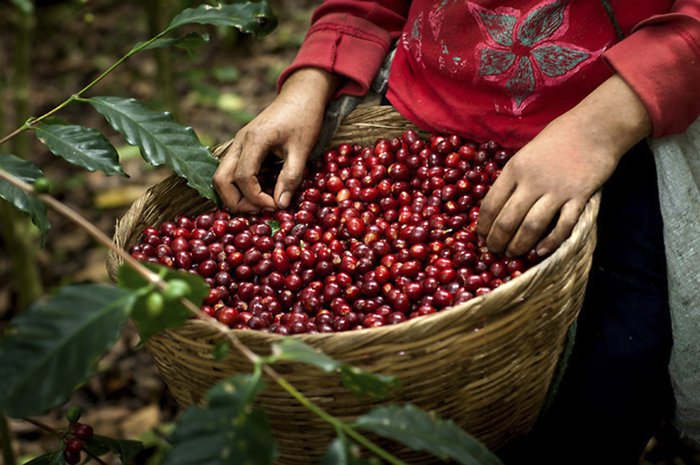
Coffee exports from Honduras rose by 29.6% year-on-year in March, according to data released Monday by the Instituto Hondureño del Café.
During the third month of the 2025–2026 harvest season, Honduras exported 1,373,817 46-kilogram bags of coffee, up from 1,059,744 bags shipped in March of the previous cycle.
Despite the increase in volume, the average price per bag fell to $307.55, compared to $364.70 recorded in the prior harvest.
Between October and March, total export revenues reached $1.36 billion, representing a 32% increase from the $1.032 billion reported during the same period of the 2024–2025 season.
The United States remained the main destination for Honduran coffee, accounting for 36.5% of total shipments. It was followed by Germany with 16.1% and Belgium with 12.4%.
In regional terms, Europe absorbed 52% of exports, while North America accounted for 42%, according to the institute’s report.
Honduras remains the largest coffee producer in Central America and ranks among the top six producers worldwide.
Central America
Guatemala extends state of prevention and expands it to new regions
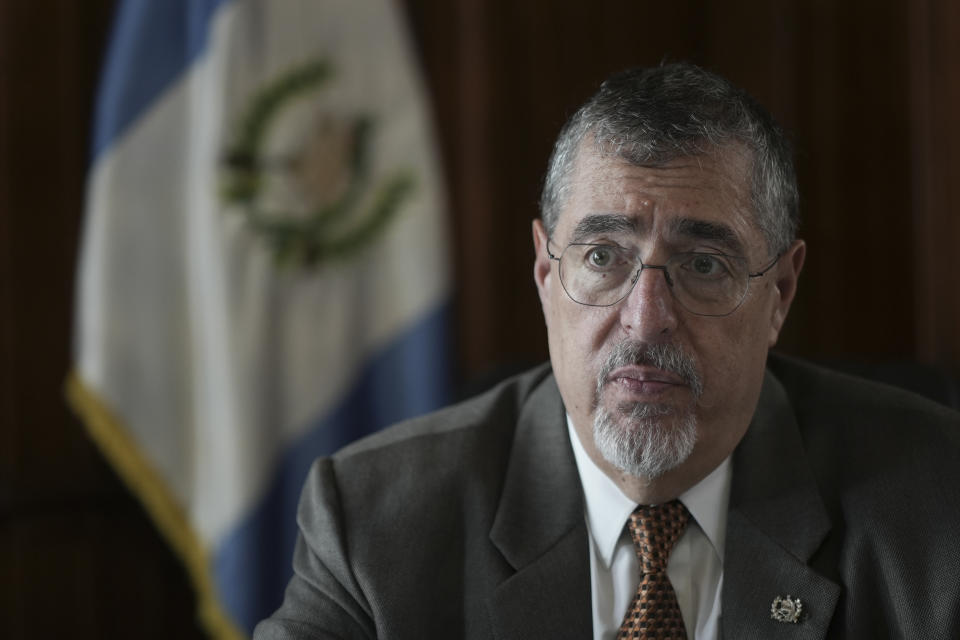
The president of Guatemala, Bernardo Arévalo, announced on Monday that his government will extend the state of prevention for 15 more days in six departments and expand the measure to two additional regions as part of efforts to combat organized crime.
Speaking at a press conference, Arévalo said the decision was approved by the Cabinet and formalized through a decree. The measure will remain in place in the departments of Guatemala, Escuintla, Izabal, Petén, San Marcos, and Huehuetenango, and will now also apply to Sacatepéquez and Quetzaltenango.
The president emphasized that the strategy has contributed to reducing homicide rates in the country and will remain a key component of his administration’s security policy.
Defense Minister Henry Sáenz said the measures are “essential to strengthen the government’s presence in areas where security gaps existed” and to weaken organized criminal groups.
Under the state of prevention, the Policía Nacional Civil, supported by the military, is granted broader powers to confront criminal organizations, particularly gangs and drug trafficking networks. The measure also restricts public demonstrations, which can be dispersed by security forces.
Guatemala has been under heightened security measures since January 18, following a coordinated attack by gangs that left 11 police officers dead, prompting the government to reinforce its response to organized crime.
Central America
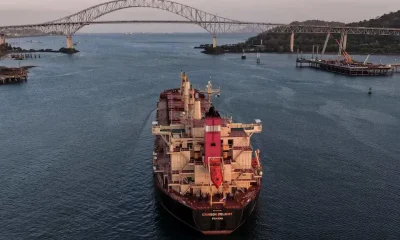
Costa Rica urges China to halt actions against Panama-flagged vessels
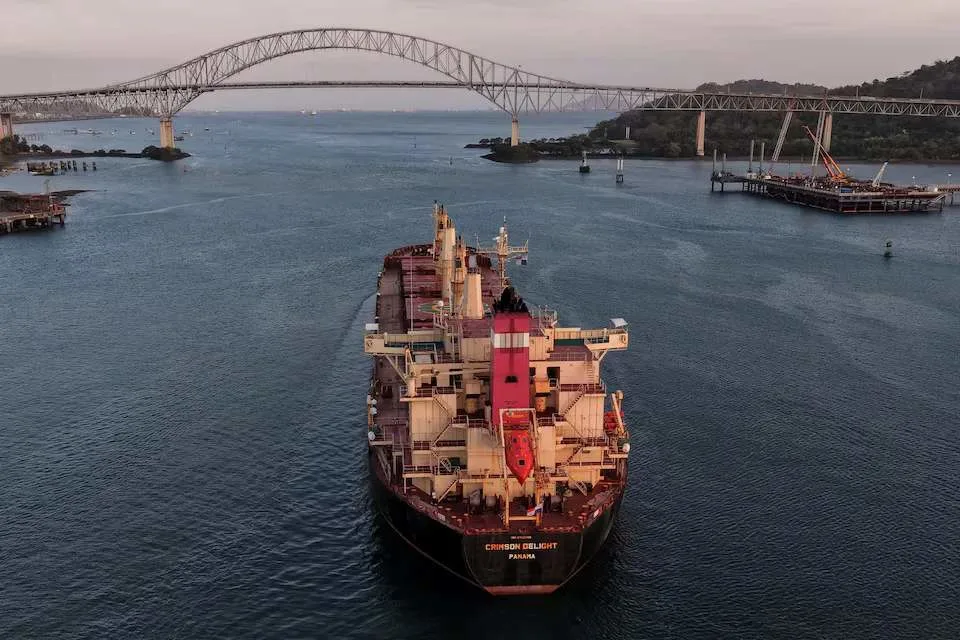
The government of Costa Rica on Saturday called on China to halt retaliatory actions against vessels flying the Panamaflag, amid escalating tensions over control of two strategic ports linked to the Panama Canal.
In a statement shared on social media, Costa Rica’s Foreign Ministry warned that the situation “puts global trade at risk” and expressed its “deep concern and strongest condemnation” over what it described as “arbitrary and unjustified delays and inspections in Chinese ports.”
The Costa Rican government urged “full respect for international law, particularly the United Nations Convention on the Law of the Sea,” while reaffirming its “unconditional support and solidarity” with Panama.
San José’s position aligns with growing international criticism from countries including Honduras, Peru, Paraguay, Israeland Ukraine.
Paraguayan authorities described the detentions as “unacceptable” and pointed to what they called “undue pressure” on the Panamanian government.

Former Trump allies call for removal, cite 25th Amendment amid Iran threats

Trump pauses strikes on Iran, extends ultimatum by two weeks

Honduras coffee exports jump nearly 30% in March despite price drop
Tec de Monterrey honors one of its students for his contribution to nanotechnology in medicine

Defense Minister commends salvadoran soldier for Central American Cross Country victory

Extension of the state of emergency approved in southern Chile
-

 Central America2 days ago
Guatemala extends state of prevention and expands it to new regions
-
 International19 hours ago
Trump pauses strikes on Iran, extends ultimatum by two weeks
-

 International2 days ago
NASA’s Orion sets record as farthest crewed mission from Earth
-
 Central America2 days ago
Honduras coffee exports jump nearly 30% in March despite price drop
-
 International19 hours ago
Former Trump allies call for removal, cite 25th Amendment amid Iran threats
-

 International5 days ago
Devotees in Philippines mark Holy Week with extreme rituals despite rising costs
-

 International5 days ago
Le pape Léon XIV appelle à relancer le dialogue pour une paix au Moyen-Orient
-
 International5 days ago
Mexico leads global cases of enforced disappearances, UN report finds
-
 International2 days ago
WHO worker killed as Israeli forces fire on Gaza medical convoy
-
 Central America3 days ago
Costa Rica urges China to halt actions against Panama-flagged vessels
-
 International3 days ago
Petro accuses top guerrilla leader of bribing officers to evade military strikes