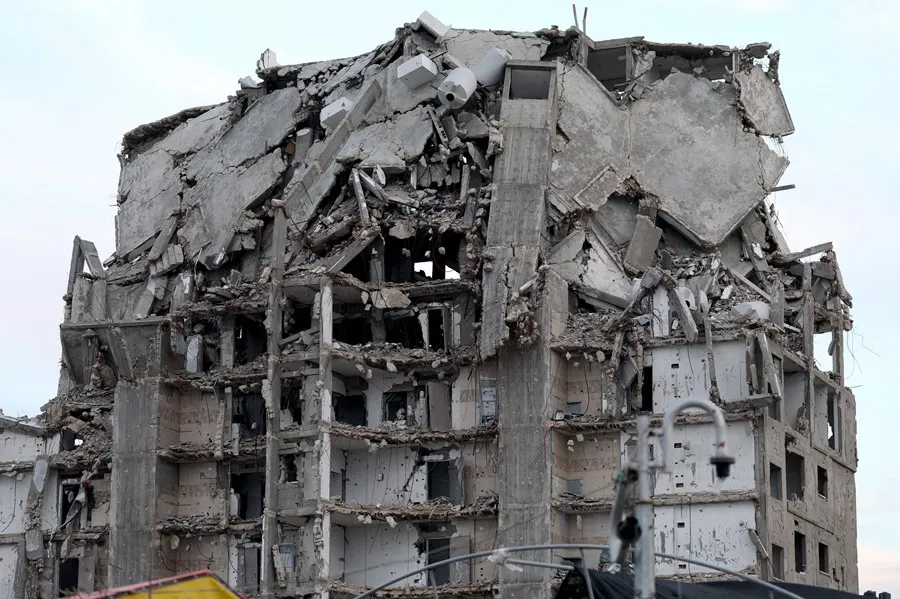
At least 35 people, including numerous children, died in the last few hours in an Israeli bombing of a residential complex in Beit Lahia, in the north of the Gaza Strip.
The attack targeted a block with five houses in a western neighborhood of Beit Lahia, according to local sources quoted by the Palestinian agency Wafa and Al Jazeera.
Health collapse
This Saturday, the Civil Defense was overwhelmed by the number of calls for help from bombed homes in the north of the enclave.
The lack of ambulances and the Israeli blockade of the attacked areas is complicating the rescue operations of people who are trapped in the rubble.
In addition, the Indonesian and Kamal Adwan hospitals are not functioning due to the collapse of the health system.
Advertisement
20260101_dengue_cubeta_728x90
20260101_dengue_barril_728x90
20260101_dengue_llanta_728x90
20260101_dengue_pileta_728x90
20260224_estafa_mh_728x90
20260212_constancia_pagos_mh_728x90
20250901_vacunacion_vsr-728x90
20250901_minsal_tetra_-728x90
20250701_vacunacion-influenza-728x90
20250701_vacunacion_vph-728x90
20250715_donacion_sangre_central_728x90
20231124_etesal_728x90_1
20230601_agenda_primera_infancia_728X90
domfuturo_netview-728x90
20240604_dom_728x90
CEL
In the latter center, at least 44 health workers and several patients were detained by Israeli forces after the siege launched yesterday, according to the regional director of the World Health Organization (WHO) for the Middle East, Hanan Balkhy.
The person in charge, who cites the Gaza Ministry of Health, said that only a group of health personnel and the director of the hospital remain in the center, in addition to a doctor who was not arrested.
His message comes after a day of siege to what was one of the few hospitals in operation in the punished north of Gaza, where a harsh Israeli offensive that began more than three weeks ago has already claimed the lives of about 800 people and has forced tens of thousands of Palestinians to flee.
Israel attacks the Salah al-Din complex
On the other hand, the Israel Defense Forces (IDF) reported a “precise attack against terrorists” operating within a command and control center located within a complex called Salah al-Din, which previously served as a school in Gaza.
According to the IDF, members of the Islamist group Hamas operated in that place, without adding further information.
Advertisement
20260101_dengue_cubeta_728x90
20260101_dengue_barril_728x90
20260101_dengue_llanta_728x90
20260101_dengue_pileta_728x90
20260224_estafa_mh_728x90
20260212_constancia_pagos_mh_728x90
20250901_vacunacion_vsr-728x90
20250901_minsal_tetra_-728x90
20250701_vacunacion-influenza-728x90
20250701_vacunacion_vph-728x90
20250715_donacion_sangre_central_728x90
20231124_etesal_728x90_1
20230601_agenda_primera_infancia_728X90
domfuturo_netview-728x90
20240604_dom_728x90
CEL
In the last two days, the Israeli attacks in the Strip have killed 77 people and 289 others have been injured, figures that do not include data from the hospitals in the north of the enclave, subjected to this harsh offensive.
Since the war began more than a year ago, 42,924 people have died and more than 100,800 have been injured in the devastated Palestinian enclave, according to data from Gaza hospitals.
In addition, it is estimated that the bodies of thousands of missing people continue to be buried under the rubble.
Actress Hayden Panettiere Dies at 36, Representative Confirms
Actress Hayden Panettiere has died at the age of 36, her representative confirmed to CNN.
“It is with profound sadness that we share the tragic passing of our beloved Hayden. She was an incredible light and a force of nature who brought immeasurable love and joy to everyone who knew her, and to the millions who saw her on screen,” her father, Skip Panettiere, said in a statement to CNN.
The circumstances surrounding her death were not immediately known. ABC was the first outlet to report the news.
Panettiere rose to prominence in the late 2000s with her role as Claire Bennet in the television series “Heroes.” Her character was a cheerleader with the ability to heal herself, becoming one of the show’s most recognizable figures.
She later starred in the musical drama series “Nashville,” portraying Juliette Barnes, a young country music star whose career and personal life were central to the series.
Advertisement
20260101_dengue_cubeta_728x90
20260101_dengue_barril_728x90
20260101_dengue_llanta_728x90
20260101_dengue_pileta_728x90
20260224_estafa_mh_728x90
20260212_constancia_pagos_mh_728x90
20250901_vacunacion_vsr-728x90
20250901_minsal_tetra_-728x90
20250701_vacunacion-influenza-728x90
20250701_vacunacion_vph-728x90
20250715_donacion_sangre_central_728x90
20231124_etesal_728x90_1
20230601_agenda_primera_infancia_728X90
domfuturo_netview-728x90
20240604_dom_728x90
CEL
Panettiere also appeared in the 2011 horror film “Scream 4” as Kirby Reed. She later returned to the franchise more than a decade later in “Scream VI.”
Her other notable film credits included “I Love You, Beth Cooper” and “Remember the Titans.”
Panettiere’s career spanned television and film, with roles that made her a familiar face to audiences from the 2000s onward.
Luigi Mangione Pleads Guilty to Killing UnitedHealthcare CEO Brian Thompson
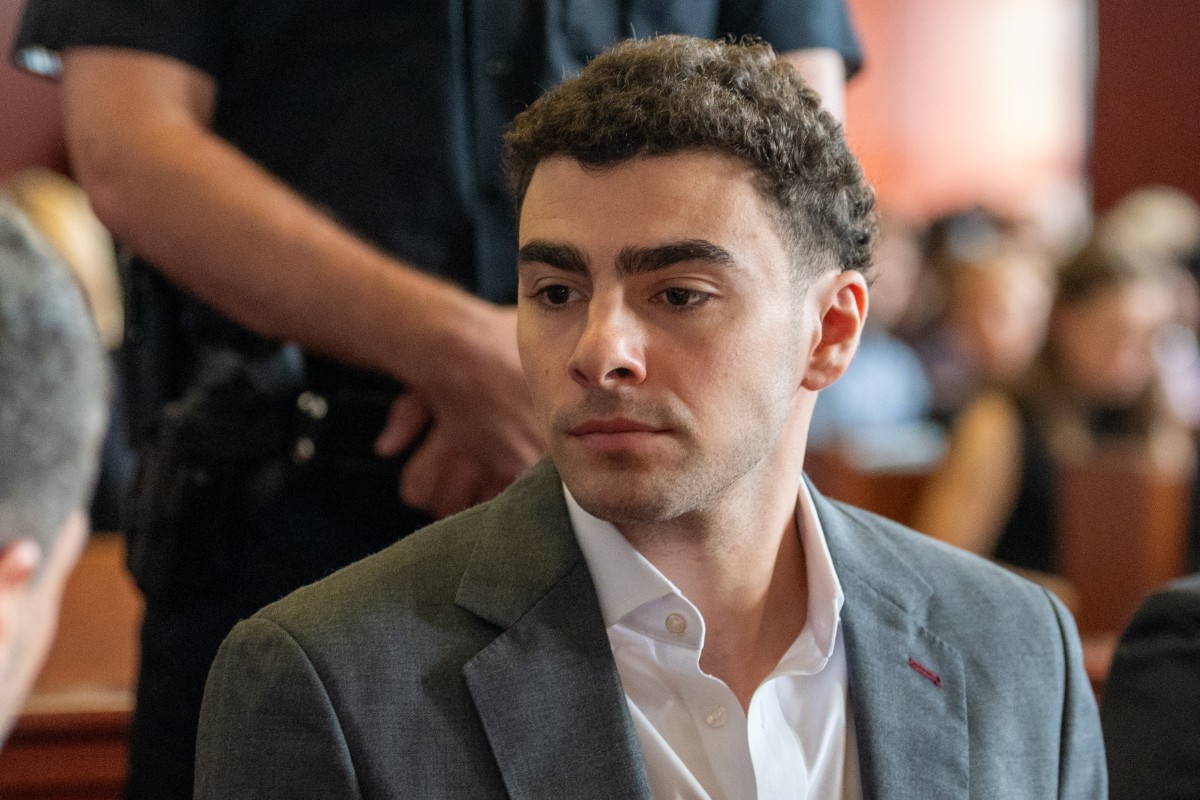
Luigi Mangione admitted Friday to fatally shooting Brian Thompson, the CEO of UnitedHealthcare, the largest health insurance group in the United States, during an appearance before a federal judge.
The case shocked the U.S. business community and dates back to December 2024, when Mangione opened fire on Thompson, 50, on a Manhattan street. Prosecutors have described the attack as being motivated by Mangione’s opposition to the U.S. health insurance system.
“On the morning of December 4, I shot Mr. Thompson in Manhattan and he died,” Mangione said as he pleaded guilty to a federal stalking charge related to his pursuit of the executive.
Mangione, 28, is scheduled to be sentenced on December 18, and prosecutors have indicated that they will seek a life sentence.
In addition to the federal charges related to stalking Thompson, Mangione also faces a murder case brought by the state of New York.
Advertisement
20260101_dengue_cubeta_728x90
20260101_dengue_barril_728x90
20260101_dengue_llanta_728x90
20260101_dengue_pileta_728x90
20260224_estafa_mh_728x90
20260212_constancia_pagos_mh_728x90
20250901_vacunacion_vsr-728x90
20250901_minsal_tetra_-728x90
20250701_vacunacion-influenza-728x90
20250701_vacunacion_vph-728x90
20250715_donacion_sangre_central_728x90
20231124_etesal_728x90_1
20230601_agenda_primera_infancia_728X90
domfuturo_netview-728x90
20240604_dom_728x90
CEL
Following his guilty plea in federal court, Mangione’s defense asked a state court to dismiss the state charges, arguing that prosecuting him again for the same conduct would violate protections against double jeopardy.
“We have just filed our motion in state court to explain why the charges should be dismissed under New York’s protections against double jeopardy,” Mangione’s attorney, Karen Friedman Agnifilo, said Friday.
Both the federal and state cases could result in a life sentence. Two other federal charges that initially carried the possibility of the death penalty were dismissed by a judge earlier this year.
ICE Plan to Equip Agents With Electric Shock Gloves Raises Abuse Concerns
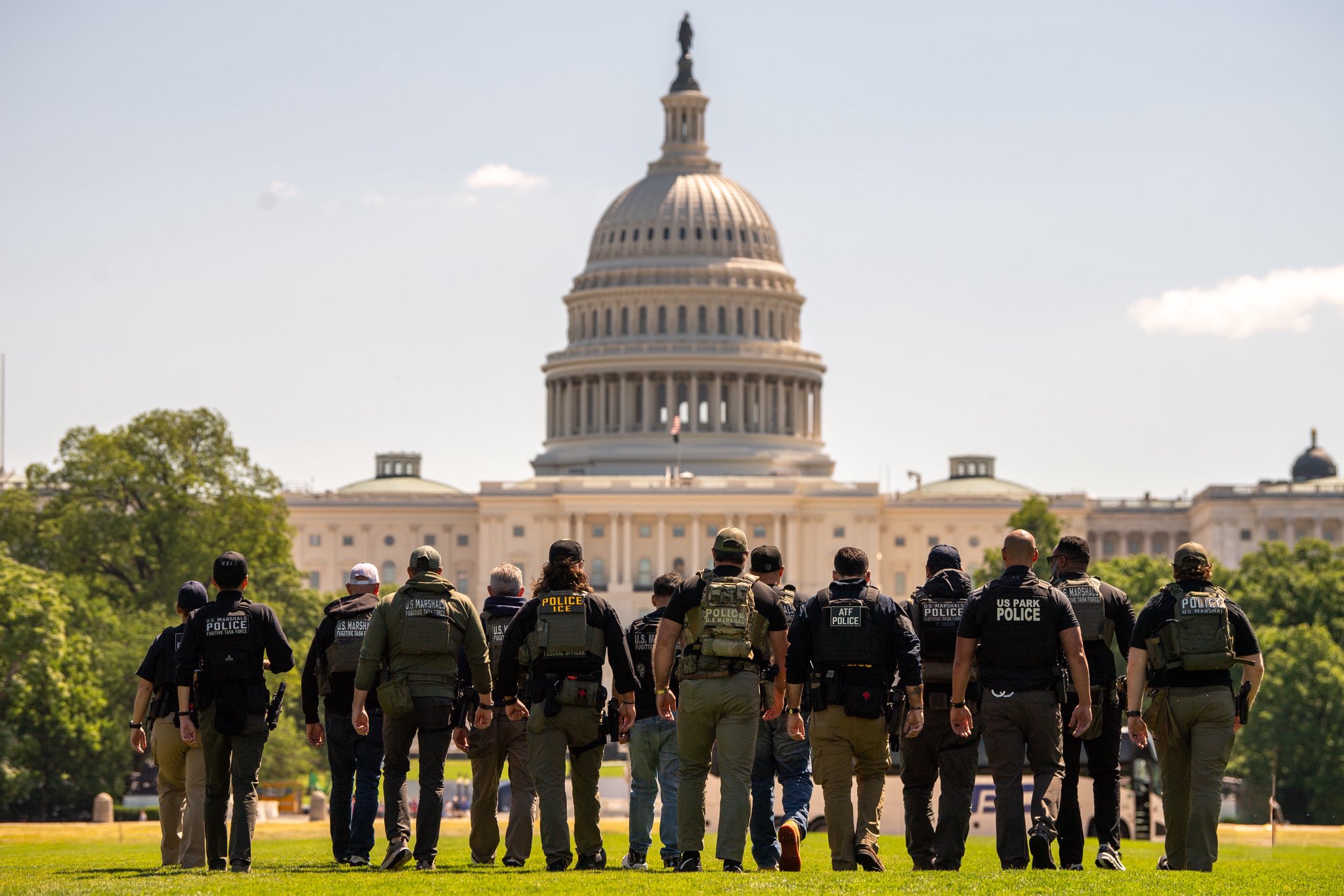
Plans to equip U.S. immigration agents with gloves capable of delivering electric shocks are raising concerns over potential abuses by a law enforcement agency that critics accuse of using excessive force and providing inadequate training to its personnel.
The plan involves the potential purchase of electric-shock gloves for agents with U.S. Immigration and Customs Enforcement (ICE), the agency primarily responsible for carrying out President Donald Trump’s campaign to deport millions of undocumented immigrants.
Democratic Representative Maxwell Frost criticized the proposal on X, arguing that the agency has already faced accusations of excessive force during immigration enforcement operations.
“As if assaulting and shooting people in the streets wasn’t enough,” Frost wrote. He also criticized the reported $20 million potential expenditure on the devices and called for greater restrictions on ICE.
The agency has faced growing scrutiny following a series of deadly shootings during immigration enforcement operations. Among the incidents were the deaths of two U.S. citizens in Minnesota in January who were participating in protests against the agency.
Advertisement
20260101_dengue_cubeta_728x90
20260101_dengue_barril_728x90
20260101_dengue_llanta_728x90
20260101_dengue_pileta_728x90
20260224_estafa_mh_728x90
20260212_constancia_pagos_mh_728x90
20250901_vacunacion_vsr-728x90
20250901_minsal_tetra_-728x90
20250701_vacunacion-influenza-728x90
20250701_vacunacion_vph-728x90
20250715_donacion_sangre_central_728x90
20231124_etesal_728x90_1
20230601_agenda_primera_infancia_728X90
domfuturo_netview-728x90
20240604_dom_728x90
CEL
Critics have focused on the tactics used by ICE agents when detaining immigrants, as well as allegations that training standards for newly recruited personnel have been lowered.
According to a procurement plan first reported by the Associated Press, the Department of Homeland Security (DHS), which oversees ICE, could spend between $10 million and $20 million on the devices.
The gloves are described by the agency as tools intended for “distraction and de-escalation,” rather than lethal weapons. The system, known as GLOVE, stands for “Generated Low-Output Voltage Emitter.”
The device is manufactured by Compliant Technologies, a Kentucky-based company that describes its products as advanced non-lethal tools designed to protect and assist law enforcement and other personnel.
The proposal comes amid an intensifying national debate over ICE’s enforcement methods and the use of force during the Trump administration’s immigration crackdown.