
Central America
Central American mayors visit El Salvador to discuss regional tech hub and municipal collaboration
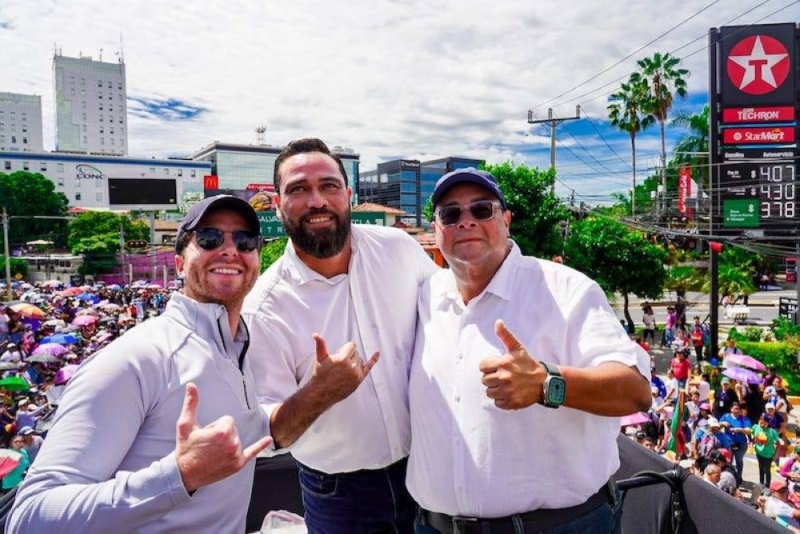
Jorge Alejandro Aldana Bardales, the mayor of Tegucigalpa, Honduras, and Mayer Mizrachi, the mayor of Panama City, are currently visiting El Salvador. On Thursday, August 1, they took the opportunity to participate in the Conga Bus, which led the Post Office Parade marking the start of the patronal festivities in the San Salvador district within the municipality of San Salvador Centro.
During their visit, the Central American mayors are scheduled to meet with Mario Durán, the mayor of San Salvador Centro, and Diego Miranda, the mayor of San José, Costa Rica. The agenda will focus on issues such as mobility, vulnerability, investment promotion, job creation, and most notably, the potential to develop a technological hub in Central America from local government efforts to attract digital investments in the region.
Jorge Aldana Bardales, mayor of the Central District of Honduras, which includes Tegucigalpa and Comayagüela, shared this information on his social media. Previously a journalist and activist, Aldana Bardales, who was elected mayor in 2021, has announced his intention to seek re-election for another term.
Meanwhile, Panamanian mayor Mayer Mizrachi Matalon has already met with Luis Rodríguez, the director of the San Salvador Metropolitan Area Council (Coamss). Rodríguez assured Mizrachi that he has a strong ally in Coamss.
“The operational system of the Salvadoran government is admirable. Efficiency and clearly defined priorities consistently over time,” Mizrachi commented after viewing project models during the meeting with Coamss’s director. Mizrachi, who has been Panama’s mayor since July 1, previously visited the “Chivopets” veterinary hospital founded in El Salvador, which he plans to replicate in Panama.











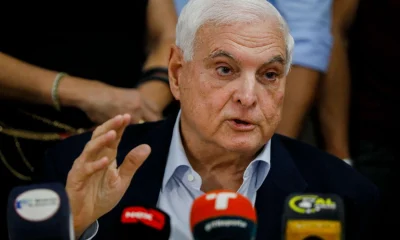
Mizrachi, a businessman who won the Panama City mayoral election in May 2024 through a novel audiovisual and viral video campaign, presents himself on X as an entrepreneur and “Chacalde”—a blend of the words chacal and mayor. He is the political nephew of former Panamanian president Ricardo Martinelli, and recently, a Panamanian high court dismissed a case related to money laundering known as “Criptext,” which had been open for nine years.






















































Sports
France edge Paraguay 1–0 as Mbappé penalty sends Les Bleus into World Cup quarterfinals
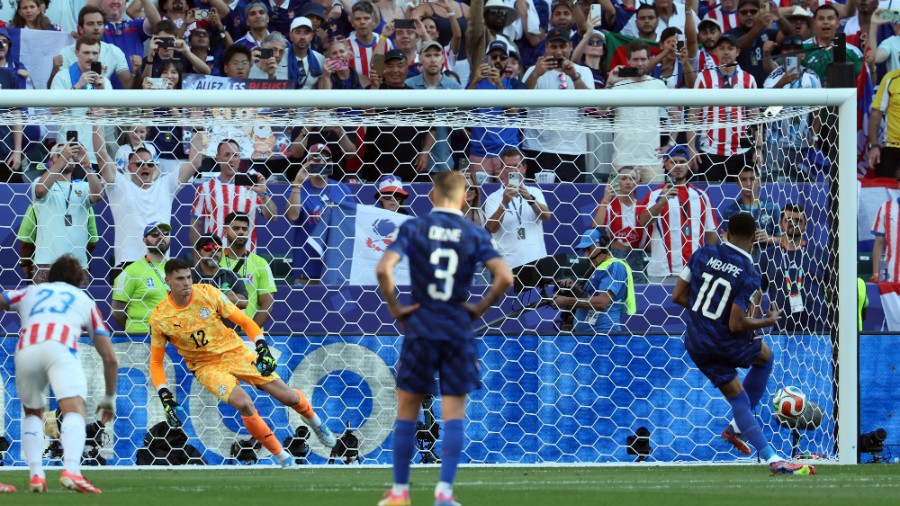
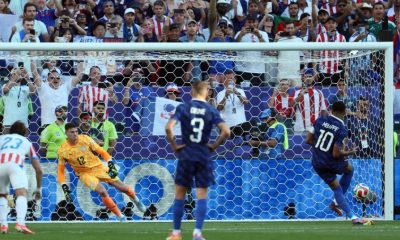
France secured a narrow 1–0 victory over Paraguay to advance to the quarterfinals of the FIFA World Cup 2026, thanks to a second-half penalty converted by Kylian Mbappé.
The match, played at the Lincoln Financial Field, was heavily affected by extreme heat, with temperatures reaching 37°C and a heat index of 40°C, forcing players and fans to remain constantly hydrated and contributing to a slower-paced encounter.
France dominated possession throughout the first half, holding 76% of the ball and registering six shots on target without managing to convert. Paraguay, meanwhile, maintained a compact defensive structure, often dropping as many as eight players behind the ball and relying on counterattacks.
Despite their control, the French side struggled to create clear chances, a situation that visibly frustrated coach Didier Deschamps. His team returned from halftime with the same approach, eventually forcing a save from Paraguay goalkeeper Orlando Gill after a shot from Manu Koné in the 55th minute.
The breakthrough arrived in the 70th minute when the referee, after a VAR review, awarded a penalty following a foul by Diego Gómez on Désiré Doué inside the box. Mbappé converted from the spot to give France the lead.
After the goal, France managed the game more calmly, while Paraguay pushed forward in search of an equalizer, opening up their defensive shape.
With his goal, Mbappé reached seven goals in the tournament, level with Argentina’s Lionel Messi in the scoring charts, and moved within one goal of the all-time World Cup scoring record.
Central America
El Salvador and Chile Mark 150 Years of Relations With Expanded Bilateral Cooperation
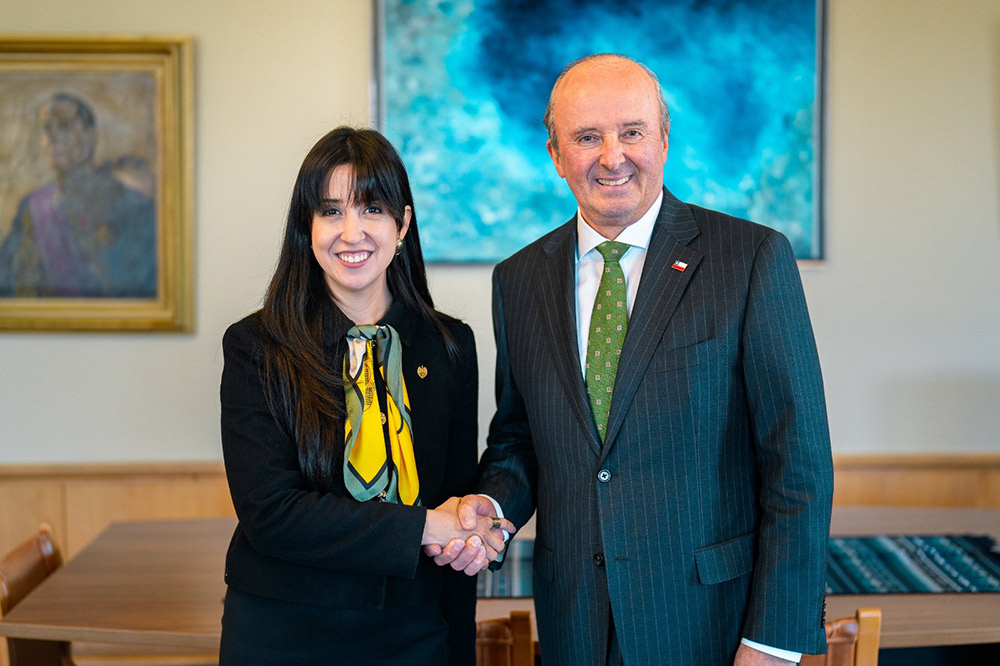
El Salvador and Chile are strengthening their diplomatic and cooperation ties through the official visit of Salvadoran Deputy Foreign Minister Adriana Mira to the South American country.
The purpose of the visit is to expand economic exchanges, promote new cooperation opportunities, and strengthen the bonds of friendship between both nations, according to El Salvador’s Foreign Ministry.
During her visit, Mira held a meeting with her Chilean counterpart, Patricio Torres, where they discussed issues of common interest and actions aimed at further advancing bilateral relations.
The agenda included initiatives to promote trade, encourage investment in strategic sectors, and strengthen joint efforts in different areas of cooperation.
As part of this process, both countries are preparing the 5th Meeting of the Joint Commission for Technical and Scientific Cooperation, where they are expected to establish a new framework for bilateral collaboration aimed at creating mutual benefits.
The meeting also carried a historic significance, as El Salvador and Chile are commemorating 150 years of diplomatic relations in 2026.
Representatives from both governments highlighted the importance of continuing to deepen their ties of friendship and cooperation to support shared development goals.
El Salvador’s Foreign Ministry emphasized that the relationship between both countries seeks to advance greater economic, commercial, and technical integration while taking advantage of new opportunities for collaboration.
International
Cristiano Ronaldo Makes History as First Player to Score in Six World Cups
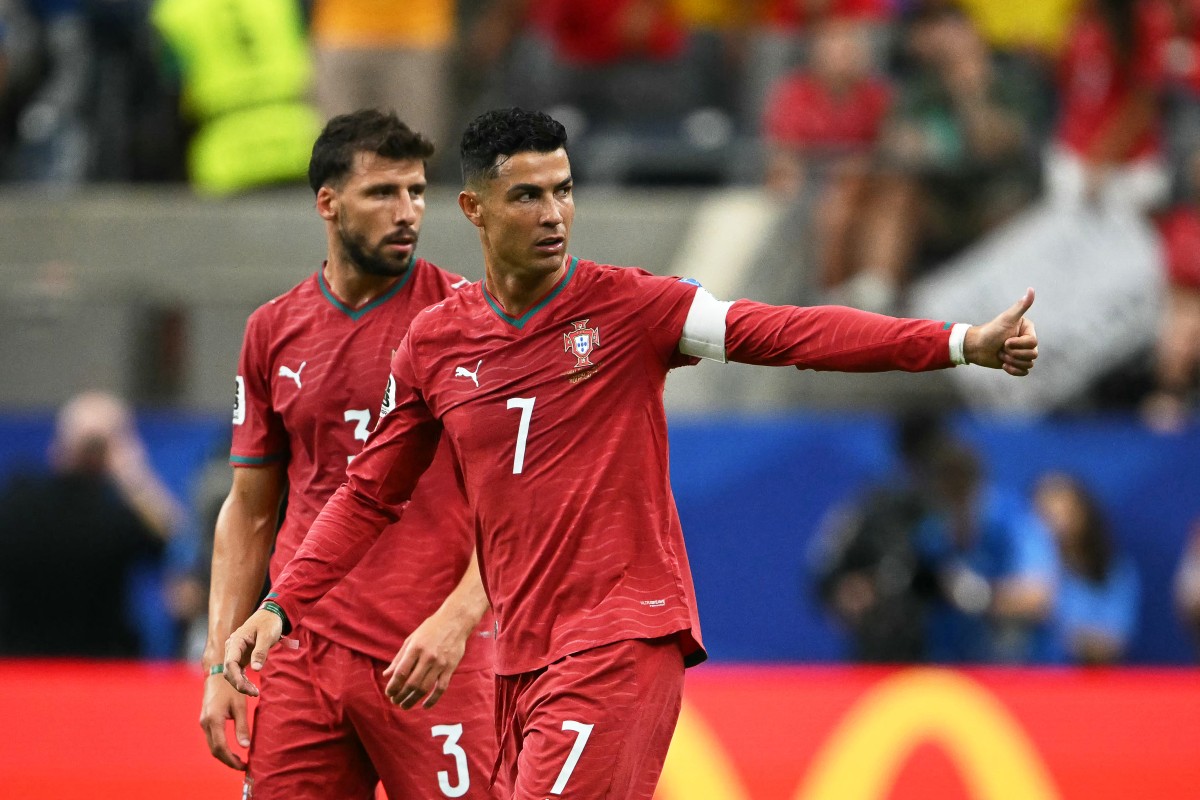
Cristiano Ronaldo made football history on Tuesday by becoming the first player ever to score in six different editions of the FIFA World Cup.
The Portuguese forward opened the scoring in Portugal’s Group K match against Uzbekistan in Houston. Just six minutes into the game, Ronaldo found the back of the net with a right-footed strike from inside the box, sending the Portuguese fans into celebration.
The “Commander” sparked excitement throughout the stadium with his iconic celebration, as supporters joined in with his famous “Siuuu!” chant to honor another milestone in the career of one of football’s greatest stars.
At 41 years old, Ronaldo has now scored in Germany 2006, South Africa 2010, Brazil 2014, Russia 2018, Qatar 2022, and North America 2026. With his two goals in this tournament, he has surpassed Lionel Messi’s record, as the Argentine has scored in every World Cup he played except South Africa 2010.
The Portuguese captain has also reached nine World Cup goals, matching Eusébio as Portugal’s all-time top scorer in the history of the tournament.
Ronaldo’s achievement came just one day after Messi also made history by becoming the outright leading scorer in World Cup history, reaching 18 goals after scoring twice in Argentina’s 2-0 victory over Austria.
With his appearance at the 2026 World Cup, Cristiano Ronaldo has also extended another remarkable record by becoming the first player to participate in six consecutive editions of the tournament, further cementing his legacy as one of the most influential players in football history.


France edge Paraguay 1–0 as Mbappé penalty sends Les Bleus into World Cup quarterfinals

WHO warns of increased disease outbreak risk in Venezuela amid low vaccination coverage

María Corina Machado’s attempted return to Venezuela reportedly halted amid US political concerns
Tec de Monterrey honors one of its students for his contribution to nanotechnology in medicine

Defense Minister commends salvadoran soldier for Central American Cross Country victory

Extension of the state of emergency approved in southern Chile
-
 International4 days ago
Salvadoran National Arrested in New Jersey with Over 70 Machine Gun Conversion Devices
-
 International2 days ago
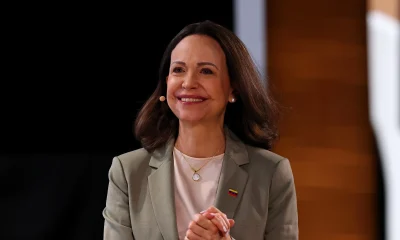
María Corina Machado’s attempted return to Venezuela reportedly halted amid US political concerns
-
 International3 days ago
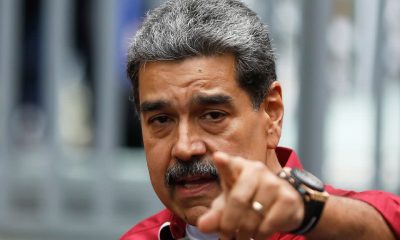
Families Sue Nicolás Maduro in U.S. Over Alleged Extrajudicial Killings
-
 International3 days ago
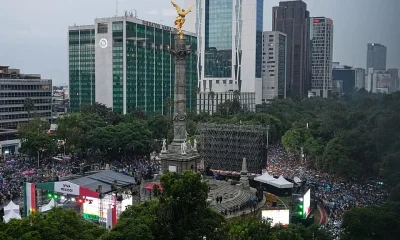
Three Die During World Cup Celebrations in Mexico City After Mexico’s Victory
-
 International2 days ago
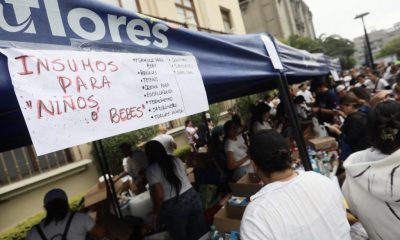
Peru Expands Emergency Measures Ahead of Heavy El Niño Rains
-

 International2 days ago
Rush for Air Conditioners Sparks Tensions at French Supermarkets Ahead of New Heatwave
-
 International2 days ago
WHO warns of increased disease outbreak risk in Venezuela amid low vaccination coverage
-
 Sports7 hours ago
France edge Paraguay 1–0 as Mbappé penalty sends Les Bleus into World Cup quarterfinals