
International
The Israeli Army withdraws all its troops from the south of the Gaza Strip
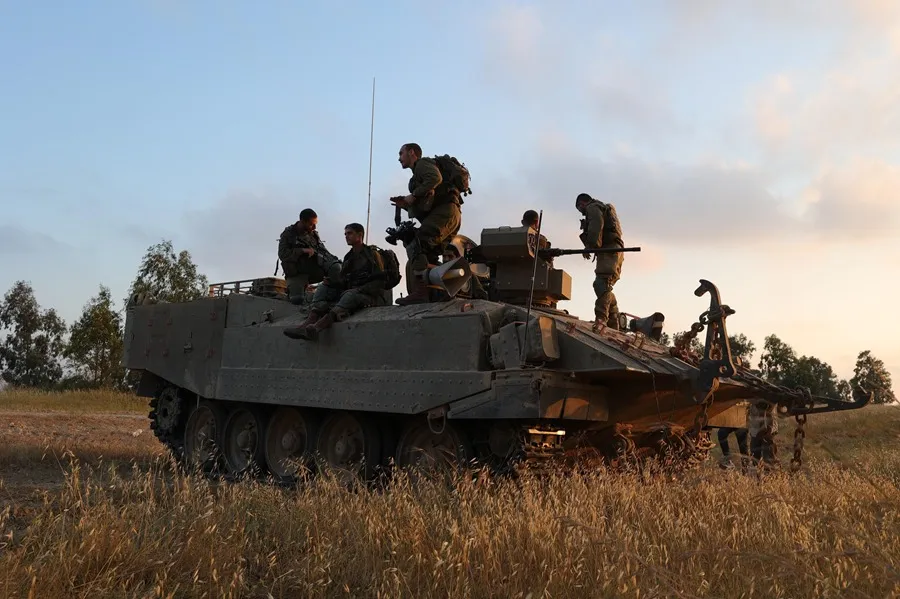
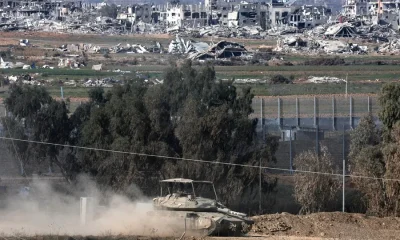
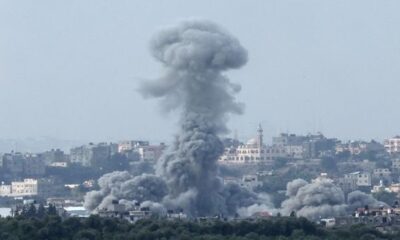
The Israeli Army withdrew all its ground troops from the south of the Gaza Strip last night, and there is only one brigade left in the enclave, a military source confirmed to EFE on Sunday.
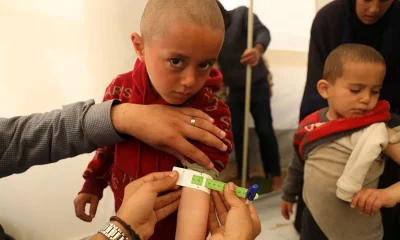
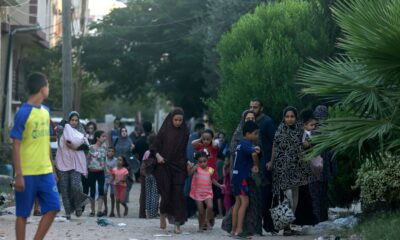
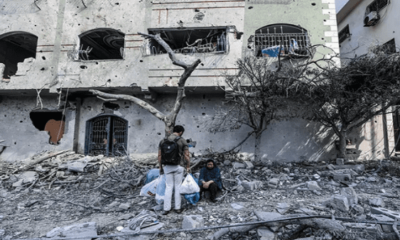
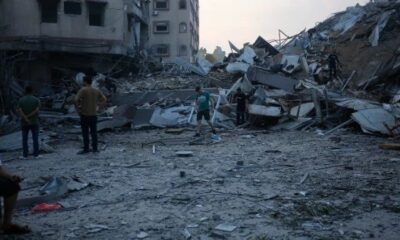
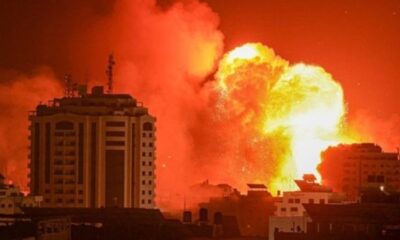
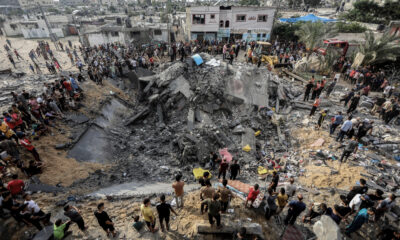
The withdrawal comes after four months of fighting in the Jan Yunis area and six months after the beginning of the war between Israel and Hamas in Gaza, where more than 33,100 Palestinians have already died, most of them women and children.
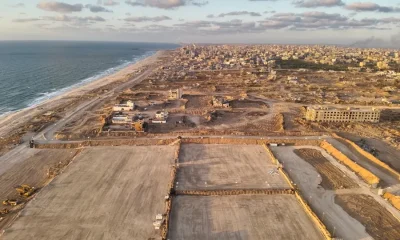
Currently there is only one Israeli brigade left in the Palestinian enclave that is responsible for securing a corridor between the south of Israel and the Gaza coast, blocking the passage to the north of the Strip and facilitating operations in the center and north of the territory.
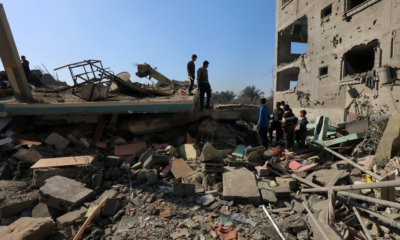
The two main hospitals of this southern city, Al Amal and Naser, have been devastated and inoperative after the siege of the Hebrew troops during these months under the thesis that there was the presence of alleged fighters in these complexes.
“Dozens of suspects have been delivered to Shin Bet and Unit 504 of the Directorate of Military Intelligence to be further interrogated,” the Army said in a statement on April 2.











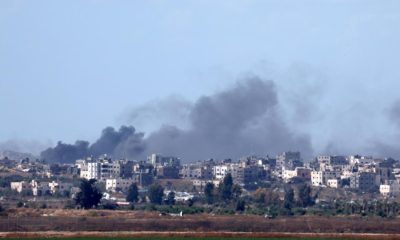
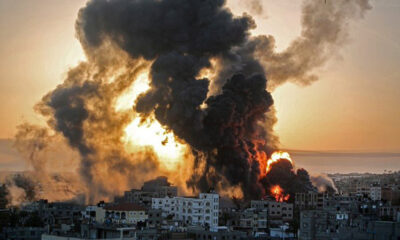
Likewise, the Israeli Army reported on Sunday that, before its withdrawal, its combat units have carried out the last operations in the Al Amal neighborhood to finish “dismantling the terrorist infrastructure.”
In a message in X, former Israeli Minister of Justice Gideon Sa’ar criticized the withdrawal of troops, assuring that “the continuous decrease in the size of the Israeli forces” in Gaza “has distanced us from achieving the objectives of the war.”
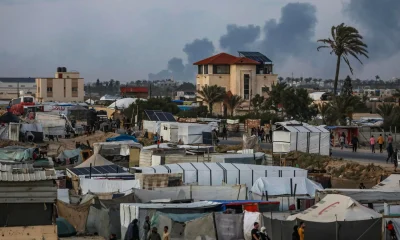
Israel’s next target in Gaza seems to be the already announced military incursion into Rafah, in the south of the enclave, where 1.4 million displaced people live and there are still, according to the Army, four battalions from Hamas; an incursion opposed by the United States, Israel’s main military ally.
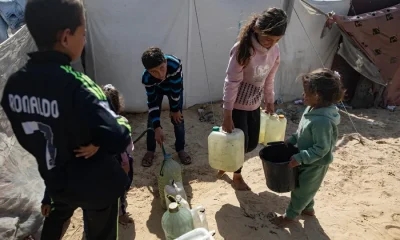
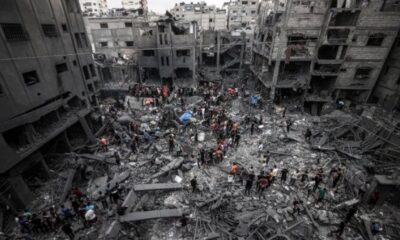
The official death toll in the Gaza Strip reached 33,175 this Sunday, six months after the start of the devastating Israeli war offensive.
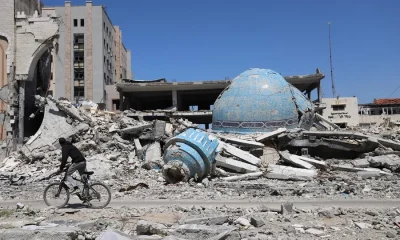
More than 14,000 of those deaths, or 42%, are children, while 9,220 would be women, according to the same source. The total number of injured is 75,886, to which must be added about 7,000 bodies that are estimated to remain under tons of debris.
“The Israeli occupation committed 4 massacres against families in the Gaza Strip, causing 38 deaths and 71 injuries in hospitals during the last 24 hours,” the Gazazi Ministry of Health said today in a statement.
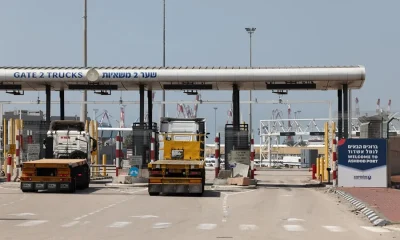
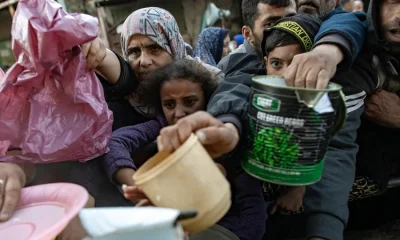
Egypt decided to increase the number of trucks with food, medical aid and emergency supplies for the Gaza Strip to at least 300 trucks per day as of this Sunday, the head of the Egyptian State Information Service, Diaa Rashwan, reported in a statement.
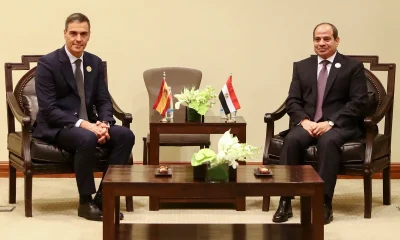
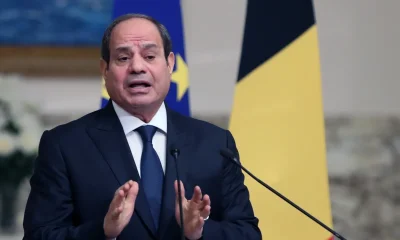
This decision, values the note. part of “the directives of President Abdelfatah al Sisi” to increase the humanitarian aid that enters the Palestinian enclave from the Egyptian side of the Rafah border crossing, the only one that does not control Israel, despite the fact that it inspects each cargo that enters from it.
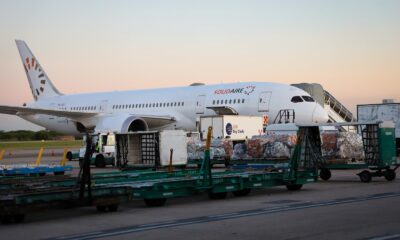
In fact, Egypt denounced on numerous occasions the delays and traffic jams of trucks in northern Sinai due to Israeli inspections and rejections of certain products, which has forced the Arab country to launch aid by air to appease the humanitarian crisis resulting from the conflict.
According to the latest report of the United Nations Agency for Palestinian Refugees (UNRWA), “since the beginning of April, an average daily of 169 aid trucks have entered Gaza through the land crossings of Kerem Shalom and Rafah. This figure is still well below the operational capacity of both crossings and the target of 500 trucks per day.”
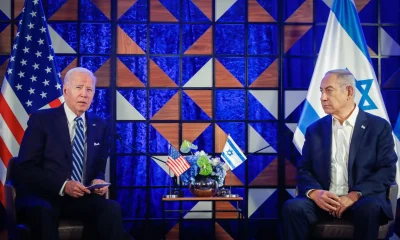
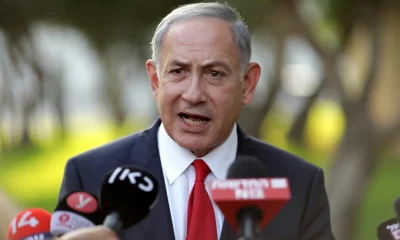
Israeli Prime Minister Benjamin Netanyahu reiterated this Sunday, when it is six months of war in the Gaza Strip, that there will be no truce agreement if the 133 hostages still in the hands of Hamas do not return home, adding that Israel will not give in to the “extreme demands” of the Islamists.
“I made (something) clear to the international community: there will be no ceasefire without the return of the kidnapped. It just won’t happen,” Netanyahu said today in a speech before meeting with his cabinet, and recalled that the Administration of U.S. President Joe Biden shares his same opinion.
He added that Israel does not oppose a truce agreement and blamed Hamas for “extreme demands” whose objective is to end the war “to guarantee its survival, its rehabilitation, (and) its ability to endanger” Israeli citizens and soldiers again.
This same night a massive anti-government demonstration has been called in Jerusalem, in which not only activists but also some of the relatives of the captives will participate, who blame Netanyahu for being more concerned about his political survival than about returning his family home.
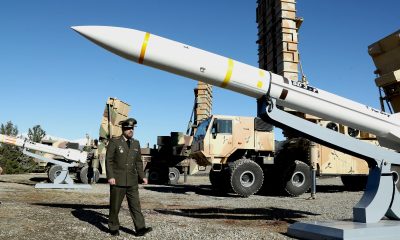
The Israeli Minister of Defense, Yoav Gallant, assured on Sunday that Israel has completed preparations to face “any scenario” against Iran, which has been threatening for days to retaliate for an alleged Israeli attack on the Iranian embassy in Damascus (Syria).
Gallant made these statements after the meeting held today with the head of the Israeli Army Operations Directorate, Oded Basiuk, and the head of the Military Intelligence Directorate, Aharon Haliva, according to a statement from the authorities.
Israel is on alert after the attack that took place last Monday, April 1, against the Iranian embassy in Damascus, the capital of Syria, in which at least 19 people died, including the highest-ranking commander of the Iranian Revolutionary Guard, Mohamed Reza Zahedi.
Iran insisted, after celebrating Zahedi’s funeral yesterday, that this attack will not be “unpunished” and that there will be a response against Israel, whom he accuses of being behind him.
The Israeli press maintains that the Iranian authorities would be planning an attack with drones and cruise missiles against the Jewish State, but also against US targets in the region. Iran considers the White House to be “accomplice” of the attack.
The fear that this attack will reach Israeli territory begins to permeate its citizens, who in recent days have made food.
The concern of the international community that the conflict in Gaza, which is now six months old, goes beyond its borders has been constant during this time, due to the clashes that have taken place between Israel and some Arab countries, which their relationship is more tense than ever in recent decades.
The Lebanese Shiite group Hizbulá announced on Sunday that it has launched a flay of rockets against military bases on Israeli territory in response to an attack by the Jewish State against northeastern Lebanon.
“In response to the enemy’s attacks in the Bekaa region (northeast), the fighters of the Islamic Resistance targeted at 11.10 (local time, 8.10 GMT)” two military bases, one that of Yoav, and another identified as “Kila”, in the Golan Heights occupied by Israel, “with dozens of ‘Katyusha’ type rockets,” the movement said in a brief statement.
The Israeli Army announced that it attacked this morning Hizbulah’s anti-aircraft defense infrastructure in the Baalbek area, northeastern Lebanon, “in response” to a shooting down of an Israeli drone claimed by the Lebanese group after infiltrating its territory, something that happens on a daily basis.
Hizbulah, a close Iranian ally, and the Jewish State have been in intense border clashes since October 8, a day after the outsh of the Gaza War.
























































International
Portuguese Authorities Seize 2.6 Tons of Cocaine Worth More Than $550 Million in Drug Bust
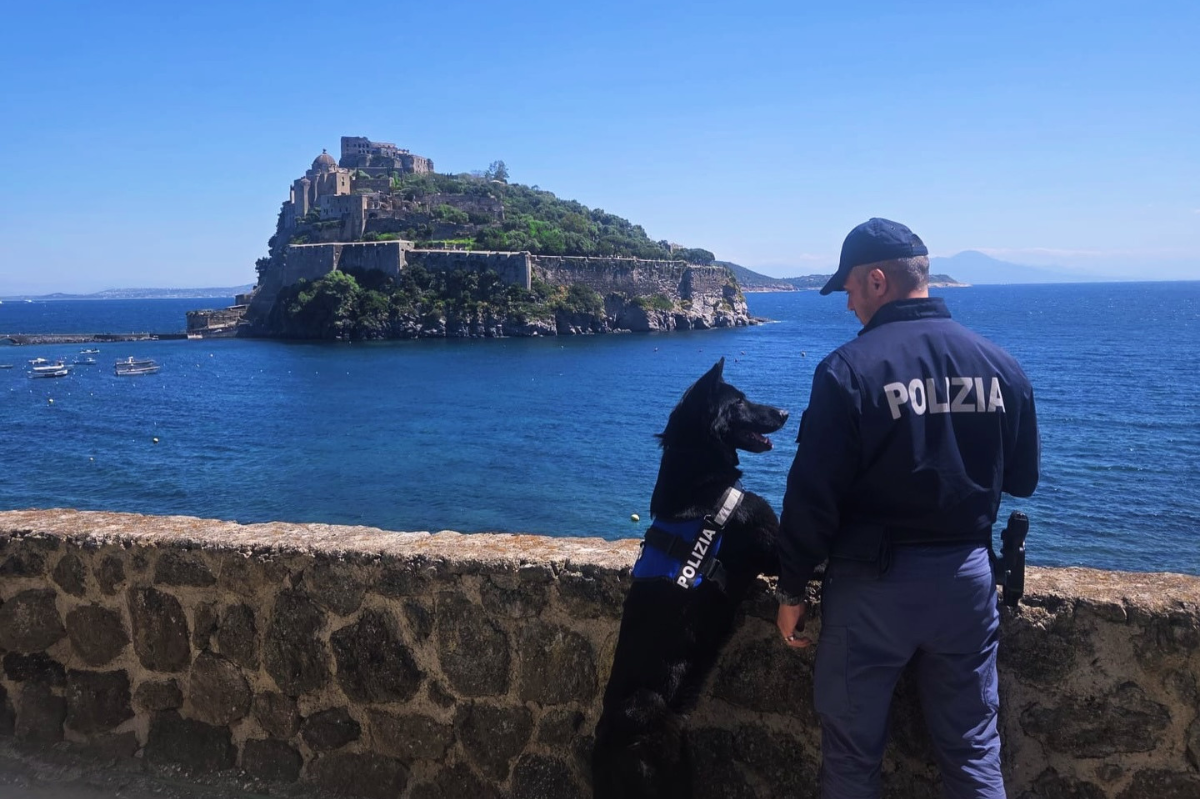
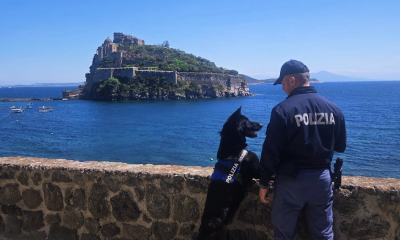
Italian financial police reported Monday that Portuguese authorities intercepted a speedboat carrying more than 2.6 tons of cocaine, with an estimated street value exceeding $550 million.
Four people — two Spanish nationals, one Albanian citizen, and a man from Gibraltar — were arrested in connection with the operation, according to Italian authorities.
The vessel was intercepted off the coast of Lisbon by Portugal’s maritime police following an investigation led by Italian authorities.
Italian financial police estimated that the seized shipment had a street value of approximately 500 million euros ($570 million), making it one of the largest drug seizures reported in the region in recent years.
Portuguese authorities said the interception took place on Thursday, about 90 kilometers (50 nautical miles) southwest of Cape Espichel, during an operation targeting international drug trafficking routes.
International
U.S. and Iran Maintain Ceasefire as Trump Expresses Optimism Over New Talks
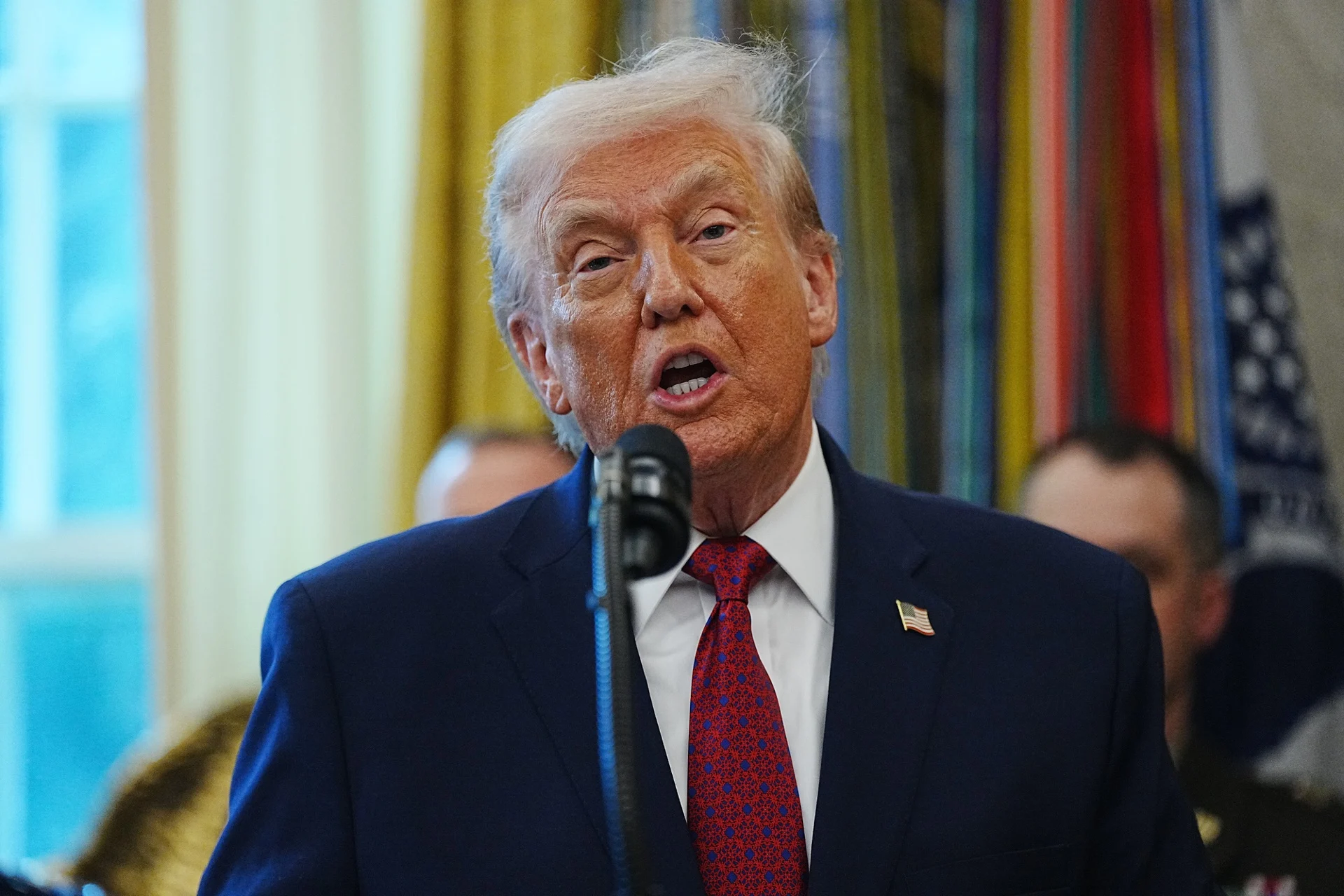
U.S. President Donald Trump said Monday that there are “good chances” of reaching an agreement with Iran, as both sides maintained a ceasefire for the third consecutive day following weeks of escalating hostilities.
Trump expressed optimism about the possibility of resuming diplomatic negotiations aimed at ending the conflict, which began in late February and has raised international concerns over its impact on global markets and energy supplies.
The fighting has remained suspended since Saturday, after the United States resumed airstrikes against Iran amid a dispute over control of the Strait of Hormuz, a key route for global oil shipments. The renewed military action had previously caused the collapse of an earlier ceasefire agreement.
Asked about the prospects for negotiations aboard Air Force One, Trump said: “I have a lot of patience… We’ll see what happens. I think there are good chances that something could happen.”
The U.S. president also highlighted Washington’s military capabilities, saying: “We have a lot of ammunition,” while adding that he would like to have more resources due to U.S. support for Ukraine.
U.S. Ambassador to the United Nations Mike Waltz said Trump was allowing diplomatic efforts more time, explaining that the president was “giving some space to the talks” while maintaining that Washington remains prepared to take action if necessary.
Meanwhile, tensions continue in other areas of the Middle East. Saudi Arabia reported that it intercepted drones launched from Iraq by groups allied with Tehran and urged the Iraqi government to take measures to prevent further attacks.
International
Police Investigate After Remains of Five Newborns Found in French Apartment

French authorities have opened a murder investigation after the discovery of human remains believed to belong to five newborn babies inside an apartment in the historic center of a city, the local prosecutor’s office reported Monday night.
According to prosecutors, a 32-year-old woman had given birth at home on Sunday to a healthy baby before being taken to a hospital for medical care.
The discovery was made after the woman’s 32-year-old partner began searching the residence after reportedly learning, once again and at a late stage, that she had been pregnant.
During the search, the man found what appeared to be human remains and informed the hospital, which then alerted prosecutors.
A forensic doctor determined that the remains likely belonged to five newborn infants. Authorities have not yet established the circumstances or motive behind the case.
Investigators have not been able to interview the mother, who remains hospitalized following the delivery.
Prosecutors also confirmed that the couple has two other children, aged eight and nine years old. The investigation remains ongoing as authorities work to clarify the events surrounding the discovery.


Portuguese Authorities Seize 2.6 Tons of Cocaine Worth More Than $550 Million in Drug Bust

U.S. and Iran Maintain Ceasefire as Trump Expresses Optimism Over New Talks

Police Investigate After Remains of Five Newborns Found in French Apartment
Tec de Monterrey honors one of its students for his contribution to nanotechnology in medicine

Defense Minister commends salvadoran soldier for Central American Cross Country victory

Extension of the state of emergency approved in southern Chile
-
 International4 days ago
Wildfires in France Burn Nearly Three Times More Land Than in 2025, Interior Minister Says
-
 International10 hours ago
U.S. and Iran Maintain Ceasefire as Trump Expresses Optimism Over New Talks
-
 International10 hours ago
Police Investigate After Remains of Five Newborns Found in French Apartment
-

 International4 days ago
Israel Says Saudi Recognition Would Mark ‘Historic Breakthrough’ for Middle East Peace
-
 International10 hours ago
Portuguese Authorities Seize 2.6 Tons of Cocaine Worth More Than $550 Million in Drug Bust
-

 International1 day ago
Costa Rica Seeks to Expand Extradition Law to Target Organized Crime
-

 International1 day ago
China Accuses U.S. AI Firms of Using Chinese Models to Train Artificial Intelligence
-

 Central America2 days ago
EU Urges Nicaragua to Hold Free and Transparent Elections Amid Proposed Electoral Reforms
-

 International1 day ago
Three Killed, Four Injured in Shooting Near Seattle’s Space Needle