
International
Negotiations for the truce in Gaza will resume in Doha
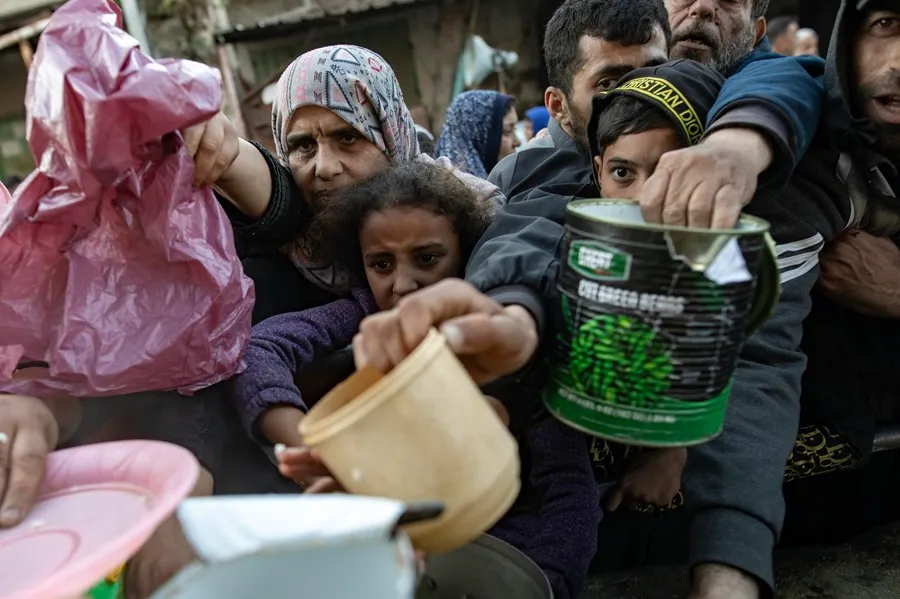
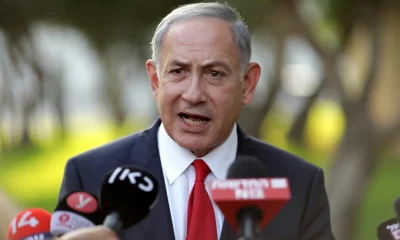
Negotiations for the truce in Gaza are scheduled to resume tomorrow, Sunday, in Doha and there will be an Israeli delegation to respond to Hamas’ updated proposal, Egyptian intelligence sources told EFE today.
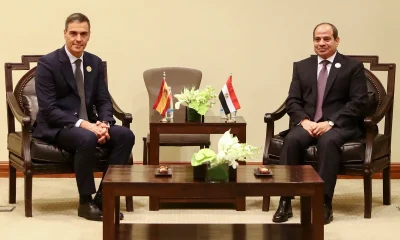
The source, who asked for anonymity due to the sensitivity of this issue, assured that the new round of talks will take place in Doha and not in Cairo, home of the last consultations, and in them there will be Egyptian, Qatari leaders and a delegation of the Israeli Mossad, without the participation of the Islamist group Hamas.
So far, the Qatari government has not officially confirmed that talks will resume tomorrow in its country.
The Egyptian source close to the negotiations assured that the meeting in Doha will discuss the points of disagreement between the Palestinian and Israeli parties, but it will not be to discuss all the points included in the agreement, since some have been agreed in principle.
He stressed, always according to this source, that the Israeli objections are mainly based on his desire for Hamas to reveal the names of the hostages and the figures of the dead captives.











On the other hand, a Palestinian source in Cairo also aware of the talks pointed out to EFE that the updated draft of Hamas contemplates three phases, instead of two as pointed out the day before.
The first phase provides for an exchange in different stages and a temporary ceasefire that lasts 42 days that later, in the second phase, will become a permanent ceasefire.
In the first phase, the movement conditioned the withdrawal of Israeli forces from Al Rashid Street and from Salah al Din to allow the return of the displaced and the passage of aid to the north of the Gaza Strip, as well as guarantee freedom of movement.
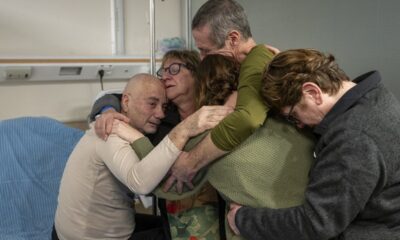
Hamas also offered, according to this source since the Palestinian group has not officially confirmed this information, to release 50 Palestinian prisoners for each living Israeli female soldier, although the informant did not offer more details of the rest of the hostages.
With the start of the second phase, Hamas demands a permanent ceasefire before any exchange of soldiers.
Finally, in the third phase, the proposal includes the implementation of a comprehensive reconstruction of the Gaza Strip and the end of the siege.
The mediators will try to press for both parties to reach a ceasefire, which was expected to be achieved before the Muslim holy month of Ramadan, which began on March 11.
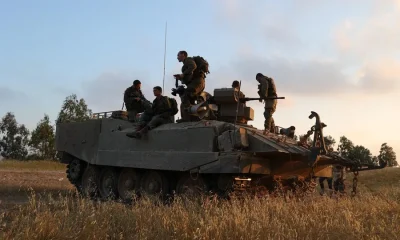
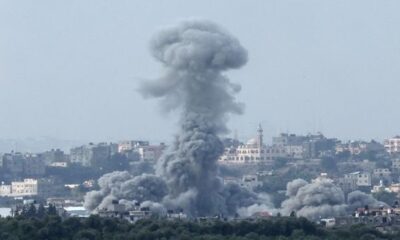
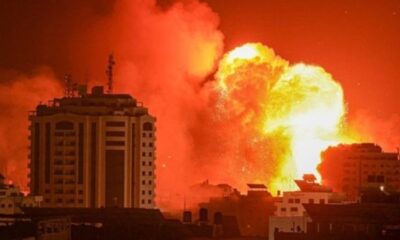
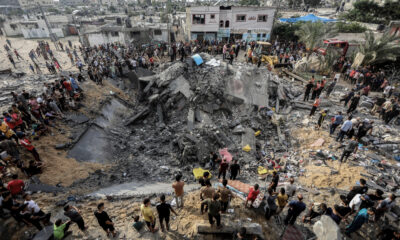
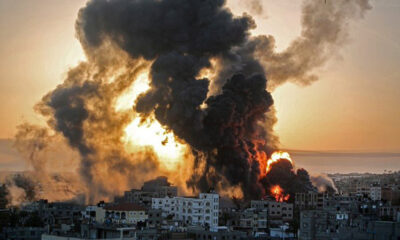
At least 80 civilians, mostly women and children, were killed by Israeli airstrikes in the last hours in Gaza, medical and local sources told the Palestinian agency Wafa, while the Israeli Army claimed to have killed about thirty Hamas militiamen in the strip.
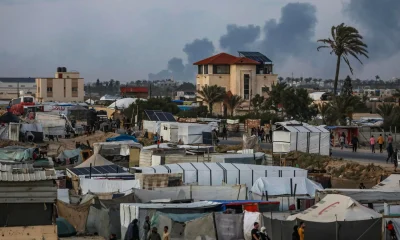
Waiting for the Gaza Ministry of Health to confirm the total number of fatalities this morning, about 36 people died last night in attacks on two houses in the Nuseirat camp, in the center of the Gaza Strip, sources on the ground told the Palestinian agency.
For its part, the army said it had killed 15 alleged militiamen in Nuseirat “hidden in a sie in Hamas” during an air attack, explains a military statement, which says that the attack was led by the 215º artillery regiment “based on intelligence information.”
The same regiment, the army says, conducted a second airstrike “killing a commander of a squadron of snipers from Hamas” and another militiaman.
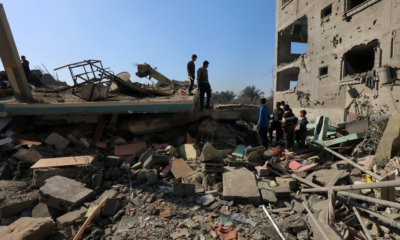
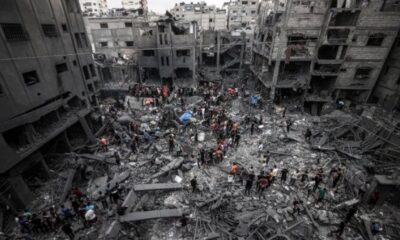
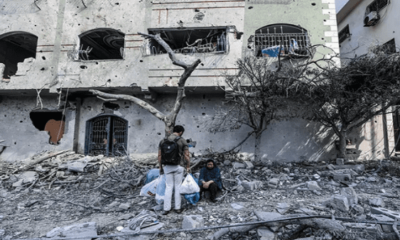
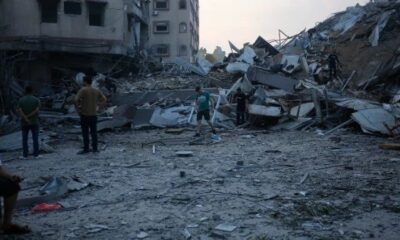
The rest of the civilian deaths, mostly women and children, perished in the bombing of a seven-storey residential building “that housed displaced people,” according to Wafa, near the Al Shifa hospital, in Gaza City, and in another air attack on a house on Al Jalaa Street in the same city.
In addition, five other civilians died and dozens more were injured in an airstrike against a house in the Al Tuffah neighborhood, and a similar bombing caused an undetermined number of deaths and injuries in the Al Nasr neighborhood, both in Gaza City.
In turn, Wafa reported “intense air strikes” on the city of Beit Hanoun, in the north of the Strip, with bombings that also took place against an inhabited house in Rafah, south of the enclave and where more than 1.4 million displaced people take refuge.
In the center of Gaza, Israeli soldiers of the Nahal Brigade, according to the statement, killed “about 10 armed men” on the last day; and in Jan Yunis fighter planes destroyed “a weapons depot” and attacked alleged militiamen.
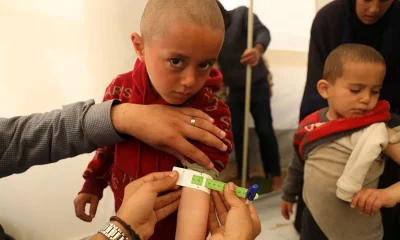
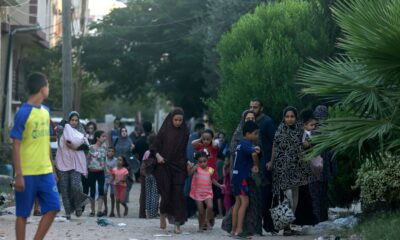
After more than five months of war, 85% of the Gaza population has been displaced, and 60% of the infrastructure of the Strip, according to UN estimates, is damaged or destroyed, with malnourished babies and little medical assistance due to Israeli attacks.
A Palestinian armed with a rifle was killed this Saturday by Israeli soldiers shot in a cemetery near a Jewish settlement, within the occupied Palestinian city of Hebron, according to a military statement and a video of the event.
An attacker “opened fire on a Jewish community (colony) in the city of Hebron. The terrorist has been neutralized,” said the army, which reported that soldiers comb the area in search of other possible suspects.
The total number of fatalities increased in recent hours to 31,553 and 73,546 injured since the start of the war in the Gaza Strip on October 7, reported the Ministry of Health controlled by Hamas, after a day of intense attacks in the central area of the enclave.
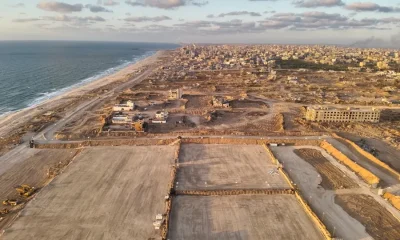
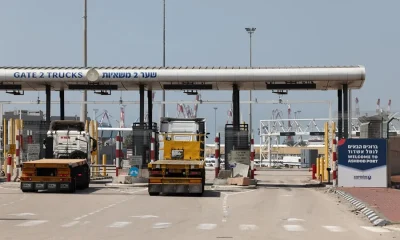
The Egyptian Foreign Ministry insisted on Saturday that Israel must open all the remaining steps that are not yet operational to introduce aid to the Gaza Strip and prevent the humanitarian situation from worsening.
“Egypt continues to do everything possible to improve the access of urgent aid to Gaza through the Rafah border crossing and through aerial launches,” Foreign Affairs spokesman Ahmed Abu Zeid said in a statement.
And he asked Israel to “remove the obstacles and restrictions it imposes on the entry of aid through land border crossings, and to put the remaining steps into operation so that more aid is entered and thus prevent the humanitarian situation in Gaza from worsening.”


















































International
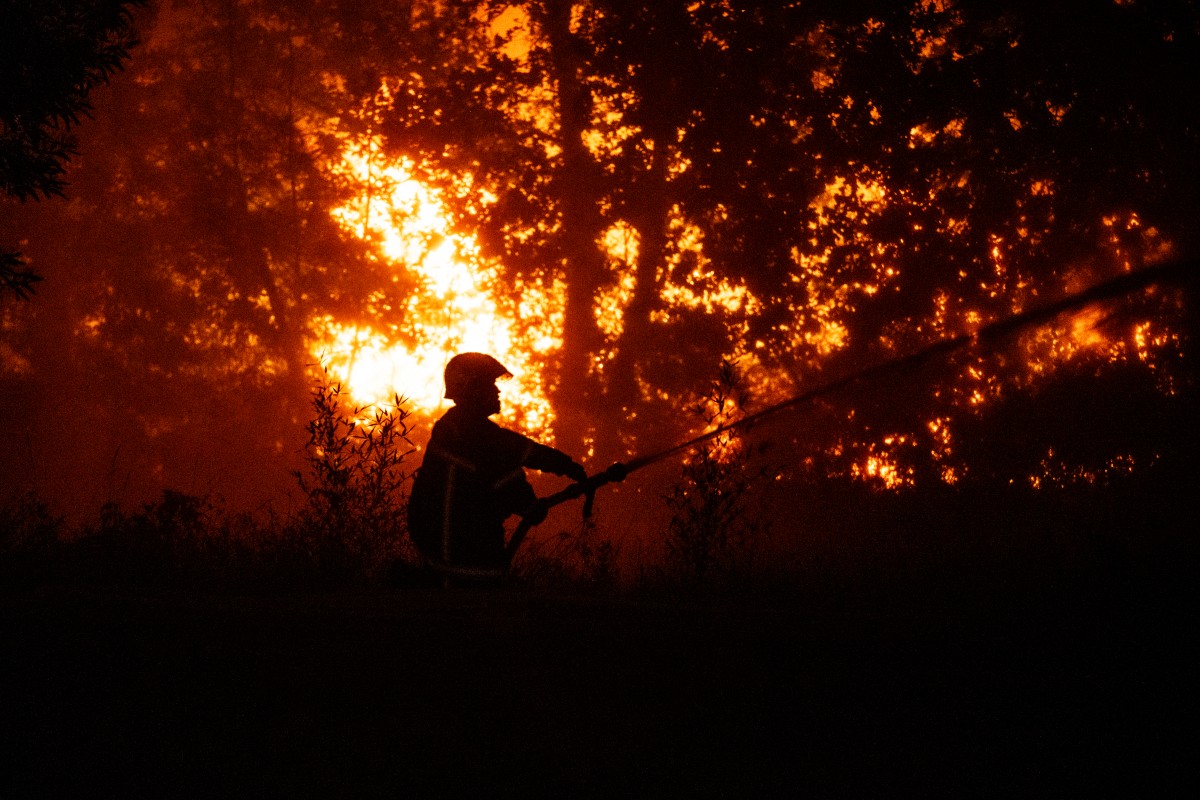
Wildfires in France Burn Nearly Three Times More Land Than in 2025, Interior Minister Says
International
Israel Says Saudi Recognition Would Mark ‘Historic Breakthrough’ for Middle East Peace
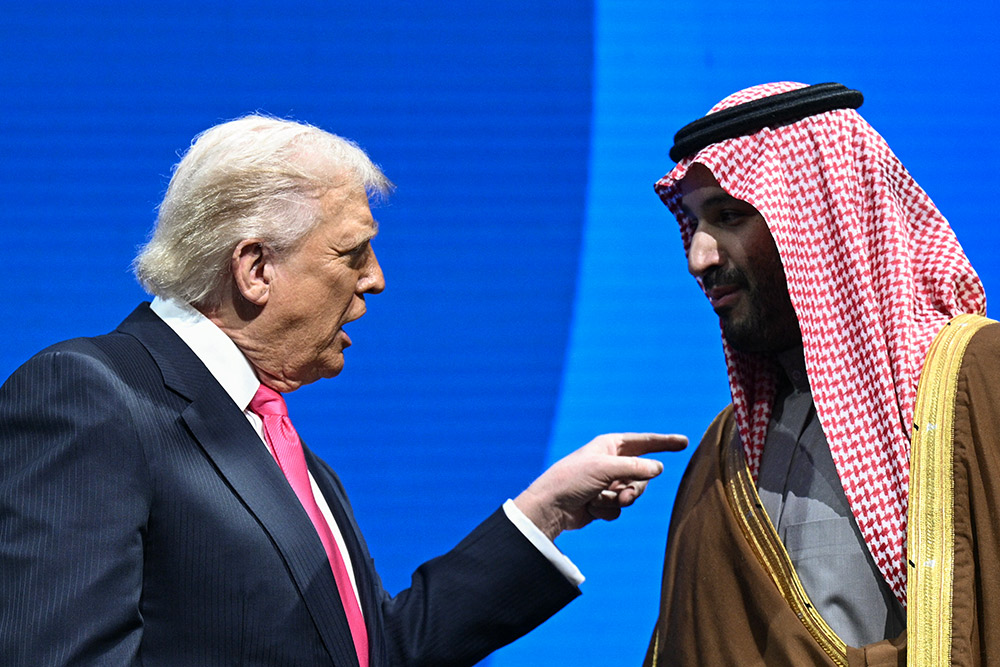
The office of Israeli Prime Minister Benjamin Netanyahu said Thursday that Saudi Arabia’s recognition of Israel would represent a “historic breakthrough” toward achieving peace in the Middle East.
The statement came after the United States and Saudi Arabia announced an agreement on Wednesday to establish a civil nuclear program in the kingdom. U.S. President Donald Trump said the initiative would be linked to Riyadh’s decision to normalize diplomatic relations with Israel.
“Saudi Arabia joining the Abraham Accords would represent a historic breakthrough toward peace in the Middle East,” Netanyahu’s office said following Trump’s announcement.
The statement added that recent developments, including joint military actions by the United States and Israel against Iran, as well as Israel’s efforts against what it described as Iran’s “terror axis,” have created new opportunities to expand regional diplomatic ties.
“The joint U.S.-Israeli military action against the genocidal regime in Tehran and Israel’s defeat of Iran’s terror axis have created the possibility of expanding the circle of peace,” the statement said.
A potential normalization agreement between Israel and Saudi Arabia would represent a major diplomatic shift in the region, as Riyadh has long been viewed as one of the key countries whose formal recognition could significantly reshape Middle Eastern relations.
International
Nicolás Maduro’s Son Calls U.S. Trial Against His Father and Cilia Flores “Unjust”
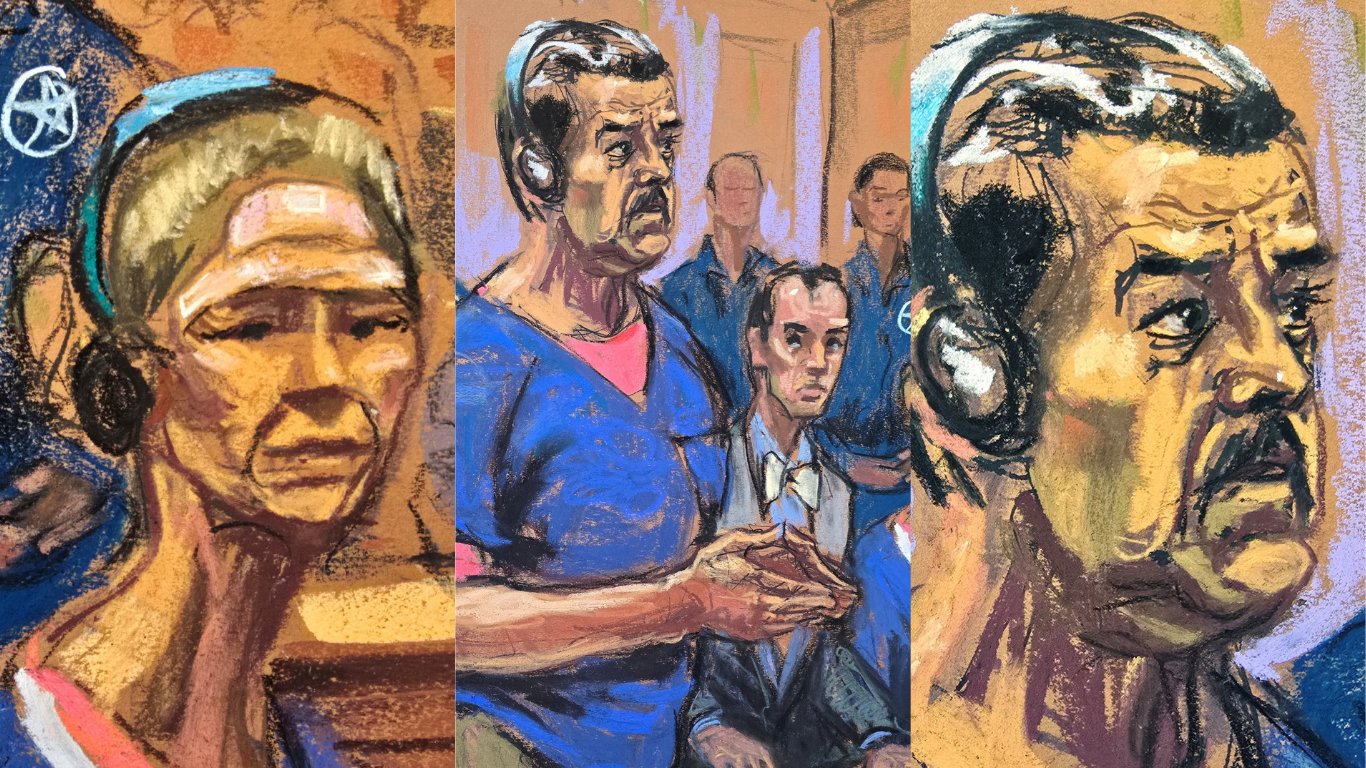
Venezuelan lawmaker Nicolás Maduro Guerra on Wednesday described as “unjust” the legal proceedings in the United States against his father, ousted Venezuelan President Nicolás Maduro, and his wife, Cilia Flores, following their capture in Caracas on January 3 by U.S. forces.
“Faced with the unjust trial taking place today, the people raised their voices with a single demand: We demand the immediate release of President Nicolás Maduro and the First Lady,” Maduro Guerra wrote on his Instagram account.
The lawmaker attended a rally in Caracas where supporters of the ruling United Socialist Party of Venezuela (PSUV)gathered to show support for the former president, who faces charges in the United States including conspiracy to commit narco-terrorism and cocaine importation. Flores is accused of crimes related to drug trafficking and weapons possession.
The event was also attended by PSUV Vice President for Mobilizations and Events Nahum Fernández and Caracas Mayor Carmen Meléndez, according to photos shared by Maduro’s son.
The third hearing in the case against Maduro and Flores concluded Wednesday at a federal court in New York after lasting only about 18 minutes. During the hearing, the judge preliminarily set June 2027 as the expected start date for the trial.
One of the main arguments from the defense will focus on immunity. Maduro’s lead attorney, Barry Pollack, who has also represented WikiLeaks founder Julian Assange, said the defense plans to request immunity for both defendants, arguing that Maduro was serving as head of state and Flores as first lady at the time of their detention.
Both Maduro and Flores pleaded not guilty during their first court appearance in New York on January 5.
Meanwhile, Venezuela’s interim president Delcy Rodríguez, who assumed power after Maduro’s capture, has not yet commented on Wednesday’s hearing in the United States.


EU Urges Nicaragua to Hold Free and Transparent Elections Amid Proposed Electoral Reforms

Wildfires in France Burn Nearly Three Times More Land Than in 2025, Interior Minister Says

Israel Says Saudi Recognition Would Mark ‘Historic Breakthrough’ for Middle East Peace
Tec de Monterrey honors one of its students for his contribution to nanotechnology in medicine

Defense Minister commends salvadoran soldier for Central American Cross Country victory

Extension of the state of emergency approved in southern Chile
-

 Central America4 days ago
CDC Issues Level 2 Travel Alert for Costa Rica Amid Chikungunya Outbreak
-
 International3 days ago
Wildfires in France Burn Nearly Three Times More Land Than in 2025, Interior Minister Says
-

 International5 days ago
Mexico Files 20 Complaints in U.S. Over Deaths of 17 Citizens During ICE Operations
-

 International5 days ago
Nicolás Maduro’s Son Calls U.S. Trial Against His Father and Cilia Flores “Unjust”
-
 Central America4 days ago
Honduras Warns of Possible New Dengue Epidemic as Cases Continue to Rise
-
 International3 days ago
Israel Says Saudi Recognition Would Mark ‘Historic Breakthrough’ for Middle East Peace
-
 Central America10 hours ago
EU Urges Nicaragua to Hold Free and Transparent Elections Amid Proposed Electoral Reforms