
International
The battle of the tribes of California for Biden to protect their ancestral lands
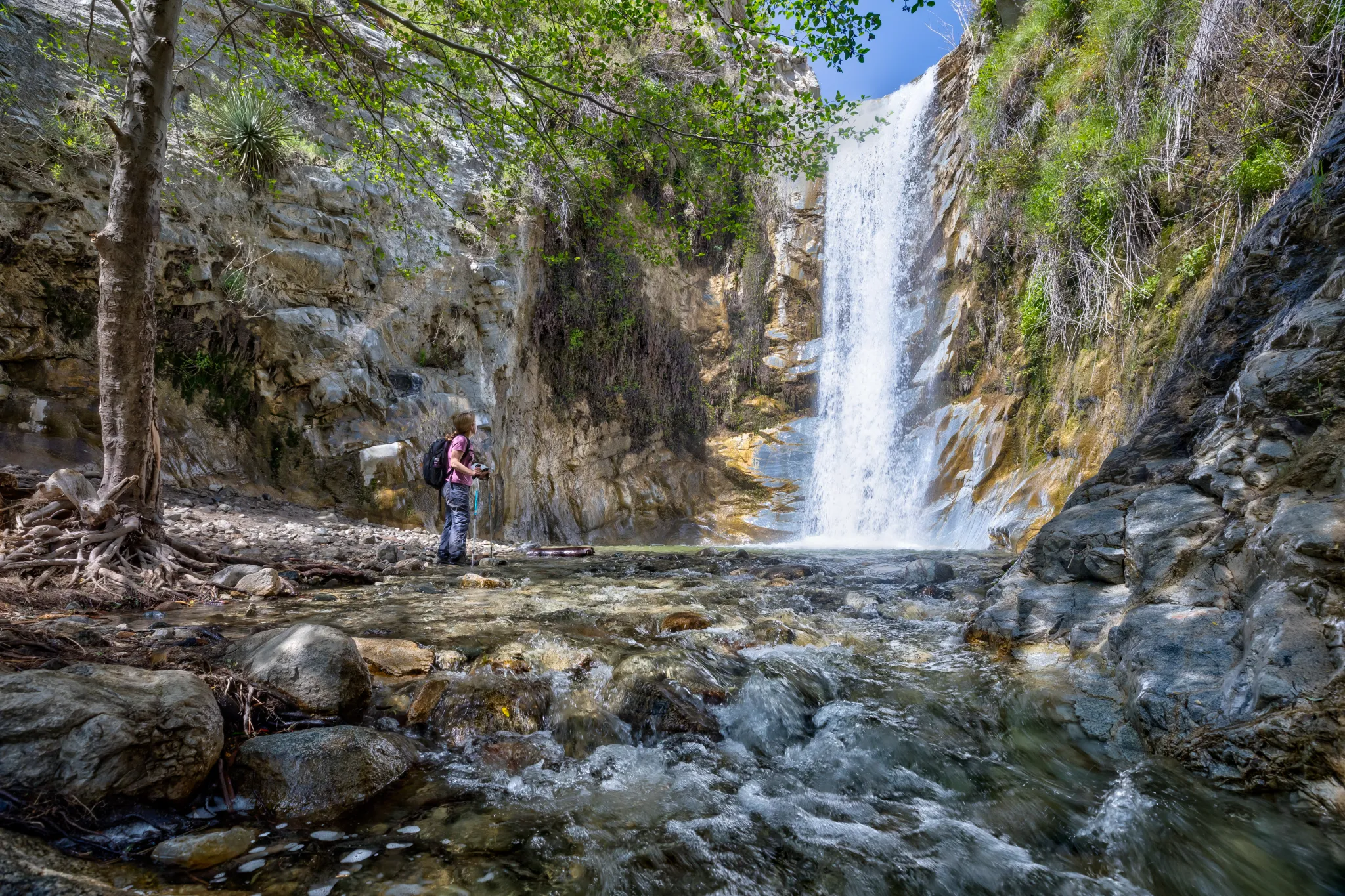
A coalition of Native American tribes from California is fighting an intense struggle for the president of the United States, Joe Biden, to protect their ancestral lands, a vast territory of 400,000 hectares that treasures not only rare species of flora and fauna, but also the legacy of peoples who have lived for centuries with that sacred nature.
This contest has been ongoing for years but it becomes more urgent in the face of the proximity of the November elections, in which Biden will again face the Republican Donald Trump, who during his term (2017-2021) approved oil projects that harmed the Native Americans.
The lands they are fighting for are “irreplaceable,” Thomas Tortez, president of the Torres Martínez desert indigenous people and who has asked Biden to declare about 267,000 hectares as a national monument in the Chuckwalla Valley, in Southern California, explained to EFE and expand the Joshua Tree National Park.
“When someone goes to a sanctuary and it catches fire or is knocked down, they can erect another temple in another place. But when the site that embodies our culture is intrinsically linked to a place and a specific land like the one we have here, there is no human way to replace it,” Tortez says vehemently.
Therefore, he urges Biden to protect the lands of his tribe using the 1906 Antiquities Act, which gives the president the ability to create national monuments on federal land without having to go through Congress.











The lands that Tortez defends are, in large part, desert. It might seem that they are sterile, devoid of life, but for Native Americans, this area contains a rich history, with plants that can be used for medicinal, food or spiritual purposes, and animals that have coexisted with the community for centuries.
Even the hills, with their tones ranging from magenta to lighter shades of red, are interpreted by Native Americans as a reminder of the stories of creation and the presence of divinity, says Tortez.
In addition to protecting these lands, the tribal coalition seeks Biden to expand and designate four other national monuments in California.
Among them, the effort of the tribes of the Tataviam Fernandeño and Gabrieleno missions to expand the national monument of the San Gabriel mountains, near Los Angeles, on about 44,100 hectares, stands out.
Within this territory are the remains of three indigenous peoples prior to the Spanish colonization and that are of great importance for the tribes, whose families go there to teach their origins to the new generations, the president of the Tataviam Fernandeño missions, Rudy Ortega Jr., explained to EFE.
Ortega Jr., whose father was also the leader of the tribe for five decades, believes that this effort to expand the national monument of the San Gabriel mountains is part of the struggle that his tribe has fought for centuries to protect its territory.
In its beginnings, its land covered more than 600,000 hectares, from the Antelope Valley to the Pacific Ocean. However, by 1900, it was reduced to zero, and since then they have had to fight to recover their lands.
Another objective of the coalition is to achieve the designation as a national monument of almost 81,000 hectares in the mountainous area of Lake Medicine, which would make it possible to safeguard the heritage of peoples with a long history in that area of northern California, such as the Pit River tribe.
The Quechan tribe of Fort Yuma also longs for the Kw’tsán mountains to be established as a national monument, and finally, the yocha dehe wintun nation wants the Berryessa Snow Mountain national monument to be expanded and Molok Luyuk to be permanently protected, which translates as “condor crest.”
These lands embody the soul of the tribes. As Anthony Roberts, leader of the yocha dehe wintun nation, told EFE, ensuring the protection of those territories is part of the “sacred responsibility” that those peoples have with nature, from which all forms of life emanate.
















































International
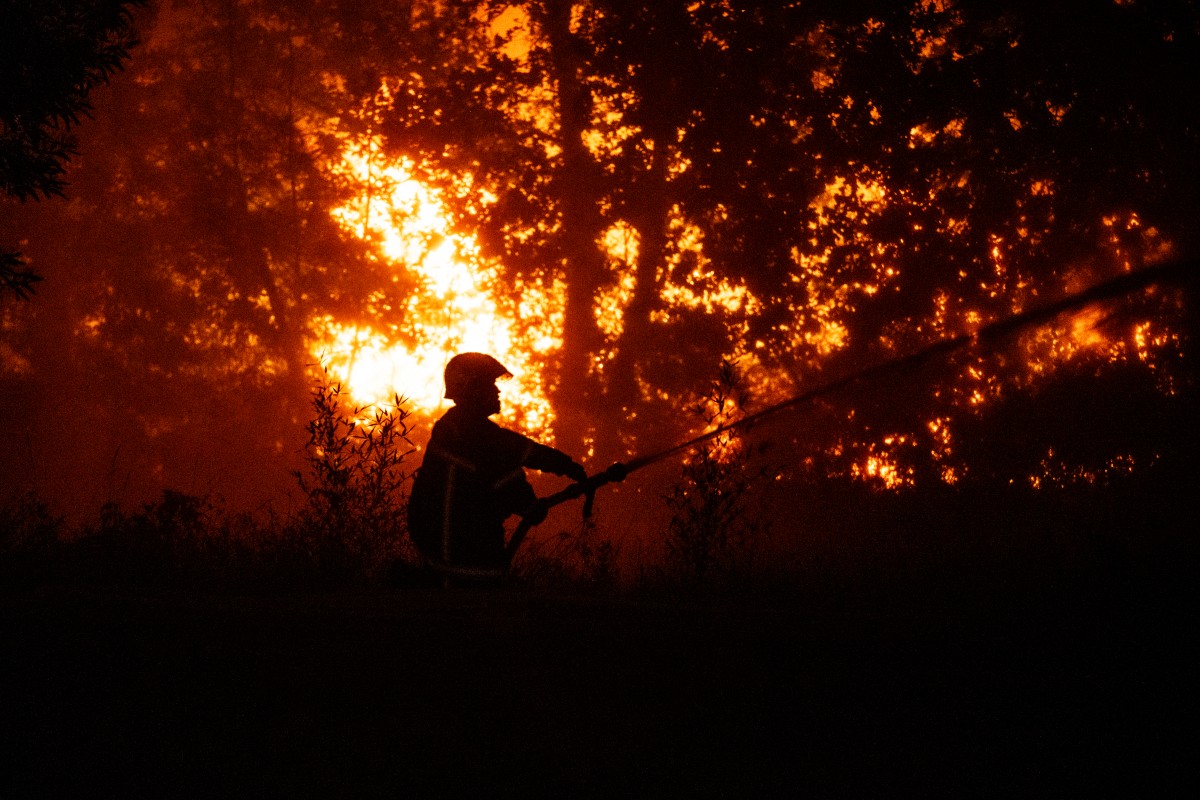
Wildfires in France Burn Nearly Three Times More Land Than in 2025, Interior Minister Says
International
Israel Says Saudi Recognition Would Mark ‘Historic Breakthrough’ for Middle East Peace
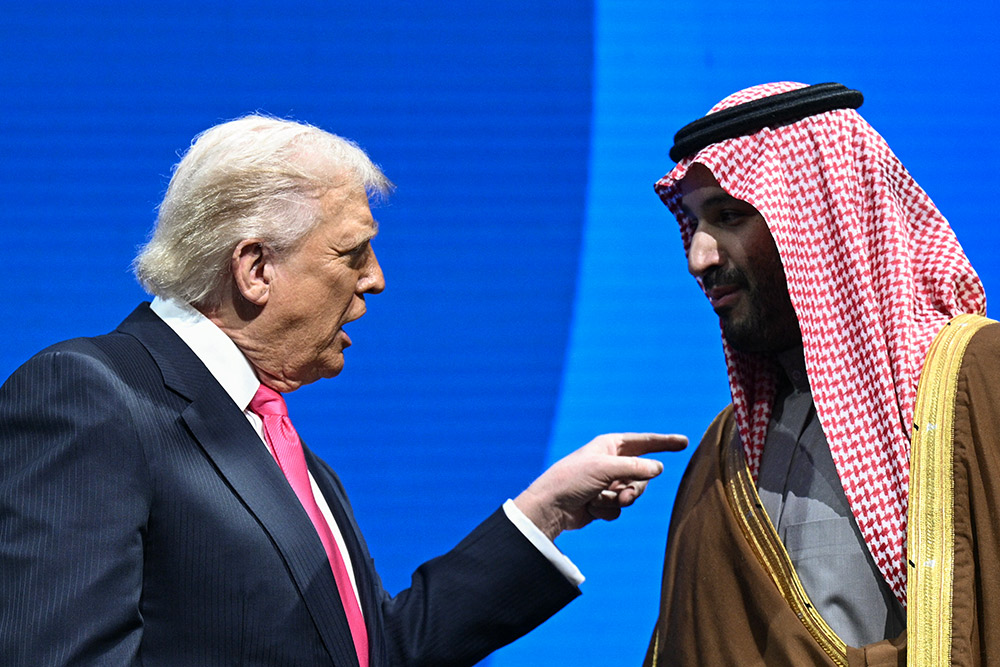
The office of Israeli Prime Minister Benjamin Netanyahu said Thursday that Saudi Arabia’s recognition of Israel would represent a “historic breakthrough” toward achieving peace in the Middle East.
The statement came after the United States and Saudi Arabia announced an agreement on Wednesday to establish a civil nuclear program in the kingdom. U.S. President Donald Trump said the initiative would be linked to Riyadh’s decision to normalize diplomatic relations with Israel.
“Saudi Arabia joining the Abraham Accords would represent a historic breakthrough toward peace in the Middle East,” Netanyahu’s office said following Trump’s announcement.
The statement added that recent developments, including joint military actions by the United States and Israel against Iran, as well as Israel’s efforts against what it described as Iran’s “terror axis,” have created new opportunities to expand regional diplomatic ties.
“The joint U.S.-Israeli military action against the genocidal regime in Tehran and Israel’s defeat of Iran’s terror axis have created the possibility of expanding the circle of peace,” the statement said.
A potential normalization agreement between Israel and Saudi Arabia would represent a major diplomatic shift in the region, as Riyadh has long been viewed as one of the key countries whose formal recognition could significantly reshape Middle Eastern relations.
International
Nicolás Maduro’s Son Calls U.S. Trial Against His Father and Cilia Flores “Unjust”
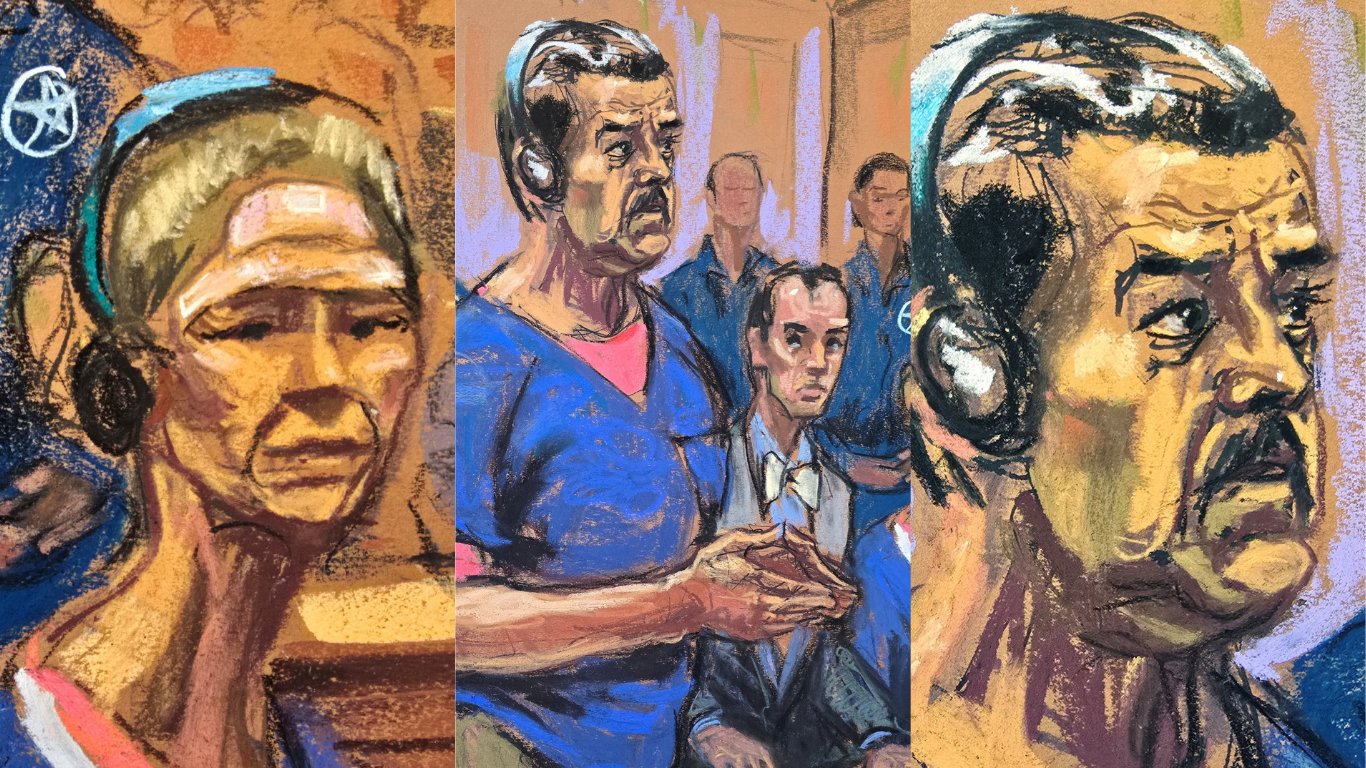
Venezuelan lawmaker Nicolás Maduro Guerra on Wednesday described as “unjust” the legal proceedings in the United States against his father, ousted Venezuelan President Nicolás Maduro, and his wife, Cilia Flores, following their capture in Caracas on January 3 by U.S. forces.
“Faced with the unjust trial taking place today, the people raised their voices with a single demand: We demand the immediate release of President Nicolás Maduro and the First Lady,” Maduro Guerra wrote on his Instagram account.
The lawmaker attended a rally in Caracas where supporters of the ruling United Socialist Party of Venezuela (PSUV)gathered to show support for the former president, who faces charges in the United States including conspiracy to commit narco-terrorism and cocaine importation. Flores is accused of crimes related to drug trafficking and weapons possession.
The event was also attended by PSUV Vice President for Mobilizations and Events Nahum Fernández and Caracas Mayor Carmen Meléndez, according to photos shared by Maduro’s son.
The third hearing in the case against Maduro and Flores concluded Wednesday at a federal court in New York after lasting only about 18 minutes. During the hearing, the judge preliminarily set June 2027 as the expected start date for the trial.
One of the main arguments from the defense will focus on immunity. Maduro’s lead attorney, Barry Pollack, who has also represented WikiLeaks founder Julian Assange, said the defense plans to request immunity for both defendants, arguing that Maduro was serving as head of state and Flores as first lady at the time of their detention.
Both Maduro and Flores pleaded not guilty during their first court appearance in New York on January 5.
Meanwhile, Venezuela’s interim president Delcy Rodríguez, who assumed power after Maduro’s capture, has not yet commented on Wednesday’s hearing in the United States.


EU Urges Nicaragua to Hold Free and Transparent Elections Amid Proposed Electoral Reforms

Wildfires in France Burn Nearly Three Times More Land Than in 2025, Interior Minister Says

Israel Says Saudi Recognition Would Mark ‘Historic Breakthrough’ for Middle East Peace
Tec de Monterrey honors one of its students for his contribution to nanotechnology in medicine

Defense Minister commends salvadoran soldier for Central American Cross Country victory

Extension of the state of emergency approved in southern Chile
-
 Central America4 days ago
CDC Issues Level 2 Travel Alert for Costa Rica Amid Chikungunya Outbreak
-
 International3 days ago
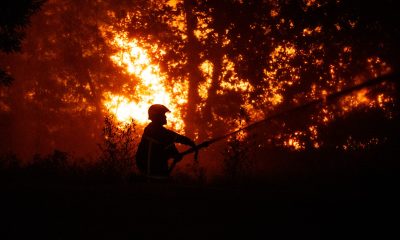
Wildfires in France Burn Nearly Three Times More Land Than in 2025, Interior Minister Says
-
 International5 days ago
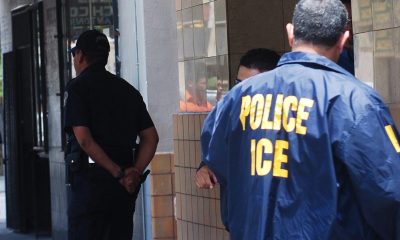
Mexico Files 20 Complaints in U.S. Over Deaths of 17 Citizens During ICE Operations
-
 International5 days ago
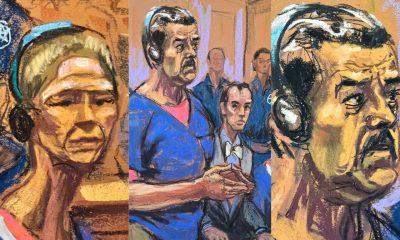
Nicolás Maduro’s Son Calls U.S. Trial Against His Father and Cilia Flores “Unjust”
-
 Central America4 days ago
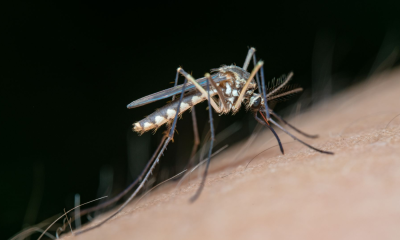
Honduras Warns of Possible New Dengue Epidemic as Cases Continue to Rise
-
 International3 days ago
Israel Says Saudi Recognition Would Mark ‘Historic Breakthrough’ for Middle East Peace
-
 Central America9 hours ago
EU Urges Nicaragua to Hold Free and Transparent Elections Amid Proposed Electoral Reforms