
International
UN reports 3,960 gang deaths in Haiti by 2023
November 29 |
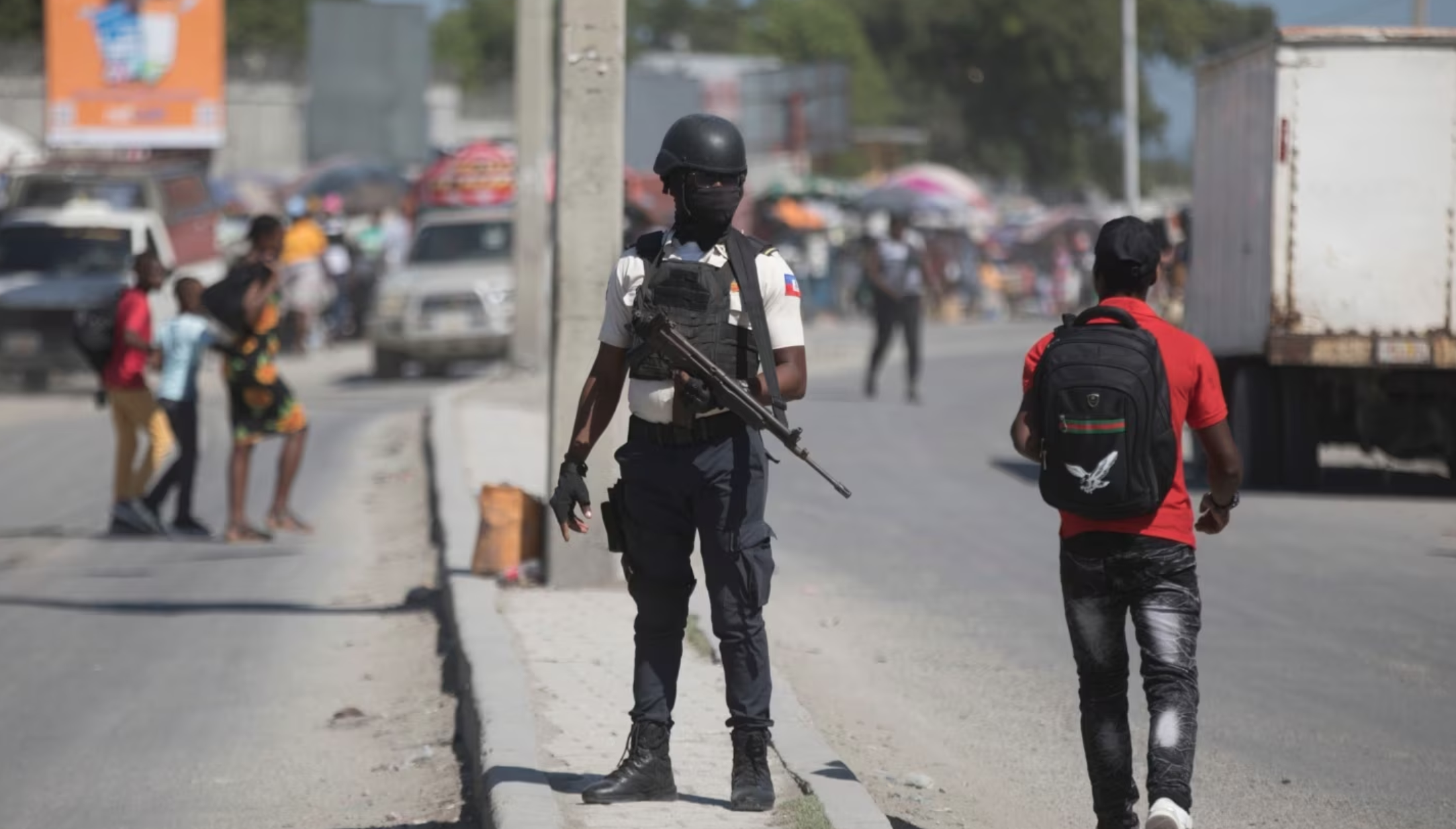
A report published on Tuesday by the United Nations denounces that the violence unleashed by gangs in Haiti has left more than 3,000 people killed and thousands more injured and victims of kidnapping, and called for an expedited dispatch of a multinational force to the island.
“The situation in Haiti is catastrophic. We continue to receive reports of killings, sexual violence, displacement and other violence, including in hospitals,” said Volker Türk, the UN High Commissioner for Human Rights.
The senior diplomat cited the report, which covers the period between the entire period and October 2023, as showing that killings by gang groups have left 3,960 people dead, 1,432 injured and another 2,951 who “have been kidnapped in gang-related violence”.
Last October the UN Security Council approved the use of a multinational force, commanded by Kenya – without the participation of the United Nations – to assist Haitian police forces in dealing with gangs.









Shortly thereafter, the African nation’s parliament froze the mission, demanding that the training and funding conditions established at the time of announcing the dispatch of the troops be met first.
Haitians, on the other hand, are wary of an armed presence with UN consent. The Caribbean country was cholera-free until 2010, when UN peacekeepers dumped infected sewage into a river. More than 9,000 people died from the disease and some 800,000 became ill.
Tuesday’s report focuses particularly on the Bas-Artibonite district, located in the center of the Caribbean nation, about 100 km from Port-au-Prince, the capital.
In Bas-Artibonite, the report says, 1,694 people were killed as of October of this year.
Violence in Haiti has reached alarming levels since gunmen assassinated Haitian President Jovenel Moïse at his own residence in Port-au-Prince in July 2021.
Several suspects, of Colombian citizenship, as well as Haitian-Americans are either under prosecution or have already been convicted in the US in connection with the assassination.
The gangs have used sexual violence as a method of intimidating the population, the report said, something that UN Secretary General Antonio Guterres himself had already denounced.
Following the report, the UN Panel of Experts on Haiti requested that the Security Council update the list of persons and entities under UN sanctions” for supporting, preparing, ordering or committing acts “that are contrary to international law.
















International
Mexico and U.S. Launch New Bilateral Security Group to Combat Fentanyl and Organized Crime
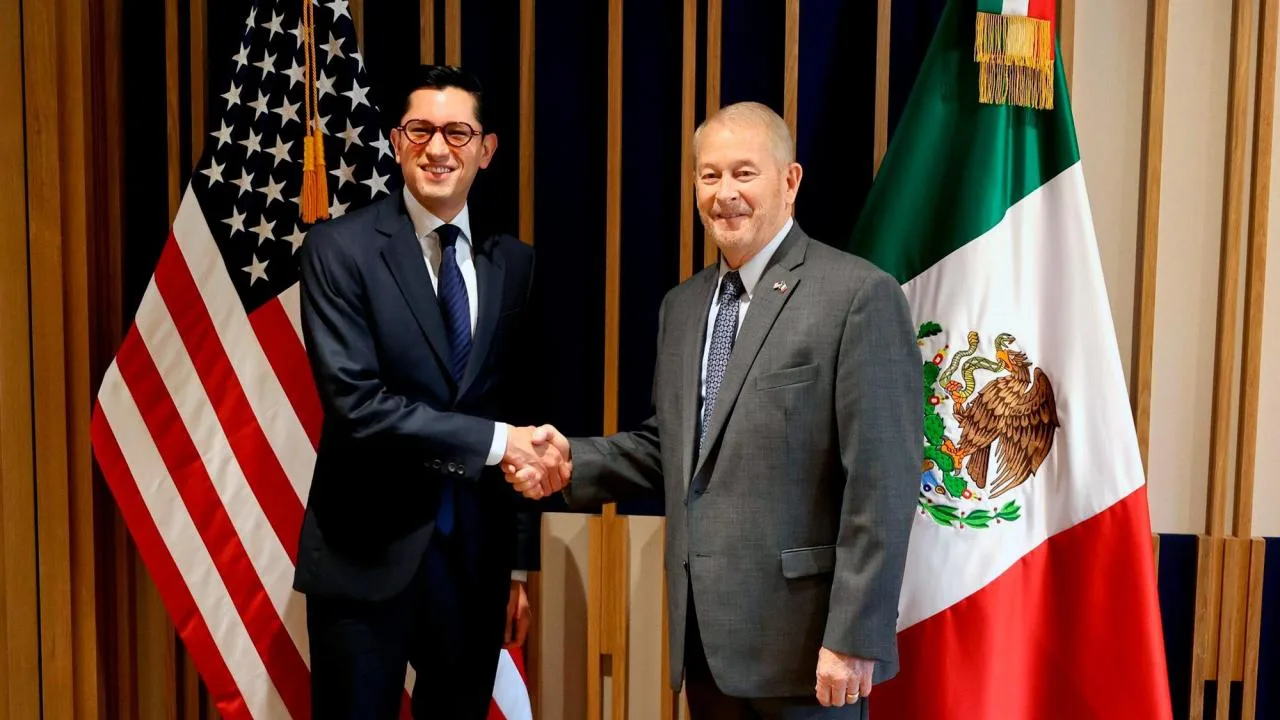
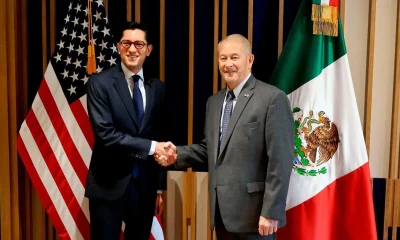
The governments of Mexico and the United States officially launched the Bilateral Implementation Group (BIG) on Friday, a new initiative aimed at strengthening cooperation on security issues and enhancing joint efforts against transnational crime.
In a statement, U.S. Ambassador to Mexico Ronald Johnson announced that he and Deputy Foreign Minister Roberto Velasco addressed officials from both countries who will lead what he described as a “new phase of bilateral cooperation.” The initiative seeks to curb the flow of fentanyl and other illicit drugs, illegal firearms, and human trafficking across the shared border.
Earlier this week, Mexico’s Ministry of Foreign Affairs had confirmed that senior security officials from both nations would meet in Mexico City on June 12 to review and advance existing cooperation agreements.
Through social media, Ambassador Johnson explained that the new bilateral group is designed to improve coordination between the two governments by placing greater emphasis on implementation, accountability, and measurable results. The effort will also focus on combating transnational criminal organizations operating across North America.
“The participation of 15 U.S. government agencies, working alongside their Mexican counterparts, reflects the seriousness of this effort and our shared commitment to delivering measurable results,” Johnson said.
The ambassador also highlighted several achievements that he attributed to ongoing bilateral cooperation. According to Johnson, maritime drug trafficking into the United States has declined by more than 95 percent, while overdose deaths have fallen by 35 percent.
He further noted that Mexican authorities have seized more than 400 metric tons of illegal drugs and dismantled over 2,300 clandestine laboratories as part of their efforts to combat organized crime and narcotics production.
The launch of the Bilateral Implementation Group marks the latest step in the security partnership between Mexico and the United States, as both countries seek to address shared challenges related to drug trafficking, arms smuggling, human trafficking, and the activities of criminal networks operating across the region.
International
‘El Chapo’ Guzmán again asks Mexican president to seek his return from U.S. prison
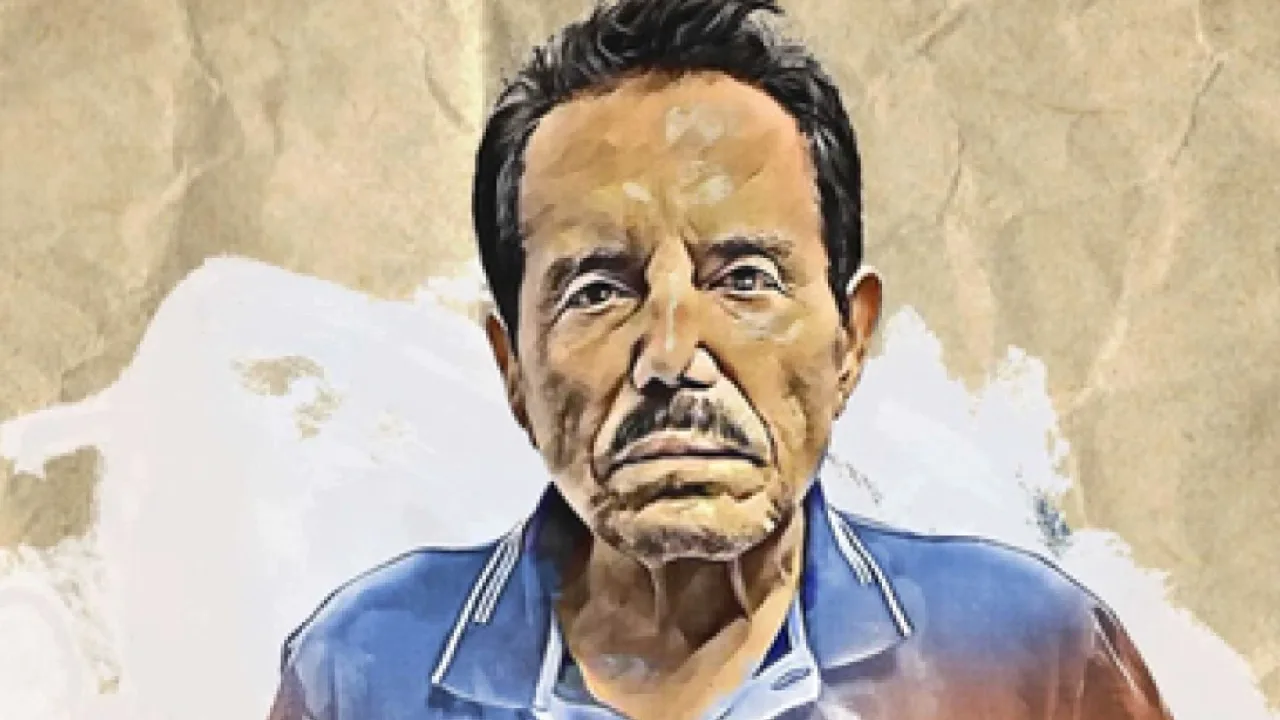
Convicted drug trafficker Joaquín “El Chapo” Guzmán has once again appealed to Mexican President Claudia Sheinbaum to intervene on his behalf and seek his transfer from the United States to Mexico, where he hopes to serve the remainder of his prison sentence.
Guzmán, the former leader of the Sinaloa Cartel, is currently serving a sentence of more than 50 years in the United States after being convicted in 2019 on multiple charges, including drug trafficking and money laundering.
According to reports, the latest request was made in a letter dated June 2, one of several messages that Guzmán has reportedly sent to Sheinbaum in recent months in an effort to secure his repatriation. In the letter, he expresses hope that the Mexican government can support the efforts of his legal team.
Written in English and by hand, the letter asks that he be allowed to complete his sentence in Mexico, arguing that such a transfer would enable him to receive visits from family members more easily.
Guzmán is currently being held at the United States Penitentiary Administrative Maximum Facility in Florence, Colorado, commonly known as the “Alcatraz of the Rockies,” one of the most secure prisons in the United States.
As in previous communications, the former cartel leader complained about his prison conditions, stating that he remains in near-total isolation and has little to no contact with other inmates.
He also reiterated his long-standing claim that he did not receive a fair trial in the United States and argued that the Mexican government bears responsibility for much of the violence associated with organized crime in the country.
In the letter, Guzmán maintains that his actions were motivated by a desire to protect himself and his family amid the violence linked to criminal organizations in Mexico.
Mexican authorities have not publicly indicated whether they plan to respond to the request. Guzmán remains one of the most notorious figures in the history of international drug trafficking and is serving his sentence under some of the strictest security measures in the U.S. prison system.
Central America
U.S. Authorities Accuse Guatemalan Nationals of Using False Information to Sponsor Migrant Minors
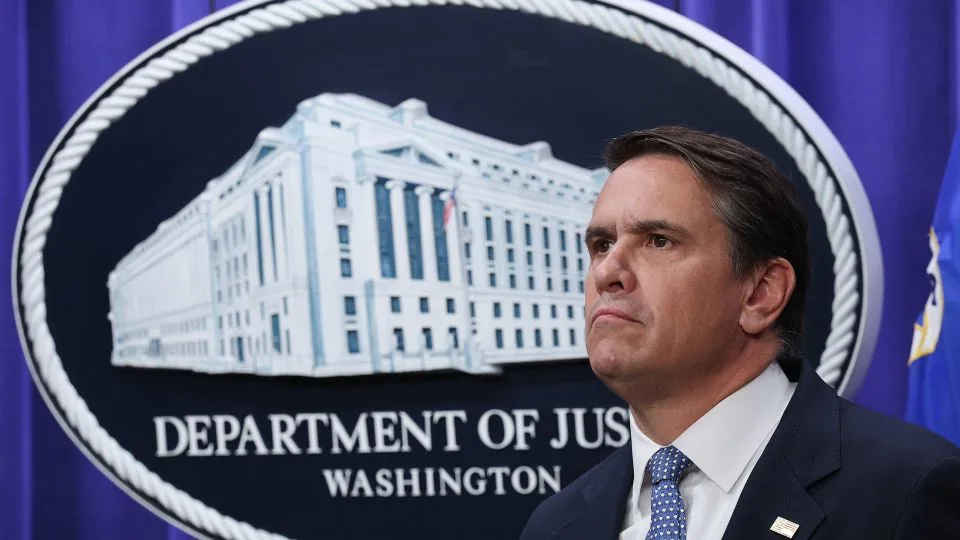
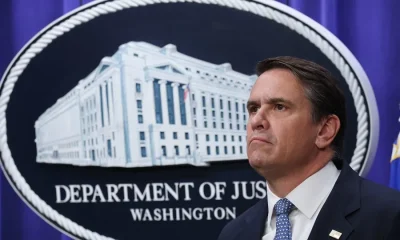
Senior officials from the U.S. Department of Justice and the Department of Homeland Security announced Thursday criminal charges against three Guatemalan citizens accused of using false information to sponsor migrant children who crossed the U.S.-Mexico border without a parent or guardian.
According to an indictment filed in Ohio, Maritza Cahuec Coc allegedly submitted at least 12 sponsorship applications, several of which were filed under aliases or contained materially false statements intended to secure custody of the minors.
Under U.S. procedures, unaccompanied migrant children apprehended at the southern border are placed in the custody of the Department of Health and Human Services, which is responsible for their care until they can be released to a qualified sponsor, such as a parent or relative living in the United States.
Prosecutors allege that Cahuec Coc, who reportedly entered the United States illegally in 2018, received payments between late 2020 and 2023 for helping bring 12 migrant minors into the country. Authorities claim she submitted fraudulent documents and misleading information to obtain approval for the sponsorship requests.
The case was announced during a joint press conference led by Acting Deputy Attorney General Todd Blanche and Homeland Security Secretary Markwayne Mullin. However, officials provided limited details about the investigation and instead focused much of their remarks on criticizing immigration policies implemented under the previous administration.
Republican lawmakers and Trump administration officials have frequently pointed to the increase in unaccompanied migrant children arriving at the U.S.-Mexico border during President Joe Biden’s term, arguing that the government failed to adequately oversee their care and placement.
During Thursday’s briefing, A. Tysen Duva, Assistant Attorney General for the Justice Department’s Criminal Division, alleged that Cahuec Coc used the identities of other individuals and falsely claimed family relationships in order to obtain custody of the children.
“Maritza submitted sponsorship applications using other people’s identities and falsely represented that the minors were the children of close relatives in order to secure their release,” Duva said.
The case remains under investigation, and federal authorities have not yet disclosed additional information regarding the other two Guatemalan nationals charged in connection with the alleged scheme.


Mexico and U.S. Launch New Bilateral Security Group to Combat Fentanyl and Organized Crime

‘El Chapo’ Guzmán again asks Mexican president to seek his return from U.S. prison

Energy chief says U.S. will restore Gulf oil shipments and refill strategic reserves
Tec de Monterrey honors one of its students for his contribution to nanotechnology in medicine

Defense Minister commends salvadoran soldier for Central American Cross Country victory

Extension of the state of emergency approved in southern Chile
-
 Sin categoría2 days ago
Energy chief says U.S. will restore Gulf oil shipments and refill strategic reserves
-
International4 days ago
U.S. Launches Military Strikes on Iran Following Apache Helicopter Incident
-
 Central America5 days ago
Bukele Tops Latin America’s Presidential Approval Ranking in June, Survey Finds
-
 International2 days ago
‘El Chapo’ Guzmán again asks Mexican president to seek his return from U.S. prison
-
 International4 days ago
MS-13 Member Sentenced to 35 Years for Fatal Subway Killing in New York
-
 International5 days ago
NGO Reports Release of 54 Political Prisoner Soldiers in Venezuela
-
 International3 days ago
U.S. Halts Military Action Against Iran Amid Diplomatic Breakthrough
-
 International3 days ago
Iván Cepeda Open to Revising Colombia’s Peace Policy Ahead of Runoff Election
-
 International23 hours ago
Mexico and U.S. Launch New Bilateral Security Group to Combat Fentanyl and Organized Crime
-
 Central America3 days ago
U.S. Authorities Accuse Guatemalan Nationals of Using False Information to Sponsor Migrant Minors