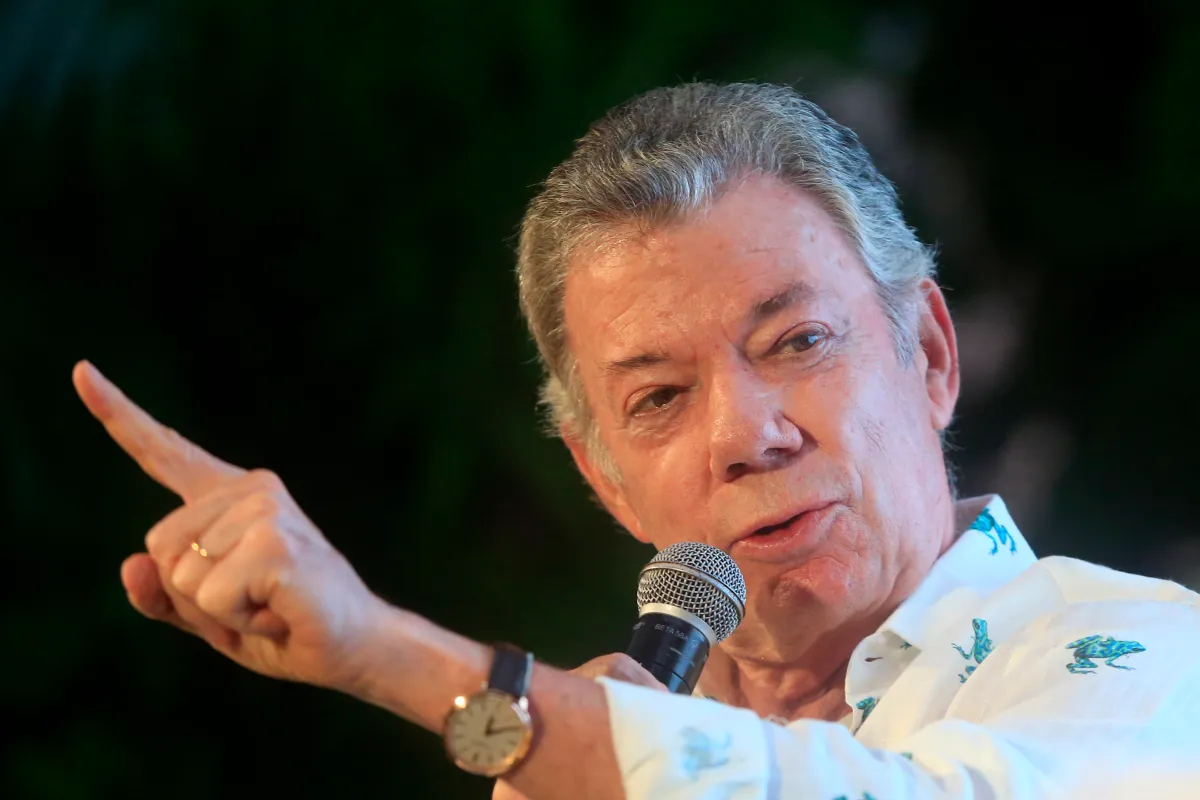
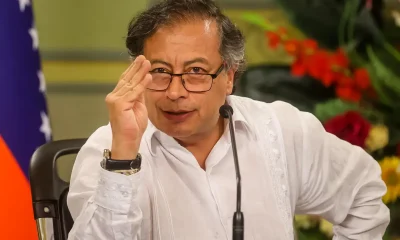
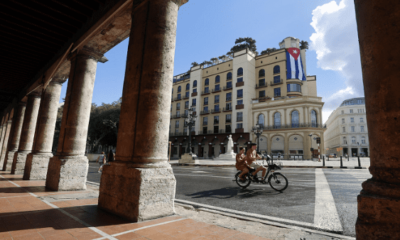
Former Colombian President Juan Manuel Santos sent a letter to the UN Secretary General, António Guterres, in which he assures that the peace agreement signed in 2016 with the then FARC guerrillas does not contemplate a Constituent Assembly, as the current Government defends.
“No one apart from the Final Agreement proposes or insinuates that the rules established in the current Constitution may be unknown in the future,” Santos (2010-2018) said in the letter dated May 31.
Ten days ago, in a public event in Popayán, capital of the department of Cauca (southwest), the Colombian president, Gustavo Petro, said that the peace agreement with the FARC has the strength to convene a Constituent Assembly that would allow him to make the social reforms that Congress has not approved.
Petro also said on May 14 that he will denounce to the UN that the Colombian State, which he represents, does not comply with the peace agreement with the FARC and predicted that this may lead to “bloodsheds.”
In his letter to Guterres, Santos reminds him that on March 29, 2017, he sent the full text of the peace agreement to the UN in which he referred “expressly to the principle of good faith, of enormous importance in the interpretation and application” of the agreement.
Advertisement
20260101_dengue_cubeta_728x90
20260101_dengue_barril_728x90
20260101_dengue_llanta_728x90
20260101_dengue_pileta_728x90
20260224_estafa_mh_728x90
20260212_constancia_pagos_mh_728x90
20250901_vacunacion_vsr-728x90
20250901_minsal_tetra_-728x90
20250701_vacunacion-influenza-728x90
20250701_vacunacion_vph-728x90
20250715_donacion_sangre_central_728x90
20231124_etesal_728x90_1
20230601_agenda_primera_infancia_728X90
domfuturo_netview-728x90
20240604_dom_728x90
CEL
“I emphasize this because Colombian officials and former officials have attributed to some paragraphs of the agreement a meaning that is contrary to its object, scope and purpose, which is possibly incompatible with the principle of good faith,” adds the former president.
According to Santos, the peace agreement, “far from providing for extra-institutional mechanisms or seeking to circumvent the procedures established in the Constitution of Colombia,” was ratified by the Senate and the House of Representatives on November 29 and 30, 2016, respectively.
“The Constitutional Court reviewed the compatibility with the Constitution not only of the laws that developed the agreement, but also of the constitutional reforms, in accordance with the constitutional rules and doctrines commonly accepted in that matter in Colombia, a country that prides itself on a more than a century-old tradition of respect for the principle of constitutional supremacy,” Santos adds in the letter.
After pointing out that “the letter and spirit of the agreement have been attempted to be unknown,” Santos recalls that the former president of the Spanish Government Felipe González and the former Uruguayan president Pepe Mujica, who exercised the function of “notable verifiers” of the peace agreement, “are totally in agreement with the spirit and content of this communication.”
Therefore, it concludes with the request to Guterres to communicate the content of the letter to the UN Security Council and to insist, “once again and hopefully more forcefully, on the need to implement the peace agreement.”
Portuguese Authorities Seize 2.6 Tons of Cocaine Worth More Than $550 Million in Drug Bust
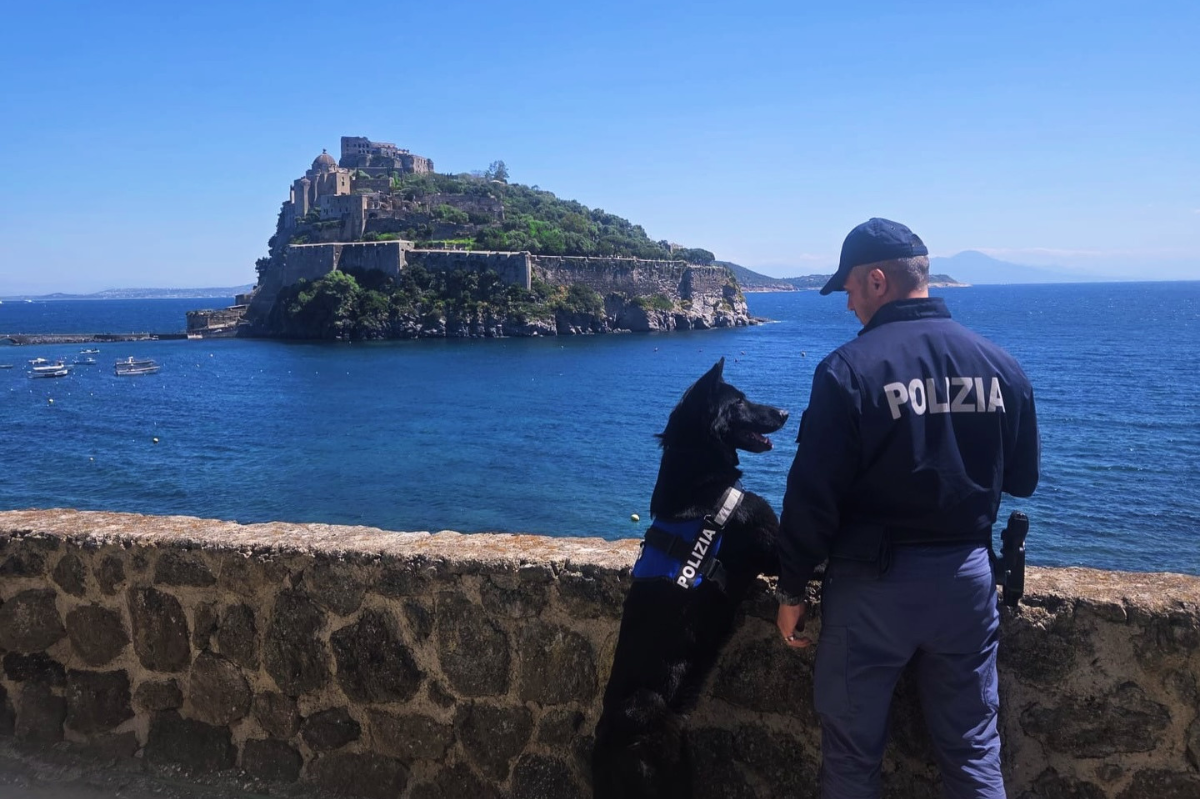
Italian financial police reported Monday that Portuguese authorities intercepted a speedboat carrying more than 2.6 tons of cocaine, with an estimated street value exceeding $550 million.
Four people — two Spanish nationals, one Albanian citizen, and a man from Gibraltar — were arrested in connection with the operation, according to Italian authorities.
The vessel was intercepted off the coast of Lisbon by Portugal’s maritime police following an investigation led by Italian authorities.
Italian financial police estimated that the seized shipment had a street value of approximately 500 million euros ($570 million), making it one of the largest drug seizures reported in the region in recent years.
Portuguese authorities said the interception took place on Thursday, about 90 kilometers (50 nautical miles) southwest of Cape Espichel, during an operation targeting international drug trafficking routes.
U.S. and Iran Maintain Ceasefire as Trump Expresses Optimism Over New Talks
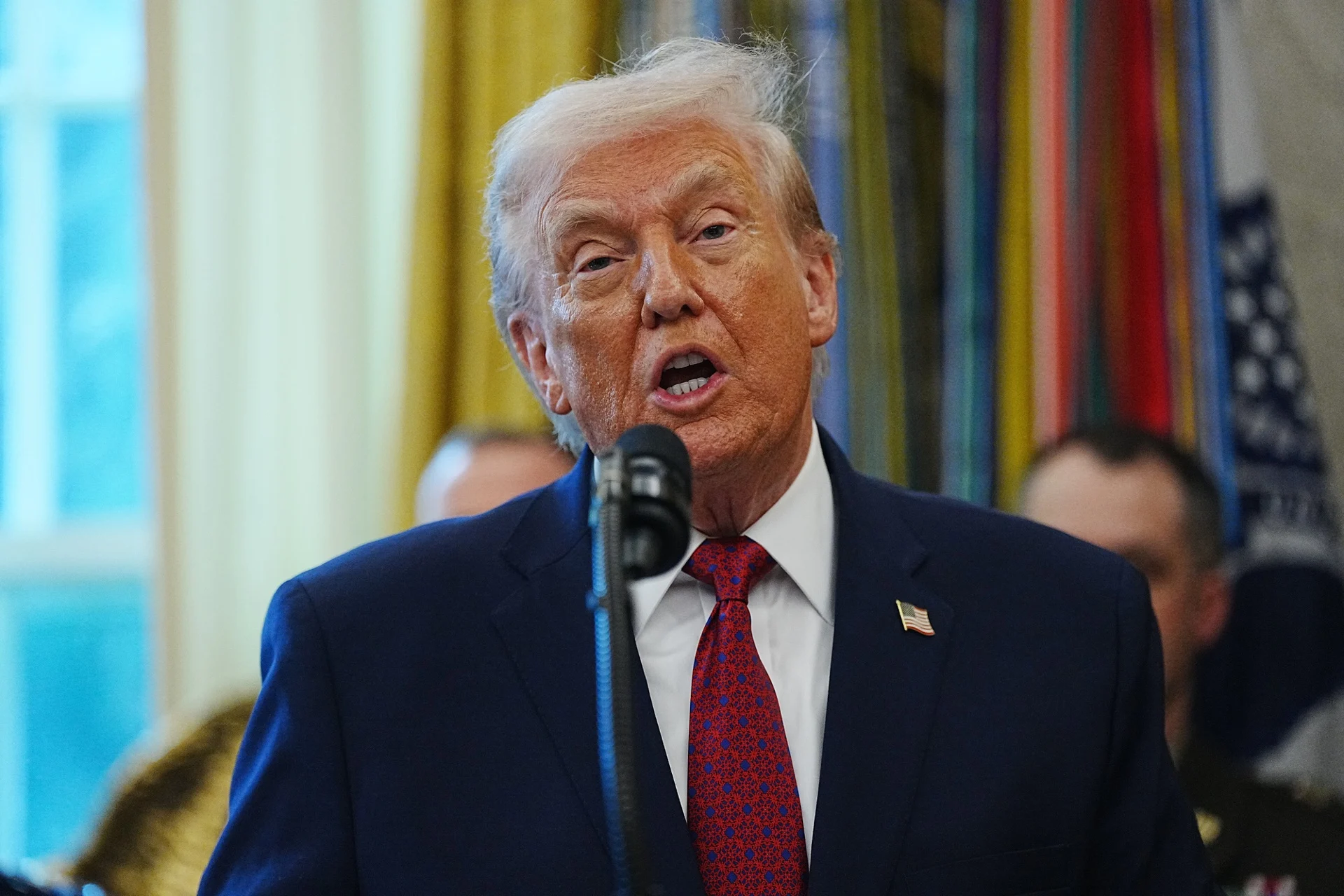
U.S. President Donald Trump said Monday that there are “good chances” of reaching an agreement with Iran, as both sides maintained a ceasefire for the third consecutive day following weeks of escalating hostilities.
Trump expressed optimism about the possibility of resuming diplomatic negotiations aimed at ending the conflict, which began in late February and has raised international concerns over its impact on global markets and energy supplies.
The fighting has remained suspended since Saturday, after the United States resumed airstrikes against Iran amid a dispute over control of the Strait of Hormuz, a key route for global oil shipments. The renewed military action had previously caused the collapse of an earlier ceasefire agreement.
Asked about the prospects for negotiations aboard Air Force One, Trump said: “I have a lot of patience… We’ll see what happens. I think there are good chances that something could happen.”
The U.S. president also highlighted Washington’s military capabilities, saying: “We have a lot of ammunition,” while adding that he would like to have more resources due to U.S. support for Ukraine.
Advertisement
20260101_dengue_cubeta_728x90
20260101_dengue_barril_728x90
20260101_dengue_llanta_728x90
20260101_dengue_pileta_728x90
20260224_estafa_mh_728x90
20260212_constancia_pagos_mh_728x90
20250901_vacunacion_vsr-728x90
20250901_minsal_tetra_-728x90
20250701_vacunacion-influenza-728x90
20250701_vacunacion_vph-728x90
20250715_donacion_sangre_central_728x90
20231124_etesal_728x90_1
20230601_agenda_primera_infancia_728X90
domfuturo_netview-728x90
20240604_dom_728x90
CEL
U.S. Ambassador to the United Nations Mike Waltz said Trump was allowing diplomatic efforts more time, explaining that the president was “giving some space to the talks” while maintaining that Washington remains prepared to take action if necessary.
Meanwhile, tensions continue in other areas of the Middle East. Saudi Arabia reported that it intercepted drones launched from Iraq by groups allied with Tehran and urged the Iraqi government to take measures to prevent further attacks.
Police Investigate After Remains of Five Newborns Found in French Apartment
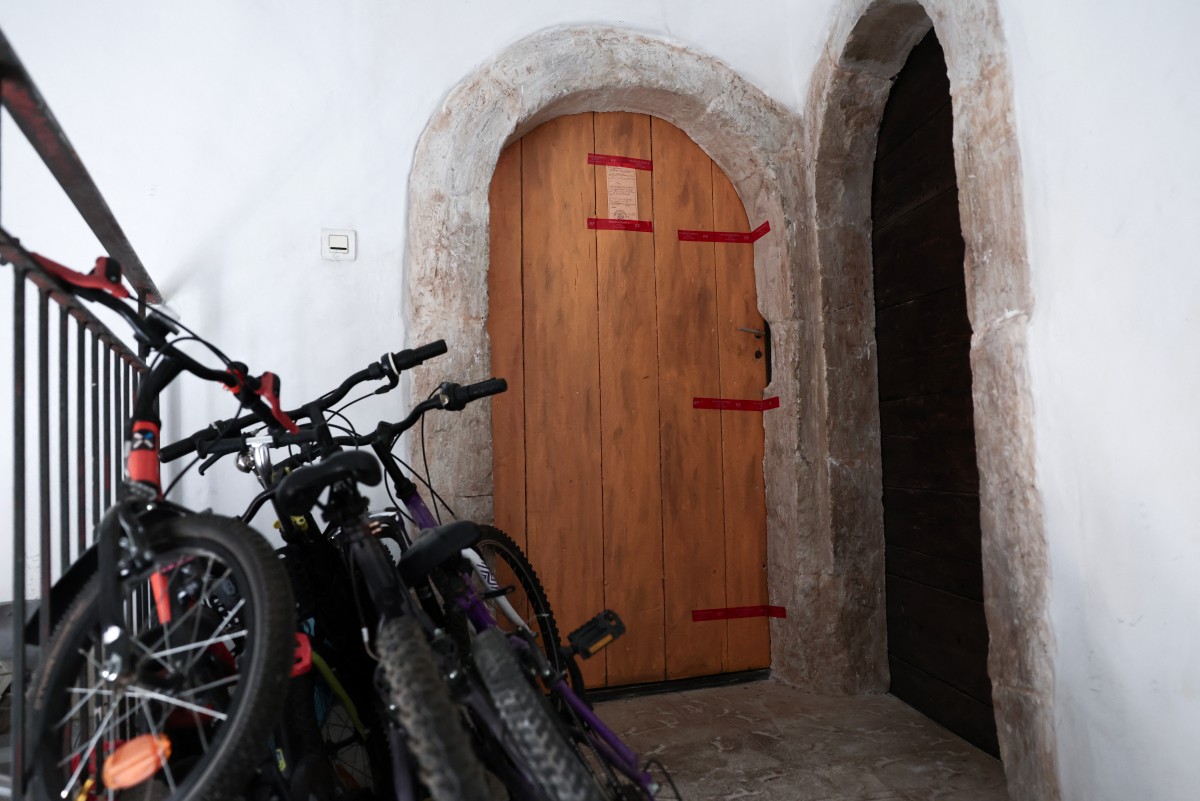
French authorities have opened a murder investigation after the discovery of human remains believed to belong to five newborn babies inside an apartment in the historic center of a city, the local prosecutor’s office reported Monday night.
According to prosecutors, a 32-year-old woman had given birth at home on Sunday to a healthy baby before being taken to a hospital for medical care.
The discovery was made after the woman’s 32-year-old partner began searching the residence after reportedly learning, once again and at a late stage, that she had been pregnant.
During the search, the man found what appeared to be human remains and informed the hospital, which then alerted prosecutors.
A forensic doctor determined that the remains likely belonged to five newborn infants. Authorities have not yet established the circumstances or motive behind the case.
Advertisement
20260101_dengue_cubeta_728x90
20260101_dengue_barril_728x90
20260101_dengue_llanta_728x90
20260101_dengue_pileta_728x90
20260224_estafa_mh_728x90
20260212_constancia_pagos_mh_728x90
20250901_vacunacion_vsr-728x90
20250901_minsal_tetra_-728x90
20250701_vacunacion-influenza-728x90
20250701_vacunacion_vph-728x90
20250715_donacion_sangre_central_728x90
20231124_etesal_728x90_1
20230601_agenda_primera_infancia_728X90
domfuturo_netview-728x90
20240604_dom_728x90
CEL
Investigators have not been able to interview the mother, who remains hospitalized following the delivery.
Prosecutors also confirmed that the couple has two other children, aged eight and nine years old. The investigation remains ongoing as authorities work to clarify the events surrounding the discovery.