
International
Argentina’s presidential candidates in final debate
November 13 |
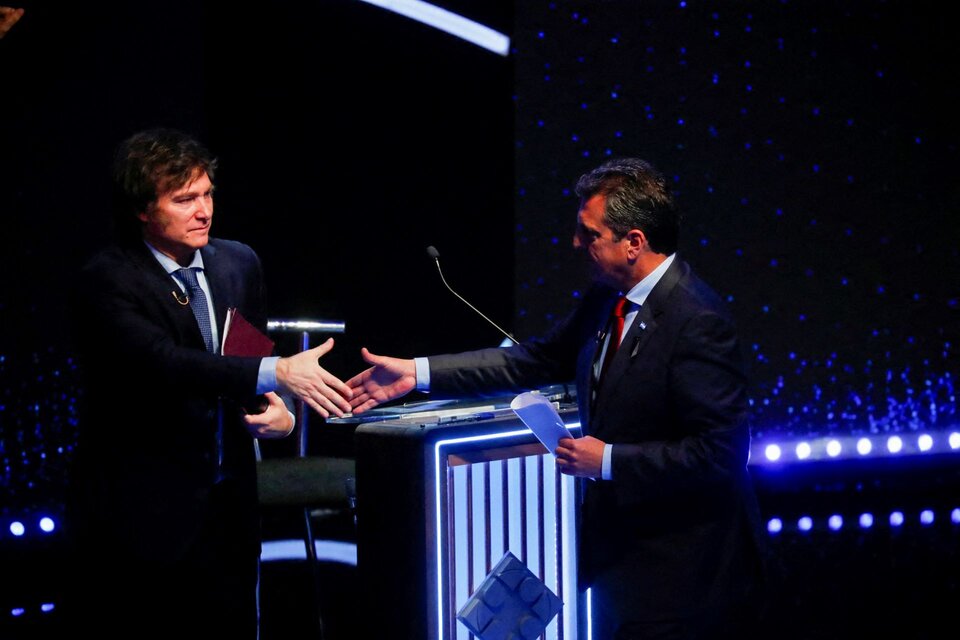
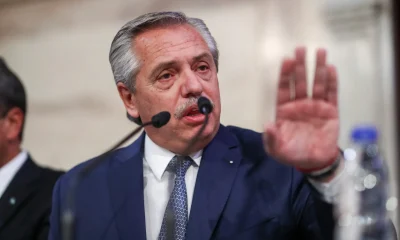
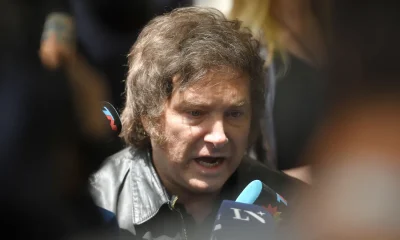
The candidates for the Presidency of Argentina, Sergio Massa (Unión por la Patria) and Javier Milei (La Libertad Avanza) starred on Sunday night in the last and decisive television debate to seek support for the ballot on November 19.
The Law School of the University of Buenos Aires, in the Argentine capital, the same venue as the second debate held before the first round, is the space chosen by the National Electoral Chamber (CNE) for this last appointment.
Throughout the debate both candidates discussed several issues and had a new opportunity to make known their proposals and plans to reach the presidency of the country.
Both Massa and Milei entered into a strong counterpoint, in which the candidate of Unión por la Patria, managed to make the right-winger uncomfortable, who could not face each of the criticisms against him exposed by the candidate of Unión por la Patria (UxP).











The Minister of Economy, Sergio Massa, in his presentation, pointed out that “we have to decide who is going to take care of our health, our education, our work. I am here to propose a great change, with a great agreement of state policies, with dialogue, consensus and respect for those who think differently”.
Milei tried to defend his economic model saying that “Argentina has been in decline for 100 years. This is a consequence of the caste model, which assures that where there is a need there is a right. The problem is that needs are infinite and those rights have to be paid for. This manifests itself in fiscal deficit”.
Massa put Milei on the spot when he confronted him against his campaign and pre-campaign statements: “But there are many things at stake here. We are facing someone who lied during the whole campaign or is lying now”.
According to the Minister of Economy, “Argentina has the responsibility, in an absolutely convulsed world, to think its foreign policy in defense of the Argentine interest, we have to be clear about multipolarity, to have relations with all the countries that open their arms to sell Argentine work. The main partners are Brazil, China, we have to defend that commercial agenda that provides jobs to two million Argentines. This man [Milei] called the most important Argentine in history, Pope Francis, as evil, we are going to work for Francis to come to the country in 2024. And we have to defend the Malvinas cause”, says Massa when talking about Argentina and its relationship with the world.
In the same sense, Massa expresses that Milei said “that Margaret Thatcher was your idol and that the kelpers had the right to self-determination, I ask people to look up what you said”.
Milei tried to answer: “Thatcher was a great leader like Churchill or De Gaulle, she had a great role during the fall of the Berlin Wall, but you are upset that the Wall fell”.
However, Massa closed “Thatcher is an enemy of Argentina”.
The third axis was dedicated to Education and Health. While Milei denies wanting to privatize. Massa answered him in this sense: “Eight points of the GDP will be allocated to education, with 753 kindergartens, with a literacy plan, with compulsory mathematics and robotics, with the preparation of shorter university careers”, Massa listed his proposals.
In the economic block, Sergio Massa pointed out that from the Government “this year we made an effort that allowed us to grow in employment every month” and rejected Javier Milei’s proposal of “opening the economy” that will “destroy thousands of families”.
Massa expressed that “I do not want to go back to that stage in Argentina”, in relation to the indiscriminate opening of imports.
Sergio Massa, said this Sunday that he seeks to “definitively bury the political crack” that exists in the country, while his opponent, the libertarian Javier Milei, asked the population to vote “without fear because it paralyzes”.
At the end of the debate, both candidates were asked by the moderators why they want to preside Argentina.
Massa repeated the idea of forming a “government of unity”, with a program of 10 State policies, and promised to those who will not vote for him out of conviction, “but as a vehicle for not choosing a path that is violence, that is hate, that is damage”, that he will work “so that they do not feel that they threw their vote away”.
On his part, Milei highlighted that this is “the most important election of the last 100 years” because Argentina must ask itself if it wants to continue “walking this decadent path” and “sustain this parasitic, useless and useless caste”; therefore, he asked to “vote without fear because fear paralyzes and benefits the ‘status quo’”.
In view of Javier Milei’s difficulty to answer Sergio Massa’s questions and criticisms, the media could not hide their opinions about the right-winger’s participation in the last debate.
Several media reported that Massa came out victorious by answering with clarity and precision each one of Milei’s opinions, who on more than one occasion tried to make the candidate of Unión por la Patria uncomfortable.
At the end of the last debate for the second round of elections scheduled for November 19, specialized political programs and hegemonic media reported that the candidate of La Libertad Avanza was hesitant and erratic in contrast with Sergio Massa’s answers.


























International
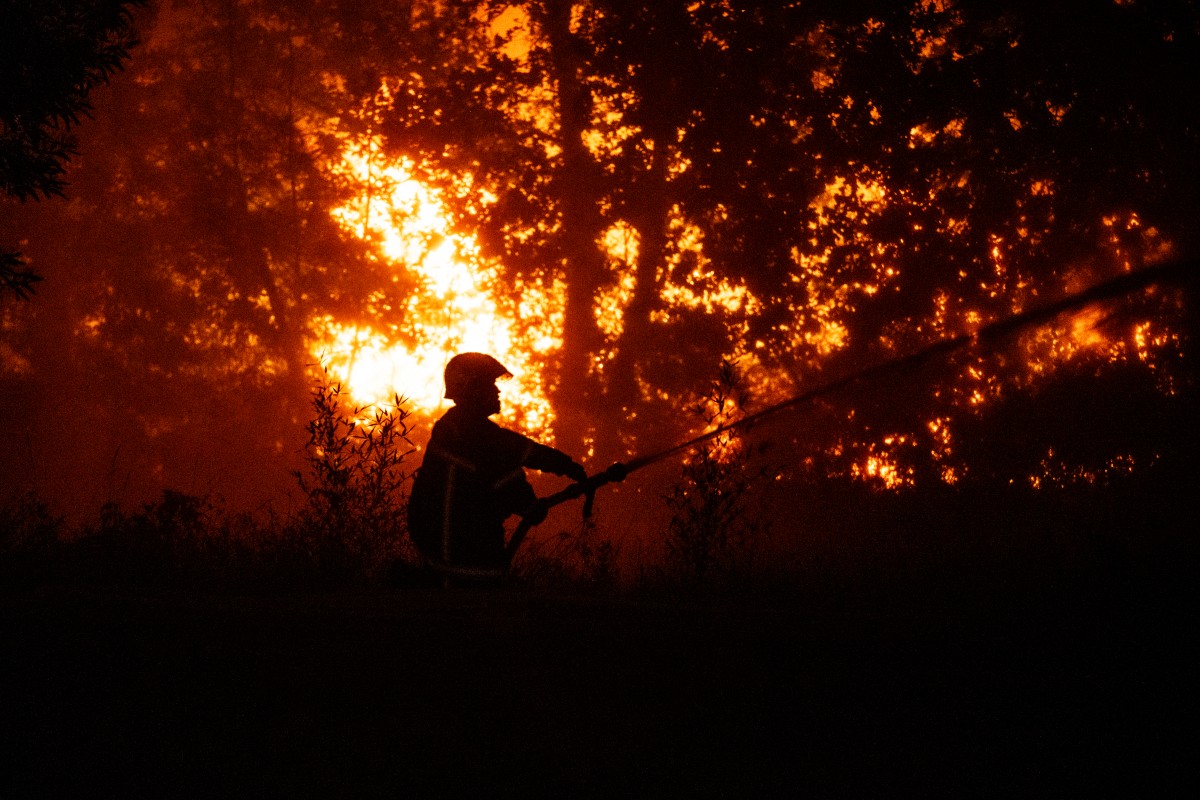
Wildfires in France Burn Nearly Three Times More Land Than in 2025, Interior Minister Says
International
Israel Says Saudi Recognition Would Mark ‘Historic Breakthrough’ for Middle East Peace
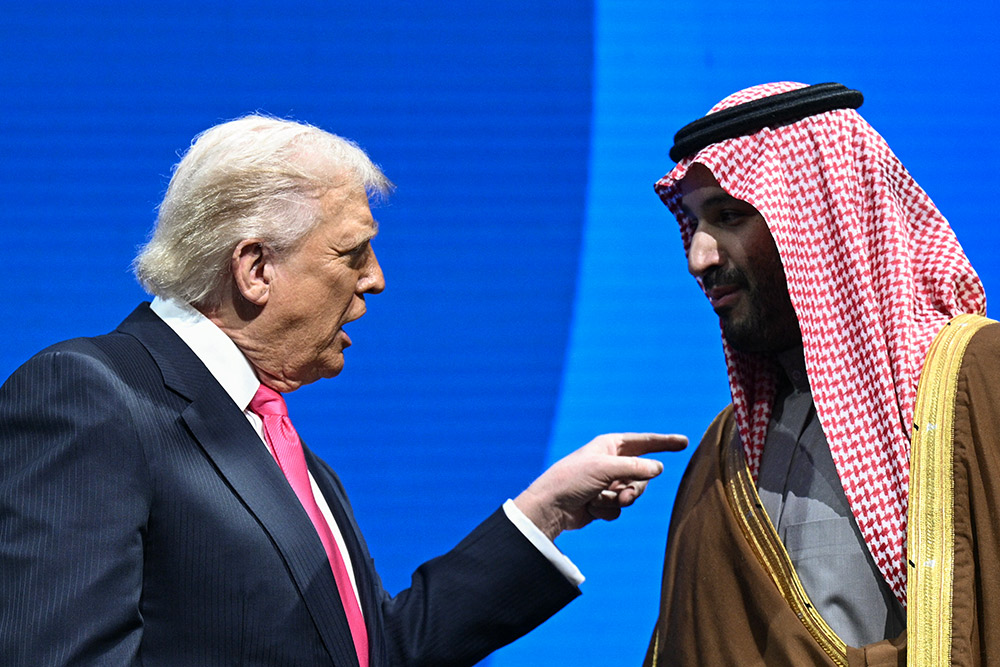
The office of Israeli Prime Minister Benjamin Netanyahu said Thursday that Saudi Arabia’s recognition of Israel would represent a “historic breakthrough” toward achieving peace in the Middle East.
The statement came after the United States and Saudi Arabia announced an agreement on Wednesday to establish a civil nuclear program in the kingdom. U.S. President Donald Trump said the initiative would be linked to Riyadh’s decision to normalize diplomatic relations with Israel.
“Saudi Arabia joining the Abraham Accords would represent a historic breakthrough toward peace in the Middle East,” Netanyahu’s office said following Trump’s announcement.
The statement added that recent developments, including joint military actions by the United States and Israel against Iran, as well as Israel’s efforts against what it described as Iran’s “terror axis,” have created new opportunities to expand regional diplomatic ties.
“The joint U.S.-Israeli military action against the genocidal regime in Tehran and Israel’s defeat of Iran’s terror axis have created the possibility of expanding the circle of peace,” the statement said.
A potential normalization agreement between Israel and Saudi Arabia would represent a major diplomatic shift in the region, as Riyadh has long been viewed as one of the key countries whose formal recognition could significantly reshape Middle Eastern relations.
International
Nicolás Maduro’s Son Calls U.S. Trial Against His Father and Cilia Flores “Unjust”
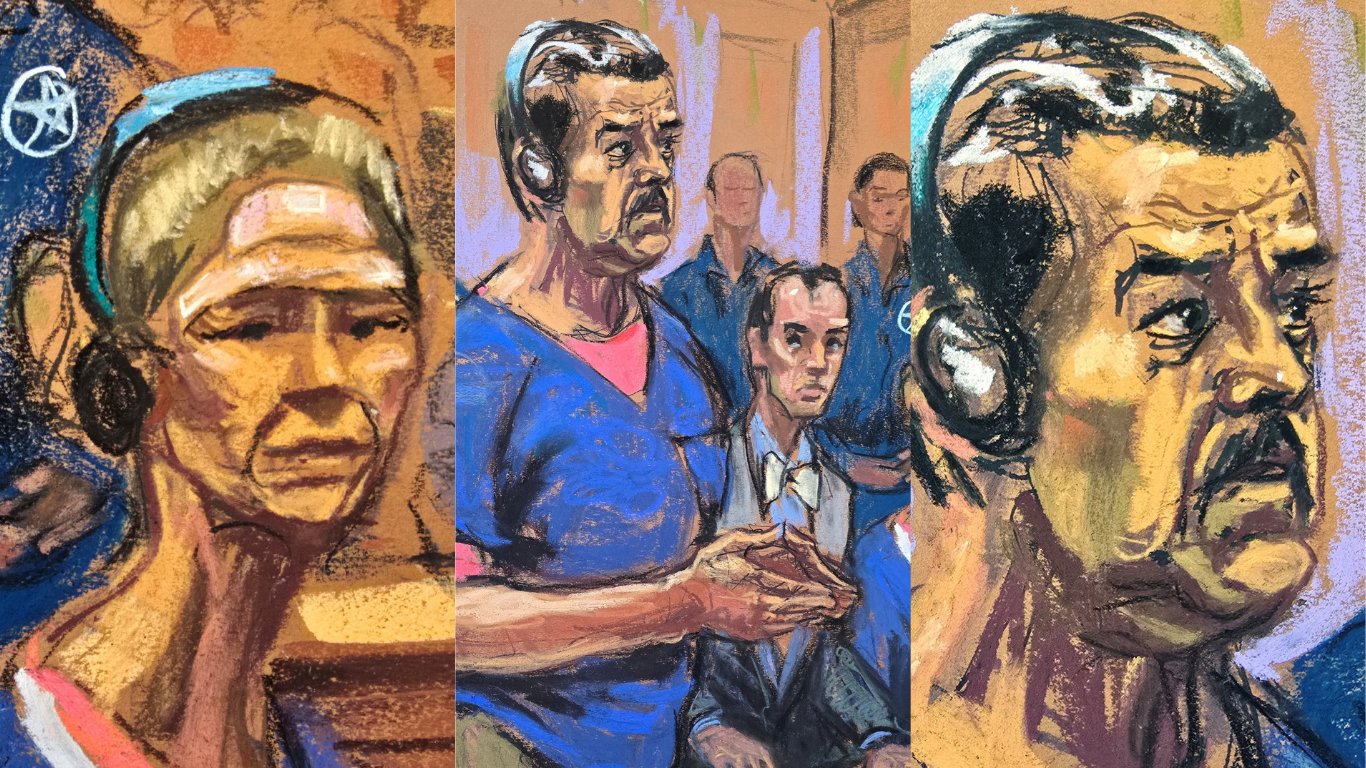
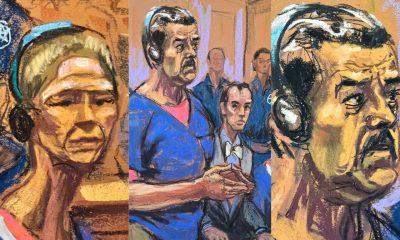
Venezuelan lawmaker Nicolás Maduro Guerra on Wednesday described as “unjust” the legal proceedings in the United States against his father, ousted Venezuelan President Nicolás Maduro, and his wife, Cilia Flores, following their capture in Caracas on January 3 by U.S. forces.
“Faced with the unjust trial taking place today, the people raised their voices with a single demand: We demand the immediate release of President Nicolás Maduro and the First Lady,” Maduro Guerra wrote on his Instagram account.
The lawmaker attended a rally in Caracas where supporters of the ruling United Socialist Party of Venezuela (PSUV)gathered to show support for the former president, who faces charges in the United States including conspiracy to commit narco-terrorism and cocaine importation. Flores is accused of crimes related to drug trafficking and weapons possession.
The event was also attended by PSUV Vice President for Mobilizations and Events Nahum Fernández and Caracas Mayor Carmen Meléndez, according to photos shared by Maduro’s son.
The third hearing in the case against Maduro and Flores concluded Wednesday at a federal court in New York after lasting only about 18 minutes. During the hearing, the judge preliminarily set June 2027 as the expected start date for the trial.
One of the main arguments from the defense will focus on immunity. Maduro’s lead attorney, Barry Pollack, who has also represented WikiLeaks founder Julian Assange, said the defense plans to request immunity for both defendants, arguing that Maduro was serving as head of state and Flores as first lady at the time of their detention.
Both Maduro and Flores pleaded not guilty during their first court appearance in New York on January 5.
Meanwhile, Venezuela’s interim president Delcy Rodríguez, who assumed power after Maduro’s capture, has not yet commented on Wednesday’s hearing in the United States.


Wildfires in France Burn Nearly Three Times More Land Than in 2025, Interior Minister Says

Israel Says Saudi Recognition Would Mark ‘Historic Breakthrough’ for Middle East Peace

Honduras Warns of Possible New Dengue Epidemic as Cases Continue to Rise
Tec de Monterrey honors one of its students for his contribution to nanotechnology in medicine

Defense Minister commends salvadoran soldier for Central American Cross Country victory

Extension of the state of emergency approved in southern Chile
-

 International4 days ago
Controversial Pesticide Law Passes in France, Sparking Ecological Concerns and Ministerial Fallout
-
 Central America2 days ago
CDC Issues Level 2 Travel Alert for Costa Rica Amid Chikungunya Outbreak
-
 International5 days ago
Iran Says It Is in “Full-Scale War” as U.S. Launches Ninth Consecutive Night of Airstrikes
-
 Sports4 days ago
MLS Awaits Blockbuster Debuts as Griezmann and Lewandowski Join the Spotlight
-
 International4 days ago
U.S. Sends First Humanitarian Aid Flight to Cuba Amid Ongoing Tensions Between Both Governments
-

 International5 days ago
French Parliament Moves to Approve Social Media Age Limit for Minors
-
 International5 days ago
WHO to Hold New Round of Talks After Slow Progress on Pandemic Accord
-
 International3 days ago
Mexico Files 20 Complaints in U.S. Over Deaths of 17 Citizens During ICE Operations
-
 International4 days ago
India Approves New Dengue Vaccine as Global Cases Continue to Rise
-
 International16 hours ago
Wildfires in France Burn Nearly Three Times More Land Than in 2025, Interior Minister Says
-
 International3 days ago
Nicolás Maduro’s Son Calls U.S. Trial Against His Father and Cilia Flores “Unjust”
-
 Central America2 days ago
Honduras Warns of Possible New Dengue Epidemic as Cases Continue to Rise
-
 International16 hours ago
Israel Says Saudi Recognition Would Mark ‘Historic Breakthrough’ for Middle East Peace