
International
Venezuela submits report to UN Human Rights Committee
October 11 |
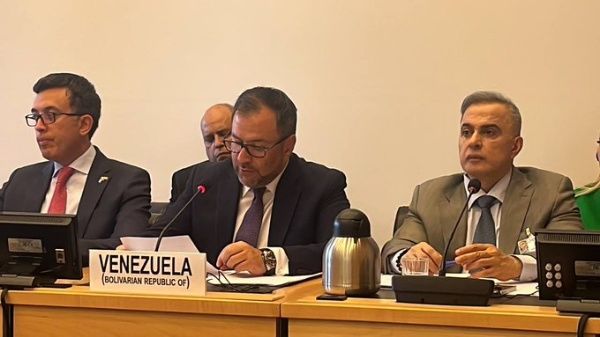
Venezuela presented its fifth periodic report at the 139th session of the United Nations Human Rights Committee, in which it highlighted progress, achievements and challenges in this area for the country.
The Minister of Foreign Affairs, Yván Gil, added that since 2021, the National Assembly has sanctioned more than 67 laws “key for the promotion and direction of civil and political rights of the Venezuelan population”.
The Bolivarian Government projects a sustainable economic development “with an increase in the levels of national productivity of the public and private sector” for the remainder of 2023 and by 2024.
Gil presented the country’s Fifth Periodic Report on the protection and guarantee of rights enshrined in international legislation and the Bolivarian Constitution, before the 139th session of the UN Human Rights Committee.











The head of the Venezuelan diplomacy distinguished that the figure of national dialogue “has been a sustained policy of the Executive, promoting the solution of differences within the framework of the rule of law, through more than 500 public calls for dialogue among Venezuelans”, he considered.
He indicated that measures have been taken in Venezuela to increase awareness of the Pact and its applicability in national law, such as the establishment of the first National Human Rights Plan 2016 – 2019, whose projects, actions and resources necessary for its implementation were incorporated in the institutional operational plans of the organs of the State Powers.
As part of political rights, the Minister pointed out that during the period 2012 – 2020, 10 national electoral processes were held, including three presidential elections.
In closing his participation, Minister Gil stressed that in Venezuela they attach vital importance that the issue of human rights “be treated objectively and impartially, without selectivity, double standards or politicization, in a spirit of genuine dialogue and cooperation, in accordance with the principles enshrined in the Charter of the United Nations”.
On the other hand, the Foreign Minister denounced before the committee that his country is the victim of a multiform aggression driven by the US, with the imposition of coercive measures.
“We have been the object of a multiform aggression promoted by the Government of the United States of America that has negatively affected the enjoyment of human rights of the Venezuelan population,” said Gil during the presentation.
Gil reiterated that the U.S. Office of Foreign Assets Control (OFAC) and other agencies of different countries adopted more than 930 restrictive or punitive unilateral coercive measures related to Venezuela, which caused the reduction of the State’s capacities to obtain financial resources, as well as goods and services necessary to satisfy the main needs of the citizens of that Caribbean nation.
“This onslaught against Venezuela has included the adoption of a set of unilateral coercive measures whose impact has been documented and condemned by the Human Rights Council, the United Nations High Commissioner for Human Rights and various special procedures of the Human Rights Council,” he commented.
The Venezuelan delegation present in Geneva, together with the Minister of Foreign Affairs, includes Attorney General Tarek William Saab; the second vice-president of the Supreme Court of Justice and president of the Civil Cassation Chamber, Magistrate Henry Timaure.
Also the Deputy Minister of Foreign Affairs for Multilateral Affairs, Rubén Darío Molina; the Deputy Minister of Domestic Policy and Legal Security of the Ministry of People’s Power for Domestic Affairs, Justice and Peace, Alana Zuloaga and the Permanent Representative to the UN in Geneva, Ambassador Hector Constant, among other officials.














































International
Portuguese Authorities Seize 2.6 Tons of Cocaine Worth More Than $550 Million in Drug Bust
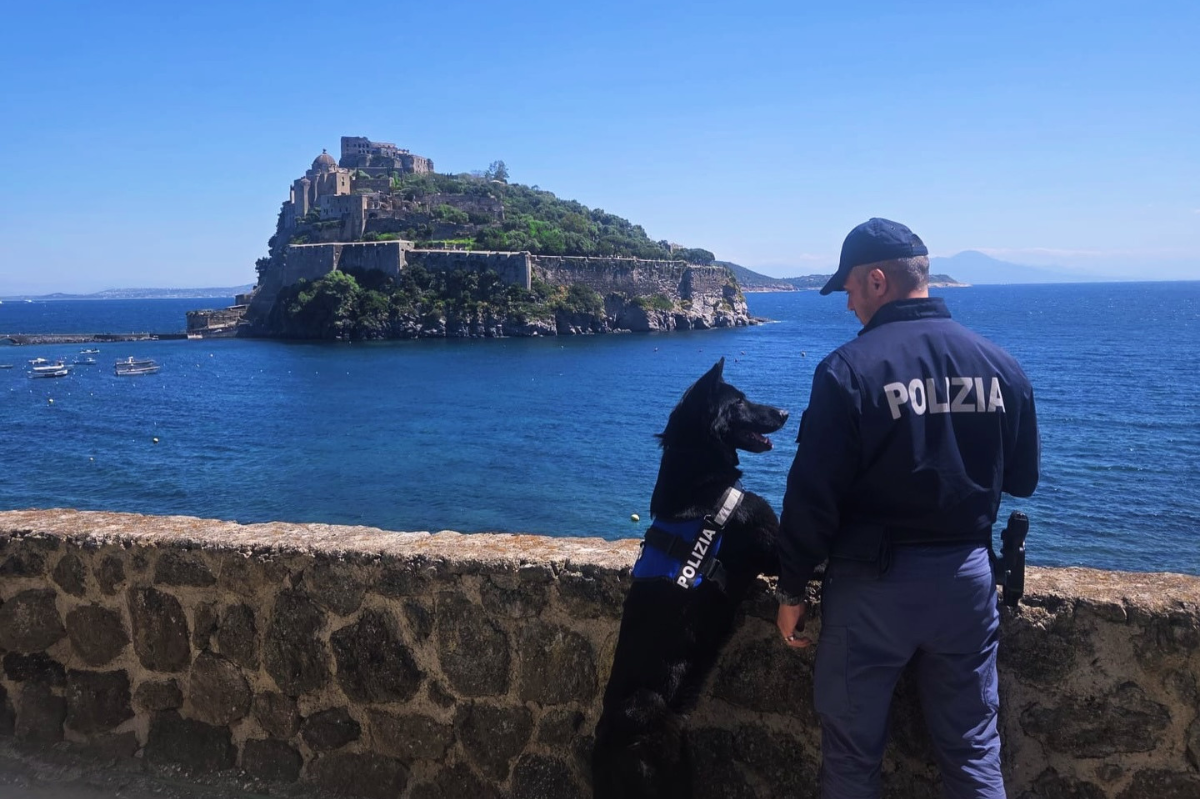
Italian financial police reported Monday that Portuguese authorities intercepted a speedboat carrying more than 2.6 tons of cocaine, with an estimated street value exceeding $550 million.
Four people — two Spanish nationals, one Albanian citizen, and a man from Gibraltar — were arrested in connection with the operation, according to Italian authorities.
The vessel was intercepted off the coast of Lisbon by Portugal’s maritime police following an investigation led by Italian authorities.
Italian financial police estimated that the seized shipment had a street value of approximately 500 million euros ($570 million), making it one of the largest drug seizures reported in the region in recent years.
Portuguese authorities said the interception took place on Thursday, about 90 kilometers (50 nautical miles) southwest of Cape Espichel, during an operation targeting international drug trafficking routes.
International
U.S. and Iran Maintain Ceasefire as Trump Expresses Optimism Over New Talks
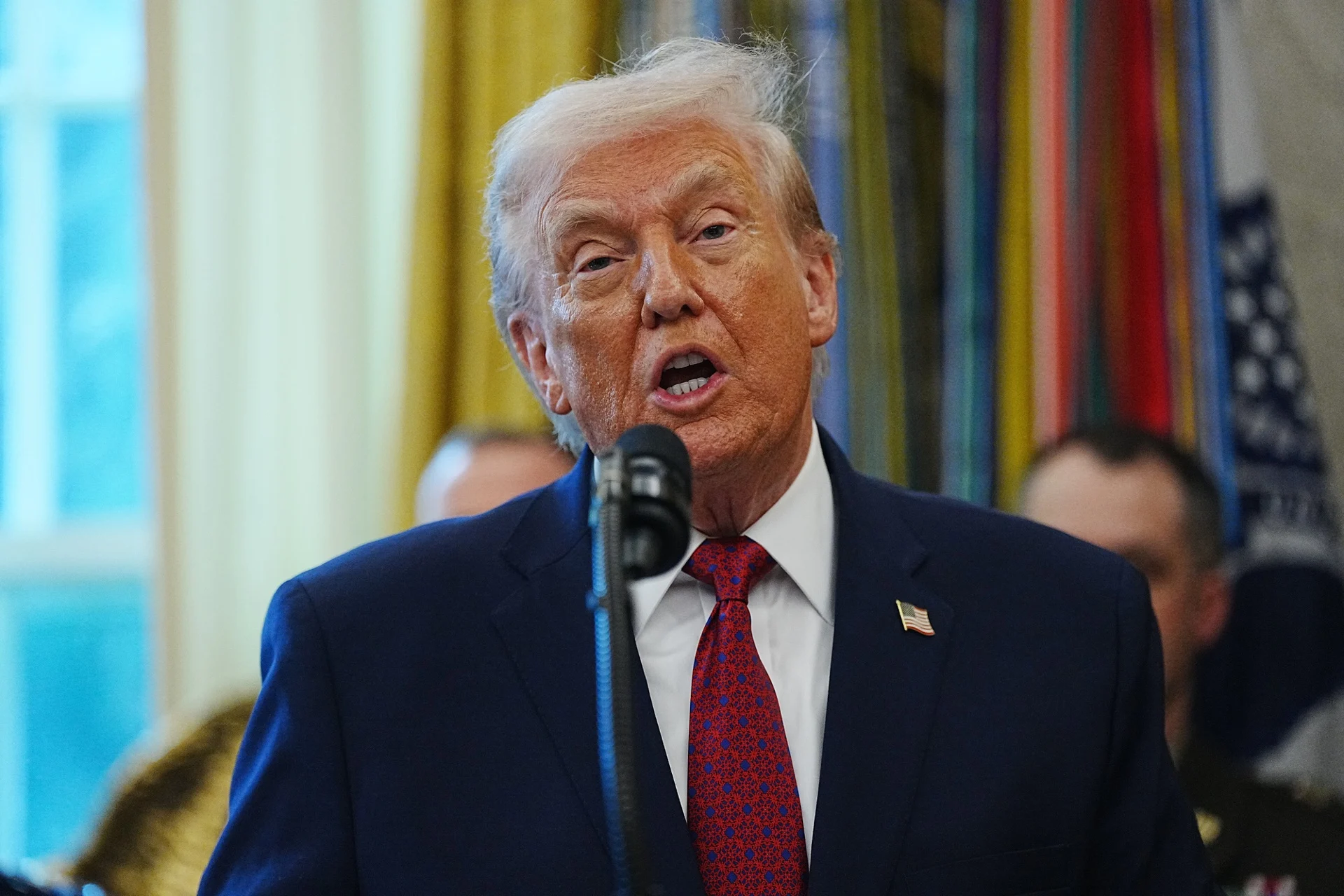
U.S. President Donald Trump said Monday that there are “good chances” of reaching an agreement with Iran, as both sides maintained a ceasefire for the third consecutive day following weeks of escalating hostilities.
Trump expressed optimism about the possibility of resuming diplomatic negotiations aimed at ending the conflict, which began in late February and has raised international concerns over its impact on global markets and energy supplies.
The fighting has remained suspended since Saturday, after the United States resumed airstrikes against Iran amid a dispute over control of the Strait of Hormuz, a key route for global oil shipments. The renewed military action had previously caused the collapse of an earlier ceasefire agreement.
Asked about the prospects for negotiations aboard Air Force One, Trump said: “I have a lot of patience… We’ll see what happens. I think there are good chances that something could happen.”
The U.S. president also highlighted Washington’s military capabilities, saying: “We have a lot of ammunition,” while adding that he would like to have more resources due to U.S. support for Ukraine.
U.S. Ambassador to the United Nations Mike Waltz said Trump was allowing diplomatic efforts more time, explaining that the president was “giving some space to the talks” while maintaining that Washington remains prepared to take action if necessary.
Meanwhile, tensions continue in other areas of the Middle East. Saudi Arabia reported that it intercepted drones launched from Iraq by groups allied with Tehran and urged the Iraqi government to take measures to prevent further attacks.
International
Police Investigate After Remains of Five Newborns Found in French Apartment
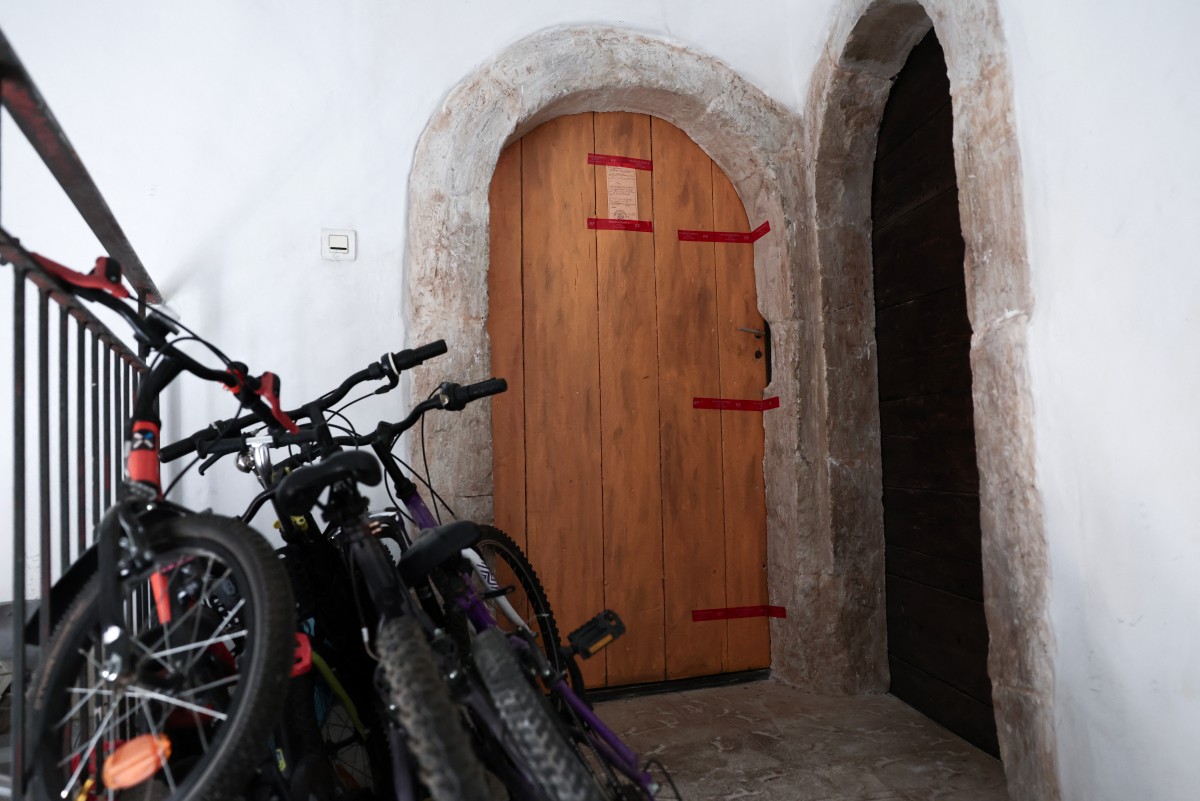
French authorities have opened a murder investigation after the discovery of human remains believed to belong to five newborn babies inside an apartment in the historic center of a city, the local prosecutor’s office reported Monday night.
According to prosecutors, a 32-year-old woman had given birth at home on Sunday to a healthy baby before being taken to a hospital for medical care.
The discovery was made after the woman’s 32-year-old partner began searching the residence after reportedly learning, once again and at a late stage, that she had been pregnant.
During the search, the man found what appeared to be human remains and informed the hospital, which then alerted prosecutors.
A forensic doctor determined that the remains likely belonged to five newborn infants. Authorities have not yet established the circumstances or motive behind the case.
Investigators have not been able to interview the mother, who remains hospitalized following the delivery.
Prosecutors also confirmed that the couple has two other children, aged eight and nine years old. The investigation remains ongoing as authorities work to clarify the events surrounding the discovery.


Portuguese Authorities Seize 2.6 Tons of Cocaine Worth More Than $550 Million in Drug Bust

U.S. and Iran Maintain Ceasefire as Trump Expresses Optimism Over New Talks

Police Investigate After Remains of Five Newborns Found in French Apartment
Tec de Monterrey honors one of its students for his contribution to nanotechnology in medicine

Defense Minister commends salvadoran soldier for Central American Cross Country victory

Extension of the state of emergency approved in southern Chile
-

 International5 days ago
Wildfires in France Burn Nearly Three Times More Land Than in 2025, Interior Minister Says
-
 International20 hours ago
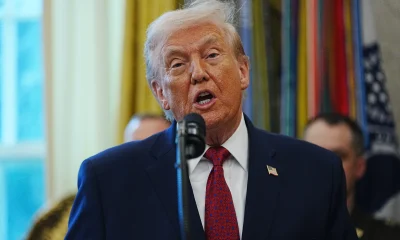
U.S. and Iran Maintain Ceasefire as Trump Expresses Optimism Over New Talks
-
 International20 hours ago
Police Investigate After Remains of Five Newborns Found in French Apartment
-
 International5 days ago
Israel Says Saudi Recognition Would Mark ‘Historic Breakthrough’ for Middle East Peace
-
 International20 hours ago
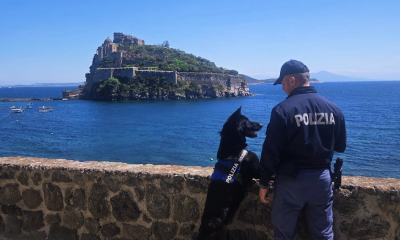
Portuguese Authorities Seize 2.6 Tons of Cocaine Worth More Than $550 Million in Drug Bust
-

 International2 days ago
Costa Rica Seeks to Expand Extradition Law to Target Organized Crime
-

 International2 days ago
China Accuses U.S. AI Firms of Using Chinese Models to Train Artificial Intelligence
-
 Central America2 days ago
EU Urges Nicaragua to Hold Free and Transparent Elections Amid Proposed Electoral Reforms
-

 International2 days ago
Three Killed, Four Injured in Shooting Near Seattle’s Space Needle