
International
Ecuadorian eyes on Constitutional Court after cross death
May 18 |
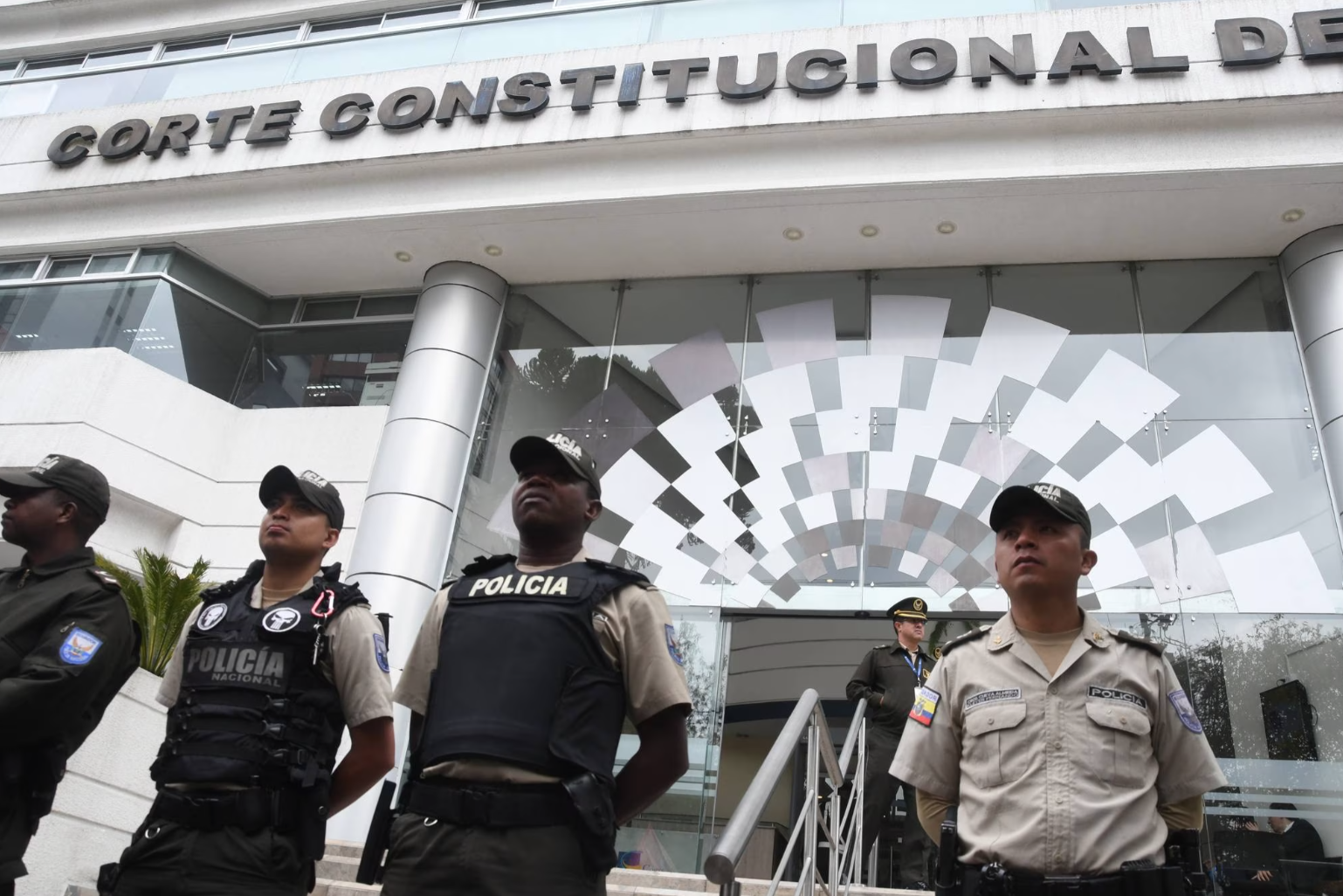
All eyes in Ecuador are focused today on the Constitutional Court (CC) awaiting a pronouncement from that judicial body on the cross death decree.
After the declaration of this measure by the Ecuadorian president, Guillermo Lasso, on Wednesday morning, several social organizations and political parties described it as illegal for not being justified in one of the grounds provided by law.
According to the Constitution, the cross death can be applied if the National Assembly arrogates functions to itself, if the legislative body obstructs the National Development Plan, or due to a serious political crisis and internal commotion.
In this sense, former Assemblymen Esteban Torres, from the Social Christian Party, and Yeseña Guamaní, from Izquierda Democrática, filed a claim of unconstitutionality before the CC.











If the decree lacks legality, the Assembly will remain standing with the expectations of the Ecuadorians these two years, but if on the contrary the document has the validity of the CC, we will go to elections, reiterated Torres when formally delivering the document at the headquarters of the public institution.
On his part, the former president of the Parliament Virgilio Saquicela assured that the pronouncement of the CC is a matter of national urgency because the Legislative power was dissolved without the existence of the social commotion of which the Chief Executive spoke.
Likewise, the head of the Confederation of Indigenous Nationalities of Ecuador (CONAIE), Leonidas Iza, reiterated that despite the fact that the decree of cross death is a mechanism established in the Constitution, in this context its application is not justified because it does not prove the existence of the cause of social commotion and political crisis, denounced the indigenous leader.
By the way, Conaie declared itself in permanent vigil in view of the recent political events in the Andean country and although it did not call for mobilizations, its members announced that they will be attentive to the decisions of the Lasso government and in permanent defense of the interests of the Ecuadorian people.
Meanwhile, the National Electoral Council has already announced that it will call for early general elections before May 24, that is to say, in seven days, as determined by the regulations for these cases.






































International
Ten Bodies Found in Mexico’s Zacatecas State Amid Security Operation
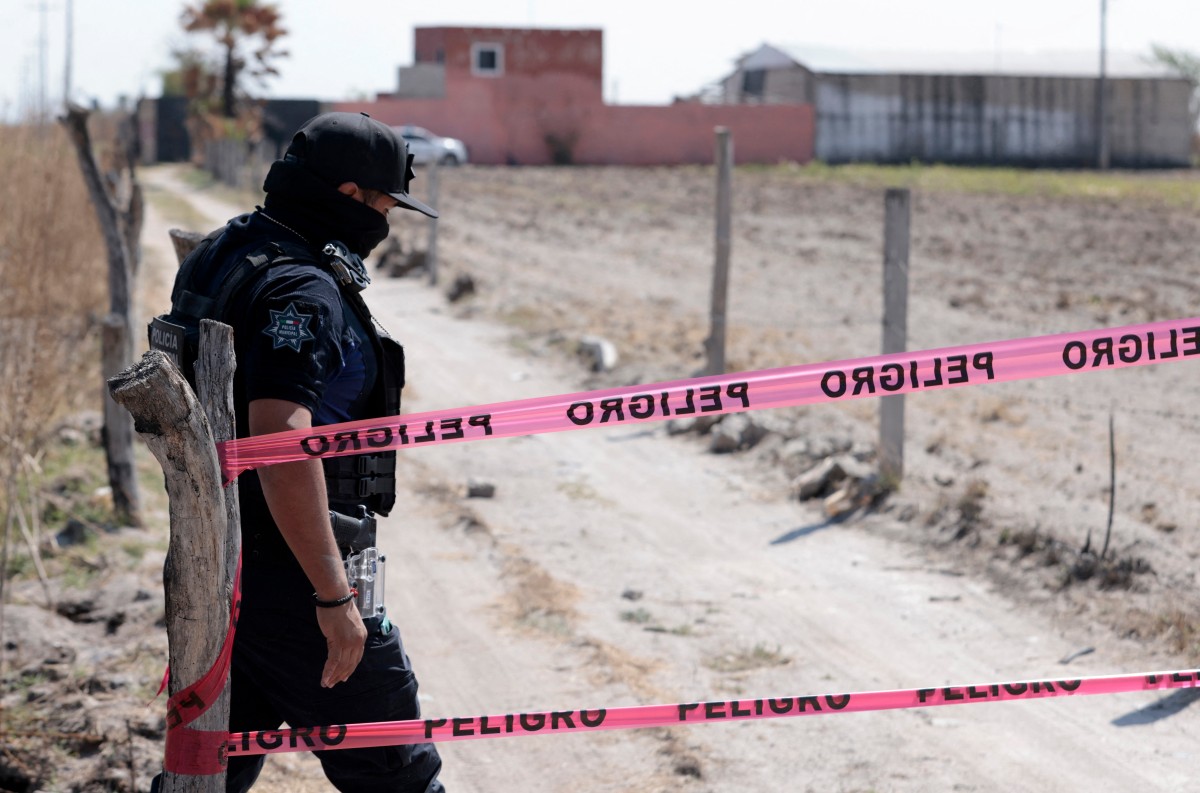
Mexican authorities discovered the bodies of 10 people on Saturday in the central state of Zacatecas, a region that was heavily affected by organized crime violence just a few years ago.
The victims were found in different municipalities across the state, which experienced a surge in violence between 2021 and 2022 as rival criminal groups fought for control of key drug trafficking routes.
Rodrigo Reyes, secretary general of the Zacatecas state government, said on social media that the bodies were located in the municipalities of Morelos, Pánuco, and Sain Alto.
Authorities have not yet disclosed the causes of death or identified those responsible for the killings.
Reyes said security forces have launched a coordinated operation to locate those behind the crimes and strengthen the police presence in the affected areas as the investigation continues.
International
U.S. to Limit Visa Duration for Foreign Students and Journalists
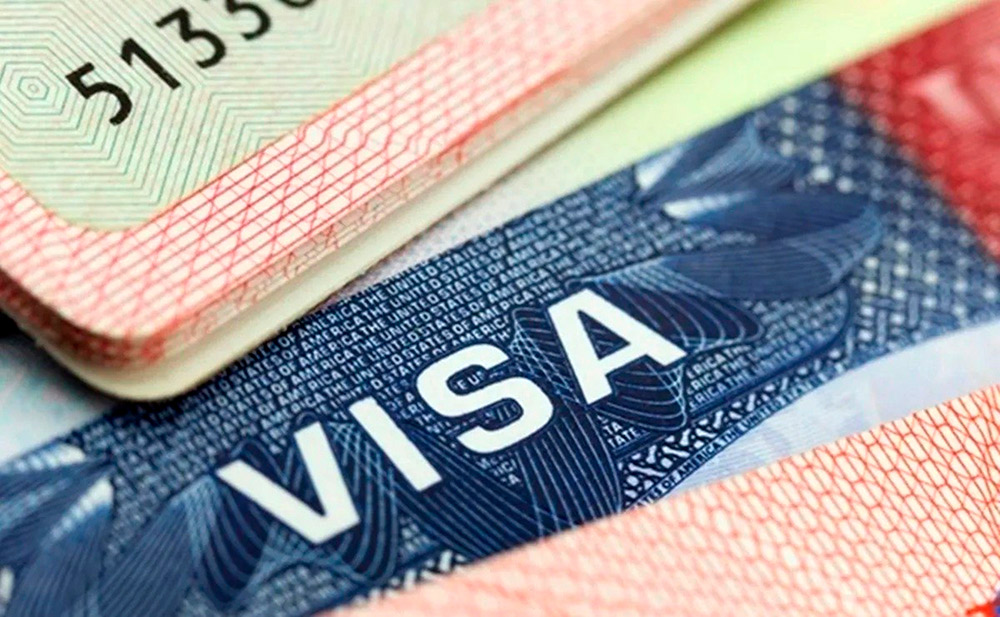
The United States has announced new limits on the legal length of stay for foreign students and journalists, marking the latest tightening of immigration policies under President Donald Trump.
The changes, outlined in an administrative rule published on Thursday, are expected to take effect in September, unless Congress blocks the measure.
Under the new policy, holders of student visas will be allowed to remain in the United States for no more than four years.
Foreign journalists will be limited to 240-day stays—approximately eight months—with the possibility of applying for extensions of the same duration.
The policy imposes even stricter rules on Chinese journalists, whose visas will be capped at 90 days.
More than 100 international news organizations and press freedom groups, including Agence France-Presse (AFP), criticized the measure in an open letter, arguing that it would reduce both the quantity and quality of international coverage of events in the United States.
The Republican Party, led by President Trump, currently holds a majority in Congress and has pledged to curb both illegal immigration and certain forms of legal immigration.
Previously, the United States generally issued student visas for the full duration of an academic program, while foreign journalists could receive visas valid for up to five years.
Central America
Nicaragua Cuts Diplomatic Ties With Italy Over Red Brigades Dispute

The Nicaraguan government announced on Thursday that it is severing diplomatic relations with Italy following criticism from the Italian government over Nicaragua’s long-standing decision to shelter Alessio Casimirri, a former member of the Red Brigades convicted in Italy for the 1978 kidnapping and murder of former Prime Minister Aldo Moro.
Italian Foreign Minister Antonio Tajani criticized the administration of co-presidents Daniel Ortega and Rosario Murillo on Wednesday for continuing to provide refuge to Casimirri, who was sentenced in Italy to six life terms for his role in Moro’s abduction and killing.
In a statement issued Thursday, Nicaragua’s Foreign Ministry said it was ending all diplomatic relations with Italy, describing Tajani’s remarks as “unjustified, aggressive, and irresponsible.”
Tajani made the comments during a gathering of conservative leaders from Europe and Latin America held in Madrid.
“We have absolutely nothing in common with the positions of extremist governments such as Nicaragua, a country that continues to harbor dangerous Red Brigades terrorists like Alessio Casimirri,” Tajani said, according to Italian media.
The diplomatic break marks a new escalation in tensions between the two countries over the decades-old case involving Casimirri, who has lived in Nicaragua for many years despite repeated calls from Italy for his extradition.


Ten Bodies Found in Mexico’s Zacatecas State Amid Security Operation

U.S. to Limit Visa Duration for Foreign Students and Journalists

Nicaragua Cuts Diplomatic Ties With Italy Over Red Brigades Dispute
Tec de Monterrey honors one of its students for his contribution to nanotechnology in medicine

Defense Minister commends salvadoran soldier for Central American Cross Country victory

Extension of the state of emergency approved in southern Chile
-

 International4 days ago
U.S. Strikes Hit Areas Near Strait of Hormuz as Tensions With Iran Escalate
-

 International5 days ago
Latin Music Stars Unite in Miami to Raise Aid for Victims of Venezuela’s Devastating Earthquake
-
 International4 days ago
U.S. to Limit Visa Duration for Foreign Students and Journalists
-
 International4 days ago
El Salvador Sends Eighth Humanitarian Flight to Earthquake-Hit Venezuela
-
 Central America4 days ago
Nicaragua Cuts Diplomatic Ties With Italy Over Red Brigades Dispute
-
 International5 days ago
Trump Administration Seeks Global Action Against “Resurgent” Left-Wing Terrorism
-
 International2 days ago
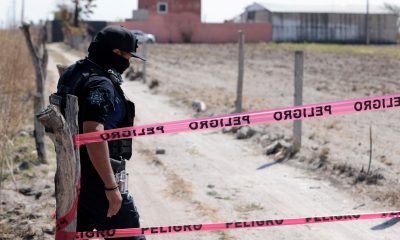
Ten Bodies Found in Mexico’s Zacatecas State Amid Security Operation