
Sin categoría
FIFA backs semi-automated offside system to boost VAR
AFP
FIFA hopes the rolling out of its semi-automated offside technology being trialled at the Club World Cup will not only speed up decision-making but offer increased clarity for football supporters.
The optical tracking system was first tested at last year’s Arab Cup in Qatar, and the ultimate goal is for it to be fully in use for the World Cup in the Gulf state later this year.
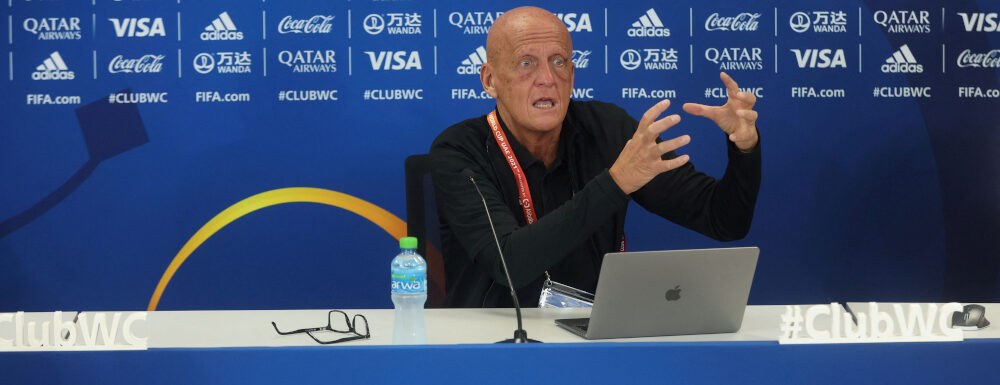
Pierluigi Collina, chairman of FIFA’s referees committee, on Wednesday told reporters VAR had proved “very successful” since its introduction but conceded more consistency is needed.
“It’s not yet at the very, very top… the same speed decision-making process. Being fast and being accurate don’t work together,” Collina said at the Club World Cup in Abu Dhabi.









“It’s important the video officials get an accurate decision, but we are aware we need to reduce the time, particularly with offside.”
“Sometimes it takes a bit longer to assess an offside decision, particularly in very tight incidents,” he said.
“The goal is already celebrated, everybody is waiting and then there is a goal disallowed, or the other way round… and then after quite a long time there is the final decision.”
The data-driven, limb-tracking technology relies on a series of dedicated cameras and broadcast cameras around the stadium to give the exact position of players on the pitch, offering referees precise information within seconds.
To provide improved accuracy, the system currently generates 18 data points per player — tracking the various parts of the body to create a skeletal, three-dimensional model.
The aim is to increase that to 29 for the World Cup to provide further precision, according to the head of football technology at FIFA, Sebastian Runge.
Once a final decision is made, the artificial-intelligence driven technology turns the images into a 3D animation that can be displayed on the big screen at grounds.
“By taking that data, we can enter the 3D world and we can create animations, that can explain perfectly whether a player was onside, how much of that player was offside or onside,” said Runge.
“We put that in an animation that will be shared with TV and our giant screen operators and we can inform the spectators in a clearer way on offside and onside decisions.”
– More than just a robot –
Despite the ever-growing influence of technology, FIFA insisted the match officials will always make the final call.
A dedicated VAR assistant is responsible for monitoring offside, checking incidents as they happen rather than waiting for a stoppage in play.
The assistant notifies the main VAR official, who makes the decision and then speaks to the referee.
“I know that someone called it ‘robot offside’; it’s not. The technology is simply a tool used by human beings,” said Collina.
“The referees and the assistant referees are still responsible for the decision on the field of play. The technology only gives them valued support to make more accurate and quicker decisions.”
Collina used the example of a goal ruled out for offside in Palmeiras’ 2-0 semi-final win over Al Ahly on Tuesday as an area where more can be done to keep fans fully informed.
“We were discussing before how to get the attention of the people in the stadium because if you don’t know (the animation) is coming… you don’t look at the giant screen,” he said.
“It’s not possible to get this image within the same stoppage of play. It takes roughly 30 seconds, that’s why it’s shown at the next stoppage of play.
“Maybe we need a way to alert fans to the image on the big screen.”






Sin categoría
Energy chief says U.S. will restore Gulf oil shipments and refill strategic reserves
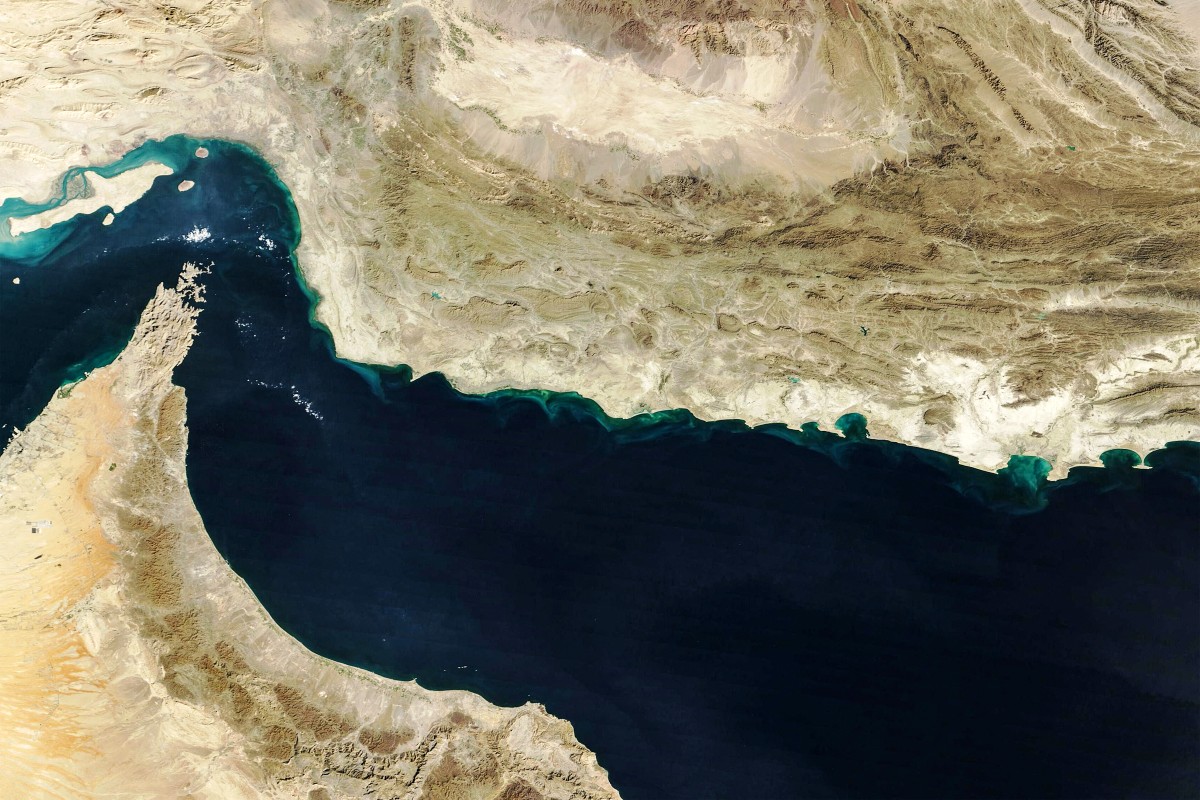
The United States is making progress in restoring oil shipments through the Strait of Hormuz, with approximately 7 million barrels of oil and fuel now passing through the critical maritime route each day, according to U.S. Energy Secretary Chris Wright.
Speaking at the Bloomberg Energy Security Executive Briefing in Houston on Friday, Wright said the United States is committed to fully reopening the waterway, regardless of whether Iran cooperates with those efforts.
The Strait of Hormuz, one of the world’s most important energy transit corridors, experienced severe disruptions at the onset of the conflict with Iran. According to Wright, nearly 20 million barrels of oil per day were initially affected when traffic through the strait was largely halted.
While some shipments were redirected to alternative ports outside the Persian Gulf, roughly 14 million barrels per day remained stranded, creating what Wright described as a major disruption to global energy flows.
“That was a significant interruption of supply,” he said, emphasizing that the United States intends to restore normal shipping operations independently if necessary.
Industry analysts noted that the recovery of approximately 7 million barrels per day has exceeded many market expectations. Dan Pickering, chief investment officer at Pickering Energy Partners, said the faster-than-expected return of supply has helped explain why oil prices have remained lower than some analysts had predicted.
Wright also reiterated his goal of rebuilding the U.S. Strategic Petroleum Reserve, which has been used in recent years to help cushion the impact of supply disruptions linked to geopolitical conflicts and market volatility.
In addition, the Energy Secretary dismissed the possibility of imposing restrictions on U.S. energy exports, arguing that maintaining open markets remains essential for both domestic energy security and global supply stability.
The comments underscore Washington’s determination to restore confidence in international energy markets and ensure the uninterrupted flow of oil through one of the world’s most strategically important shipping lanes.
Sin categoría
Trump renews criticism of Pope Leo XIV amid tensions over Iran
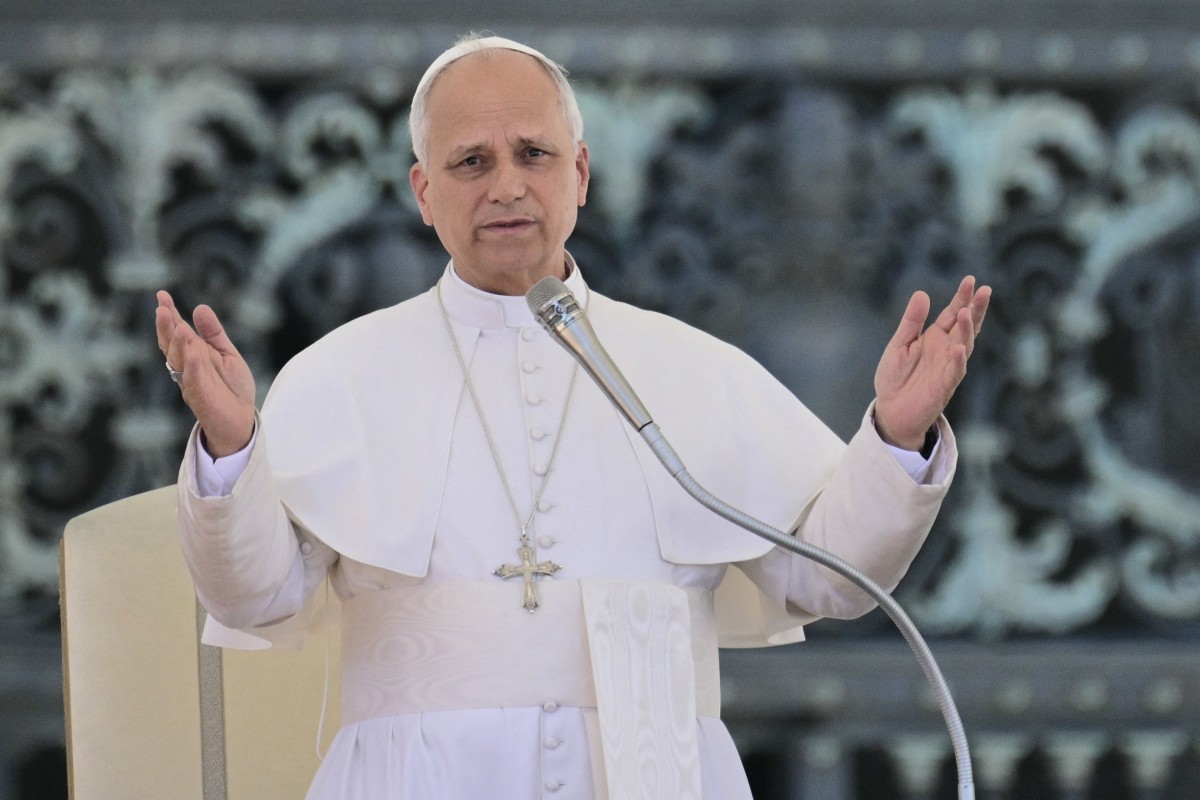
The President of the United States, Donald Trump, renewed his criticism of Pope Leo XIV on Tuesday night, urging that “someone tell him” that Iran has “killed at least 42,000 innocent protesters” and insisting that it is “unacceptable” for the country to possess nuclear weapons.
“Can someone please inform Pope Leo that Iran has killed at least 42,000 completely unarmed, innocent protesters over the past two months, and that it is absolutely unacceptable for Iran to have a nuclear bomb?” Trump wrote on his social media platform Truth Social.
The statement comes amid an escalating public dispute between Trump and the pontiff over the conflict in Iran and the broader Middle East. The US president concluded his message with the phrase “AMERICA IS BACK.”
Pope Leo XIV, who was born in the United States, has repeatedly spoken out—both directly and indirectly—against Washington’s stance toward Tehran, while calling for peace in the region.
On Monday, Trump openly criticized the pope, describing him as “weak” and “terrible on foreign policy.”
Speaking aboard a flight to Algeria, the first stop of his trip to Africa, the pontiff said he was “not afraid” of the Trump administration and would continue to raise his voice against the ongoing conflict.
Sin categoría
Tehran engulfed in toxic cloud after strikes on fuel facilities
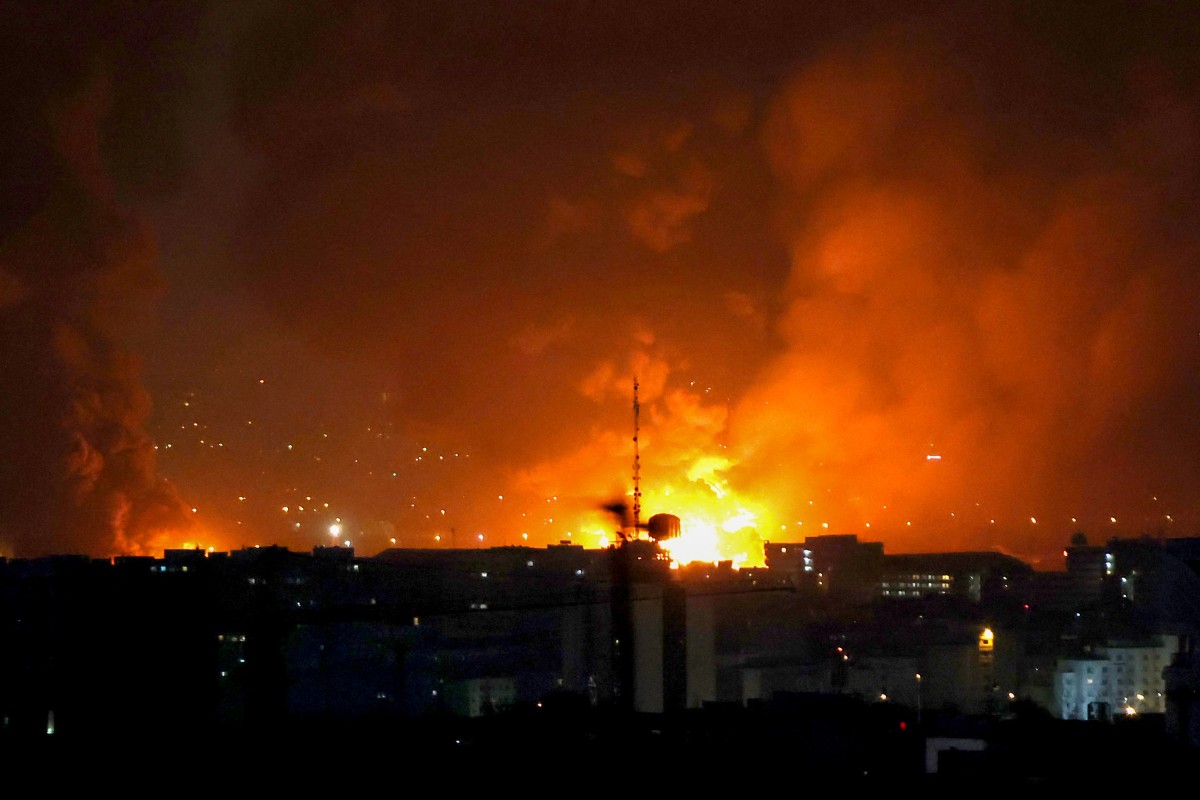
Tehran woke up under a sky that shifted from gray to black following strikes on fuel infrastructure, as the city has become engulfed in a toxic cloud that is turning daily life into a public health and environmental emergency.
Residents warn that what is falling from the sky is no longer just rain, but a mixture of oil and pollutants. Attacks on fuel depots have triggered prolonged fires, releasing thick plumes of smoke that continue to spread across the العاصمة.
For several days, facilities have remained ablaze, while a dark layer has settled over streets, homes, and even water reserves. Authorities have urged the population—more than nine million people—to remain indoors, especially vulnerable groups.
The extreme toxicity is linked to mazut, a dense petroleum byproduct with high sulfur content still used in Iran due to industrial limitations and sanctions. When burned, it releases hazardous particles that, when combined with moisture, result in contaminated rainfall.
The situation is worsened by Tehran’s geography. Surrounded by mountains, the city is affected by a temperature inversion phenomenon that traps pollutants near the ground, preventing their dispersion and creating a stagnant layer of toxic air over the population.
Residents have reported symptoms such as eye and skin irritation, headaches, and respiratory difficulties. Emergency agencies have also warned of potential chemical burns caused by acid rain.
Long-term concerns are mounting, as prolonged exposure to fine particles and heavy metals could lead to serious health conditions, including lung damage and cancer.
Contamination is also spreading to water sources and agricultural land, threatening the food supply in a country already facing water scarcity.
At a regional level, the environmental impact is expanding, with oil spills reported in the Persian Gulf, affecting marine ecosystems and fishing communities.

Looting Spreads in Venezuela’s Hardest-Hit Areas After Deadly Earthquakes

UN warns Venezuela earthquakes could affect up to 6.76 million people

United Nations Coordinates Relief Efforts as Venezuela Death Toll Rises After Twin Quakes
Tec de Monterrey honors one of its students for his contribution to nanotechnology in medicine

Defense Minister commends salvadoran soldier for Central American Cross Country victory

Extension of the state of emergency approved in southern Chile
-
 International4 hours ago
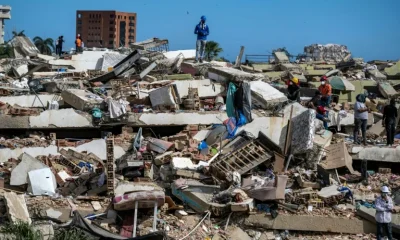
Looting Spreads in Venezuela’s Hardest-Hit Areas After Deadly Earthquakes
-
 Central America4 days ago
El Salvador and Chile Mark 150 Years of Relations With Expanded Bilateral Cooperation
-
 International3 days ago
OAS Secretary General Pledges Regional Assistance Following Venezuela Quake Disaster
-
 International3 days ago
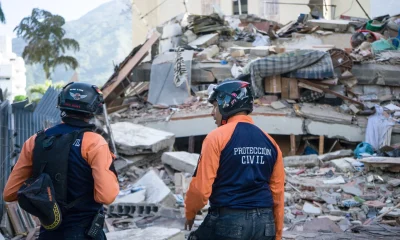
United Nations Coordinates Relief Efforts as Venezuela Death Toll Rises After Twin Quakes
-
 International4 days ago
WHO Expects Deadly Hantavirus Outbreak on Cruise Ship to End by July 2
-

 International4 days ago
Bill Gates Says Jeffrey Epstein Made “Veiled” Threats Over Extramarital Affairs
-
 International1 day ago
UN warns Venezuela earthquakes could affect up to 6.76 million people