
International
Brazil hikes interest rate as inflation surges
AFP
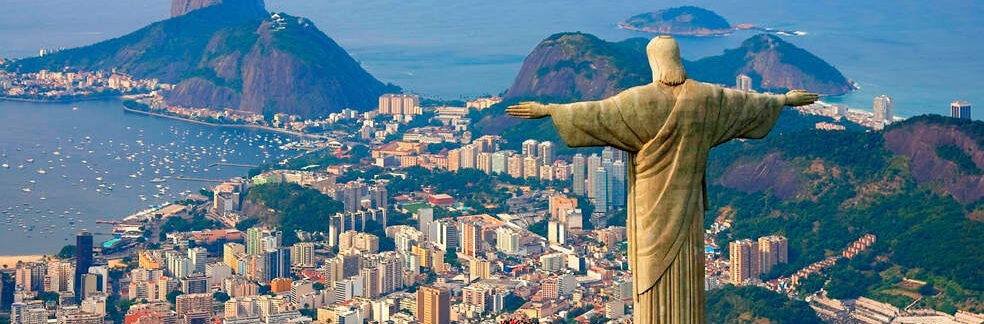
Brazil’s central bank on Wednesday hiked its benchmark interest rate by a whopping 150 basis points for the second straight time, seeking to fight surging inflation even as Latin America’s biggest economy is stuck in recession.
The increase, the seventh straight, was in line with analysts’ expectations. It brought the Selic rate to 9.25 percent, the highest since mid-2017.
The decision was made unanimously by the nine members of the bank’s monetary policy committee, which said in a statement it expected “another adjustment of the same magnitude” when it ends its next meeting, on February 2.
“It is appropriate for the monetary tightening cycle to advance significantly into the territory of a contraction,” it said.











“The committee will persevere in its strategy until not only the process of disinflation but the anchoring of (inflation) expectations in line with its targets are consolidated.”
Policymakers are navigating treacherous waters as they try to right Brazil’s listing pandemic recovery.
The South American giant’s economy is in recession, having contracted by 0.4 percent in the second quarter of 2021 and 0.1 percent in the third.
Despite the slump, the central bank has hawkishly slammed on the monetary policy brakes because of surging inflation, fueled by both global price pressures and Brazil’s own domestic problems.
The annual inflation rate came in at 10.67 percent in October, nearly triple the bank’s target of 3.75 percent.
– Spending amendment –
Rapidly rising prices have been driven by a series of factors: internationally, those include global supply chain shortages, increasing oil prices and pandemic uncertainty.
At home, Brazil faces electricity rate hikes caused by droughts that sapped crucial hydroelectric dams, a weak currency and uncertainty around President Jair Bolsonaro’s bid to amend the constitution to free up money in the government’s tight budget for massive social spending.
Critics accuse the far-right president of embracing economic populism with the new spending measures.
But he won a victory Wednesday when Congress adopted a first portion of the spending amendment, enabling the government to postpone court-ordered debt payments.
That will free up 62 billion reais ($11 billion) to spend in 2022, with most expected to go to welfare payments.
The economy has turned into a major headache for Bolsonaro heading into elections next October that polls currently place him on track to lose to leftist ex-president Luiz Inacio Lula da Silva.
Double-digit inflation has left many Brazilian families struggling to make ends meet, weighing down Bolsonaro’s already sagging popularity — and driving his bid for new social spending, political analysts say.
Brazil’s unemployment rate has meanwhile been stubbornly high, at 12.6 percent for the third quarter.










International
U.S. to Limit Visa Duration for Foreign Students and Journalists
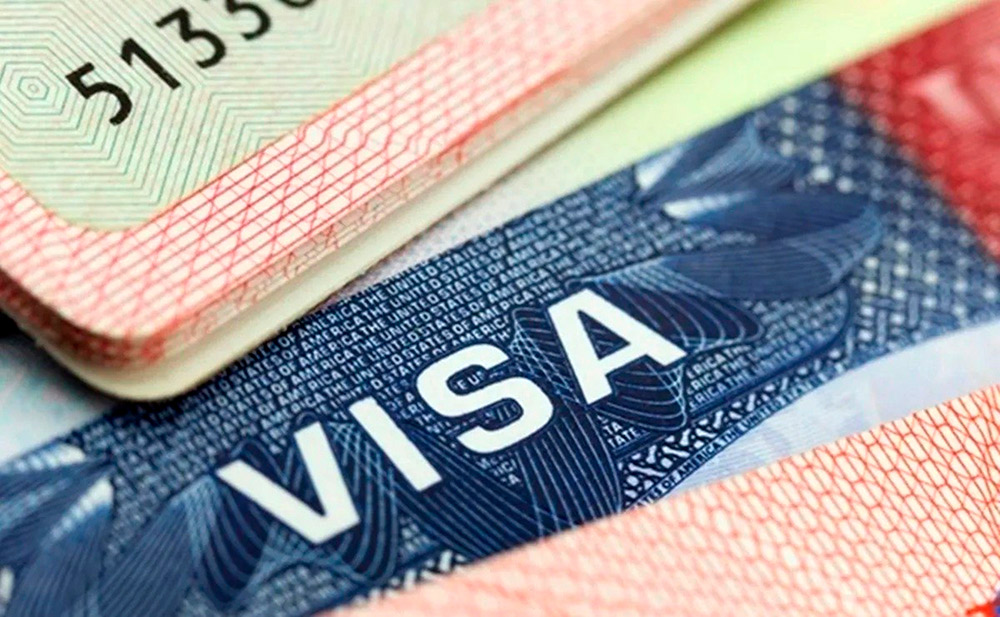
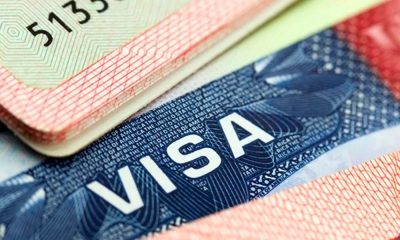
The United States has announced new limits on the legal length of stay for foreign students and journalists, marking the latest tightening of immigration policies under President Donald Trump.
The changes, outlined in an administrative rule published on Thursday, are expected to take effect in September, unless Congress blocks the measure.
Under the new policy, holders of student visas will be allowed to remain in the United States for no more than four years.
Foreign journalists will be limited to 240-day stays—approximately eight months—with the possibility of applying for extensions of the same duration.
The policy imposes even stricter rules on Chinese journalists, whose visas will be capped at 90 days.
More than 100 international news organizations and press freedom groups, including Agence France-Presse (AFP), criticized the measure in an open letter, arguing that it would reduce both the quantity and quality of international coverage of events in the United States.
The Republican Party, led by President Trump, currently holds a majority in Congress and has pledged to curb both illegal immigration and certain forms of legal immigration.
Previously, the United States generally issued student visas for the full duration of an academic program, while foreign journalists could receive visas valid for up to five years.
Central America
Nicaragua Cuts Diplomatic Ties With Italy Over Red Brigades Dispute

The Nicaraguan government announced on Thursday that it is severing diplomatic relations with Italy following criticism from the Italian government over Nicaragua’s long-standing decision to shelter Alessio Casimirri, a former member of the Red Brigades convicted in Italy for the 1978 kidnapping and murder of former Prime Minister Aldo Moro.
Italian Foreign Minister Antonio Tajani criticized the administration of co-presidents Daniel Ortega and Rosario Murillo on Wednesday for continuing to provide refuge to Casimirri, who was sentenced in Italy to six life terms for his role in Moro’s abduction and killing.
In a statement issued Thursday, Nicaragua’s Foreign Ministry said it was ending all diplomatic relations with Italy, describing Tajani’s remarks as “unjustified, aggressive, and irresponsible.”
Tajani made the comments during a gathering of conservative leaders from Europe and Latin America held in Madrid.
“We have absolutely nothing in common with the positions of extremist governments such as Nicaragua, a country that continues to harbor dangerous Red Brigades terrorists like Alessio Casimirri,” Tajani said, according to Italian media.
The diplomatic break marks a new escalation in tensions between the two countries over the decades-old case involving Casimirri, who has lived in Nicaragua for many years despite repeated calls from Italy for his extradition.
International
U.S. Strikes Hit Areas Near Strait of Hormuz as Tensions With Iran Escalate
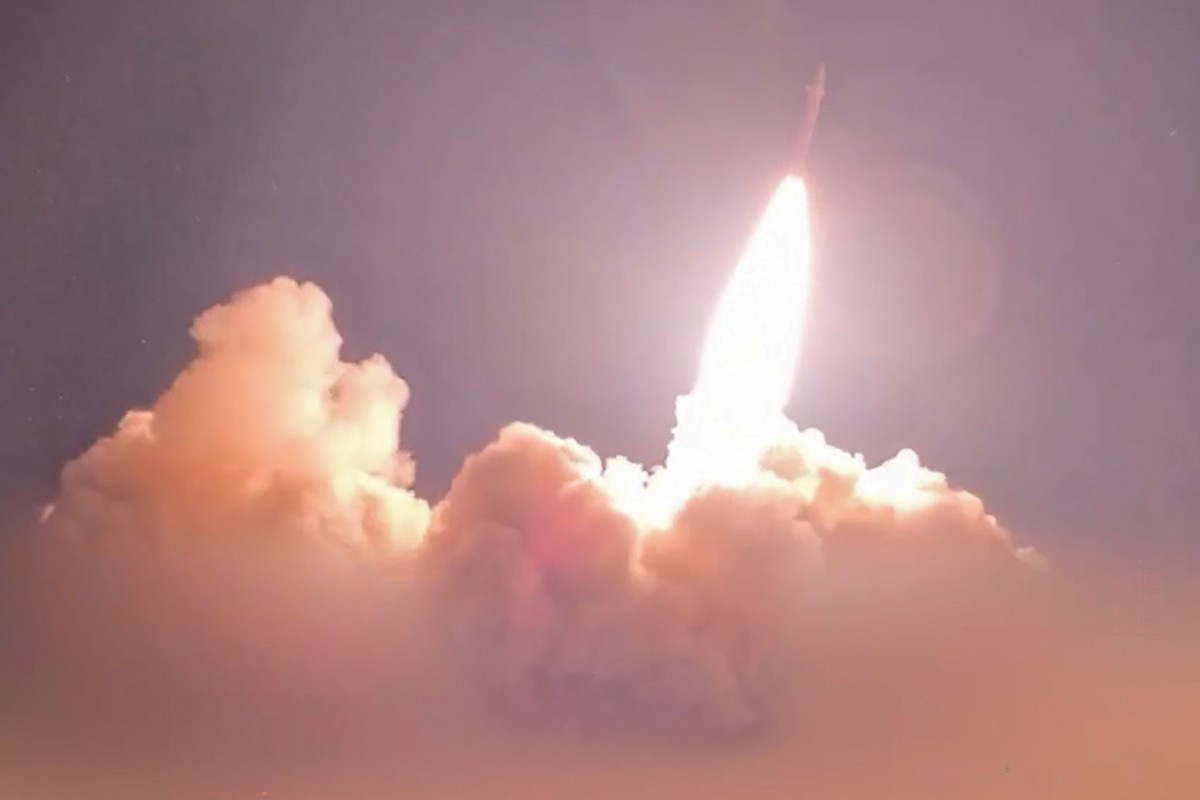
Several U.S. strikes targeted areas near the Strait of Hormuz on Thursday, according to Iranian state media citing local authorities, as hostilities between the United States and Iran intensified.
Officials in Iran’s Hormozgan Province said the island of Qeshm was struck multiple times by what they described as U.S. missiles during the evening. The reports were carried by the Iranian news agencies Fars and Tasnim.
Iranian state television also reported that the Bandar Abbas region, located on the Iranian coast overlooking the Strait of Hormuz, was the target of what authorities described as an “enemy U.S. air attack.”
According to local officials quoted by state television, no casualties have been reported following the strikes.
The reported attacks come amid renewed military tensions between Washington and Tehran, although U.S. authorities had not immediately commented on the reported operations.

U.S. to Limit Visa Duration for Foreign Students and Journalists

Nicaragua Cuts Diplomatic Ties With Italy Over Red Brigades Dispute

U.S. Strikes Hit Areas Near Strait of Hormuz as Tensions With Iran Escalate
Tec de Monterrey honors one of its students for his contribution to nanotechnology in medicine

Defense Minister commends salvadoran soldier for Central American Cross Country victory

Extension of the state of emergency approved in southern Chile
-
 International4 days ago
ICE reverses course and moves forward with New Jersey migrant detention facility project
-
 International16 hours ago
U.S. Strikes Hit Areas Near Strait of Hormuz as Tensions With Iran Escalate
-
 International4 days ago
Judge rules Trump’s IRS lawsuit was a “bad faith” attempt to manipulate the judicial process
-
 International4 days ago
Marco Rubio launches U.S. campaign to “dismantle” the International Criminal Court
-
 International3 days ago
France Holds Largest Bastille Day Military Parade as Europe Highlights Strategic Defense
-
 International3 days ago
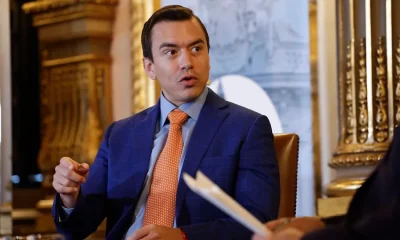
President Noboa Declares New Security Strategy as Ecuador Faces Record Violence Levels
-
 International3 days ago
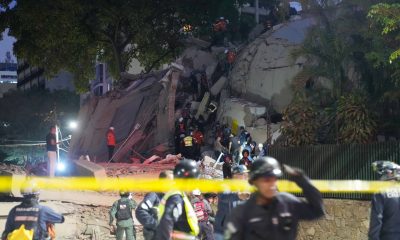
Foreign Medical Teams Race to Prevent Health Crisis in Venezuela Earthquake Camps
-
 International5 days ago
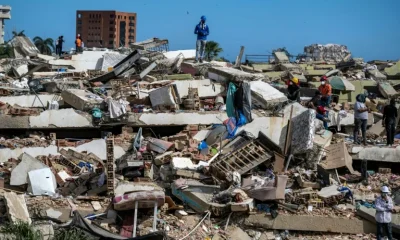
Venezuela Earthquake Death Toll Rises to 4,490 as Rescue Efforts Continue
-

 International2 days ago
Latin Music Stars Unite in Miami to Raise Aid for Victims of Venezuela’s Devastating Earthquake
-
 International2 days ago
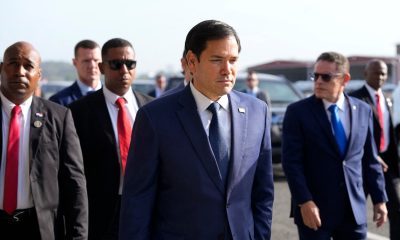
Trump Administration Seeks Global Action Against “Resurgent” Left-Wing Terrorism
-
 International16 hours ago
U.S. to Limit Visa Duration for Foreign Students and Journalists
-
 International16 hours ago
El Salvador Sends Eighth Humanitarian Flight to Earthquake-Hit Venezuela
-
 Central America16 hours ago
Nicaragua Cuts Diplomatic Ties With Italy Over Red Brigades Dispute