
International
Colombia authorizes export of dried cannabis flowers

AFP
Colombia gave the green light Friday to export dried cannabis flowers for use in medical products in addition to allowing manufacturers to produce goods such as textiles or food containing the plant.
In a bold embrace of a booming global market, President Ivan Duque signed a decree ending “the ban on the export of dried flower” in an event organized at Clever Leaves, one of the 18 multinationals that grows medicinal cannabis in Colombia.
Colombia “is coming in as a major player in the international market” for cannabis, Duque said.
Colombia, the world’s top producer of cocaine and which has major cannabis production, legalized the production of medical marijuana in 2016.











Until now, however, it was only allowed to export extracts of the plant, not its flowers.
Authorities had feared that exportation of the flowers would allow them to be diverted to the illegal side of the trade.
In a letter sent to Duque on July 14, the cannabis cultivation company Canamonte argued that a rule against exportation of the flowers prevented growers from “accessing the largest and most profitable market segment of the medical cannabis industry.”
Flowers, which concentrate the plant’s medicinal and psychoactive compounds, “may represent 53 percent of this market worldwide,” according to Duque.
The new authorization also allows for the manufacture of “non-psychoactive derivatives” from the plant.
“We are no longer only in pharmaceutical use. We are opening the space to do much more in cosmetics… food and beverages” and even textiles, the president said.
Fabian Currea, Canamonte’s director of cultivation, told AFP that ending the ban on exporting flowers “gives us the chance to explore new markets” and take advantage of the plant’s low production costs in Colombia.
The rule also “helps control the informal market for fraudulent products” based on marijuana that has had a recent boom in Colombia, Currea said.
The government estimates that by 2024 the medical cannabis business could become a $64 billion industry.
Other countries in the region such as Uruguay, Ecuador and Peru have also legalized the production of marijuana for medicinal purposes.










International
Heat wave puts more than 70 million Americans under alerts as temperatures near 46°C

More than 70 million people remained under heat alerts Monday as an intense heat wave continued across the southern United States, particularly Florida and states along the Mexican border, where temperatures and heat indexes could reach as high as 46 degrees Celsius, according to the National Weather Service (NWS).
Several cities recorded or tied temperature records over the weekend and into Monday, including Miami and Fort Lauderdale in Florida; Laredo, Borger and Austin’s airport in Texas; Atlanta, Georgia; Raleigh and Charlotte, North Carolina; and Memphis, Tennessee.
The NWS warned that the heat wave will continue affecting the southern and southeastern United States, with maximum temperatures expected to remain near 38°C to 40°C for several days. The heat index, which combines temperature and humidity to estimate how hot conditions feel, could reach 46°C.
The extreme heat is also spreading into the Southwest, where temperatures began rising again between Monday and Tuesday. Forecast highs in the region range from about 38°C to 43°C.
Heat alerts remain in effect across Nevada, Arizona and California, including areas in southern Arizona and California near the Mexican border, as authorities warn of the risks posed by prolonged extreme temperatures.
The NWS urged residents to limit outdoor activity, stay hydrated, ensure access to air conditioning or cooling centers, and check on vulnerable friends, neighbors and family members.
The United States is experiencing a summer marked by above-average temperatures and repeated heat waves. One of the most intense episodes occurred during the July 4 weekend, when extreme heat was blamed for roughly 30 deaths.
July was the hottest month ever recorded in the United States since measurements began, with the average temperature across the contiguous country approaching 25°C, according to the National Oceanic and Atmospheric Administration (NOAA).
The combination of extreme heat and drought conditions has also fueled wildfires. Nearly 3 million hectares have burned across the country so far in 2026, making it the largest area affected by wildfires in a decade.
International
Trump warns Iran over nuclear ambitions as U.S.-Iran ceasefire deadline passes
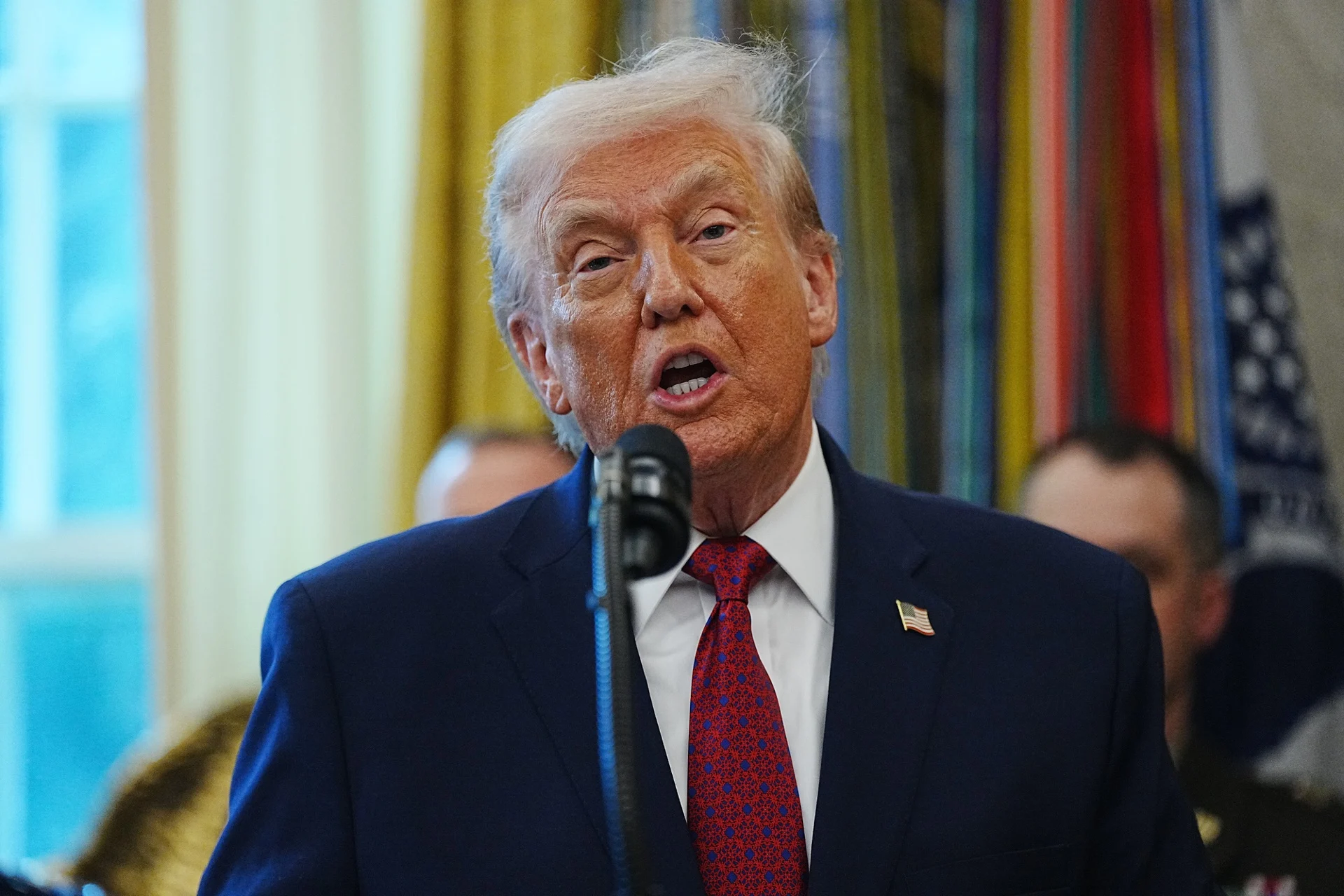
U.S. President Donald Trump reiterated Monday that Iran must never be allowed to obtain a nuclear weapon, as a 60-day deadline set under a memorandum of understanding between Washington and Tehran expired without an agreement to end the conflict in the Middle East.
“The number one goal is, and always will be, that Iran cannot have, in any way or under any circumstances, a nuclear weapon,” Trump wrote in a post on his Truth Social platform.
The memorandum, signed on June 17, called for an “immediate and permanent cessation of military operations on all fronts” as part of a broader negotiation process aimed at ending the conflict. However, the deadline expired Monday without a peace agreement, while both Washington and Tehran continued to maintain their respective positions.
The expiration is largely symbolic, as military clashes resumed during the 60-day period. The Strait of Hormuz also remains blocked, contributing to elevated global oil prices.
Trump escalated his rhetoric toward Tehran last Friday, saying he planned to declare the Strait of Hormuz U.S. territory after defeating Iran.
“After we finish defeating Iran, which is being very badly defeated, very soon I will essentially declare the Strait of Hormuz U.S. territory,” Trump said during a political rally in Long Island, New York. He also claimed that the United States currently controls the passage of vessels through the strategic waterway.
Meanwhile, U.S. Treasury Secretary Scott Bessent said Washington is preparing additional economic measures against Iran that he described as unprecedented.
“Stay tuned for new announcements next week because we are going to implement measures unlike anything ever seen in the history of the economic isolation of a country,” Bessent said.
The Treasury secretary indicated that the measures would form part of a broader “double hit” strategy that could also involve maintaining the blockade of Iranian ports.
International
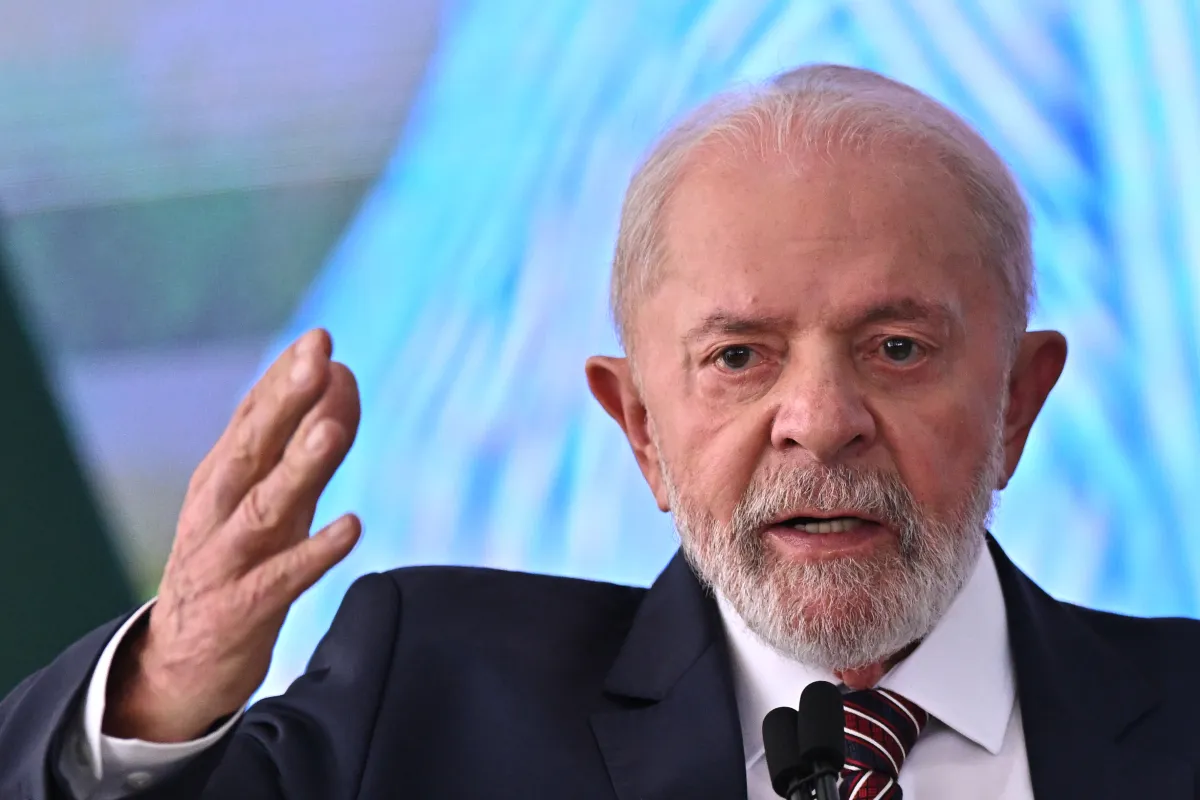
Brazil’s Lula and Flávio Bolsonaro kick off election campaigns amid focus on crime

Heat wave puts more than 70 million Americans under alerts as temperatures near 46°C

Trump warns Iran over nuclear ambitions as U.S.-Iran ceasefire deadline passes

Brazil’s Lula and Flávio Bolsonaro kick off election campaigns amid focus on crime

Actress Hayden Panettiere Dies at 36, Representative Confirms

Luigi Mangione Pleads Guilty to Killing UnitedHealthcare CEO Brian Thompson

ICE Plan to Equip Agents With Electric Shock Gloves Raises Abuse Concerns

Three U.S. Executions Set for Same Day as Trump Pushes to Expand Death Penalty

Colombia Earthquake Death Toll Reaches 265 as Rescue Teams Race Against Time
Actress Hayden Panettiere Dies at 36, Representative Confirms
Three U.S. Executions Set for Same Day as Trump Pushes to Expand Death Penalty
Colombia Earthquake Death Toll Reaches 265 as Rescue Teams Race Against Time
Trump warns Iran over nuclear ambitions as U.S.-Iran ceasefire deadline passes
Heat wave puts more than 70 million Americans under alerts as temperatures near 46°C
ICE Plan to Equip Agents With Electric Shock Gloves Raises Abuse Concerns
Luigi Mangione Pleads Guilty to Killing UnitedHealthcare CEO Brian Thompson
Brazil’s Lula and Flávio Bolsonaro kick off election campaigns amid focus on crime
-
 International17 hours ago
Actress Hayden Panettiere Dies at 36, Representative Confirms
-
 International4 days ago
Three U.S. Executions Set for Same Day as Trump Pushes to Expand Death Penalty
-
 International4 days ago
Colombia Earthquake Death Toll Reaches 265 as Rescue Teams Race Against Time
-
 International3 hours ago
Trump warns Iran over nuclear ambitions as U.S.-Iran ceasefire deadline passes
-
 International2 hours ago
Heat wave puts more than 70 million Americans under alerts as temperatures near 46°C
-
 International3 days ago
ICE Plan to Equip Agents With Electric Shock Gloves Raises Abuse Concerns
-
 International3 days ago
Luigi Mangione Pleads Guilty to Killing UnitedHealthcare CEO Brian Thompson
-
 International3 hours ago
Brazil’s Lula and Flávio Bolsonaro kick off election campaigns amid focus on crime