
International
Macron to announce new voluntary military service amid rising security concerns in Europe
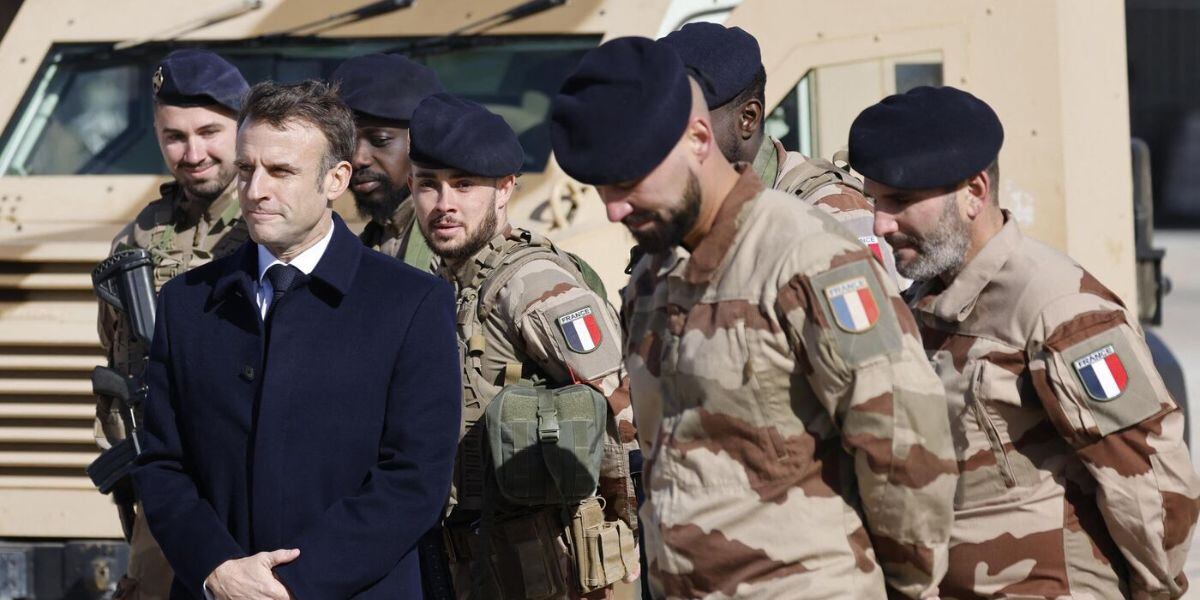
French President Emmanuel Macron is expected to announce on Thursday the creation of a voluntary military service program, following similar moves by other European countries amid growing concerns over Russia and uncertainty surrounding the United States as an ally.
The announcement comes after controversy sparked by the Chief of the Defense Staff, General Fabien Mandon, who last week urged the French population to “accept losing their children” in the event of a conflict in Europe. Macron insisted the comments were taken out of context.
“It is absolutely necessary to dispel any confusion suggesting that we are going to send our young people to Ukraine,” the president said in an interview with RTL radio on Tuesday.
France ended mandatory military service in 1997 under conservative president Jacques Chirac, but Macron has been advocating for “a new framework for service” within the Armed Forces to strengthen what he describes as the “army–nation bond.”
According to several sources, the centrist president is expected to unveil a voluntary military service initiative starting with around 2,000 participants, with a long-term goal of reaching 50,000 volunteers per year.
While the government has not yet detailed how the program will work, French media report that the service would last about 10 months and include compensation of several hundred euros.











The French Armed Forces currently comprise roughly 200,000 active-duty personnel and 47,000 reservists. By 2030, the goal is to increase those figures to 210,000 and 80,000, respectively.










International
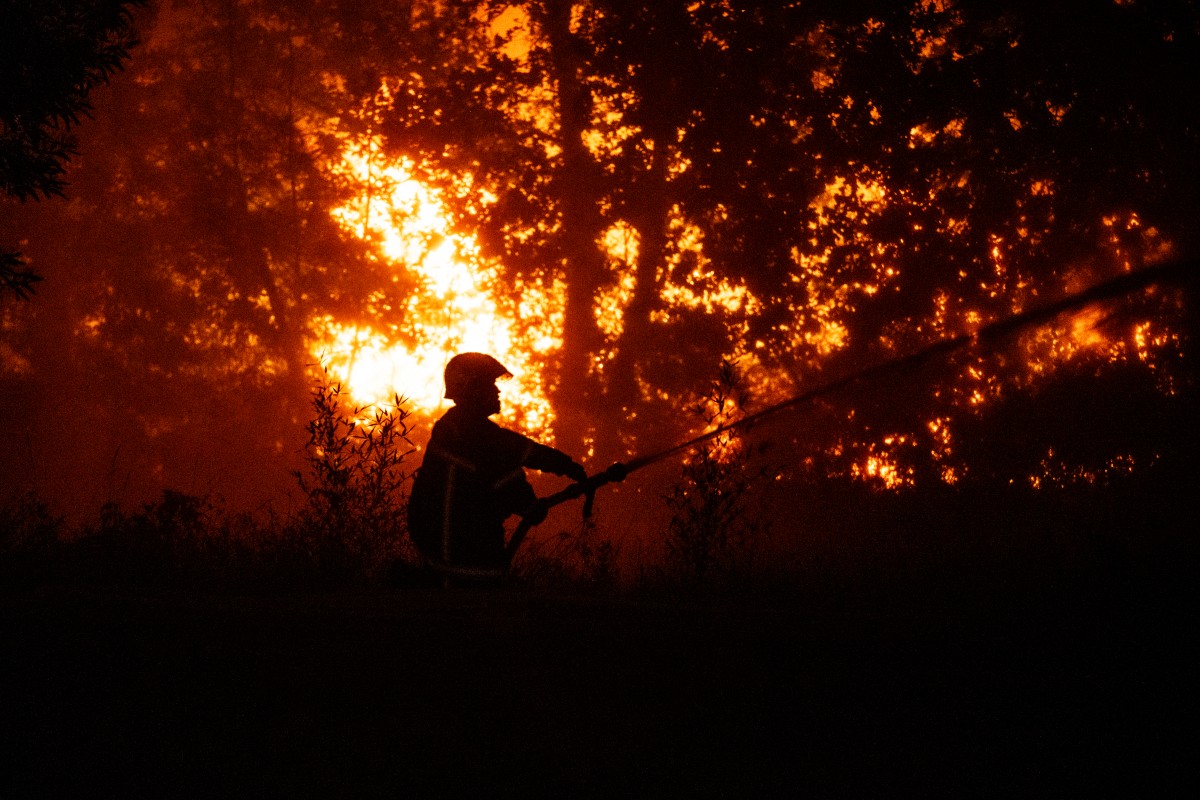
Wildfires in France Burn Nearly Three Times More Land Than in 2025, Interior Minister Says
International
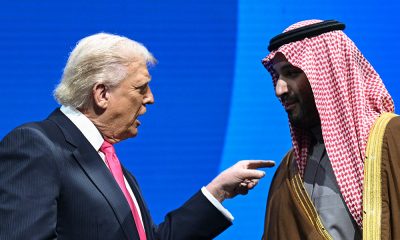
Israel Says Saudi Recognition Would Mark ‘Historic Breakthrough’ for Middle East Peace
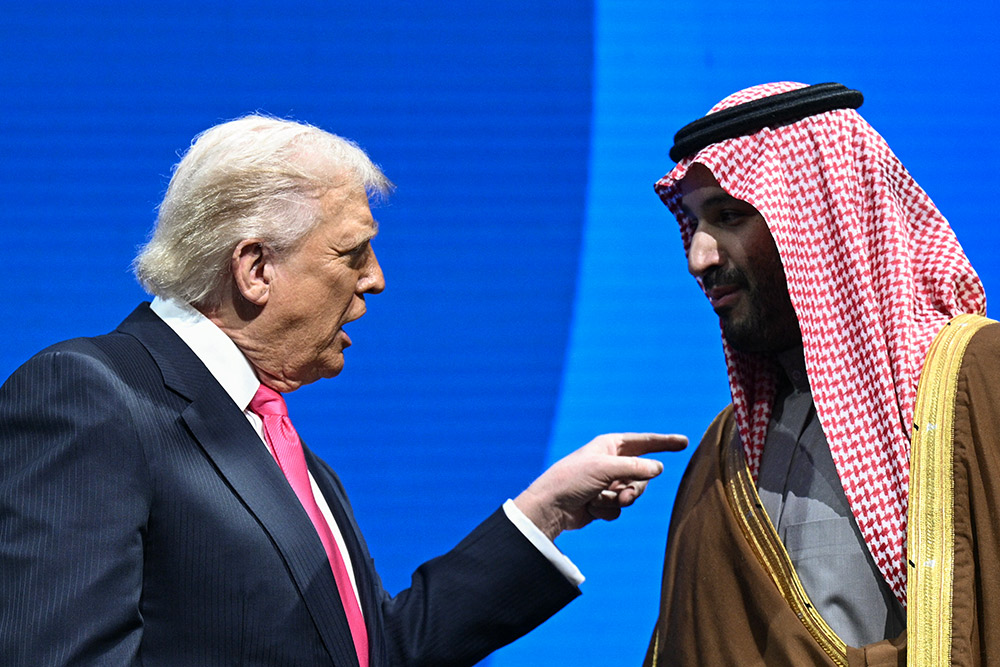
The office of Israeli Prime Minister Benjamin Netanyahu said Thursday that Saudi Arabia’s recognition of Israel would represent a “historic breakthrough” toward achieving peace in the Middle East.
The statement came after the United States and Saudi Arabia announced an agreement on Wednesday to establish a civil nuclear program in the kingdom. U.S. President Donald Trump said the initiative would be linked to Riyadh’s decision to normalize diplomatic relations with Israel.
“Saudi Arabia joining the Abraham Accords would represent a historic breakthrough toward peace in the Middle East,” Netanyahu’s office said following Trump’s announcement.
The statement added that recent developments, including joint military actions by the United States and Israel against Iran, as well as Israel’s efforts against what it described as Iran’s “terror axis,” have created new opportunities to expand regional diplomatic ties.
“The joint U.S.-Israeli military action against the genocidal regime in Tehran and Israel’s defeat of Iran’s terror axis have created the possibility of expanding the circle of peace,” the statement said.
A potential normalization agreement between Israel and Saudi Arabia would represent a major diplomatic shift in the region, as Riyadh has long been viewed as one of the key countries whose formal recognition could significantly reshape Middle Eastern relations.
International
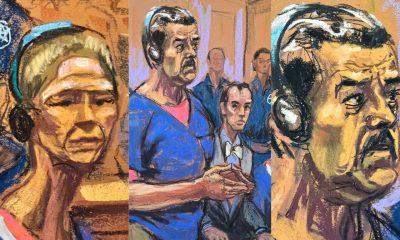
Nicolás Maduro’s Son Calls U.S. Trial Against His Father and Cilia Flores “Unjust”
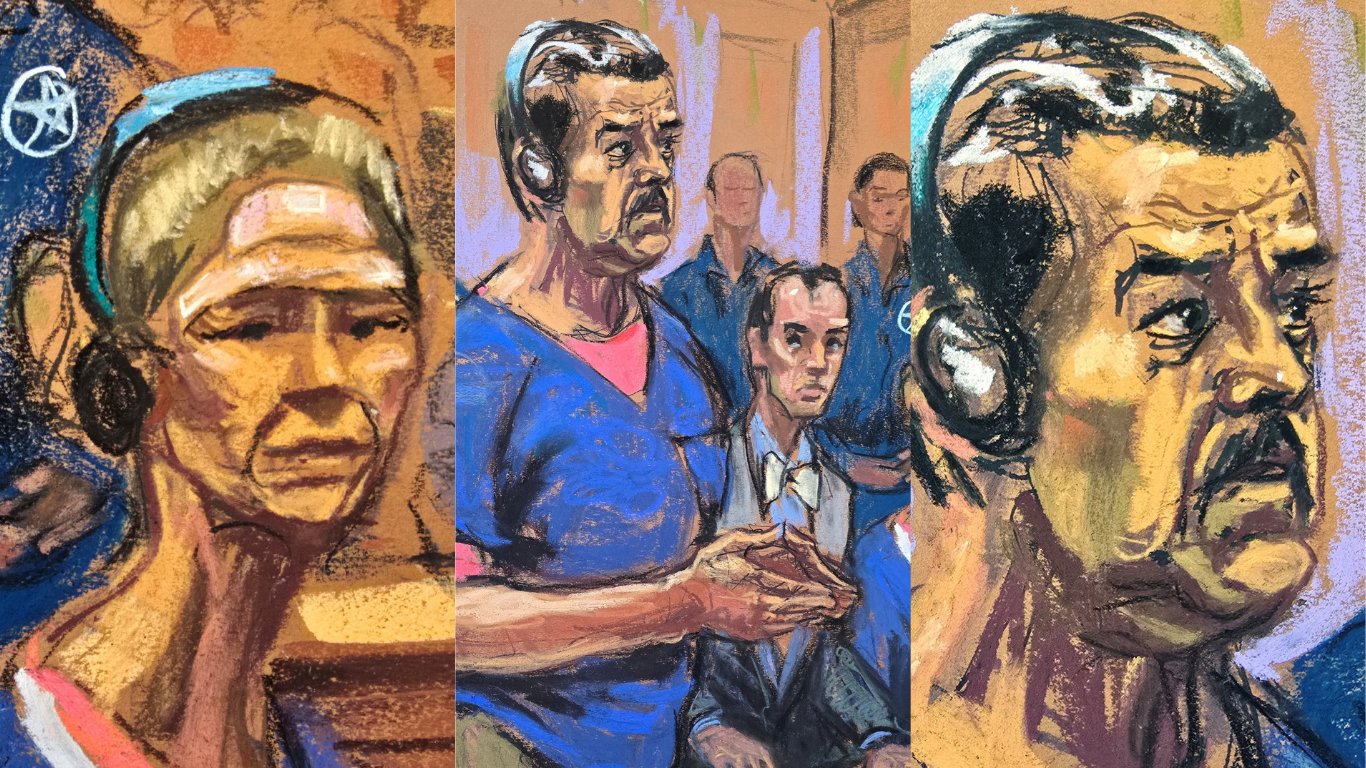
Venezuelan lawmaker Nicolás Maduro Guerra on Wednesday described as “unjust” the legal proceedings in the United States against his father, ousted Venezuelan President Nicolás Maduro, and his wife, Cilia Flores, following their capture in Caracas on January 3 by U.S. forces.
“Faced with the unjust trial taking place today, the people raised their voices with a single demand: We demand the immediate release of President Nicolás Maduro and the First Lady,” Maduro Guerra wrote on his Instagram account.
The lawmaker attended a rally in Caracas where supporters of the ruling United Socialist Party of Venezuela (PSUV)gathered to show support for the former president, who faces charges in the United States including conspiracy to commit narco-terrorism and cocaine importation. Flores is accused of crimes related to drug trafficking and weapons possession.
The event was also attended by PSUV Vice President for Mobilizations and Events Nahum Fernández and Caracas Mayor Carmen Meléndez, according to photos shared by Maduro’s son.
The third hearing in the case against Maduro and Flores concluded Wednesday at a federal court in New York after lasting only about 18 minutes. During the hearing, the judge preliminarily set June 2027 as the expected start date for the trial.
One of the main arguments from the defense will focus on immunity. Maduro’s lead attorney, Barry Pollack, who has also represented WikiLeaks founder Julian Assange, said the defense plans to request immunity for both defendants, arguing that Maduro was serving as head of state and Flores as first lady at the time of their detention.
Both Maduro and Flores pleaded not guilty during their first court appearance in New York on January 5.
Meanwhile, Venezuela’s interim president Delcy Rodríguez, who assumed power after Maduro’s capture, has not yet commented on Wednesday’s hearing in the United States.

Wildfires in France Burn Nearly Three Times More Land Than in 2025, Interior Minister Says

Israel Says Saudi Recognition Would Mark ‘Historic Breakthrough’ for Middle East Peace

Honduras Warns of Possible New Dengue Epidemic as Cases Continue to Rise
Tec de Monterrey honors one of its students for his contribution to nanotechnology in medicine

Defense Minister commends salvadoran soldier for Central American Cross Country victory

Extension of the state of emergency approved in southern Chile
-

 International5 days ago
Controversial Pesticide Law Passes in France, Sparking Ecological Concerns and Ministerial Fallout
-
 Central America3 days ago
CDC Issues Level 2 Travel Alert for Costa Rica Amid Chikungunya Outbreak
-
 Sports5 days ago
MLS Awaits Blockbuster Debuts as Griezmann and Lewandowski Join the Spotlight
-
 International5 days ago
U.S. Sends First Humanitarian Aid Flight to Cuba Amid Ongoing Tensions Between Both Governments
-
 International2 days ago
Wildfires in France Burn Nearly Three Times More Land Than in 2025, Interior Minister Says
-

 International4 days ago
Mexico Files 20 Complaints in U.S. Over Deaths of 17 Citizens During ICE Operations
-
 International4 days ago
Nicolás Maduro’s Son Calls U.S. Trial Against His Father and Cilia Flores “Unjust”
-
 International5 days ago
India Approves New Dengue Vaccine as Global Cases Continue to Rise
-
 Central America3 days ago
Honduras Warns of Possible New Dengue Epidemic as Cases Continue to Rise
-
 International2 days ago
Israel Says Saudi Recognition Would Mark ‘Historic Breakthrough’ for Middle East Peace