
Central America
Teens visit ETESAL substation to learn about responsible energy use
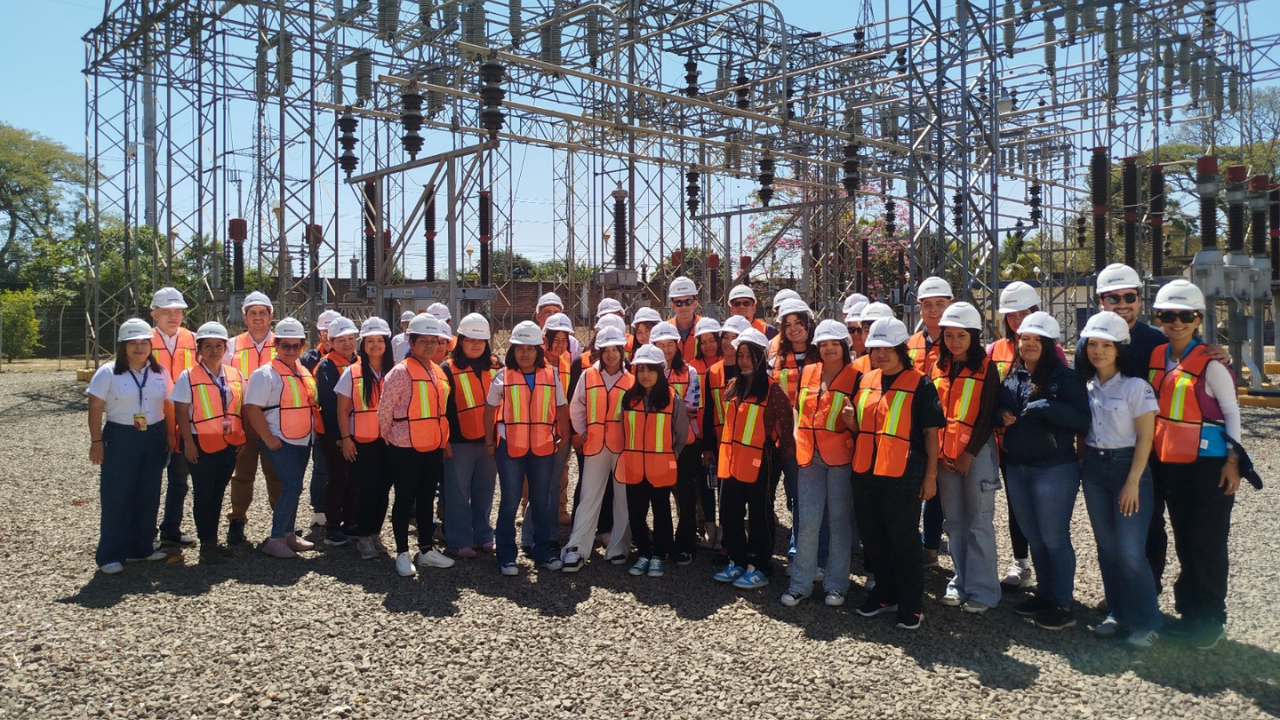
Within the framework of World Energy Day, teenagers from the institutional care center Ciudad Niñez y Adolescencia (CNA), run by the Consejo Nacional de la Primera Infancia, Niñez y Adolescencia (Conapina), took part in an educational visit to a substation operated by Empresa Transmisora de El Salvador (ETESAL) in Santa Ana.
The aim of the activity was to give participants first-hand knowledge of how the country’s electricity transmission system works and to highlight the importance of responsible energy use.
During the tour, the group learned about the process that delivers electricity to homes, businesses, and industries. They were also introduced to specialized technical equipment and the safety measures required to ensure an efficient and reliable service.
Before the guided visit, the teenagers attended two informative talks and an environmental awareness session focused on the relevance of responsible energy consumption and its impact on the environment.
According to Nelson Menjívar, head of Conapina’s programs unit, the initiative serves a dual purpose. “It has two objectives: a recreational component and an educational one, so that adolescents can learn about the work carried out by ETESAL and how some of the resources they use at home are generated. This is in keeping with the guarantees established under the Crecer Juntos law; we ensure those rights for children,” he said.









Menjívar stressed that these activities help young people better understand how essential services function in their daily lives while promoting efficient consumption habits and a culture of environmental respect and care.
The event is part of the principle of shared responsibility set out in the Crecer Juntos law, promoted by the administration of Nayib Bukele, which states that families, society, private companies, and the State must work together to safeguard the comprehensive well-being of children and adolescents.






Central America
Guatemala’s president denounces MP raids during Constitutional Court election
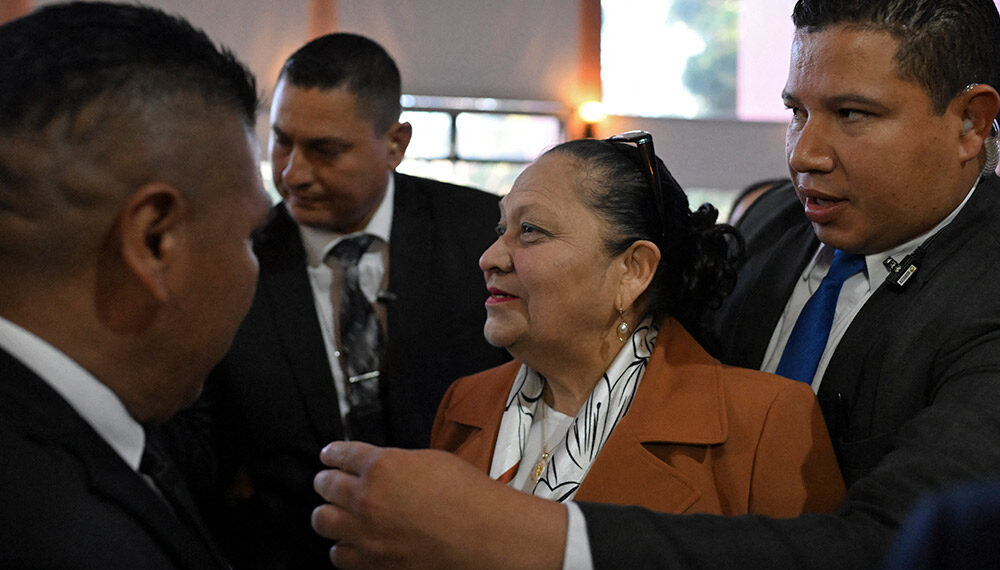
The president of Guatemala, Bernardo Arévalo, on Thursday accused the Ministerio Público (MP) of interfering in the process to select magistrates for the country’s highest court, the Corte de Constitucionalidad (CC).
Arévalo has been locked in an ongoing dispute with Attorney General Consuelo Porras, who has been sanctioned by the United States and the European Union and labeled by critics as “corrupt” and “anti-democratic” after efforts to block the president from taking office two years ago.
Earlier on Thursday, the MP said it was investigating alleged irregularities in the voting process and carried out raids at polling sites set up at Club La Aurora and Parque Erick Barrondo, in Guatemala City, where the Colegio de Abogados y Notarios de Guatemala (CANG) was electing its principal and alternate representatives to the CC.
In posts on X, the president described the operation as a “spurious” action aimed at “interfering” in the election and “intimidating” voters in order to “alter” the outcome.
Voting was temporarily disrupted by the searches, the frisking of the CANG president, and a power outage caused by the explosion of a nearby transformer. Once the process resumed and concluded, the association elected Astrid Jeannette Lemus Rodríguez as one of the five members of the Constitutional Court, with Luis Fernando Bermejo Quiñónez chosen as her alternate.
“They failed in their attempt to hijack the elections (…). Honest lawyers won,” Arévalo wrote in a subsequent message.
Central America
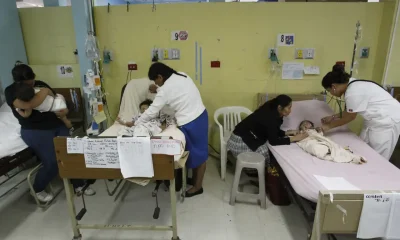
Guatemala to Phase Out Longstanding Medical Cooperation Agreement with Cuba
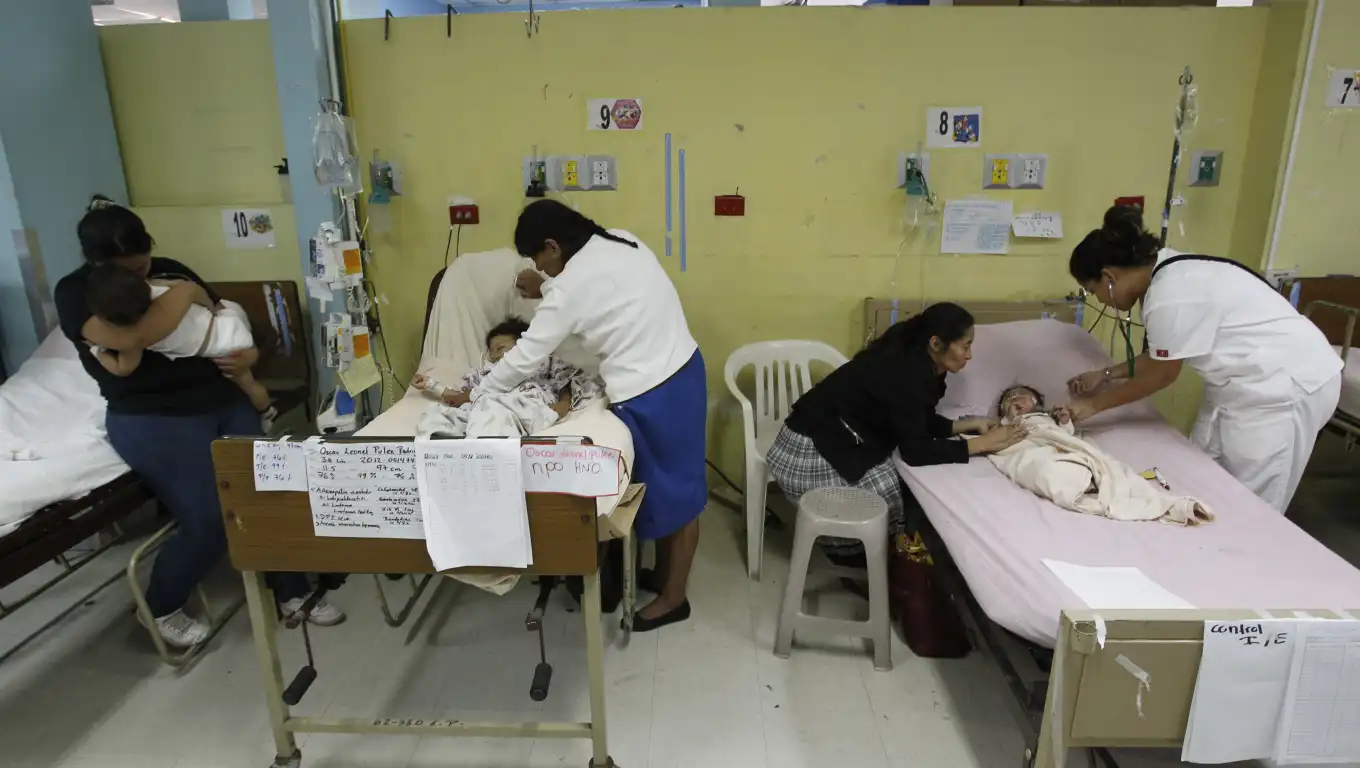
Guatemala’s government announced on Tuesday that it will end this year a cooperation agreement with Cuba that has brought doctors from the Caribbean nation to work in the Central American country.
Guatemala’s Health Ministry told EFE that the program, which has been in place for nearly three decades, will be phased out progressively throughout 2026.
According to the same source, there are currently 412 Cubans in Guatemala under the agreement, including 333 physicians.
Cuban medical brigades assigned to Guatemala have traditionally been deployed to various regions of the country to provide primary health care to local communities.
“The decision follows a technical assessment aimed at strengthening the sustainability of the national workforce and consolidating the public health system’s own capacities,” the Guatemalan ministry said.
Earlier this week, lawmaker Sonia Gutiérrez, from the left-wing Winaq party, warned that the move “could be an inhumane act that threatens the health and lives of the country’s most vulnerable populations,” given the historic importance of Cuban doctors in providing medical care.
For that reason, the legislator summoned Health Ministry authorities to Congress, as permitted by law, to provide further details about the decision.
Former human rights ombudsman Jordán Rodas Andrade also weighed in on social media, recalling that “for 27 years Cuban doctors have been the backbone of health care in Guatemala’s most neglected areas,” and stressing that “ending this agreement is an act of ingratitude that leaves the most vulnerable unprotected.”
President Bernardo Arévalo’s government told EFE that, in order to guarantee continued care, it will implement a gradual replacement plan that includes hiring national personnel.
Central America
Guatemala isolates Barrio 18 leader after attacks that killed 11 police
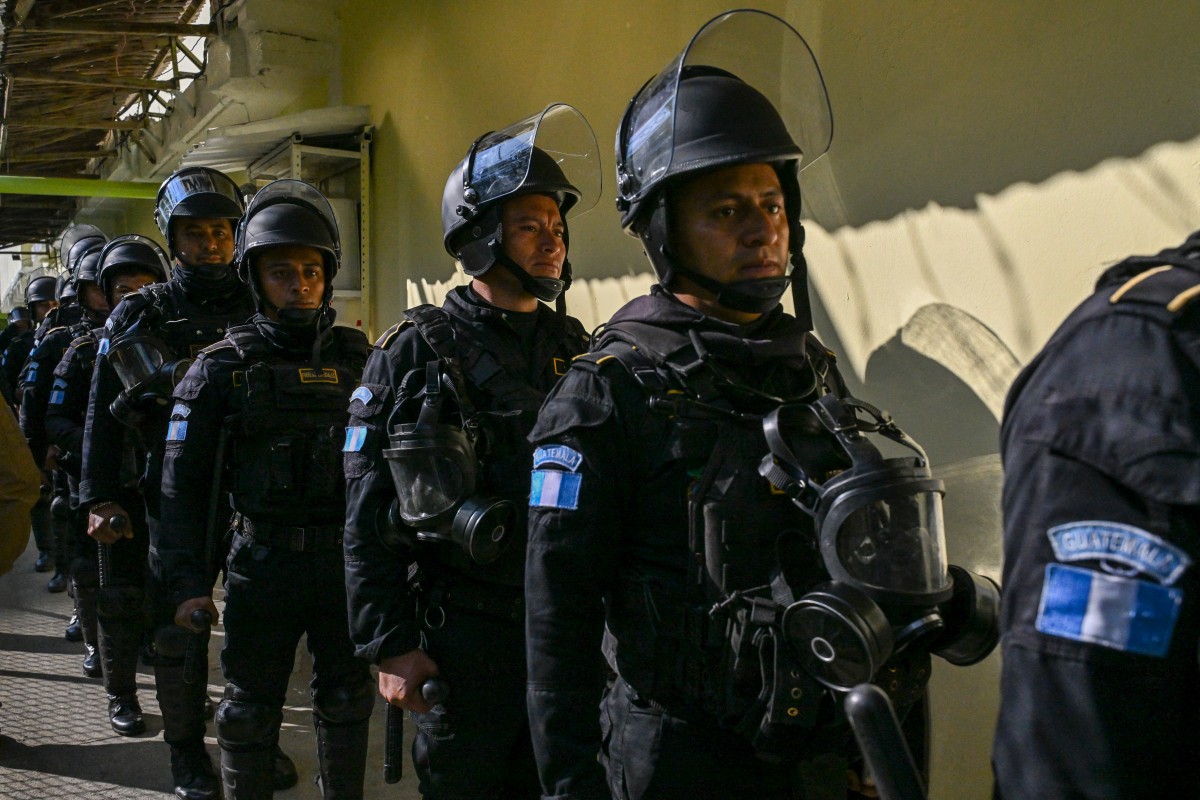
Guatemalan authorities have placed a leader of the Barrio 18 gang in an isolated cell without الكهرباء or “privileges” after he was accused of triggering a recent wave of violence that left 11 police officers dead, the government said on Sunday.
Members of Barrio 18, which is designated as a “terrorist” organization by both the United States and Guatemala, carried out the killings on January 18 in retaliation for the government’s takeover of three prisons that had been under the control of inmates linked to the group.
In response to the attacks, President Bernardo Arévalo declared a month-long state of siege, arguing that gang members were seeking better conditions in prison or transfers to lower-security facilities.
In a message posted on X alongside photographs, Arévalo announced the isolation of Aldo Dupie, also known as “El Lobo,” one of the gang leaders who allegedly directed the uprisings.
Images released by the government show Dupie inside a small cell with narrow windows, built from metal containers, in a secured area of the Renovación I prison in southern Guatemala — the same facility where the hostage-taking riot took place.
With a shaved head and a stern expression, the gang leader appears alone and in handcuffs, according to the photographs.
Guatemala’s prison system said the “new area,” protected by metal fencing and barbed wire, will house high-risk inmates who will remain without privileges or electricity.

Teens visit ETESAL substation to learn about responsible energy use

Guatemala’s president denounces MP raids during Constitutional Court election

Florida judge sets 2027 trial in Trump’s $10 billion lawsuit against BBC
Tec de Monterrey honors one of its students for his contribution to nanotechnology in medicine

Defense Minister commends salvadoran soldier for Central American Cross Country victory

Extension of the state of emergency approved in southern Chile
-
 Central America4 days ago
Guatemala to Phase Out Longstanding Medical Cooperation Agreement with Cuba
-
 International4 days ago
Over 50 Civil Groups Urge House to Impeach DHS Secretary Kristi Noem
-
 International3 days ago
Head-of-state diplomacy key to guiding China–U.S. ties, Beijing says
-
 International4 days ago
New York’s New Archbishop Names Óscar Romero as His Favorite Saint
-
 International3 days ago
Florida judge sets 2027 trial in Trump’s $10 billion lawsuit against BBC
-
 International3 days ago
Trump administration to end special immigration operation in Minnesota
-
 Central America15 hours ago
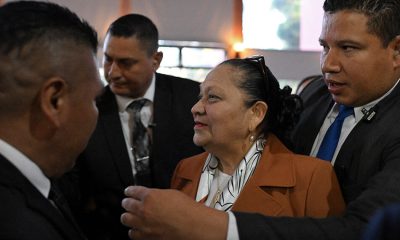
Guatemala’s president denounces MP raids during Constitutional Court election
-
 International4 days ago
Exclusive Tucson Neighborhood Shaken by Disappearance of Savannah Guthrie’s Mother