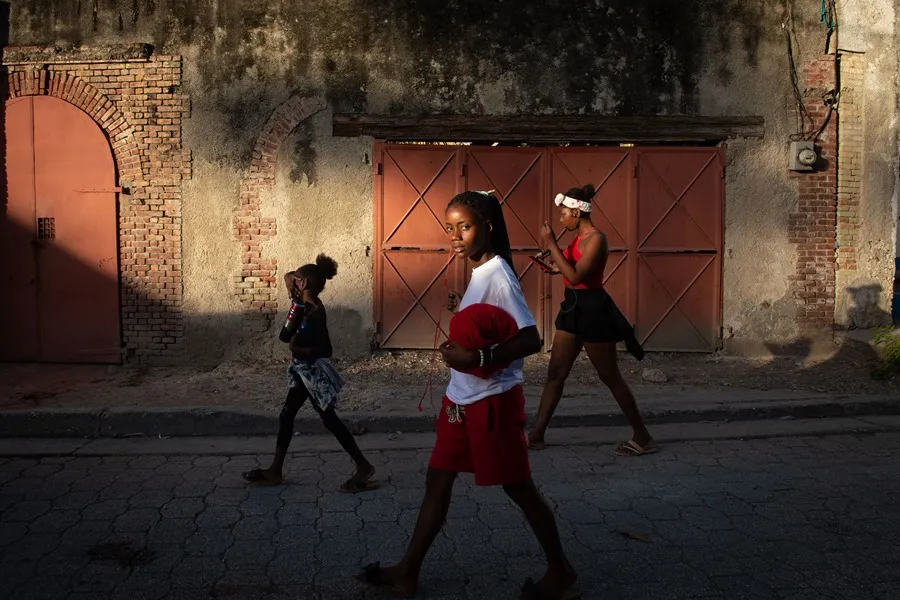
Only 80 kilometers separate it from the violent capital of Haiti, but in the city of Jacmel tranquility reigns, and this has made it the destination of hundreds of people fleeing the terror imposed by armed gangs in Port-au-Prince, whose actions caused more than 5,600 violent deaths last year in this impoverished Caribbean country.
Joane, 45, lived and grew up in Delmas 24, in the Solino neighborhood, not far from the center of Port-au-Prince, but in April 2024 she was forced to move to Jacmel, where she claims to have found tranquility.
“Everyone fled the neighborhood. We run away at night without being able to take anything,” the woman told EFE, who tries to remake her life in Jacmel, doing what she likes most: selling handicrafts.
Since then, everything has changed for her. He has regained the tranquility he lost so long ago. “In terms of security, it’s totally different from Port-au-Prince. There are no problems with armed gangs,” he added.
The exodus to Jacmel, known for its paradisiacal beaches, dates back to 2018, when people began to leave the Haitian capital en masse. In the streets, in markets or on public transport, the people interviewed by EFE repeat the same phrase: “We left Port-au-Prince because of insecurity.
Advertisement
20260224_estafa_mh_728x90
20260212_constancia_pagos_mh_728x90
20250701_dengue_728x90
20250901_vacunacion_vsr-728x90
20250901_minsal_tetra_-728x90
20250701_vacunacion-influenza-728x90
20250701_vacunacion_vph-728x90
20250715_donacion_sangre_central_728x90
20231124_etesal_728x90_1
20230601_agenda_primera_infancia_728X90
domfuturo_netview-728x90
20240604_dom_728x90
CEL
The capital “is hell, even if they pay me to live there, I don’t go,” said a plumber while doing some work in a house in this city, decorated these days on the occasion of the visit last Wednesday of the president of Colombia, Gustavo Petro.
The metropolitan area of Port-au-au-Prince, where at least a third of the Haitian population lives, is experiencing an upsurge in insecurity marked by the increase in massacres and armed attacks, gang rapes, robberies, murders and kidnappings to ask for ransom.
Thousands of people are forced to take refuge in unclean camps, leave the capital or simply flee the country, seeking refuge elsewhere.
At least 85% of the metropolitan area is in the hands of armed gangs, which multiply the number of tolls, the price of public transport and even basic necessities, throwing at least 1 in 2 Haitians into food insecurity.
Port-au-Prince is becoming an open-air prison, where the free movement of people and goods has ceased to exist. The entire city center, the economic heart of the country, has been destroyed to such an extent that it seems to have been shaken by a great earthquake.
Advertisement
20260224_estafa_mh_728x90
20260212_constancia_pagos_mh_728x90
20250701_dengue_728x90
20250901_vacunacion_vsr-728x90
20250901_minsal_tetra_-728x90
20250701_vacunacion-influenza-728x90
20250701_vacunacion_vph-728x90
20250715_donacion_sangre_central_728x90
20231124_etesal_728x90_1
20230601_agenda_primera_infancia_728X90
domfuturo_netview-728x90
20240604_dom_728x90
CEL
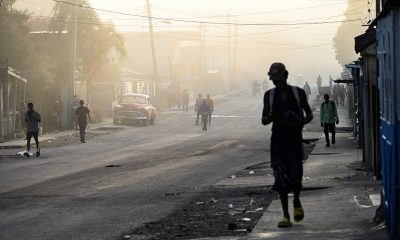
In Jacmel, however, the reality is very different. People can move freely in the streets and neighborhoods.
With more than 180,000 inhabitants, Jacmel impresses with its beaches and waterfalls, its places and historical sites, its unique urbanism and architectural heritage, and its welcoming and proud people of its city, the first to be electrified in the Caribbean region in 1895, and the place where the flag of Gran Colombia was created in the 19th century.
It is a highly cultural, historical and tourist destination. Its annual carnival stands out for its multiple colors, its masks and its festive atmosphere.
Activities that had completely disappeared in the Port-au-Prince region are rediscovered in Jacmel. For example, students doing their homework in public and illuminated places.
“As soon as everything returns to normal, I will return to Port-au-Prince,” Joane said.
Advertisement
20260224_estafa_mh_728x90
20260212_constancia_pagos_mh_728x90
20250701_dengue_728x90
20250901_vacunacion_vsr-728x90
20250901_minsal_tetra_-728x90
20250701_vacunacion-influenza-728x90
20250701_vacunacion_vph-728x90
20250715_donacion_sangre_central_728x90
20231124_etesal_728x90_1
20230601_agenda_primera_infancia_728X90
domfuturo_netview-728x90
20240604_dom_728x90
CEL
In recent years, the attempts of the gang members to settle in Jacmel have failed. Some have been murdered and others arrested in this small town where everyone knows each other and where the inhabitants only find out what happens in the capital through the news.
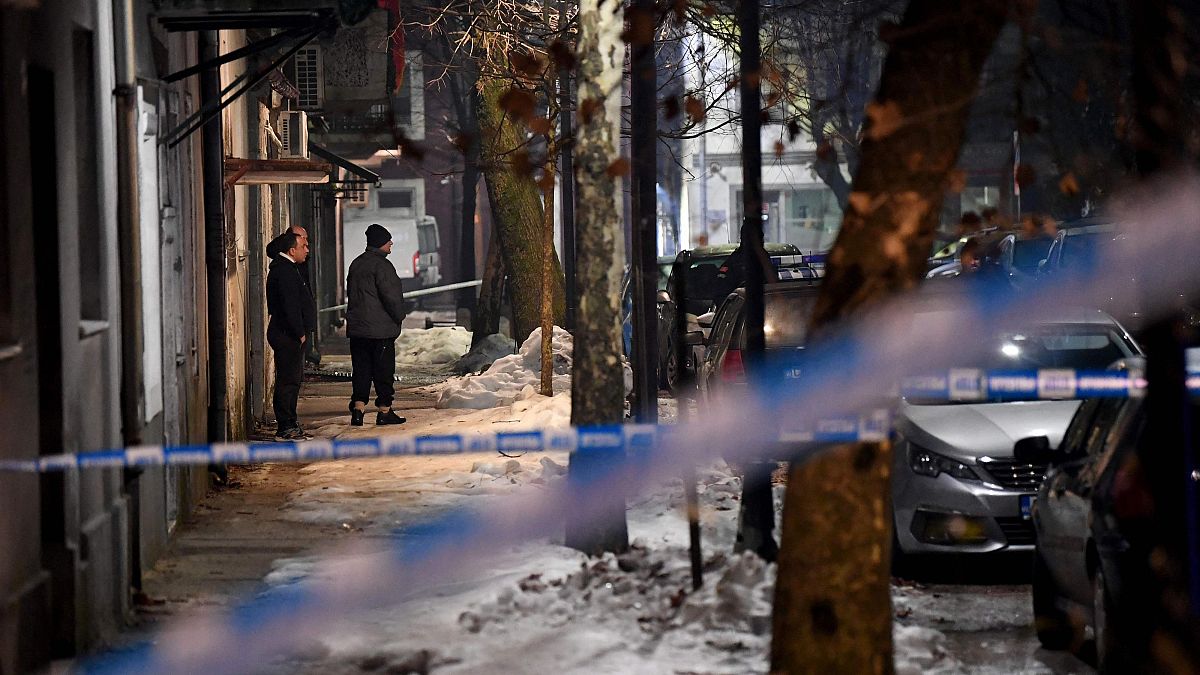
Two killed in shooting at restaurant near Frankfurt Airport
Two people were shot dead early Tuesday at a restaurant in Raunheim, near Frankfurt Airport, according to local police.
Preliminary findings indicate that an armed individual entered the establishment at around 03:45 local time (02:45 GMT) and opened fire on the victims, who died at the scene from their injuries.
The suspect fled and remains at large, while the motive behind the shooting is still unclear, German media reported. Authorities have launched a large-scale search operation.
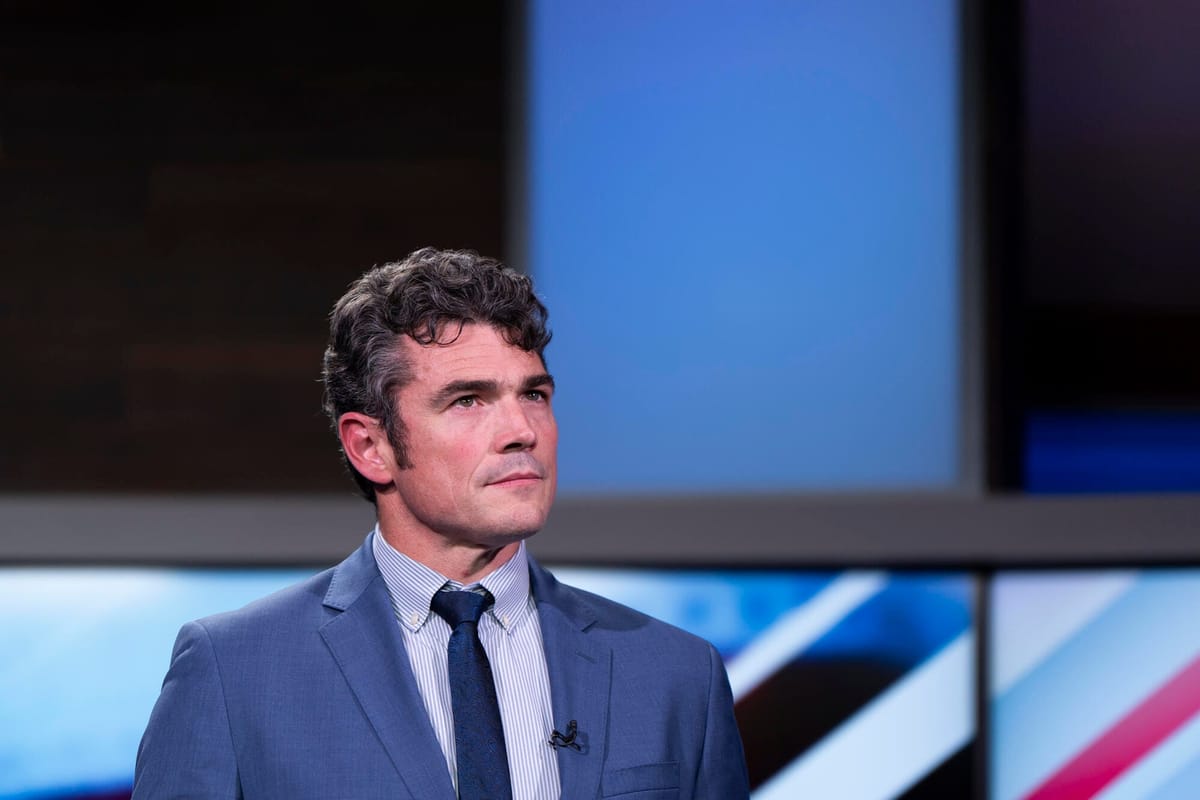
U.S. counterterrorism chief resigns over opposition to war in Iran
Joe Kent, director of the National Counterterrorism Center, announced Tuesday that he has resigned from his post, citing his opposition to the ongoing war in Iran.
In a post on X, Kent said he could not, “in good conscience,” support the conflict, arguing that Iran did not pose an imminent threat to the United States. He also claimed that the war was driven by pressure from Israel and its lobbying influence in Washington.
In a resignation letter addressed to Donald Trump, Kent alleged that at the start of the current administration, senior Israeli officials and influential figures in U.S. media carried out a disinformation campaign that undermined the “America First” platform and fostered pro-war sentiment aimed at triggering a conflict with Iran.
Kent further stated that he could not support sending a new generation of Americans to “fight and die in a war that provides no benefit to the American people and does not justify the cost in American lives.”
Since the United States and Israel launched attacks against Iran on February 28, at least 13 U.S. service members have been killed, while 10 others have been seriously wounded and around 200 have sustained minor injuries, according to a report published by The Wall Street Journal.
German president warns Iran war could spread and disrupt Strait of Hormuz
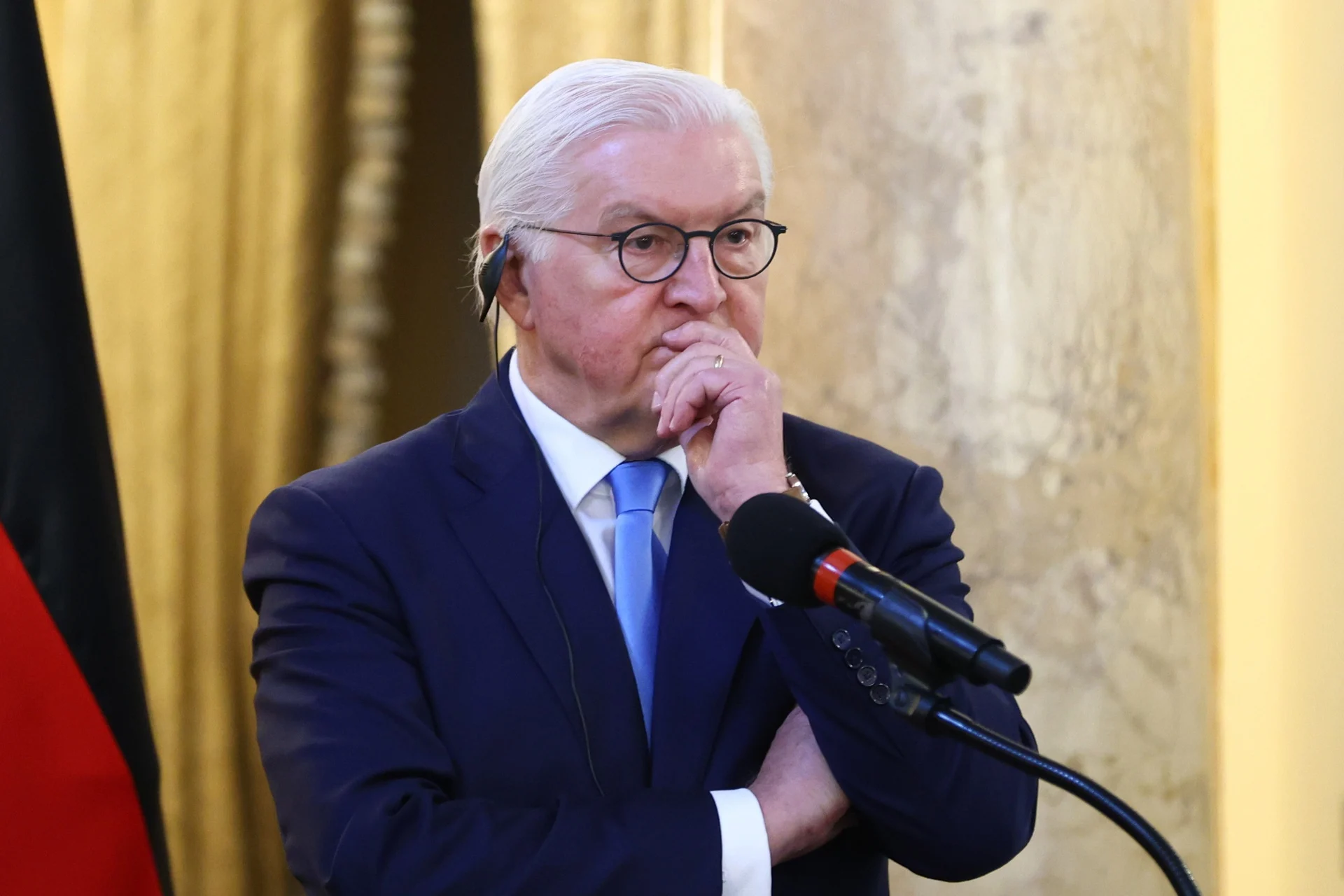
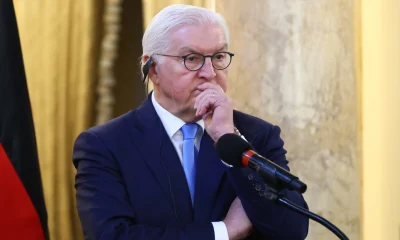
The president of Germany, Frank-Walter Steinmeier, warned Monday that the war involving Iran could expand and further disrupt shipping through the strategic Strait of Hormuz. He urged a swift end to hostilities between Iran, United States and Israel.
Speaking in Panama City during a joint appearance with Panamanian President José Raúl Mulino, Steinmeier said available information suggests Iran has significant capacity to disrupt maritime traffic through the key oil route.
“Iran has considerable potential to interfere with shipping through the Strait of Hormuz,” Steinmeier said through an interpreter. “We should therefore reach an end to the hostilities as soon as possible and call on all parties involved to make that happen.”
The remarks came during Steinmeier’s visit to Panama, the first by a German president to the Central American nation.
The German leader described the possibility of the conflict spreading as “very dangerous,” saying recent developments indicate that such a scenario cannot be ruled out.
Advertisement
20260224_estafa_mh_728x90
20260212_constancia_pagos_mh_728x90
20250701_dengue_728x90
20250901_vacunacion_vsr-728x90
20250901_minsal_tetra_-728x90
20250701_vacunacion-influenza-728x90
20250701_vacunacion_vph-728x90
20250715_donacion_sangre_central_728x90
20231124_etesal_728x90_1
20230601_agenda_primera_infancia_728X90
domfuturo_netview-728x90
20240604_dom_728x90
CEL
Over the weekend, U.S. President Donald Trump urged allied nations to help ensure safe passage for ships through the Strait of Hormuz after Iran moved to block the waterway in response to U.S. strikes. However, several allies—particularly in Europe—have shown little support for the proposal.
“Some are very enthusiastic, others are not, and some are countries we have helped for many years,” Trump told reporters at the White House. “We have protected them from terrible external threats, and they’re not that enthusiastic. And the level of enthusiasm is important to me.”
Meanwhile, Kaja Kallas, the European Union’s top diplomat, said the Strait of Hormuz falls “outside NATO’s scope” and stressed that “the war involving Iran is not Europe’s war.”