
International
Javier Milei: the eccentric far-right economist who shook up Argentine politics
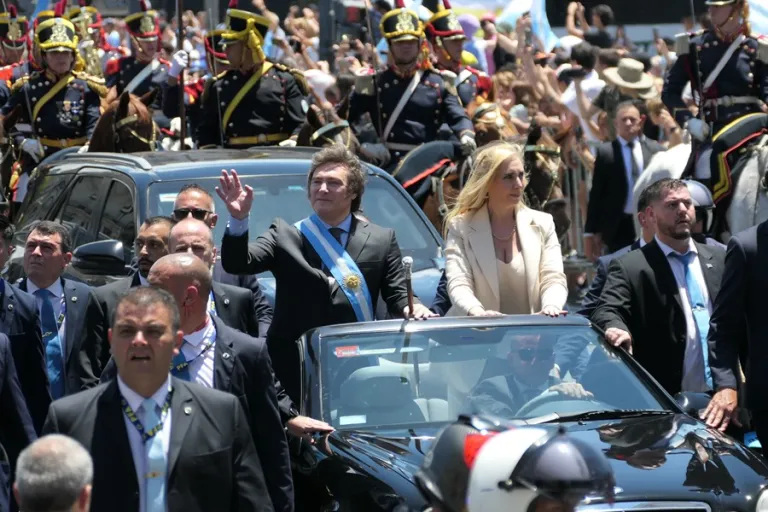
Javier Milei, the economist who burst into Argentine politics with an incendiary speech and an irreverent attitude, has advanced in 2024 in his offensive against the State and has become an emblematic figure of the regional and even global far right.
Aged 54 and a native of the Buenos Aires neighborhood of Palermo, Milei had a meteoric rise in Argentine politics thanks to his bizarre television appearances, in which he presented himself as a loud and combative libertarian economist.
His emergence was marked by a visceral rejection of the “political caste,” a term he frequently uses to disqualify traditional political actors, although he has adapted it over time to suit his current adversary.
The owner of the chainsaw
Milei ‘s electoral victory , first in the legislative elections that made him a deputy in 2021 and then in the 2023 presidential elections that took him to the Casa Rosada, was due in part to his image as an outsider politician who promoted novel and different ideas than those of his opponents.
After winning the general elections in November with 55.65% of the votes against the official candidate Sergio Massa, he took office on December 10 and in his first speech he anticipated that the only way to solve the country’s economic difficulties was through a severe adjustment.









This adjustment has advanced with ferocity over the last 12 months with a drastic cut in public spending and a dismantling of the State that has resulted in the closure of more than a dozen ministries, the loss of tens of thousands of jobs, the disappearance of social aid and organisations, the fall in funding for public education and health and an increase in poverty and destitution.
Popularity and support
These effects, although presented as the flip side of a successful and rapid stabilization of the macroeconomy, have been openly promoted – and even proudly celebrated – by a Milei who has not only not moderated his violent rhetoric but has accused those who demand that he tone down his speech of being “lukewarm.”
Despite this, the president’s popularity remains above 50%, his followers have shown absolute loyalty and his party’s projections for the legislative elections scheduled for October 2025 are increasingly better.
This support, combined with the political skill of some of his close associates in the Government , has allowed him to successfully negotiate some of his initiatives in Congress, where he still has a narrow minority.
Reference of the extreme right
One of the main focuses of Milei’s administration has been international politics, with more than a dozen trips abroad in which he dedicated himself to weaving a network of alliances with far-right leaders.
Beyond his unconditional alignment with Israel and the United States, which he has strictly respected this year, the Argentine president has attended numerous summits promoted by conservative organizations or leaders and even hosted an edition of the Conservative Political Action Conference (CPAC) in Buenos Aires.
At that meeting, he repeated some of the warnings he had issued in Davos and at the UN about the advance of socialism and the dangers facing the West, and advocated a “right-wing international” with Argentina as a “beacon to the world” alongside governments such as those of Nayib Bukele in El Salvador and Donald Trump in the United States.
Intensify policies
In parallel, Milei has insisted this year on the need to move forward with a moral change in Argentine society, abandoning “the impoverishing ideas of collectivism” to replace them with the extreme individualism advocated by his “anarcho-capitalist” model.
To fight this “cultural battle,” he has recruited some of the country’s most conservative thinkers and influencers, who are accompanying him in his offensive against “the human rights scam,” “radical feminism,” and the “aberration” of social justice, among other causes of “stupid progressivism.”
Looking ahead to next year, Milei has anticipated that he will not moderate but rather intensify the policies he has implemented in 2024, has promised a “deep chainsaw” and has anticipated major reforms in tax, pension, labor, criminal, political and national security matters.
“If we could do so much with the whole world against us, imagine what we can do with the wind in our favor. We could go twice as far, twice as fast,” he said this month in his speech marking his first anniversary in power, and declared: “The smaller the State, the greater the freedom.”






International
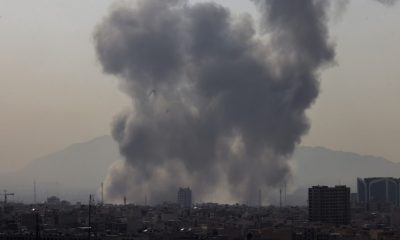
Iran Reports 201 Dead, 747 Injured After U.S. and Israeli Strikes
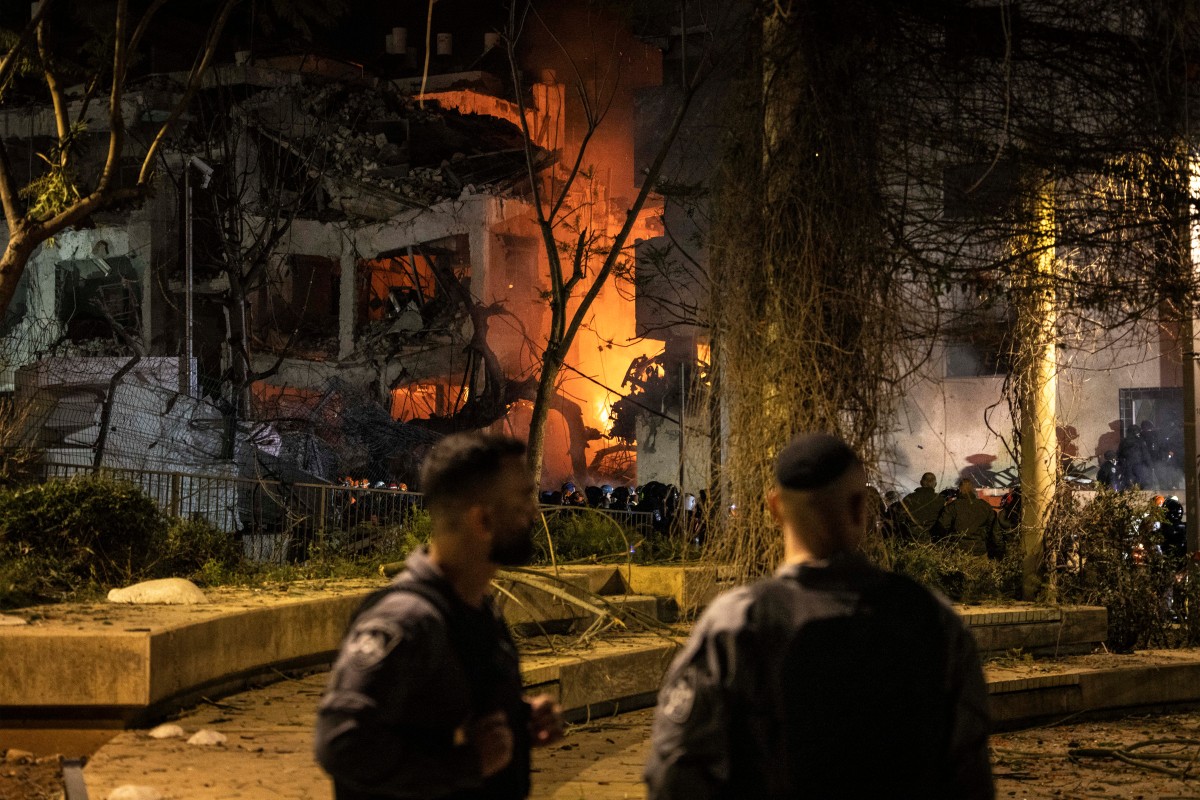
The Iranian Red Crescent Society reported Sunday night (local time) that at least 201 people were killed and 747 injured following attacks carried out by Israel and the United States against the Islamic Republic.
A spokesperson for the humanitarian organization said more than 220 rescue teams have been deployed across affected areas and that relief operations are continuing without interruption. The official highlighted the difficulty of treating the large number of wounded and the urgent need for additional resources in impacted provinces.
Out of Iran’s 31 provinces, 24 have reported damage, according to a statement carried by the Isna news agency. This marks the first overall casualty toll released by Iranian state-affiliated media since the launch of the offensive.
Among the dead are 85 schoolgirls from a school in the southern city of Minab, according to the country’s judiciary. “The number of martyrs at the Minab girls’ school has risen to 85,” the local prosecutor’s office said, as quoted by the judiciary’s website, Mizan Online.
Iranian President Masud Pezeshkian described the attack as a “savagery” that “constitutes a new black page in the record of countless crimes committed by the aggressors.”
Meanwhile, the international community continues to monitor the situation closely amid concerns about possible further reprisals and the broader impact on Middle East stability, energy markets, and global security.
AFP noted that it was unable to independently verify the casualty figures or the circumstances surrounding the events.
International
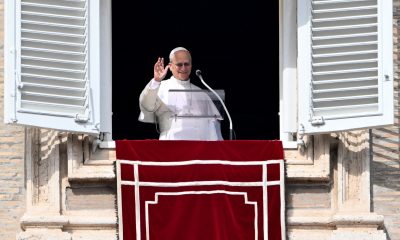
Pope Leo XIV Urges End to ‘Spiral of Violence’ in Middle East
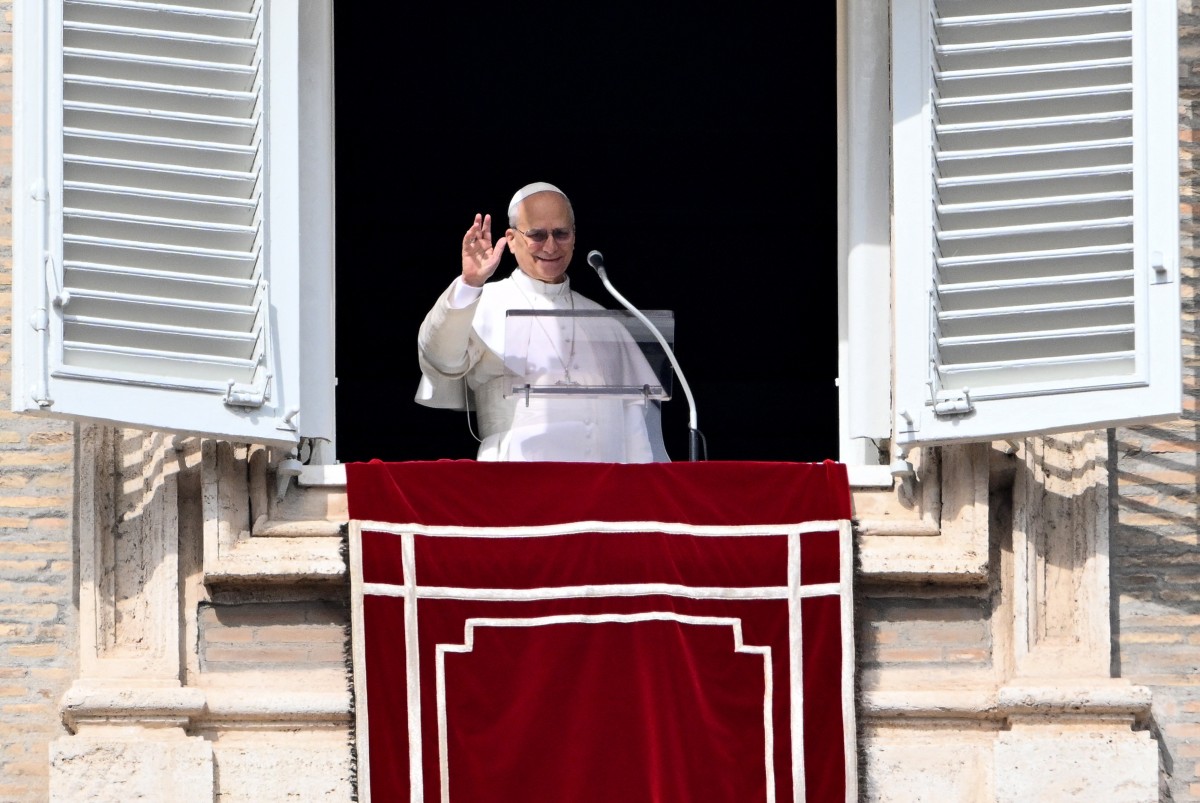
Pope Leo XIV on Sunday called for an end to the “spiral of violence” in the Middle East, following military strikes by the United States and Israel against Iran and subsequent retaliatory bombardments in the region.
“Faced with the possibility of a tragedy of enormous proportions, I urge the parties involved to assume their moral responsibility and stop the spiral of violence before it becomes an irreparable abyss,” the pontiff told the crowd gathered in St. Peter’s Square at the Vatican.
Speaking during the Angelus prayer, the U.S.-born pope said stability and peace cannot be achieved through threats or weapons. “Stability and peace are not built with reciprocal threats or with arms that sow destruction, suffering and death, but only through reasonable, sincere and responsible dialogue,” he declared.
The leader of the world’s 1.4 billion Catholics also called for diplomacy to “regain its role” amid escalating tensions.
In addition, the pope urged Afghanistan and Pakistan to urgently resume dialogue after several days of clashes between the two countries.
International
Security Council to Hold Emergency Meeting on Middle East Crisis
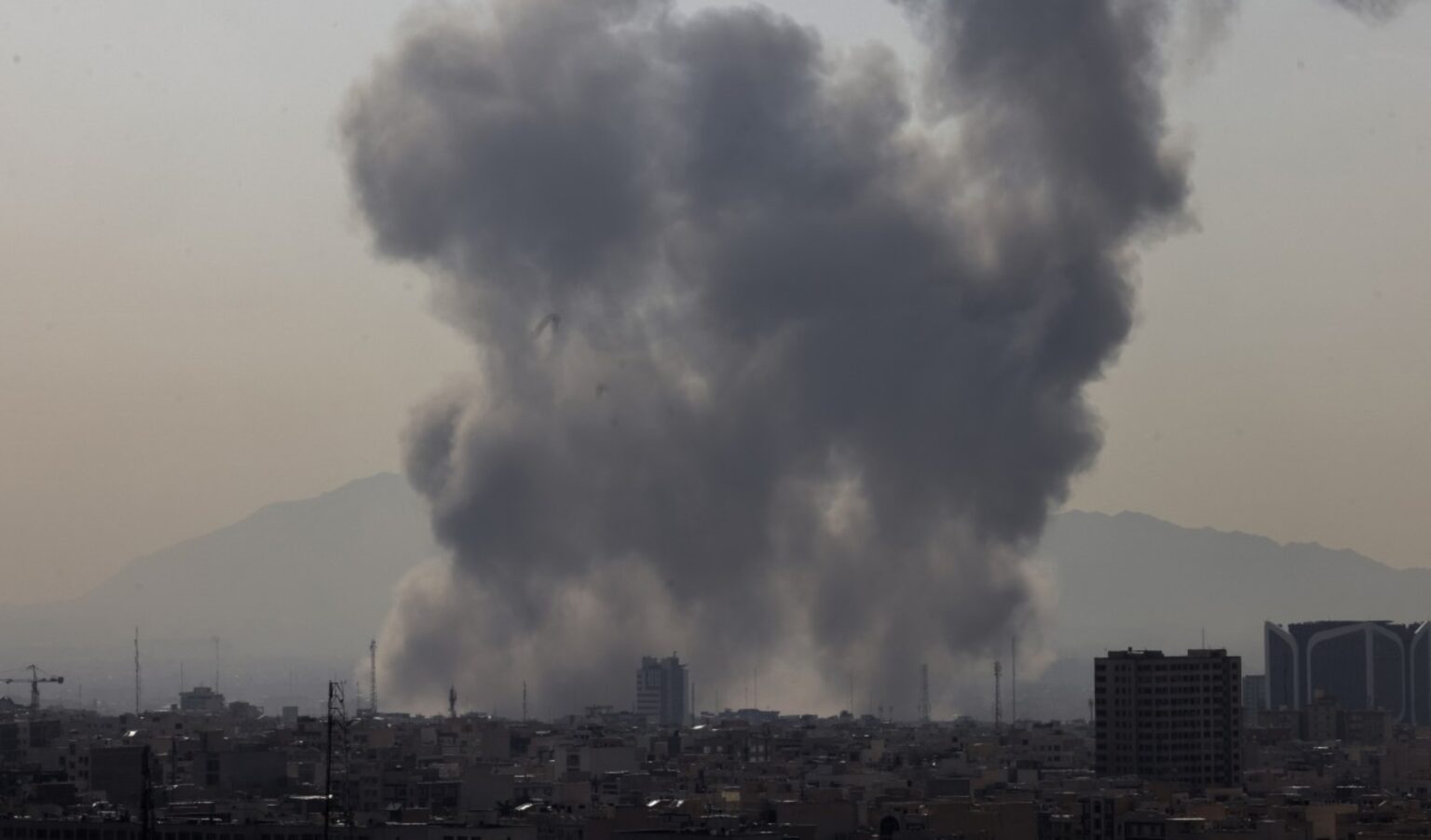
UN Secretary-General António Guterres on Saturday condemned the “military escalation in the Middle East” following attacks by the United States and Israel against Iran and Tehran’s retaliatory strikes, just hours before an urgent meeting of the UN Security Council.
“I call for the immediate cessation of hostilities and de-escalation,” Guterres said in a statement.
The Security Council is scheduled to meet on Saturday at 21:00 GMT (4:00 p.m. in New York) to address “the situation in the Middle East,” the United Nations announced.
The meeting, during which Guterres will deliver remarks, was convened at the request of France, Bahrain, Colombia, Russia and China, according to a diplomatic source.

Iran Reports 201 Dead, 747 Injured After U.S. and Israeli Strikes

Pope Leo XIV Urges End to ‘Spiral of Violence’ in Middle East

Security Council to Hold Emergency Meeting on Middle East Crisis
Tec de Monterrey honors one of its students for his contribution to nanotechnology in medicine

Defense Minister commends salvadoran soldier for Central American Cross Country victory

Extension of the state of emergency approved in southern Chile
-
 International5 days ago
Family of “El Mencho” Seeks Return of Body After Deadly Military Operation
-

 International5 days ago
Larry Summers Steps Down from Harvard Role Amid Epstein Controversy
-
 International5 days ago
Iran’s President Optimistic Ahead of Geneva Nuclear Talks with U.S.
-

 International5 days ago
Bill Gates Admits “Serious Mistake” Over Epstein Ties
-

 International5 days ago
Stephen Hawking Photo Appears in Newly Released Epstein Documents
-

 International4 days ago
Cocaine Production Surges 34% in 2023 as Market Expands into Africa and Asia
-
 International3 days ago
Trump Floats “Friendly Takeover” of Cuba Amid Rising Tensions
-
 International1 day ago
Iran Reports 201 Dead, 747 Injured After U.S. and Israeli Strikes
-
 International2 days ago
Security Council to Hold Emergency Meeting on Middle East Crisis
-
 International1 day ago
Pope Leo XIV Urges End to ‘Spiral of Violence’ in Middle East
-
 International4 days ago
Federal Judge Blocks Trump Policy Allowing Deportations to Third Countries
-
 International3 days ago
Argentina’s Senate Reviews Milei-Backed Labor Overhaul
-
 Sin categoría2 days ago
Trump: ‘We Think It’s True’ Amid Claims Iran’s Supreme Leader Was Killed
-
 International4 days ago
Clinton Accuses Republican Committee of Using Epstein Case to Shield Trump