
International
The new Syrian authorities plan to end compulsory military service
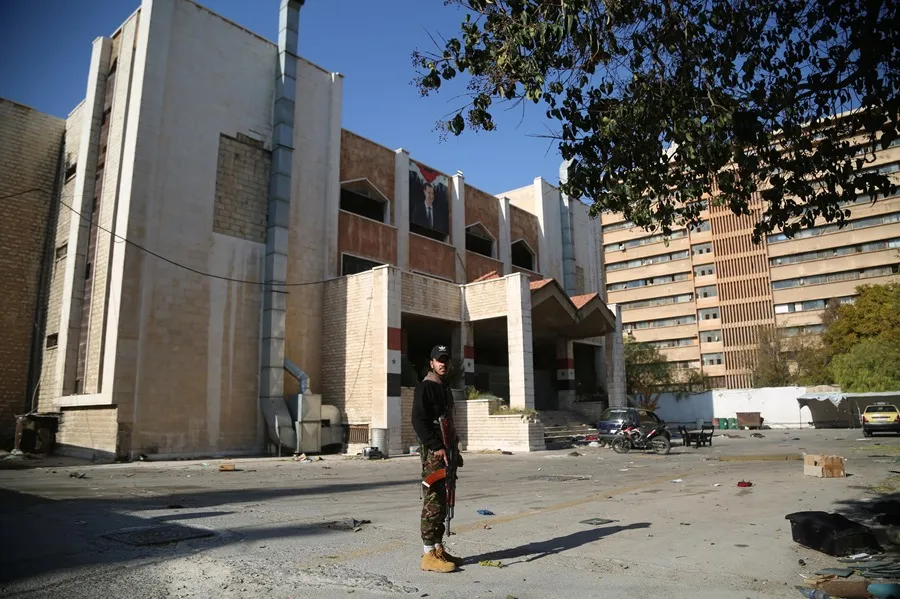
Ahmed al Charaa, leader of the insurgent coalition that overtoched the Bashar al-Asad regime last week and known as the war name of Abu Mohamed al Jolani, said on Sunday that they are studying the possibility of ending compulsory military service.
He said this in a meeting with journalists and activists related to the insurgents, who published several videos on social networks.
In one of those recordings, Al Charaa is asked what will happen with compulsory military service, to which he replied “we are studying it, but in principle it will be an Army of volunteers.”
Defense “of the homeland”
Even so, he qualified shortly after that the defense of “the homeland” is mandatory and is something that concerns everyone, and he did not rule out that in the future a temporary recruitment of fifteen days or twenty days can be applied for “a very short time”.
Mandatory military service has existed in Syria since 1947, a year after the country’s independence. Over time its duration has changed and the Armed Forces have been a pillar of the system, especially during the dictatorship of the Al Asad family that began in 1971 (first with Hafez al Asad and then with his son Bachar al Asad).









At the beginning of 2011, the year in which the protests against the Government of Bashar al-Asad broke out, it lasted 18 months, but after the beginning of the conflict the soldiers were usually kept in their posts regardless of whether that period had ended.
The Al Asad regime fell a week ago after twelve days of offensive launched by a coalition led by the Islamist group Levante Liberation Agency along with other factions backed by Turkey.
Qatari delegation arrives in Syria to open its embassy
Meanwhile, a diplomatic delegation from Qatar arrived this Sunday in Syria to complete the procedures that allow it to open its embassy in the country “after the success of the revolution” that overthrewed the regime of the deposed Syrian president, Bashar al-Assad, Qatari official sources reported.
The official spokesman for the Ministry of Foreign Affairs, Majed al Ansari, announced today in a statement that “a Qatari diplomatic delegation arrived in Damascus to complete the necessary procedures for the opening of the Qatar State embassy in the Syrian Arab Republic.”
Al Ansari said that the delegation met with the “transitional government” in Syria and reaffirmed the “full commitment of the State of Qatar to support the Syrian people in achieving their aspirations for security, peace, development and prosperity after the success of their revolution.”
According to the Foreign Ministry spokesman, the delegation discussed with the Syrian side ways to improve the flow of humanitarian aid from Qatar and evaluated the needs of the Syrians “during this important phase” of transition.
Reopening
Last Wednesday, Al Ansari already announced Qatar’s intention to reopen its embassy in Syria “soon”, although an official date for it has not yet been announced.
Qatar, which maintains good relations with Turkey, has been very critical of the government of Bashar al-Assad and has denounced that during his mandate the overthrown president had wasted opportunities to fully reintegrate into the international community and end 13 years of war in Syria.
The small country of the Persian Gulf was one of the first to express on Sunday – after the flight of Al Asad and his family to Moscow -, its “firm support for the Syrian people”, and called on the different insurgent factions and the country’s political groups to “opt for dialogue” for “a better future for Syria.”
He has also set himself up as a mediator and, over the weekend, welcomed in Doha the foreign ministers of Turkey, Russia and Iran – the upprors of a ceasefire in Syria until the fall of Al Asad – to address the future and a peaceful transition in the punished Arab country.






International
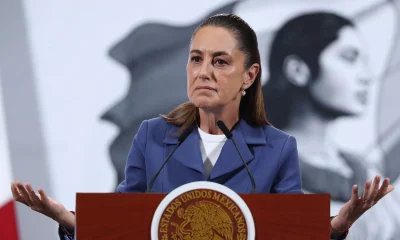
Claudia Sheinbaum: Operation Against ‘El Mencho’ Was Based on Pending Arrest Warrants
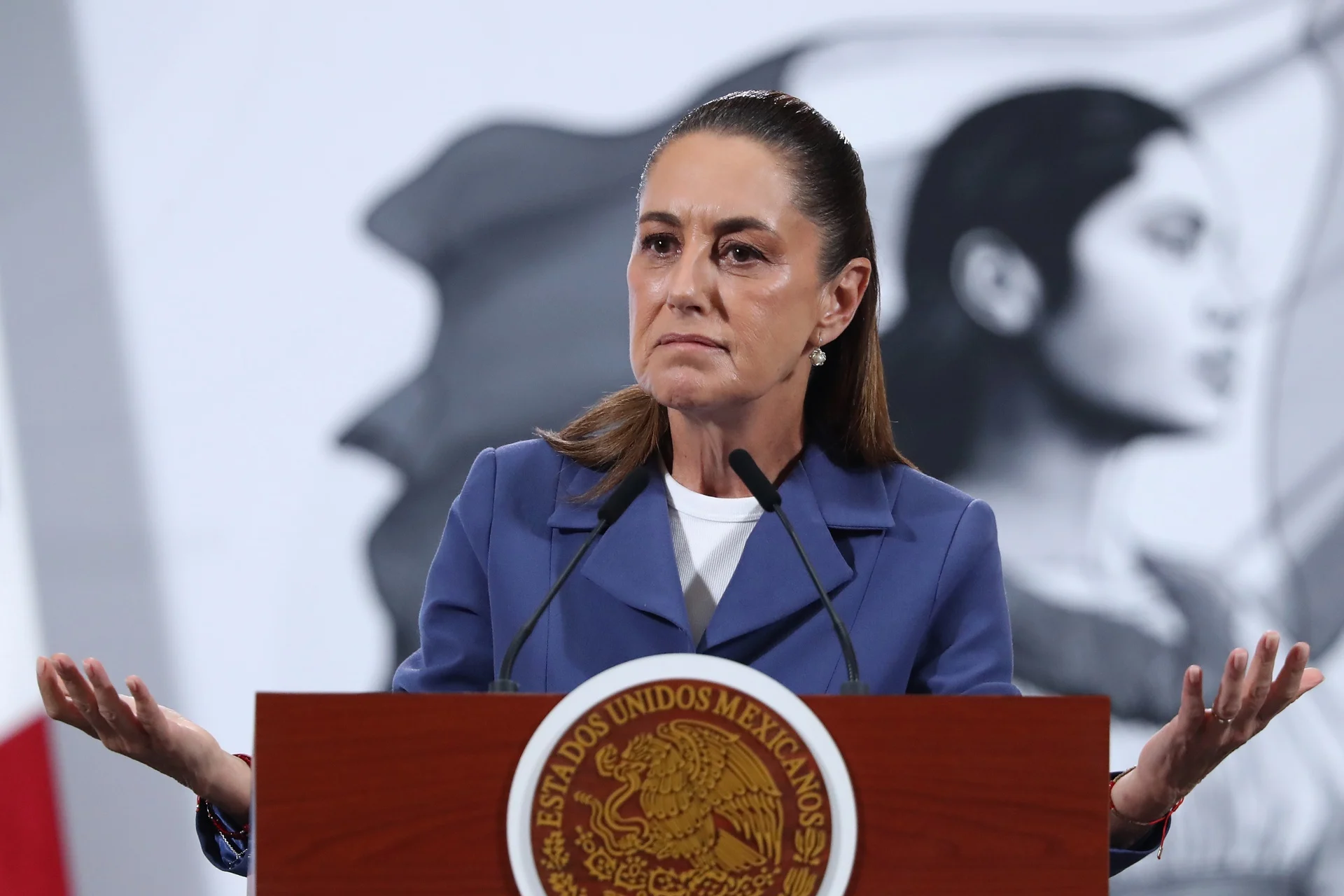
Mexico’s President Claudia Sheinbaum on Wednesday rejected claims that the military operation that resulted in the death of Nemesio Oseguera Cervantes, known as “El Mencho,” leader of the Jalisco New Generation Cartel (CJNG), was carried out under pressure from the United States government.
Sheinbaum explained that the deployment of federal forces was aimed at executing outstanding arrest warrants against Oseguera Cervantes, who was considered one of the most wanted criminals in both Mexico and the United States.
“That was not the objective (to ease pressure from the United States). It is very important, and I want to repeat it. This individual had an arrest warrant, or several,” Sheinbaum said, referring to the operation conducted on February 22.
According to the president, the initial goal was to capture Oseguera Cervantes, but military forces responded after coming under attack during the intervention.
“The operation was to detain him. The problem is that they were attacked — the Secretariat of National Defense — and they responded at that moment,” she said.
The president insisted that the action was not carried out in response to external demands, although she acknowledged intelligence cooperation with the United States.
“It was not done in any way because of pressure from the United States, not at all. Of course, there was intelligence information from the United States that was used specifically,” she concluded.
International
Spain Denies Any Agreement to Cooperate with U.S. Military in Iran Operations
International
White House Says Spain Agrees to Cooperate with U.S. Military After Trump Threatens Trade Embargo
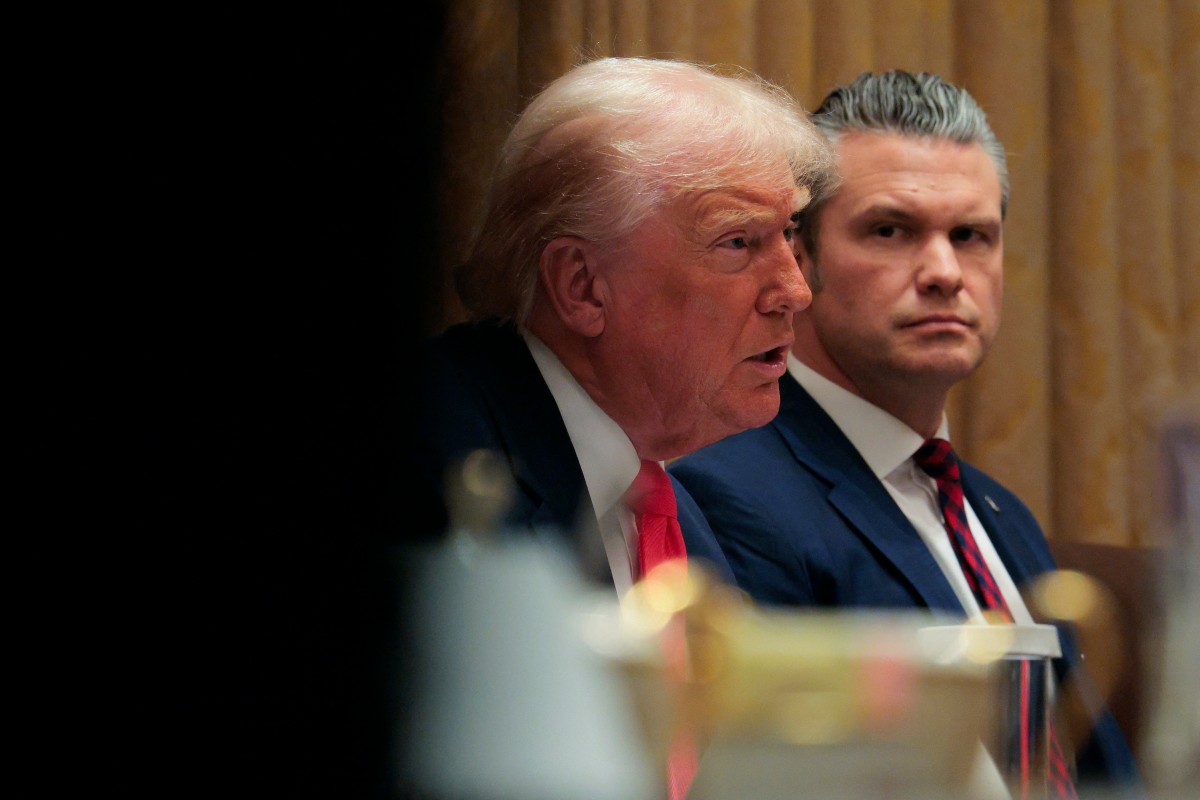
White House Press Secretary Karoline Leavitt said Wednesday that Spain has agreed “in recent hours” to cooperate with the U.S. military, following President Donald Trump’s threat to impose a trade embargo on Madrid.
Trump had warned of potential commercial measures after Spain reportedly refused to allow the Pentagon to use facilities at Spanish military bases for operations related to Iran.
“With respect to Spain, I think you heard the president’s message yesterday loud and clear, and I understand that in recent hours they have agreed to cooperate with the United States military,” Leavitt said during a press briefing.
She added that the U.S. military is currently coordinating with its counterparts in Spain. However, the president expects broader support.
“The president expects that all of Europe, all of our European allies, of course, will cooperate in this important mission — not only for the United States, but also for Europe,” Leavitt said.
Her remarks came in response to questions about Spain’s position and its role as a U.S. ally amid rising tensions surrounding operations involving Iran.

Claudia Sheinbaum: Operation Against ‘El Mencho’ Was Based on Pending Arrest Warrants

Nicaragua Held Responsible for Harassment of Opposition Prosecutor and His Family

Spain Denies Any Agreement to Cooperate with U.S. Military in Iran Operations
Tec de Monterrey honors one of its students for his contribution to nanotechnology in medicine

Defense Minister commends salvadoran soldier for Central American Cross Country victory

Extension of the state of emergency approved in southern Chile
-
 International3 days ago
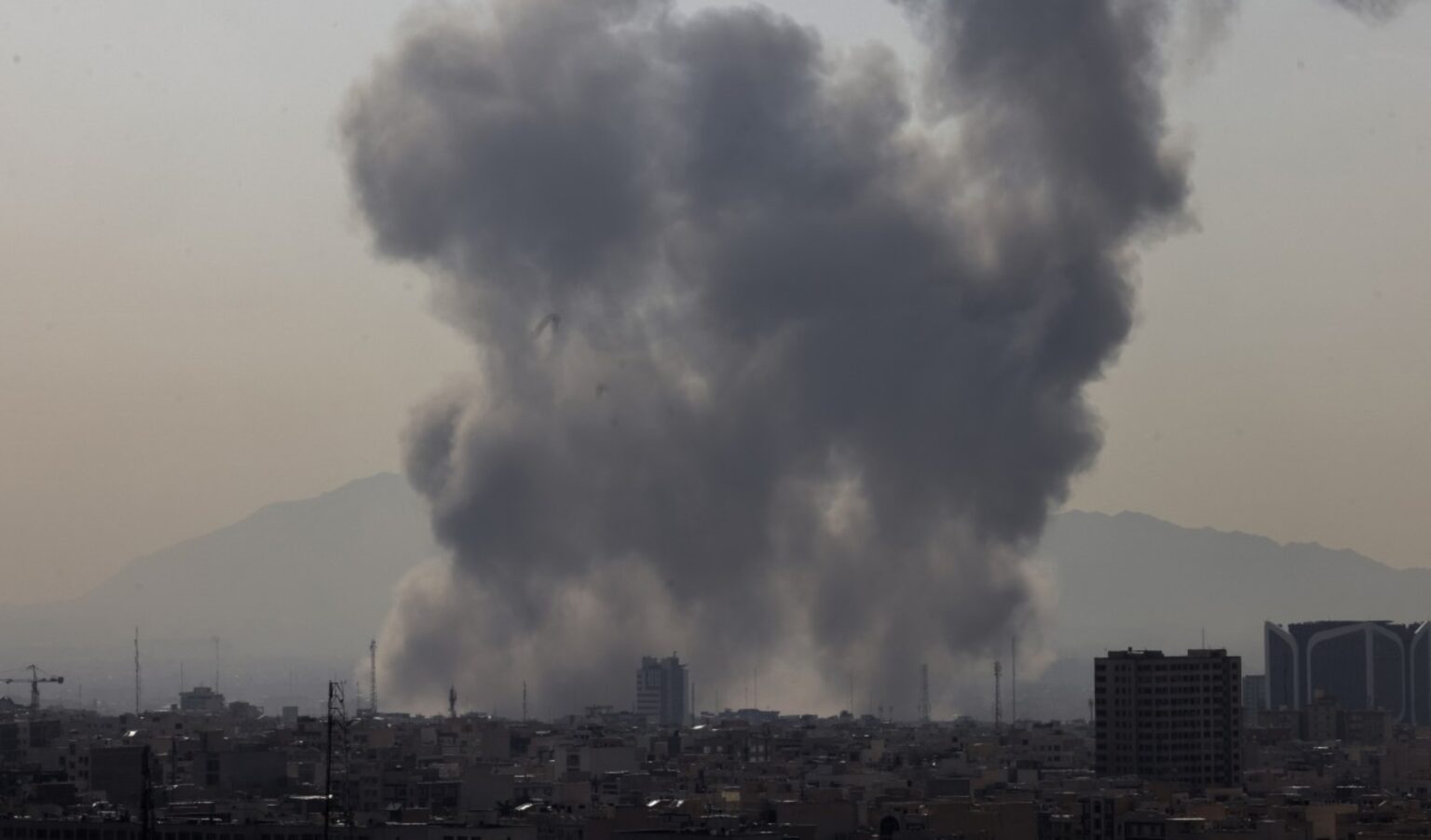
Iran Reports 201 Dead, 747 Injured After U.S. and Israeli Strikes
-
 International2 days ago
Brazil’s Supreme Court Rejects Bolsonaro’s Bid for House Arrest
-

 International3 days ago
Pope Leo XIV Urges End to ‘Spiral of Violence’ in Middle East
-
 International4 days ago
Security Council to Hold Emergency Meeting on Middle East Crisis
-
 Sin categoría4 days ago
Trump: ‘We Think It’s True’ Amid Claims Iran’s Supreme Leader Was Killed
-
 International2 days ago
Anti-ICE Billboard Campaign Targets Immigration Spending in 31 U.S. Cities
-
 International2 days ago
Trump Warns of ‘Major Wave’ of Attacks as Iran Conflict Escalates
-
 International1 day ago
Spain’s Prime Minister to Address Nation Amid Trump’s Trade Threats
-
 International2 days ago
Mexico Calls for Immediate Probe After National Dies in ICE Custody
-
 International2 days ago
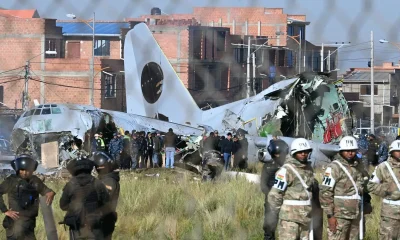
Bolivia Orders Three Investigations Into Deadly Military Plane Crash
-
 International1 day ago
New York Announces First 2,000 Seats in Universal 2-K Program
-

 Central America2 days ago
Panama Canal Monitoring Trade as Middle East Conflict Disrupts Shipping
-
 Central America1 day ago
Guatemala’s Attorney General Fails in Bid for Top Court Seat Amid Corruption Allegations
-

 International1 day ago
Warner Bros. Developing First ‘Game of Thrones’ Movie With ‘Andor’ Writer
-
International6 hours ago
White House Says Spain Agrees to Cooperate with U.S. Military After Trump Threatens Trade Embargo
-
International6 hours ago
Spain Denies Any Agreement to Cooperate with U.S. Military in Iran Operations
-
 Central America6 hours ago
Nicaragua Held Responsible for Harassment of Opposition Prosecutor and His Family
-
 International6 hours ago
Claudia Sheinbaum: Operation Against ‘El Mencho’ Was Based on Pending Arrest Warrants